commercial-banking
(38)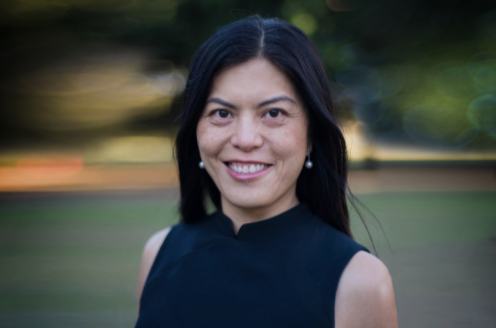
Ada Guan and the bank that asks why
She left a corporate career to help banks understand the businesses they lend to. Ten years into RDC.AI, Ada Guan is still making the case for intelligence that can explain itself.

Maxwell Hawes and the business of getting the details right
A process server at 18, a commercial banker after college, and now the CEO of Hawes Group. Maxwell Hawes is building technology around the work he first learned to do himself.

Parasdeep Singh and the work behind a yes
Before a mortgage becomes an approval, someone has to make the numbers tell a coherent story. At HopeWell Mortgages in Mississauga, Parasdeep Singh brings a banking background to that patient, particular work.
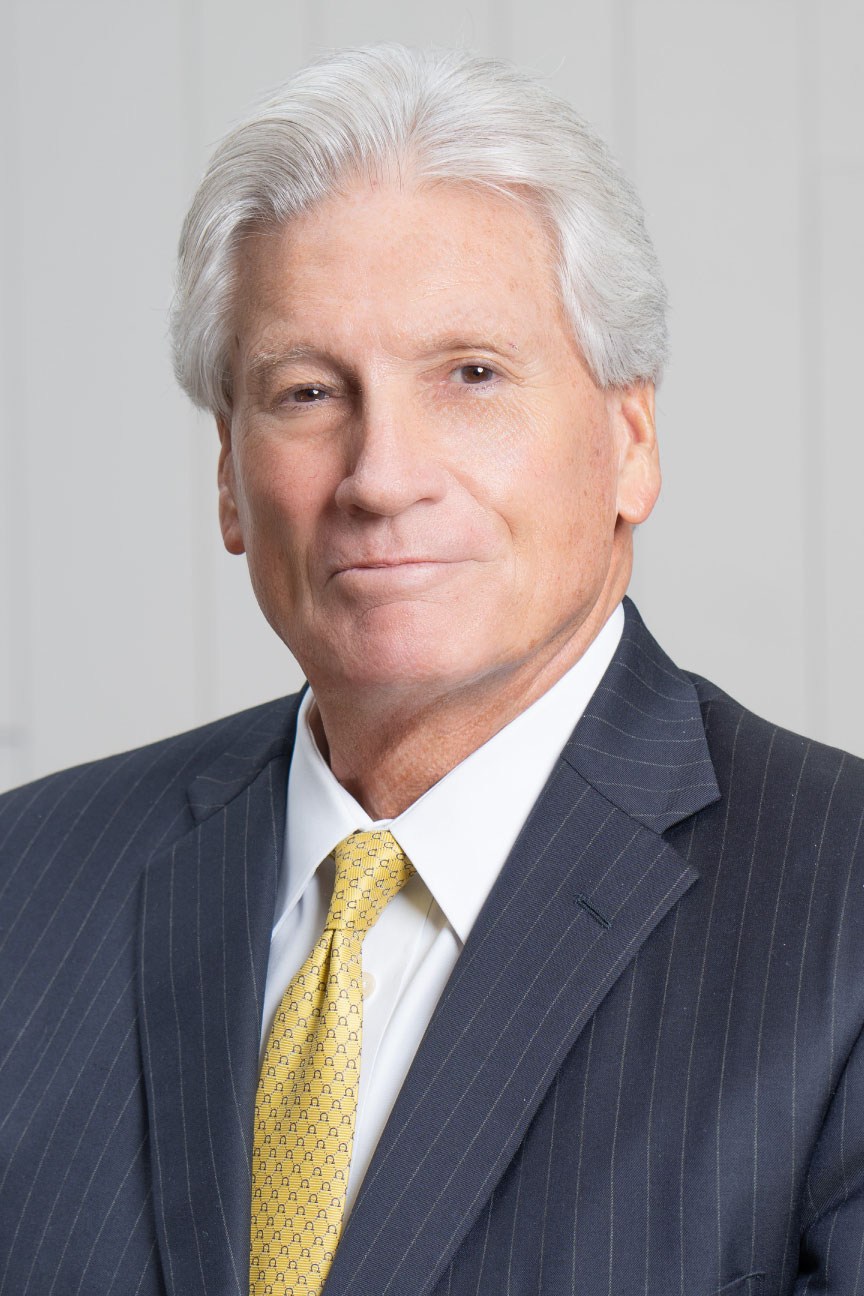
Kevin King and the Quiet Art of Keeping Money Close to Home
A lawyer spent years learning where risk hides in the fine print. Then he took charge of a two-branch St. Louis bank where trust, liquidity and local memory all have to balance.
Preferred Bank makes a business of staying lean
The Los Angeles lender pairs personal service with tight operating costs. Its history shows both the appeal of that approach and the price of reaching beyond it.

Codat wants your bank to read between the ledger lines
After years connecting business software, Codat is teaching commercial banks what to do with the data. Its next test is whether better information makes for a better conversation.
RBC Moved 780,000 Customers in One Weekend - Here’s the $1.4 Billion Playbook Banks Usually Hide
RBC’s biggest technology conversion moved more than 780,000 HSBC Canada clients onto its systems in a single weekend. The bank’s real product is not an account or an app - it is the operating system that connects them all, at enormous cost and with very little room for error.
BMO Spent $13.8 Billion to Buy Growth - Then Learned Where Bigger Wasn't Better
Canada's oldest bank bought a shortcut to the American West. The useful lesson is not the size of the deal - it is how BMO absorbed the conversion pain, cut what no longer fit and turned a sprawling footprint into a denser bet.

Carlos Rivera Is Teaching a Bank to Sell Before the Ask Arrives
At Webster Bank, Carlos Rivera is turning marketing from a library of materials into a working system for bankers. His method is patient, measurable and built for the constraints that make financial services difficult.
Capital One Built a Bank Like Software. Now It Has a Payment Network.
The credit-card upstart spent three decades turning data into a bank. With Discover's network and Brex's software now inside the company, its next test is whether one institution can make lending, payments and financial tools feel like a single product.
The 200-Year-Old Bank Betting on the Middle of the Market
A Cleveland bank with roots older than most of the states it serves is leaning into middle-market companies, digital lending, and a $2.8 billion vote of confidence from Scotiabank. Here is how KeyBank actually makes money - and who it makes money for.
Stephanie Whitlow and the Quiet Math of Trust
At Western Alliance Bank, Stephanie Whitlow has built a career translating complex institutions into clear promises - then making the organization keep them.

The 168-Year-Old Island Bank Making a $10 Billion Leap
First Hawaiian Bank has spent 168 years learning how to be local. Its proposed TriCo deal asks whether that advantage can cross the Pacific without losing what made the bank valuable in the first place.

The $4.6 Trillion Bank That Runs on Software
It moves trillions of dollars a day, employs more engineers than most tech companies, and answers to one of the longest-serving CEOs on Wall Street. Here is how a 227-year-old bank became a software business that happens to hold your deposits.

The Depression-Era Passbook Bank That Grew Into an $80 Billion Northeast Powerhouse
Started with $25,000 in Depression-era Waterbury, Webster now runs $80 billion in assets and a national health-savings business - and just agreed to sell itself to Santander for $12.3 billion.
The $80 Billion Bank That Started in a Chinatown Storefront
East West Bank spent five decades turning a Chinatown savings and loan into the financial bridge between the United States and Asia. Today it holds about $80 billion in assets - and still answers the phone in the language you grew up speaking.
The $99 Billion Bank That Wants Money to Stop Keeping Office Hours
Western Alliance built a national commercial bank out of specialist desks, local judgment and a willingness to learn odd corners of the economy. Its newest bet is that regulated dollars should move at the speed of the businesses using them.
The Bank That Put a Human on the Other End of the App
Frost is building branches while much of banking retreats into screens. The bet is simple: Texans still want good technology, but they also want a person to answer when money gets complicated.
The Green Machine Has to Learn a New Trick: Trust
TD built a continent-spanning bank by making money feel convenient and human. Now its next act depends on proving that ease, scale and exacting controls can live under the same green roof.
First Horizon Bank
First Horizon has spent 162 years learning a difficult banking trick: how to get bigger without becoming distant. Its wager is that Southern customers still want a banker who knows the market - plus the balance sheet, software and specialists of an $84.4 billion institution.
Atlantic Union Bank
Atlantic Union Bank grew from a $2,500 rural institution into a $38.1 billion Mid-Atlantic franchise. Its wager is that scale and local judgment can still share the same balance sheet.

Old National Bank
Old National has spent nearly two centuries turning local relationships into regional scale. Now the question is whether a $74 billion bank can keep the community-bank feel that made it valuable in the first place.
F.N.B. Corporation
F.N.B. grew from a bank run out of a Pennsylvania house into a $51 billion regional institution. Its next contest is subtler: making relationship banking work at digital speed without losing the local knowledge that built it.

SouthState Bank
It grew from a single 1933 South Carolina bank into a $65-billion Southeastern lender - and its biggest business is one most of its own customers have never heard of.

Renasant Bank
It started in a Tupelo bakery in 1904 with $100,000 and a promise to know its customers by name. A century and a $1.2 billion merger later, Renasant is still betting that relationships scale better than everyone assumes.
Santander US
Santander's American business is part neighborhood bank, part national auto lender and part digital-bank experiment. The connecting idea is simple: gather deposits more efficiently, then put that money to work across one of the world's largest financial markets.
CIBC
CIBC has spent 159 years changing the interface between people and money. Its newest chapter connects 15 million clients, four banking businesses and an old institutional habit: make the bank meet people where they are.
U.S. Bank
U.S. Bank has spent more than 160 years learning the sober work of holding money. Its next act is about making that old machinery disappear into apps, businesses and partnerships - without losing the discipline that made the franchise valuable.
Valley Bank
Valley Bank has spent nearly a century getting bigger without wanting to feel big. Now, with about $64 billion in assets and a push into partner banking, it is testing whether a regional lender can offer national-bank machinery with a relationship banker still attached.
Citi
Citi’s signature product is not a card or an app. It is a 214-year-old network that moves nearly $6 trillion a day - now being rebuilt for an always-on financial world.