legal-tech
(159)
The Patent Lawyer’s New First Draft
DeepIP put generative AI inside Microsoft Word, where patent attorneys already spend their days. The small interface decision reveals a much larger bet: the winner in legal AI may be the system that asks professionals to change the least.

Atrium Knew Exactly How It Might Fail
The Twitch co-founder raised $75.5 million to make startup law predictable. The warning that undid the experiment was hiding in plain sight - in his own interview.

The Filing Was Never the Problem. The Handoff Was.
PacerPro started by making PACER easier to search. Then it found the larger prize hiding in the most boring part of litigation: the three-to-five-minute relay that begins every time a document lands.

Atticus wants to be the lawyer you call before you know which lawyer to call
A disability claim can turn illness into a second job. Atticus offers free guidance, finds specialist lawyers, and earns its share when clients win. The business is built around getting that first call right.

VinciWorks wants your staff to stop clicking and start thinking
The compliance company built its early business around a pact between law firms. Now it sells editable courses, automated workflows and AI conversations - with a railway training overhaul showing what the combination can do.

Summize wants your contracts out of the inbox queue
The Manchester company puts contract work inside Word, Slack and Teams. Its customers reveal why the real breakthrough often starts before anyone switches on the AI.

Leah Wants to Put the Contract in Charge
The company formerly known as ContractPodAi is betting that the agreement behind a deal can also drive the work after it. Its next test is getting legal, procurement, and finance to act together.

The Paperwork Factory Behind 20 Million Investment Documents
Structured products are sold as financial ingenuity. Behind them sits a paperwork problem of industrial scale - and WSD has spent more than 15 years turning that mess into infrastructure.

The Email Tool That Learned to Read a Law Firm's Room
Concep found a durable business in the chores behind professional-services marketing: the RSVP that never reaches CRM, the partner who cannot see a click, the contact list already going stale. Then legal-tech consolidator Litera bought the plumbing along with the pipefitters.

CTS Built the Cloud Beneath British Law. Then One Outage Changed the Verdict.
For years, CTS sold law firms a persuasive idea: specialist technology, one accountable partner, fewer moving parts. Its rise - and the cyber incident that forced its MSP arm into a sale - is a case study in both the power and the peril of concentration.

Ironclad Wants Your Contracts to Stop Playing Hide-and-Seek
The enterprise contract platform turns approvals, redlines, signatures, obligations, and renewals into one visible process. It is built for teams with enough contract chaos to justify fixing the plumbing.

Luminance Wants Contracts to Remember Why You Said Yes
The Cambridge legal-AI company is turning contract history into institutional memory. For teams buried in redlines, renewals and mystery clauses, that is a useful promise - provided the enterprise price and setup make sense.

Cristina Rossman Built a Marketing Career With an Engineer’s Blueprint
Across 24 years at Morningstar and Relativity, Cristina Rossman made a specialty of translating complicated products into ideas people could trust - while learning to tell a more complicated story about herself.

Tom Furr Quit School at 16. Then He Stopped Apologizing for Being a Brand Marketer.
The DISCO CMO built a career by making complicated technology easier to notice. His more useful trick was learning that a specialist point of view could open doors once he quit trying to disguise it.

Nate Skinner Learned Marketing by Standing Where the Customer Stands
He started in a software lead queue, spent a decade selling and demonstrating products, then crossed into marketing with a healthy suspicion of marketers. Twenty-five years later, that field education shaped a career built around customer language, clear decisions, and one ambitious corporate reinvention.

Devinder Jeet Singh Spent a Decade Making Contracts Interesting
He joined Sirion when contract software meant forms and workflows. Ten years, two continents and one 1,200-registration webinar later, he is its CMO - selling the idea that the fine print can become working business intelligence.

Dan Azeroual Saw a Business Hiding Under New York’s Windshield Wipers
A friend had too many parking tickets. Azeroual supplied the app idea, found the missing operator and helped turn a curbside nuisance into a legal-tech company.

Mary Williams Left Legal AI for a Software Mission Close to Home
After marketing law, creators, performance and AI, the Minnesota operator chose Valant for a reason that arrived through her own family. Her career is a study in making complicated products legible - and then building the team to sell them.

Trish Stromberg Builds the Revenue Engine Before She Polishes the Hood
A chance job listing pulled her into workforce software. Nearly three decades later, Trish Stromberg is still turning market insight into positioning, pipeline and teams that can carry the weight of growth.

Rachel Bryant Is Betting Legal Tech’s Marketing Budget on the Product
After 25 years in B2B software, a four-and-a-half-year consulting chapter and 30 podcast episodes, Actionstep’s new marketing leader has a plain-spoken thesis: trust is earned in the product, not rented from a celebrity.

Leslie Olsen Learned Leadership Before She Learned the Language
Before the C-suite came a mountain, a self-made semester in Paris, and a ski-town promotion she did not expect. Those early choices still explain how Ontra's chief marketing officer thinks about customers, teams, and the discipline of staying focused.

Norm AI Puts a Lawyer in the Machine
The enterprise AI boom created more work for the people paid to say no. Norm AI gives them agents that read the rules, show their work, and help the business move before the queue becomes a traffic jam.
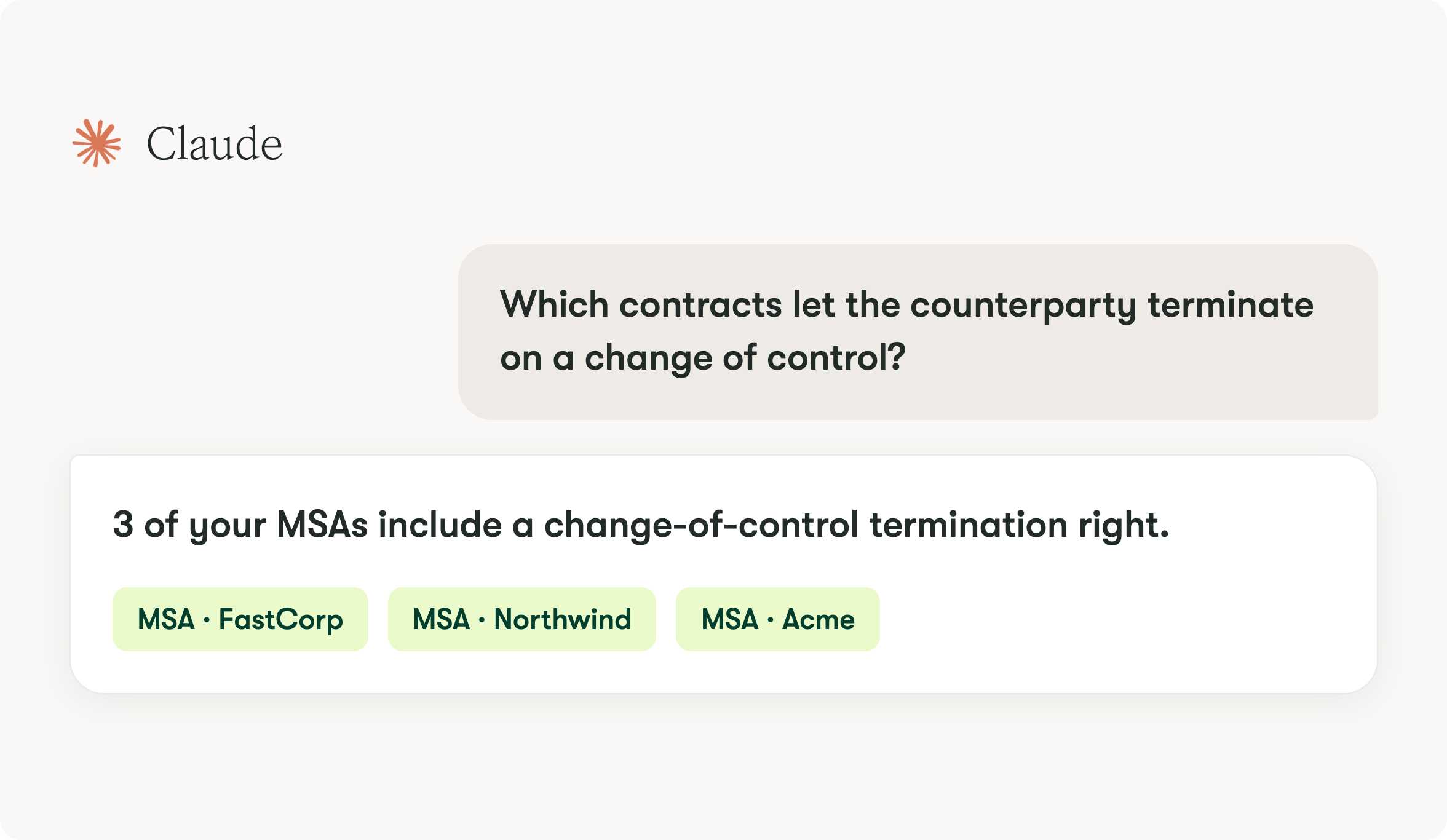
Juro Wants to Make Contract Purgatory Someone Else’s Job
Contracts are where momentum goes to wait for an attachment. Juro puts the draft, redlines, approvals, signature, data, and increasingly the busywork itself into one browser tab - if your team has enough contract volume to justify the bill.

Biju Muduli Spent Two Decades Learning What Makes Enterprise Buyers Move
Her route from electrical engineering to the C-suite runs through CRM systems, global demand engines, cybersecurity and now agentic contract software. The connecting idea is simple: make complicated technology legible, measurable and useful.

Alon Waks Wants B2B Marketing to Stop Chasing Sardines
SpotDraft's CMO has spent two decades stripping the theater out of enterprise marketing. His prescription is unfashionably practical: choose the buyer, reduce the noise, earn trust, and measure what comes back.

Everlaw Spent 15 Years Organizing the Evidence. Now AI Wants the Keys.
A Berkeley computer scientist wandered into a lawsuit and found an industry buried in files. Everlaw turned that paperwork problem into a $2 billion cloud business - and is now positioning itself as the evidence layer beneath legal AI.

Centerbase's Bet: The Messiest Part of a Law Firm Is Also Its Profit Engine
The Dallas software company built one system for the work lawyers do and the money their firms collect. Its best argument is not futuristic AI - it is getting an invoice out before everyone forgets where the time went.
Filevine Turned a Lawyer’s Software Headache Into a $400 Million Bet on Legal AI
The Utah company began as an escape from legal software that forced firms to work someone else’s way. A decade later, its configurable case system has become the foundation for a broader - and much more expensive - legal intelligence campaign.

Intapp Built a $578 Million Business on the Work Nobody at a Law Firm Wants to Do
Generic software treats every company alike. Intapp made the opposite bet - that law firms, dealmakers and advisers will pay for software that already knows their rules.
The Legal Cloud Bet That Took 27 Years to Look Obvious
NetDocuments put lawyers' files in a browser before SaaS had a name. Now it is trying to turn those files into the context layer that makes legal AI useful - without letting confidential knowledge slip past the ethical walls.