venbio
(3)
Neurogastrx, Inc.
Neurogastrx is a Woburn, Massachusetts biopharmaceutical company developing therapies for gastrointestinal disorders rooted in the enteric nervous system. Its lead candidate, NG101, is an oral, peripherally acting dopamine D2 receptor antagonist (a proprietary mesylate salt of metopimazine) in late-stage development for gastroparesis and for the nausea and vomiting that limit GLP-1 weight-loss and diabetes drugs. Backed by roughly $105-125M from OrbiMed, 5AM Ventures and venBio, the company reported Phase 2 data in 2025 showing sizable reductions in GLP-1-induced nausea and vomiting.

Insamo
Insamo is a Berkeley-based biotechnology company spun out of UC Berkeley that is building membrane-permeable, orally available macrocyclic peptides with antibody-like binding affinity. By pairing machine-learning-driven molecular design with ultra-high-throughput molecular biology and parallel synthetic chemistry, Insamo runs automated design-synthesize-test cycles that generate trillions of proprietary data points - aiming to turn today's injected biologics into pills and to hit drug targets long considered undruggable. The company launched publicly in February 2024 with a $12M seed round led by Playground Global, venBio, and Merck's MRL Ventures Fund.
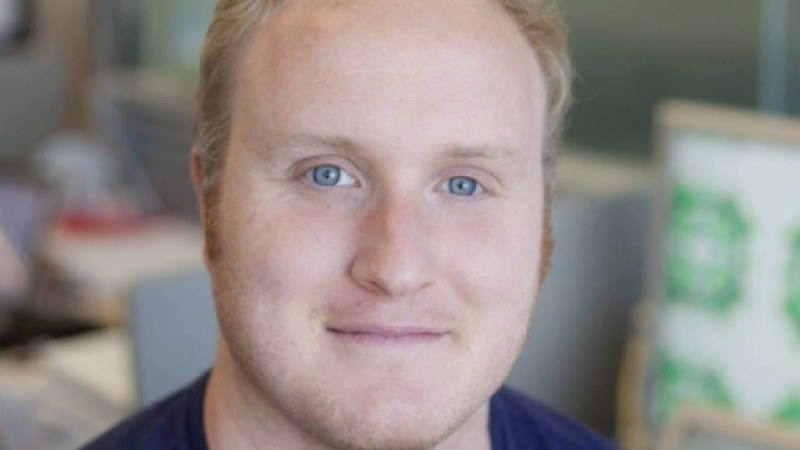
Timothy Craven
Timothy Craven is the co-founder and CEO of Insamo, a Berkeley-based biotech using machine learning, ultra high-throughput biology, and parallel chemistry to design membrane-permeable, orally available macrocyclic peptides with antibody-like binding. A computational chemist trained in the Nobel-winning lab of David Baker, Craven started Insamo from a grad-school concept with $20,000 of his own money and grew it into a Berkeley-Sydney team backed by a $12M seed from Playground Global, venBio, and Merck's MRL Ventures Fund. His pitch is blunt: turn $30,000 injectable biologics into pills.