identity
(15)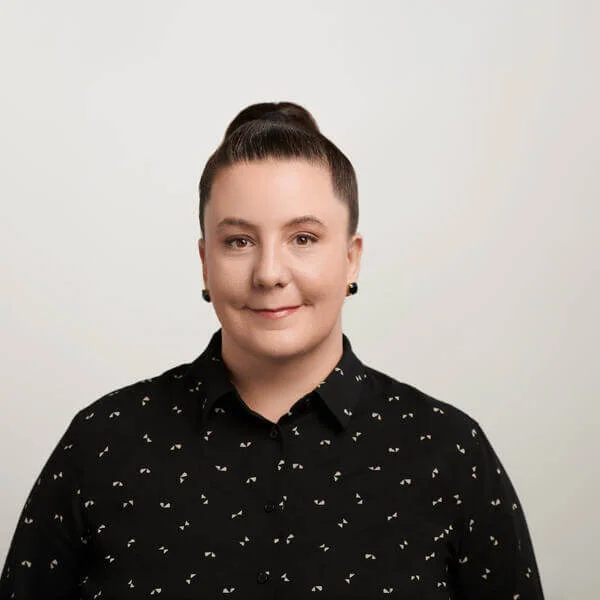
Kerry Ok Sells Trust for a Living
She built a career marketing the least glamorous product in tech - the login box - and turned it into a story about who you are online.
BigchainDB
BigchainDB is a blockchain database offering decentralization, immutability and native assets.
Portnox
Portnox is a cloud-native access control company that unifies Network Access Control (NAC), RADIUS, TACACS+, and passwordless conditional access for applications into a single zero-trust platform. Founded in 2007 by a team from the Israeli Air Force and now headquartered in Austin, Texas, Portnox removes the appliances, VMs, and specialized staff that traditional NAC requires, letting organizations authenticate users and devices, assess endpoint risk, and enforce compliance across wired, wireless, and remote networks from the cloud. It serves more than 1,000 organizations across healthcare, finance, manufacturing, and technology.

Johan Brissmyr
Johan Brissmyr is the CEO and co-founder of Castle, a security company that helps online businesses detect fraud, bots, and account takeover in real time. A computer scientist from Lund University, he started building web products in Malmo, Sweden before moving to Silicon Valley through Y Combinator and relocating the company to New York. Castle grew out of a password-storage side project that revealed a bigger opportunity in behavioral risk scoring, and today combines device fingerprinting, behavioral signals, and analytics into APIs used by companies of many sizes.

Arcade.dev
Arcade.dev builds the secure action layer for production AI agents. Its platform gives agents delegated, per-user authorization to act inside real business systems - Gmail, Slack, GitHub, Salesforce and thousands more - by handling OAuth, token management, policy enforcement, tool execution and audit logging. Founded in 2024 by former Okta VP Alex Salazar and ex-Redis engineer Sam Partee, Arcade offers 8,000+ agent-optimized tools and authored the MCP authorization specification adopted by Anthropic. The company has raised $72M total, including a $60M Series A in June 2026.

Smallstep
Smallstep is a San Francisco cybersecurity company building the first hardware-backed device identity platform. Founded in 2016 by Mike Malone, it grew out of the widely used open-source step-ca project - a private certificate authority and ACME server - and now sells enterprises a way to bind access to Wi-Fi, VPNs, SaaS apps and SSH to verified hardware. Its co-developed ACME Device Attestation standard, built with Google at the IETF, uses hardware co-processors to stop credential theft, phishing and impersonation. Smallstep has raised $26M and was a 2025 RSAC Innovation Sandbox top-10 finalist.
Oren Harel
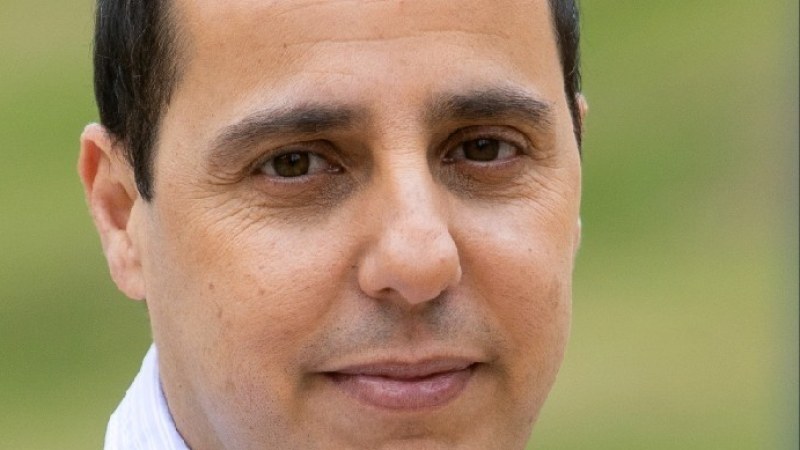
Oren Ohayon Harel is the CEO and co-founder of PlainID, the Tel Aviv- and New York-based authorization company that turned policy-based access control (PBAC) from an XACML white paper into a category. He founded PlainID in 2014 with Gal Helemski and Dmitry Tuchinsky after a decade spent inside Israeli banking security, most recently as Deputy CISO at Bank Hapoalim. He raised a $75M Series C led by Insight Partners in December 2021, bringing PlainID's total funding to roughly $100M.

Wyly Wade
Wyly Wade is the CEO of Biometrica Systems (also operating as Safience), a Las Vegas and Virginia-based company that links physical and digital information to help prevent crime, identify threats, and recover victims. A self-taught coder who published his first video game at age ten and fixed a bug in Lotus Notes 4 while barely out of his teens, Wade has spent more than two decades at the intersection of biometrics, cybersecurity, and public policy. He helped build biometric standards for the U.S. passport, advised the ICAO on e-passports, and was part of the founding core team behind India's Aadhaar, the largest biometric identity program on Earth. Today he is pushing Biometrica toward a privacy-first, biometric-free model of threat and victim detection.
AppOmni
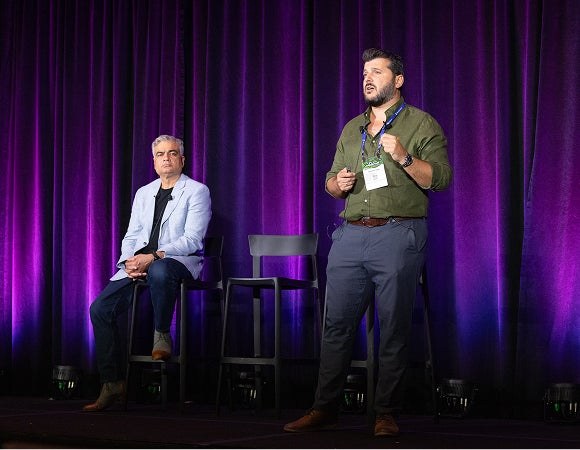
AppOmni is a SaaS Security Posture Management (SSPM) platform that gives enterprise security teams continuous visibility, threat detection, and policy enforcement across business-critical SaaS apps like Salesforce, Microsoft 365, ServiceNow, Google Workspace, and Workday - plus the AI agents now plugged into them.

Teleport
Teleport is the infrastructure identity company. Its open-source Access Platform replaces shared secrets, VPNs, and long-lived credentials with short-lived cryptographic identities for humans, machines, and AI agents accessing servers, Kubernetes clusters, databases, applications, and Windows desktops.
Sift
Sift is the AI-powered digital trust and safety platform that helps businesses stop fraud without blocking good customers. Founded in 2011 in San Francisco, it analyzes more than a trillion events per year across a global data network covering 34,000+ sites and apps, scoring transactions, logins, and content in real time so companies like DoorDash, Twitter and Yelp can grow revenue while keeping bad actors out.

Zain Zaidi
Zain Zaidi is the co-founder and CEO of TransCrypts, a blockchain-powered credential and employment verification platform he started after struggling to access his own college transcript as an SJSU student. Backed by Mark Cuban, Pantera Capital, and Techstars, he has grown the company to 450+ enterprise clients and 4 million users across 9 countries, raised $18M+, launched JustScreen (the world's first free background check service), and earned a spot on the Forbes 30 Under 30 list in 2026 — all before turning 30. His platform has also helped over 4,000 Ukrainian refugees access medical records.

Aigerim Shorman
Aigerim Shorman is VP of Product Management for Meta's Horizon product, where she leads the platform connecting billions of people across virtual worlds. Born in Kazakhstan, she bootstrapped her way from community college to USC, taught with Teach For America, worked at UBS, and co-founded Triptrotting - a travel startup that raised $1.8M and grew to 150+ countries - before joining Meta where she built the avatar system used by 3+ billion people. One of the most senior women in Meta's metaverse organization, she's also an angel investor backing early-stage consumer and social startups.

Amanda Mull
Amanda Mull is a senior reporter at Bloomberg Businessweek and one of the sharpest observers of American consumer culture. Writing the 'Buying Power' column, she dissects how everyday purchases shape identity, politics, and society - bringing a decade of retail experience and almost six years at The Atlantic to one of journalism's most under-examined beats.

You Can Finally Change Your Gmail Username — And It's Not a Drill
After 20 years of immutable Gmail usernames, Google finally rolled out the ability for personal @gmail.com users to change their email address — keeping all data intact while converting the old address into a permanent alias. The feature launched in the U.S. in March 2026 after being spotted in Hindi support documentation in December 2025, marking the biggest identity infrastructure change in Gmail's history.