conversational-ai
(428)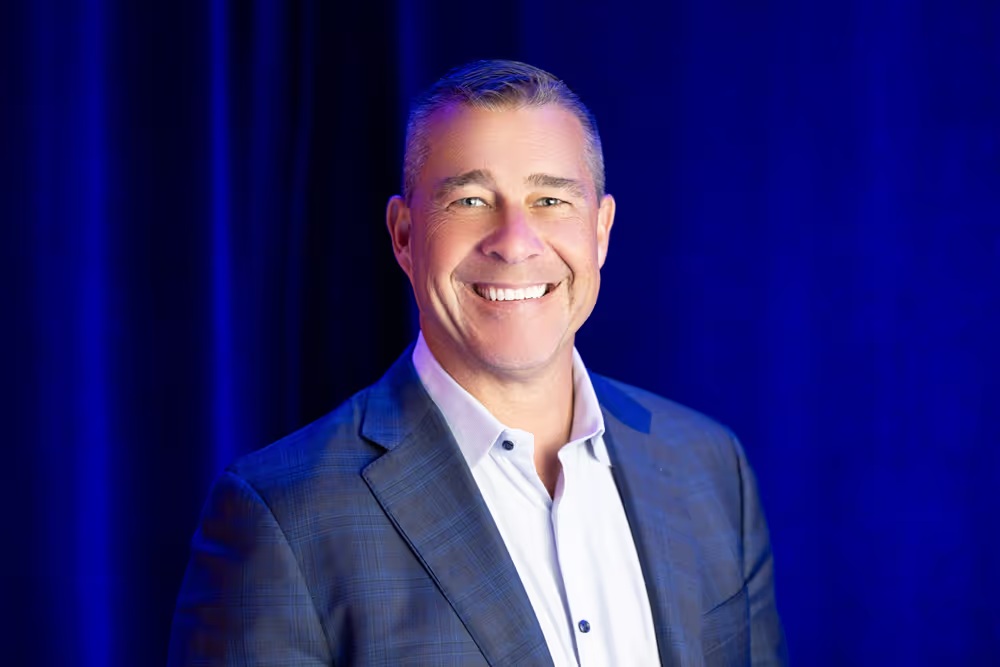
T. Brett Chisholm and the business of being understood
Before the AI rush, T. Brett Chisholm was working on a familiar problem: helping customers reach someone who could help. NeuraFlash turned that long apprenticeship into a business that joined Accenture in 2025.

Vatsal Ghiya and the art of teaching machines to listen
Before an AI assistant can answer, somebody has to teach it what people sound like. Vatsal Ghiya built Shaip around that painstaking work, alongside a business partner he first knew as a university roommate.
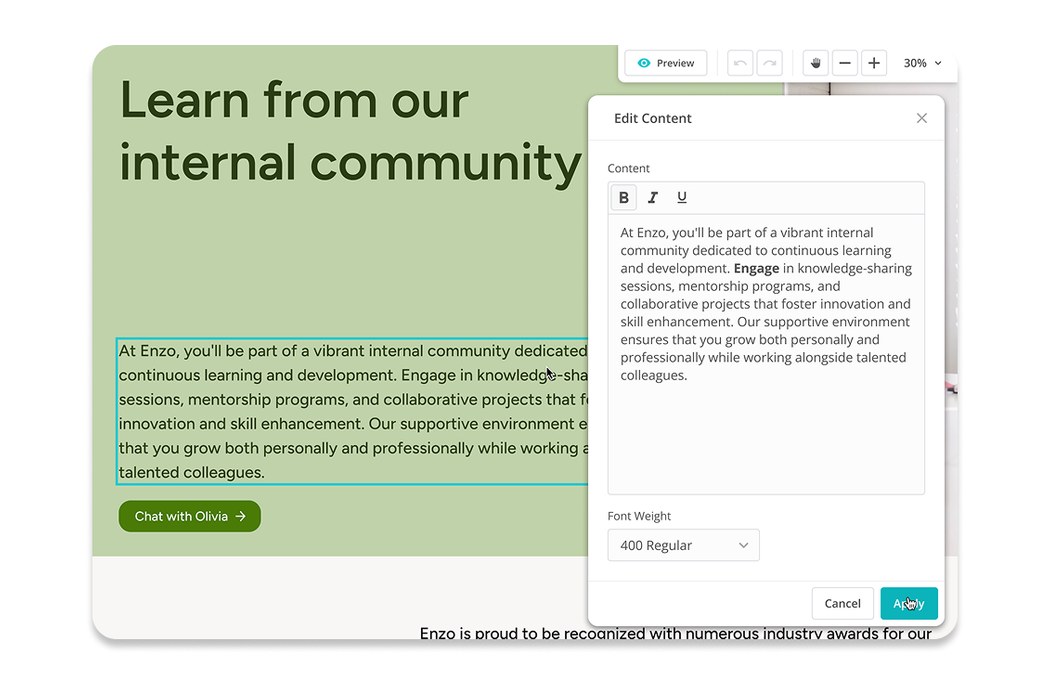
Recruiting.com: Make the next step easy.
A career site can lose a candidate before a recruiter ever says hello. Recruiting.com built a business around that awkward gap - and its current home at Paradox makes the conversation part of the product.
Deflect.ai: An exit from hold music
Deflect.ai brought a practical proposition to the contact center: keep the phone system, change where the conversation goes. Its 2020 banking push shows why the handoff matters as much as the bot.
SmartAssist.ai: Give the queue an exit.
Kore.ai built SmartAssist to move routine requests out of the phone queue and carry the conversation to a human when needed. Its most useful idea is simple: the customer should never have to start again.
Navsoft makes the systems talk
Before a business can talk to its data, its systems have to talk to each other. Navsoft has built a business around that awkward conversation.
Shaip teaches AI to pay attention
A voice assistant needs more than a voice. Shaip supplies the recordings, labels, and human judgment that help AI make sense of the world - from a doctor’s dictation to a robot’s next move.

Yelp’s next act starts with a leaky pipe.
The company famous for restaurant reviews makes most of its money elsewhere. Its next wager: help local businesses turn a stranger’s search into a booked job.

Max Child and the birthday present that changed the game
A restaurant critic, a college roommate, and an Alexa birthday gift helped set Max Child on the path to voice games. Now the Volley co-founder is taking that experiment to the television under a new name: Weekend.

Why Al Lalji keeps the old software in the room
From enterprise dashboards to conversational AI, the SmarTek21 founder has kept returning to a practical question: how do you make new technology work with the business people already have?

Kylan Gibbs and the Art of Keeping a Conversation Alive
He began with a question about human behavior and helped build a company around characters that could answer back. Now the Inworld AI co-founder is working on the less theatrical business of making those conversations fast, affordable, and worth having.

Ilya Gelfenbeyn and the Computer That Could Take a Hint
Before Inworld’s virtual characters, there was a phone assistant with millions of users. Ilya Gelfenbeyn has spent his career working on the awkward distance between what people say and what computers understand.

Ganesh Gopalan and the other IPL
Before voice AI became fashionable, Ganesh Gopalan and his co-founder were collecting the untidy sounds of everyday India. The Gnani.ai CEO’s wager is that useful intelligence begins by listening to people as they are.

Don White and the question that wouldn’t leave the ballpark
A search for bacon on a stick helped shape Satisfi Labs. Its co-founder has spent the years since asking how much a conversation can actually get done.
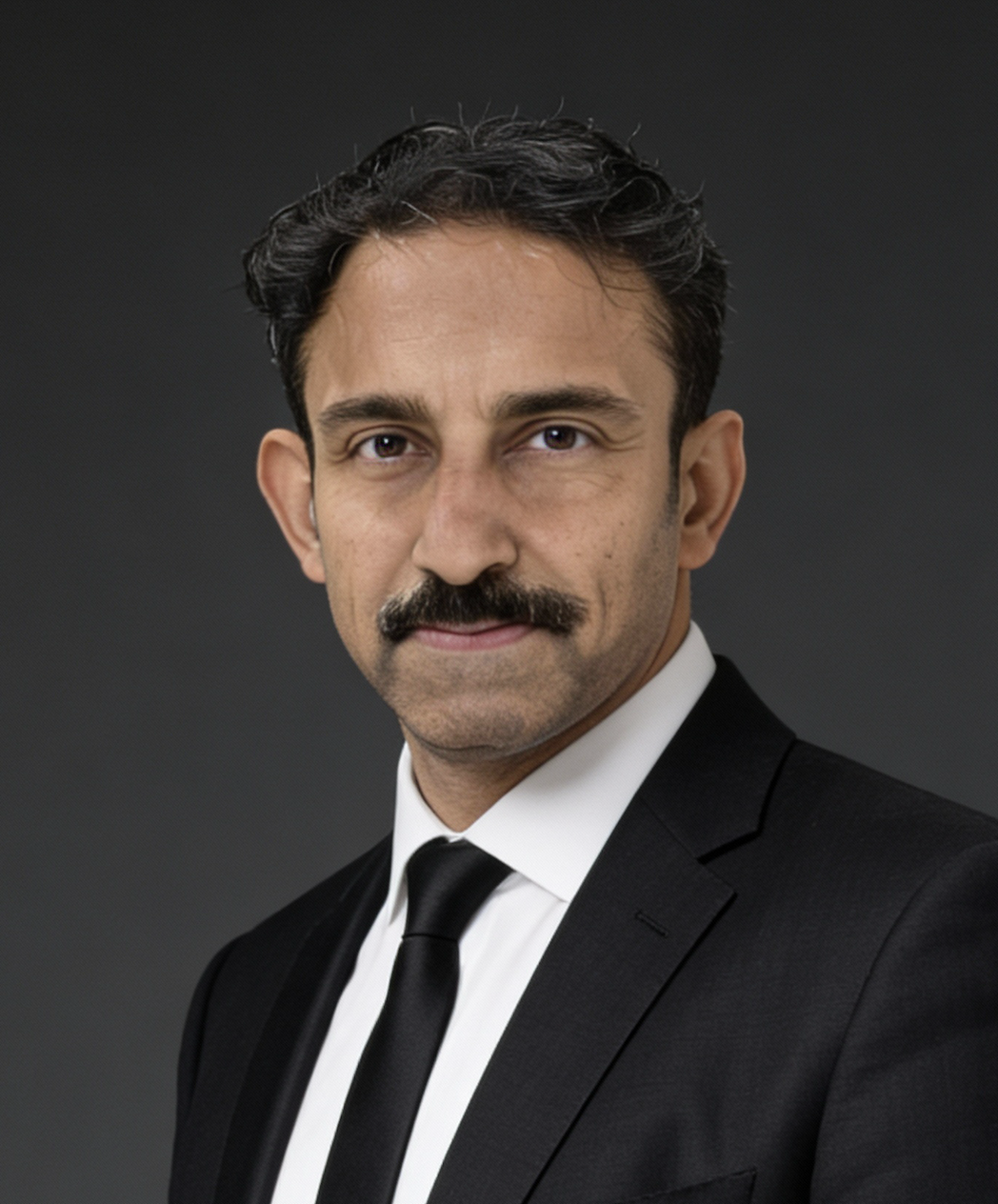
Alex Roy Rajan and the Art of Paying Attention
A ski instructor watched him fall and changed the lesson. The SalesboxAI founder wants business software to learn the same courtesy.

Puneet Mehta and the case for a quieter machine
Before Netomi, Puneet Mehta built trading systems and an app for navigating New York. His next wager is that useful AI should leave customers with fewer reasons to ask for help.
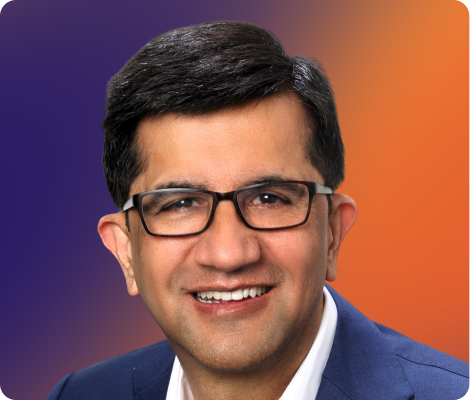
Ashhad Syed and the business on the other side of hello
His smartphone chat idea arrived before its customers were ready. Ashhad Syed found a more durable problem in the unanswered enquiry - and built ApexChat, now Blazeo, around helping businesses respond.
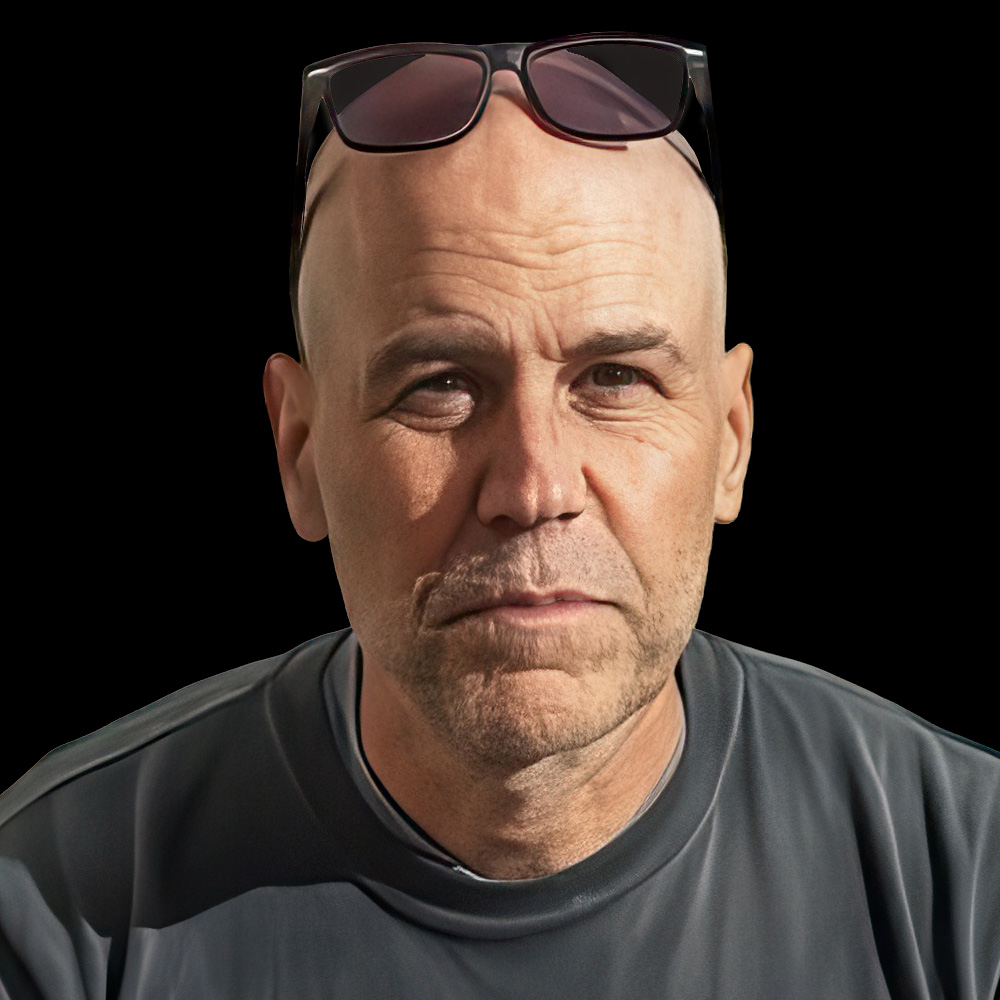
Robb Wilson and the art of making the machine disappear
Before he built conversational AI, Robb Wilson worried about film editors losing decades of craft to a computer screen. The OneReach.ai co-founder is still working on the same problem: how to give people more power without making them learn the machinery.
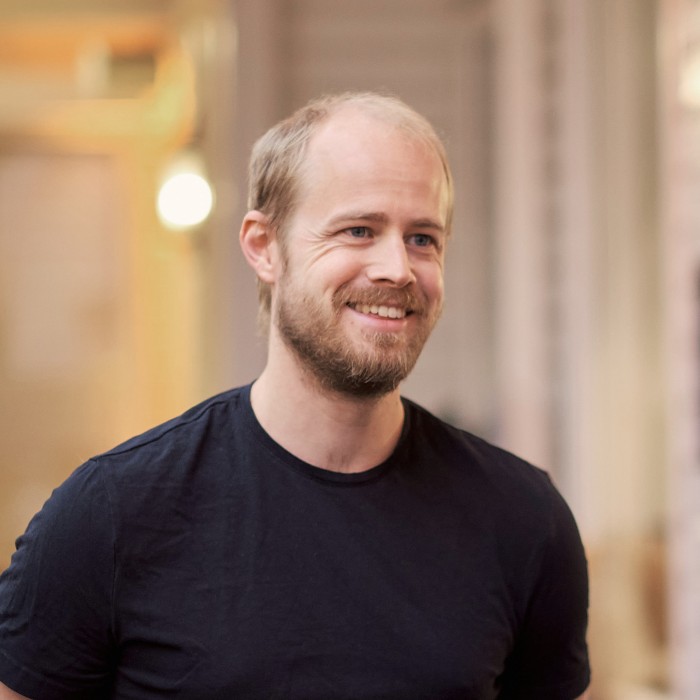
Lars Ropeid Selsås and the code he brought home
He left a master’s degree unfinished, spent three years in Silicon Valley, and returned to Norway with software worth building a company around. At boost.ai, Lars Ropeid Selsås has kept coming back to the same question: what actually works?
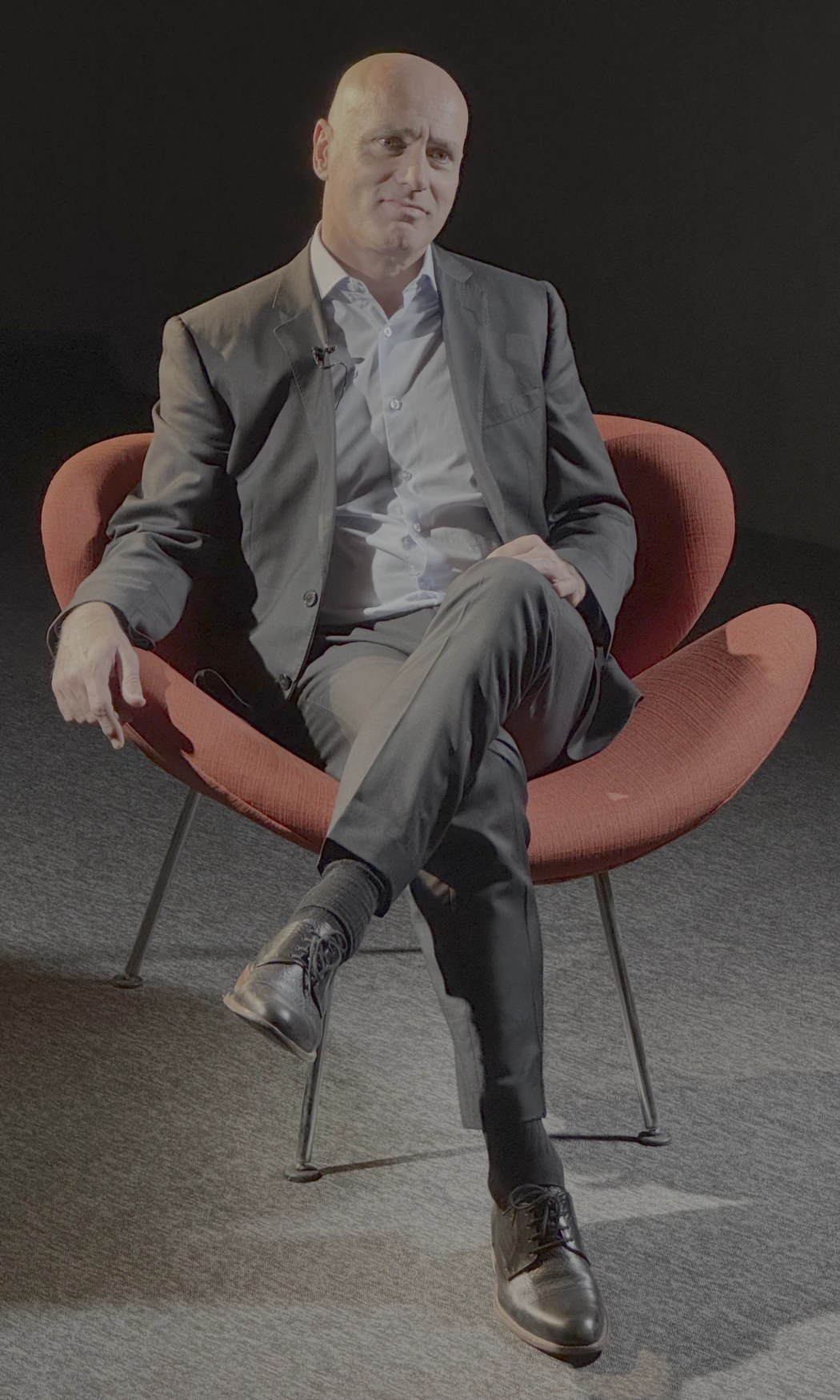
Jordi Torras and the trouble with a correct answer
He built Inbenta to help computers understand a question. With Guanta, the Barcelona entrepreneur is taking on the harder business of getting something done.

James Barham and the business of knowing less
He helped build PCI Pal around a simple proposition: a payment can succeed without a call centre seeing your card details. A move to Charlotte, a network of partners and the arrival of conversational AI have given that idea a much larger stage.
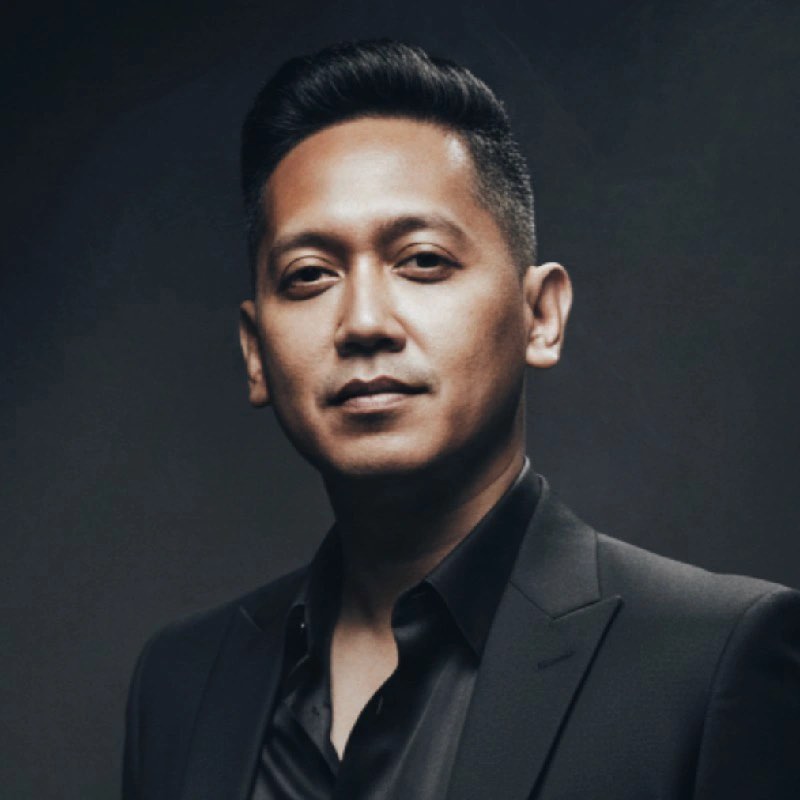
Ditto Anindita and the Customer Who Would Rather Chat
He made airline booking simpler. Customers kept asking questions anyway. Ditto Anindita built Botika around that stubborn preference, then followed the conversation from travel agents to railway stations and voice AI.
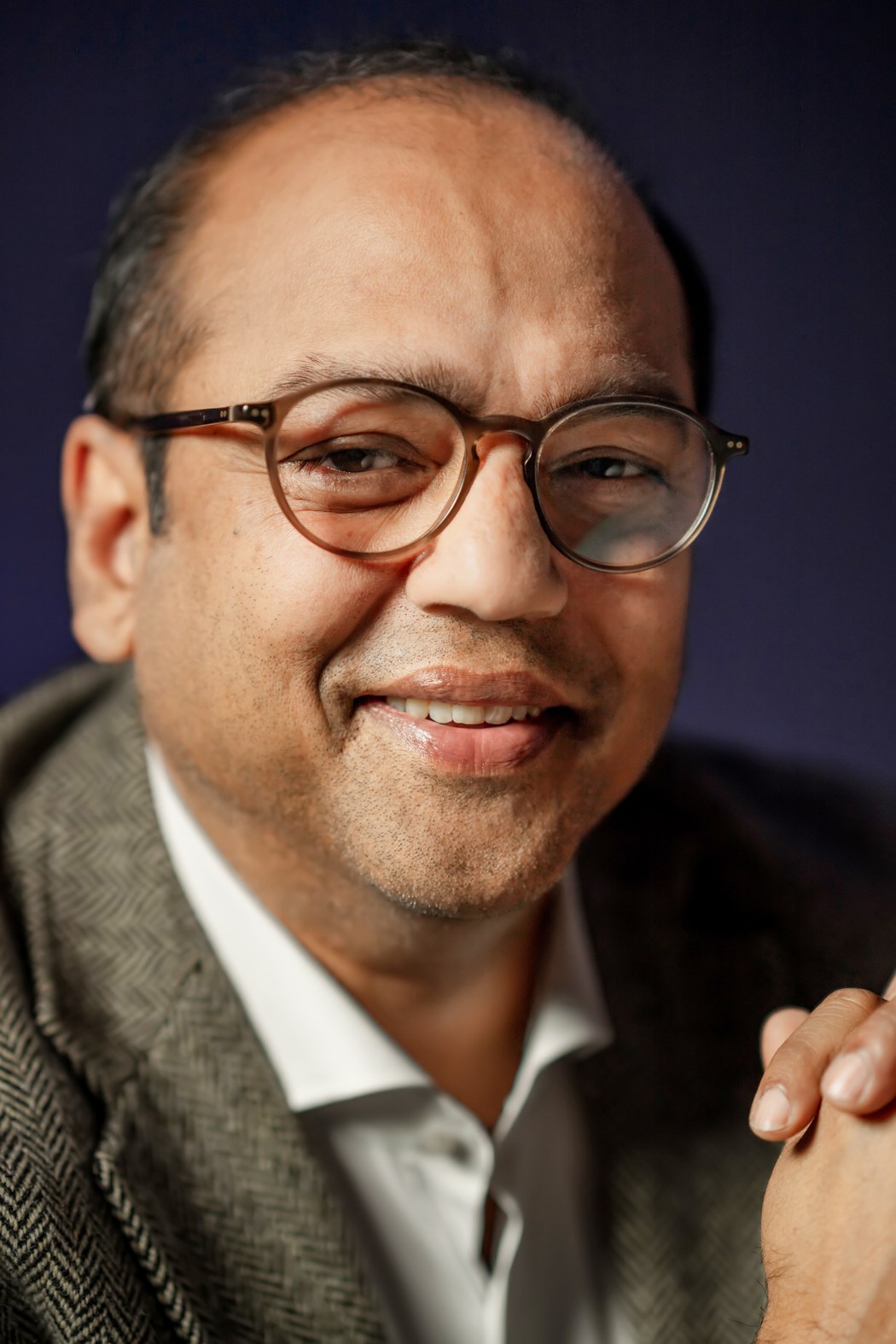
Ajay Agrawal and the Life of a Promise
A Wall Street lawyer left legal services to pursue an awkward question: who checks whether a contract actually delivers? At Sirion, Ajay Agrawal has spent more than a decade building an answer.

Michael Whife and the Art of Being Local Everywhere
After building Selling Simplified and selling it to IDG, Michael Whife returned with Demand AI. His next chapter pairs conversational AI with a conviction he has held for years: understanding buyers starts with getting closer to them.

Kevin Gao and the art of doing less
He started Comm100 with six products, then put his resources behind one. Kevin Gao’s long pursuit of better customer conversations has depended on knowing when to narrow the job.
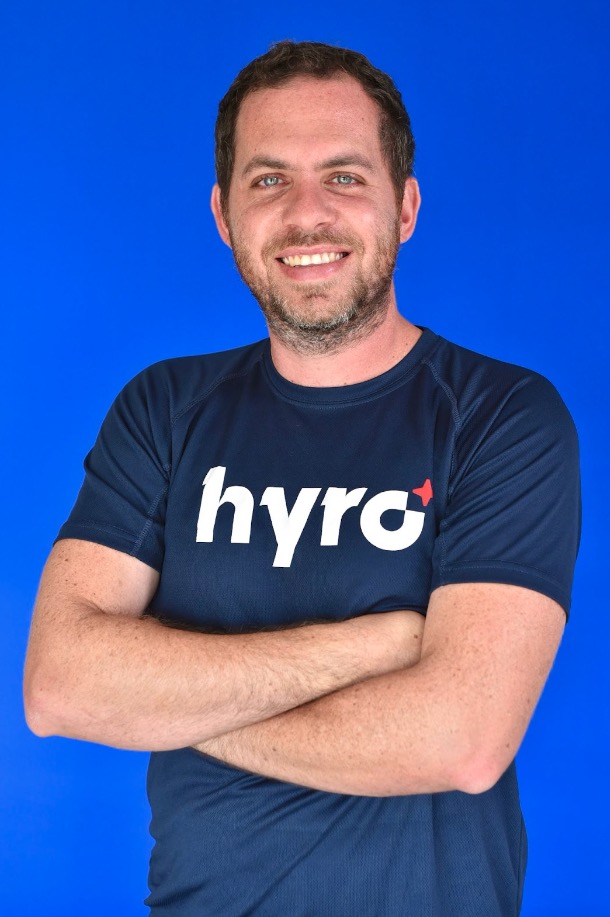
Israel Krush and the trouble with easy answers
A childhood bargain bought him time with Mario. A machine-learning elective introduced him to his co-founder. For Hyro’s Israel Krush, curiosity has a habit of becoming a job.

Tanmaya Jain and the business of being heard
He started inFeedo in college, nearly gave up, and found a way forward by asking better questions. For Tanmaya Jain, the enduring experiment is whether a growing company can keep listening.
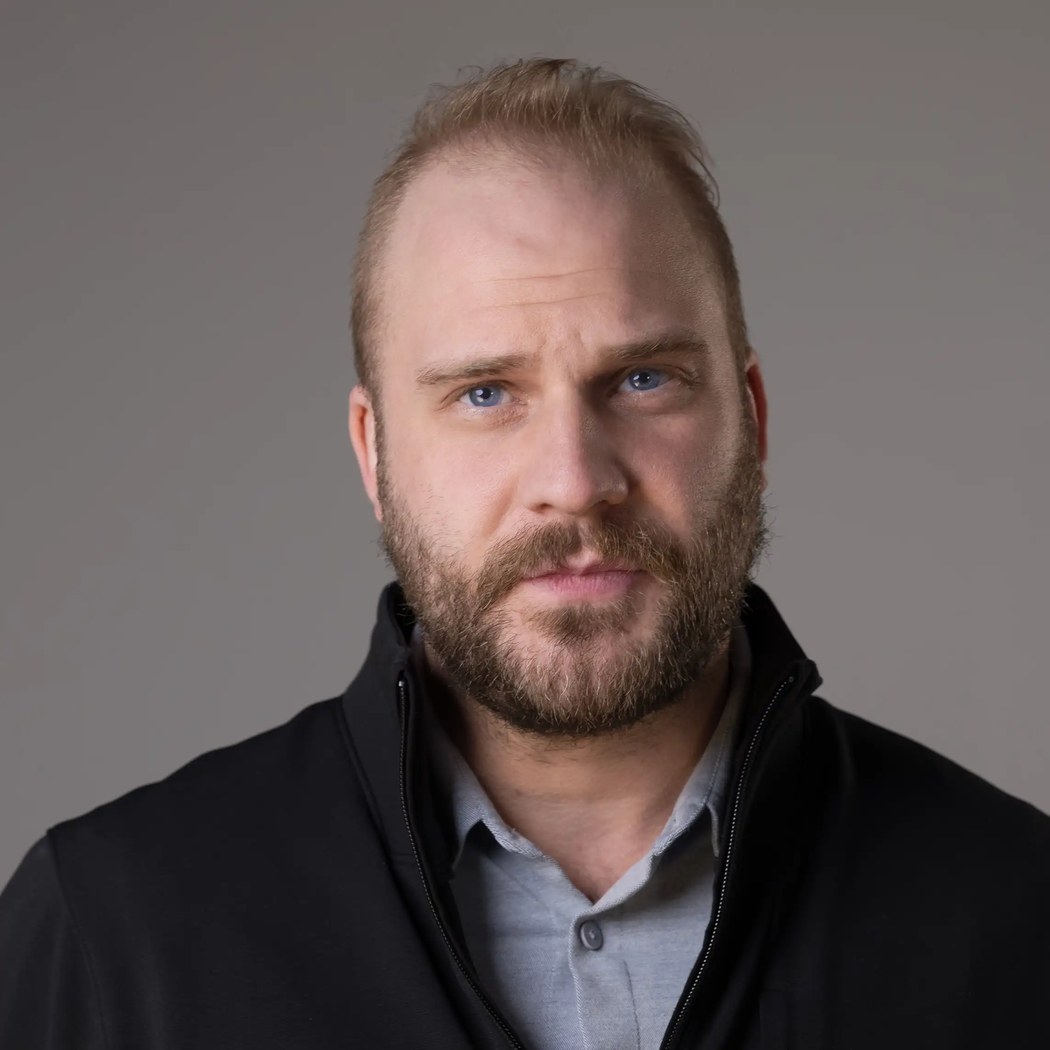
Sylvain Perron and the trouble with being understood
A programmer tired of answering the same questions built Botpress to make software understand people. Years later, Sylvain Perron is still working on the conversation that started it all.

NeuraFlash makes AI answer the phone.
The hard part of customer service AI is everything behind the conversation. NeuraFlash built a business connecting those pieces - and Accenture bought it.

Braden Ream and the business hiding inside the bedtime story
Before Voiceflow built tools for AI agents, it made children’s stories for Alexa. Braden Ream’s education began when the stories attracted an audience and the tools attracted a business.