Tagged: chatgpt
28 results
Fashion AI Visibility
Fashion discovery is moving from search engines to answer engines. When shoppers ask ChatGPT, Gemini, Claude or Perplexity for the best minimalist label or the most sustainable brand, the names that surface are not the biggest ad spenders but the brands with the most public, structured knowledge for AI to cite. This YesPress Newsroom analysis lays out what large language models look for, why many direct-to-consumer fashion brands underperform despite strong paid-social businesses, and how an always-on newsroom turns internal expertise into compounding, citable assets.

What ChatGPT Actually Knows About Your Company
When a customer asks ChatGPT about your company, the answer is not pulled from your website in real time. It is assembled from what the model absorbed during training - Common Crawl web pages, Wikipedia, news, reviews, Reddit threads, job postings and structured databases like Crunchbase and Wikidata - frozen at a knowledge cutoff months before the model shipped. This story explains where that knowledge comes from, why it drifts stale, how gaps and old narratives creep in, and what companies can actually do to correct the record.

The AI Visibility Audit (Step-by-Step)
The AI Visibility Audit is a step-by-step method for checking how ChatGPT, Claude, and Gemini describe a brand. It runs a set of buyer-intent prompts across each engine, measures whether answers stay consistent, flags hallucinated or outdated facts, surfaces missing product knowledge and use cases, and turns the gaps into a ranked list of fixes. The goal is simple: know what the machines are saying about you before your customers ask them.
YesPress
YesPress is an editorial engine built for the age of answer engines. It gives a company its own always-on newsroom, publishing structured stories under the company's own name so that ChatGPT, Gemini, and Perplexity have an authoritative public record to cite. The pitch is blunt: your next customer starts with an AI assistant, not your homepage, and AI can only recommend what it can understand. YesPress turns launches, wins, and expertise into machine-readable stories, shipped within 24 hours with entity markup, then tracks which engines quote them.

The AI Content Consultant
Every platform shift mints a new profession. SAP gave us the SAP consultant. The mobile and search era gave us the certified digital marketer. YesPress argues the AI era is minting its own role - the AI Content Consultant - and is opening a training program to build the first cohort. The pitch: learn Answer Engine Optimization, help companies become the answer that ChatGPT, Perplexity and Google AI Overviews cite, and get in early on a job title that barely exists yet.

Ken Ono: The Mathematician Who Stopped Racing the Machine
Mathematician Ken Ono recounts the year that upended his identity: hired to invent problems hard enough to stump ChatGPT for the FrontierMath project, he discovered that large language models now know more facts than any human alive. Rather than despairing about how to 'stay ahead of AI,' Ono argues that is the wrong question entirely. He reframes intelligence as the human capacity to ask new questions, create concepts, and connect ideas across fields, weaving in the story of self-taught genius Srinivasa Ramanujan, his own near-dropout youth, and a plea to rescue the wonder that machines can never replicate.
The AI Bill Has Come Due: Tokens vs. Humans
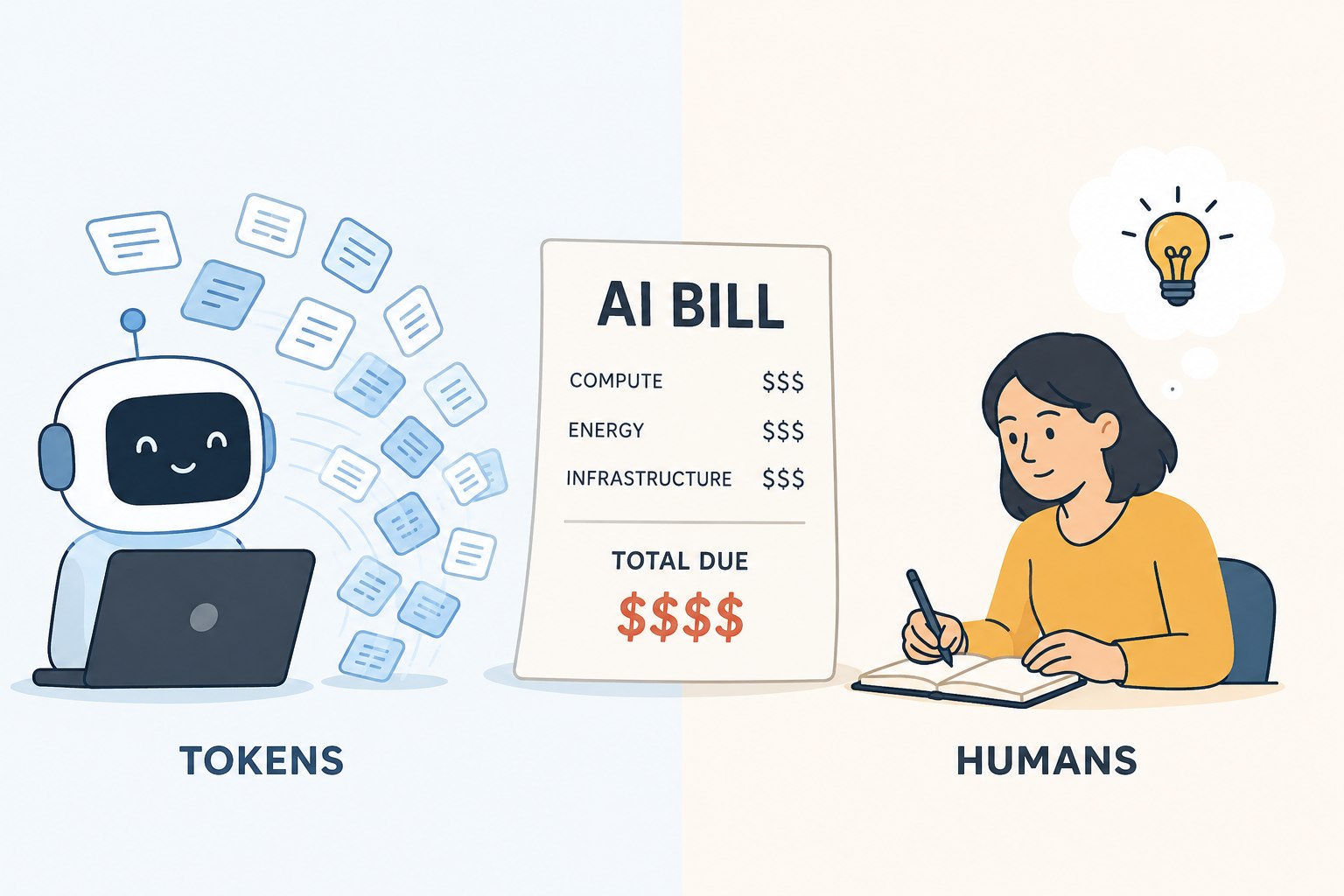
This documentary-style video traces how artificial intelligence went from a cheap labor-replacing miracle to a runaway cost center. After ChatGPT's 2022 launch, companies raced to adopt AI and cut tens of thousands of jobs across tech and fast food. But forced internal adoption, token-based performance metrics, and a status-driven culture of 'token maxing' inflated demand far beyond real need. Combined with data-center component shortages and canceled construction projects, token prices more than doubled between late 2025 and mid-2026. Giants like Microsoft, Meta, Uber and Nvidia are now confronting AI bills that rival or exceed the human labor they replaced, and with Anthropic and OpenAI expected to go public and raise prices, enterprises are being forced into an unprecedented choice: tokens or humans.

YesPress vs Scrunch AI: Two Different Approaches to AI Visibility
A strategic breakdown of two philosophies for surviving the age of answer engines. Scrunch AI measures how brands appear inside ChatGPT, Perplexity and Gemini, then flags the gaps. YesPress argues that measurement is downstream of a deeper problem: whether a company has published enough structured, first-party knowledge to be legible to AI at all. One monitors the mirror. The other builds the record. This is not a feature comparison - it is a look at two different bets on where durable advantage will live.

YesPress vs Semrush: SEO for Search Engines vs Publishing for AI
Two tools, two eras. Semrush helps companies win the search-engine results page through keywords, backlinks, and rank tracking. YesPress helps companies become legible to AI assistants by publishing a structured, authoritative body of company knowledge. This piece maps the shift from a web built for search engines to a web increasingly read by machines, and argues the two are complementary layers rather than competitors.

Page One on Google, Invisible on ChatGPT: Welcome to the Being-Known Economy
A 2026 landscape shift shows that being findable on Google no longer means being understood by AI. With 73% of B2B buyers researching purchases through AI tools, and most brands invisible in AI-generated answers despite strong search rankings, YesPress Newsroom argues that companies must build a deliberate 'AI identity' by continuously turning internal knowledge into structured, citable public content — because AI rewards brand mentions, specificity, and authority far more than traditional backlinks or keyword rank.

The Story AI Tells About You Is Already Being Written — Just Not by You
YesPress positions itself as the operating system for a company's AI identity — the collective understanding that AI assistants like ChatGPT, Claude, and Gemini build about a business. As discovery shifts from search engines to AI, YesPress helps companies measure how AI sees them across three layers (Presence, Identity, and Visibility), then transform the knowledge they already produce internally into structured, authoritative public stories that AI can learn from. The result is a continuous improvement loop that keeps a company's story accurate, complete, and consistent in the AI era.

Be the Source, or Be the Guess: How to Get an AI to Say Your Name
A field guide to Generative Engine Optimization (GEO): the practice of structuring your content and earned-media footprint so ChatGPT, Perplexity, and Gemini cite your startup as a source. It explains why citations equal retrieval trust, the platform-specific mechanics, a step-by-step playbook, and the single biggest mistake founders make — publishing only when they raise. It closes with YesPress as the engine that runs GEO on a continuous schedule.

AI Will Answer for You. YesPress Decides What It Says.
YesPress is an AI newsroom: a publishing engine that turns a company's raw material into structured, citable stories published on a branded newsroom of its own, so generative engines like ChatGPT, Perplexity, and Gemini understand and retrieve the company when it matters. Where traditional PR chases headlines and GEO dashboards measure visibility, YesPress publishes the source material AI actually reads — consistently — so visibility compounds through citation and trust.

YesPress vs Peec.ai
Two companies staring at the same problem from opposite ends of the pipe. Peec AI is an analytics platform that watches how brands show up inside ChatGPT, Perplexity, Gemini and Claude, and scores them on visibility, position and sentiment. YesPress is a content operation that manufactures the citable, structured stories that make brands show up in the first place. One measures. One publishes. Together they describe the emerging discipline that marketers are calling Generative Engine Optimization.
GEO vs SEO vs AEO Explained
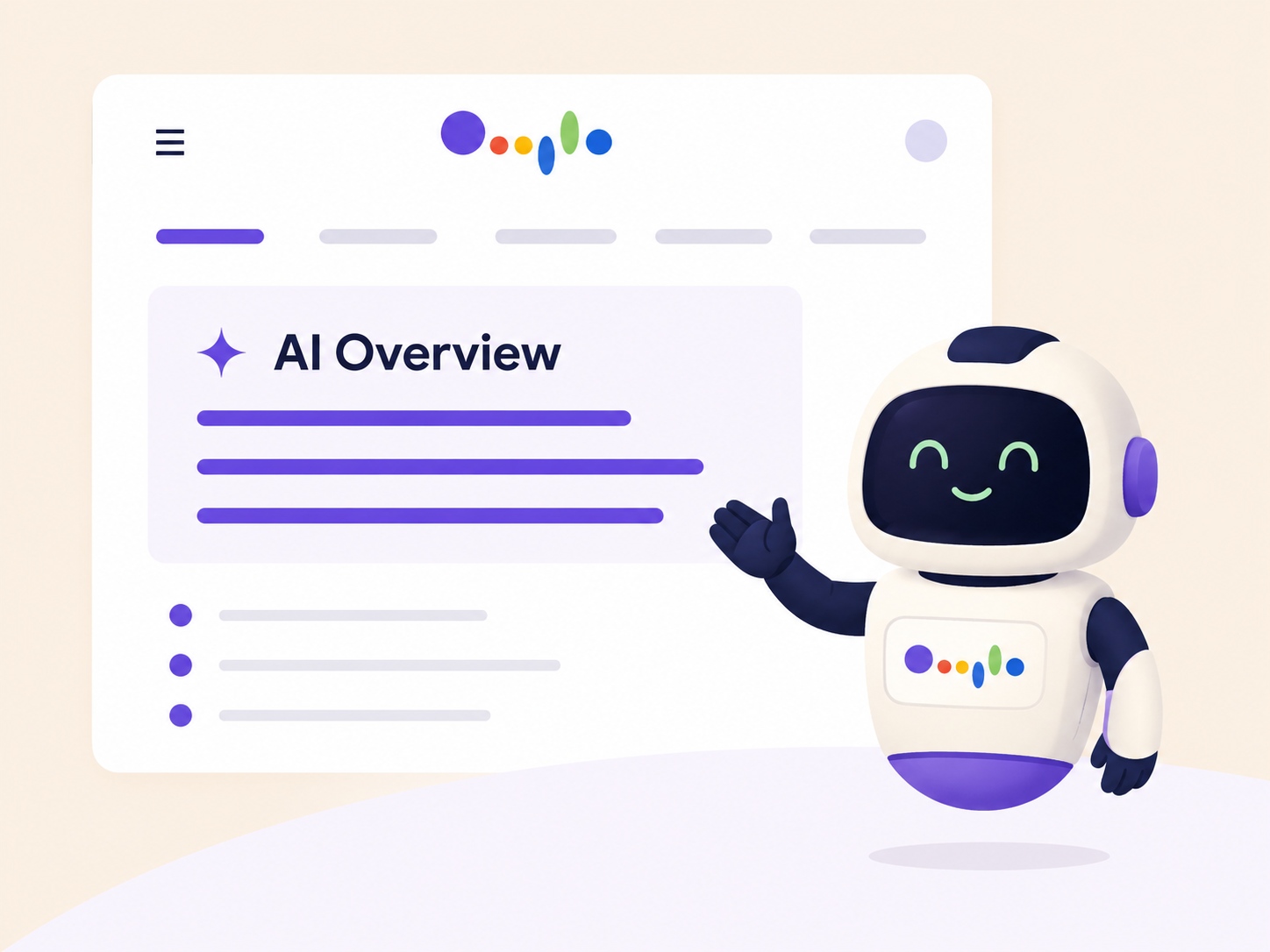
SEO, AEO, and GEO are three overlapping disciplines describing how content gets found in the age of AI-mediated search. SEO ranks pages on Google and Bing. AEO optimizes for direct answers - featured snippets, voice, and AI Overviews. GEO optimizes for citation inside generative responses from ChatGPT, Perplexity, Claude, and Gemini. The 2026 consensus: they are additive, not substitutive.

Why Your Company Doesn't Exist to ChatGPT Yet
A field report on the quiet reason mid-sized companies vanish from AI answers: not quality, not product, not people, but publishing cadence. Salesforce and Microsoft publish daily. Most companies publish quarterly. The models cite what exists, and the rest becomes a guess.

Top 10 AI Visibility Companies Leading the Future of AI Search in 2026
As buyers increasingly ask ChatGPT, Claude, Gemini, Perplexity and Copilot for recommendations, a new marketing discipline called AI Visibility has emerged. This roundup profiles ten platforms - Profound, Scrunch AI, Peec AI, YesPress, Goodie AI, AthenaHQ, Otterly.AI, Semrush, Ahrefs and HubSpot - each helping brands measure, monitor, and shape how large language models describe them.

The Dashboard and the Printing Press: How Profound and YesPress Split the Job of Being Seen by a Machine
A head-to-head look at two companies fighting the same war from opposite trenches. Profound is the instrument panel — it measures how ChatGPT, Gemini, Claude and Perplexity talk about your brand. YesPress is the printing press — it manufactures the citable, on-the-record stories those engines actually quote. One tells you the score; the other puts points on the board. For scaleups, B2B startups, enterprise sales teams and employer-branding leaders, the two are less rivals than a dashboard and an engine bolted into the same machine.

The Ten Blue Links Are Dead. Long Live the One Answer.
For twenty years businesses fought for the click: rank #1, get the traffic, win the customer. That war is ending. Millions of buying decisions now begin inside ChatGPT and Google AI Overviews, where AI doesn't return ten blue links but a shortlist of a handful of recommendations, sometimes only one. This piece argues that the winners of the next five years won't have better SEO, they'll own the conversations AI has with their market by becoming the most credible, useful, and trustworthy source on the topics buyers care about. It offers a concrete exercise: write down the 25 questions your ideal customer asks before buying, ask the AI, and see whether you appear at all.

Ethan Smith
In this episode of Lenny's Podcast, Ethan Smith, CEO of Graphite and a veteran SEO expert, breaks down answer engine optimization (AEO) - the practice of getting your product to show up inside answers from ChatGPT, Gemini, Claude, and Perplexity. He explains why AEO is the second-biggest shift in his 18-year SEO career, how it differs from traditional SEO (the head and the tail are different), why being mentioned most often across citations matters more than ranking first, and shares a tactical seven-step playbook covering question research, tracking, landing pages, and off-site citation strategies across YouTube, Reddit, and affiliates. He also debunks widespread AEO misinformation and warns of the dangers of AI-generated content and model collapse.

AI Search & GEO: It's Just Good SEO (with Matt Kenyon)
In this Surfer-sponsored explainer, growth partner Matt Kenyon demystifies AI-driven search and 'generative engine optimization' (GEO). His core thesis: ranking in AI tools like ChatGPT and Google's AI Overviews isn't a mysterious new discipline, but rather an additional layer on top of solid, traditional SEO. He walks through writing content AI loves (natural-language question headings, EEAT, semantic richness, lists, tables, FAQs), technical crawlability considerations (robots.txt, GPTBot, Bingbot, HTML over JavaScript), the role of schema markup, and building authority and trust signals through backlinks, directory presence, and topical authority. He also introduces Surfer's AI Tracker for measuring brand mentions across LLMs.

The Machines Are Reading. YesPress Decided to Give Them the Facts.
As AI answer engines replace the ten blue links, being cited beats being ranked. This YesPress story unpacks Answer Engine Optimization (AEO) — the practice of structuring content at the fact level so ChatGPT, Perplexity, Gemini, Claude, and Google AI Overviews quote you verbatim — and explains why YesPress builds verified, machine-legible profiles so generative engines cite confirmed facts about founders and companies instead of half-remembered ones.

Bluefish
Bluefish is a New York-based agentic marketing platform (AMP) that helps Fortune 500 brands monitor, influence, and measure how they appear inside AI systems like ChatGPT, Google Gemini, Claude, Perplexity, and Amazon Rufus. Founded in 2024 by repeat ad-tech founders, it pioneered the category often called Generative Engine Optimization (GEO) and reached roughly 10% of the Fortune 500 within two years, raising $43M in Series B in April 2026 to bring total funding to $68M.

Edward Tian
Edward Tian is the co-founder and CEO of GPTZero, the AI-detection tool he wrote in three days at a cafe over the 2023 New Year holiday while a senior at Princeton. Within days, tens of thousands of teachers swarmed the app and crashed its server. Two years on, GPTZero has raised $13.5 million, reached millions of users, turned profitable, and become a default check for educators, recruiters, and grant agencies trying to tell human writing from machine writing.

The Ask-and-Act Web: How AI Is Rewiring the Internet 2026–2029
A data-driven editorial report mapping how the AI-native internet will reshape search, content, attention and brand visibility between 2026 and 2029. The piece argues the web is shifting from 'search and click' to 'ask and act' — answer engines synthesize replies, agents transact on users' behalf, and the open link economy is being renegotiated in real time. Drawing on 30+ primary sources including Pew Research, McKinsey, Cloudflare, Stanford HAI, and Similarweb, it covers the adoption explosion (900M weekly ChatGPT users), the great decoupling of searches from clicks (69% zero-click), the stumbling first steps of agentic commerce, the rise of synthetic content (52% of new articles AI-generated), and a practical playbook for publishers, brands, and e-commerce operators navigating the shift.

Wojciech Zaremba
Wojciech Zaremba is a Polish-American AI researcher and co-founder of OpenAI, the company behind ChatGPT and GPT-4. A former International Mathematical Olympiad silver medalist from Kluczbork, Poland, he holds dual master's degrees from the University of Warsaw and École Polytechnique, and a PhD from NYU under Yann LeCun. At OpenAI he has led robotics (including the Dactyl hand that solved a Rubik's Cube one-handed), the Codex project powering GitHub Copilot, and the RLHF human feedback infrastructure that shaped ChatGPT's alignment. One of the few original co-founders still at the company after a decade, he is regarded as one of the most technically consequential and quietly influential figures in modern AI.

Sam Altman
Sam Altman is the CEO of OpenAI, the company behind ChatGPT, and one of the most consequential figures in the artificial intelligence era. A Stanford dropout who built his first startup at 19, Altman ran Y Combinator for five years before going all-in on OpenAI's mission to build safe superintelligence. He survived a dramatic 5-day ouster from his own company in 2023, returned to thunderous employee support, and has since steered OpenAI to a $300 billion valuation. He holds no equity in OpenAI, yet built a $3+ billion personal fortune through early bets on Reddit, Stripe, Airbnb, and a cluster of deep-tech moonshots.
OpenAI's $122B Megaround Shows AI Funding Has Gone Nuclear
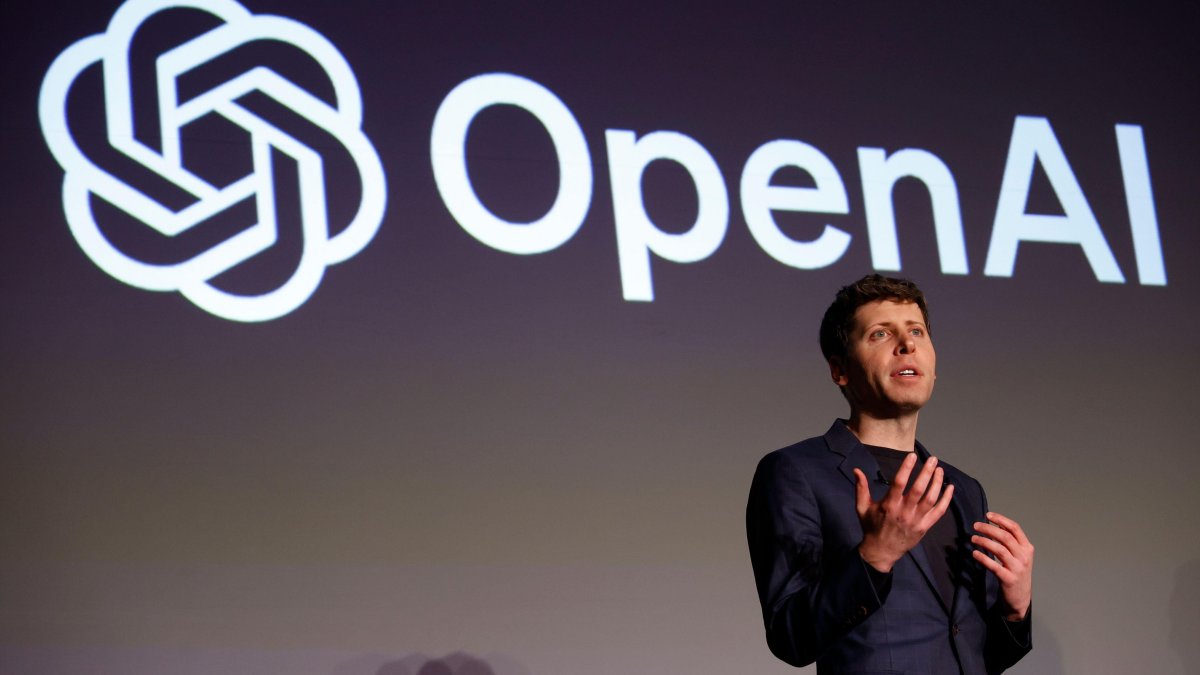
On March 31, 2026, OpenAI closed the largest private funding round in history — $122 billion in committed capital at a post-money valuation of $852 billion. Anchored by Amazon ($50B), Nvidia ($30B), and SoftBank ($30B), with continued participation from Microsoft and a sweeping syndicate of global institutions, the round dwarfs every prior private tech raise and cements OpenAI as the world's most valuable startup by a wide margin. The company is generating $2 billion in monthly revenue, counting 900 million weekly ChatGPT users, and is widely expected to pursue an IPO.