ai-search
(143)
Harshal Shah and the business of being believed
From a small Ahmedabad team to twenty years of Elsner Technologies, Harshal Shah keeps returning to the same question: how do you earn the next person’s trust?
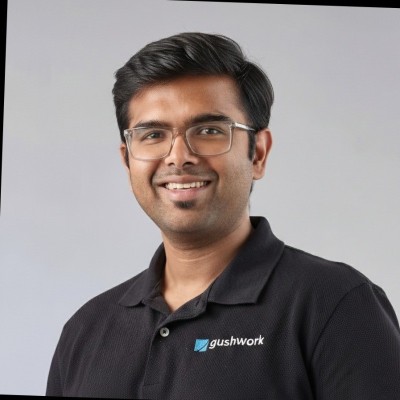
Nayrhit Bhattacharya and the business of being found
After evaluating thousands of startup pitches, Nayrhit Bhattacharya went to work on the other side of the table. At Gushwork, his search for a useful business has led from outsourced tasks to AI search - and a billboard in suburban Pennsylvania.

Universal Production Music sells the sound of a finished story
A music library becomes useful when an editor can find the right track, reshape it, and clear it for release. Universal Production Music has built its business around those three jobs.

Gushwork makes the quiet website talk
The forklift dealer. The compliance consultant. The manufacturer. Gushwork turns what they know into pages buyers can find - and inquiries a sales team can answer.

Directive wants fewer dead-end leads.
The B2B agency built its reputation by asking what happened after the click. Its next bet takes that question into PR, influence, and AI search.

Level Agency asks a better question: which leads matter?
A busy sales funnel can hide an expensive mistake. Level Agency builds its marketing around the people most likely to become customers - then teaches the ad platforms to find more of them.

Collage wants your files to leave the building.
The Denver startup puts distribution at the center of digital asset management. Its most useful trick may be making the next request for a file unnecessary.
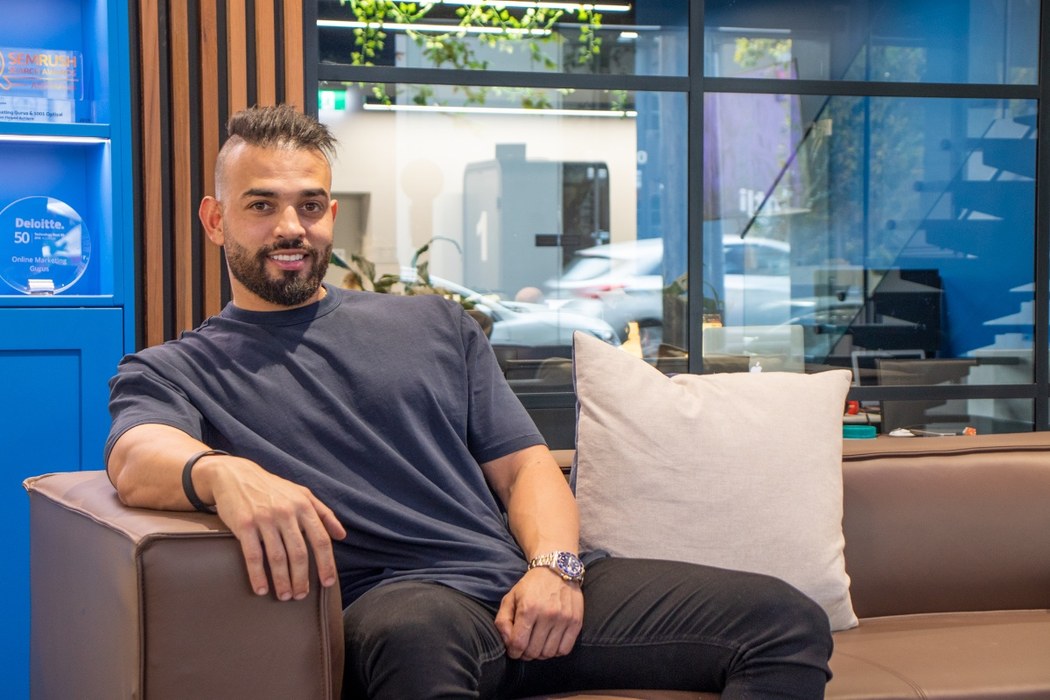
Andrew Raso and the trouble with being everyone’s friend
Andrew Raso built Online Marketing Gurus by finding common ground. Growing it across borders meant learning when a friendly conversation had to become a difficult one.
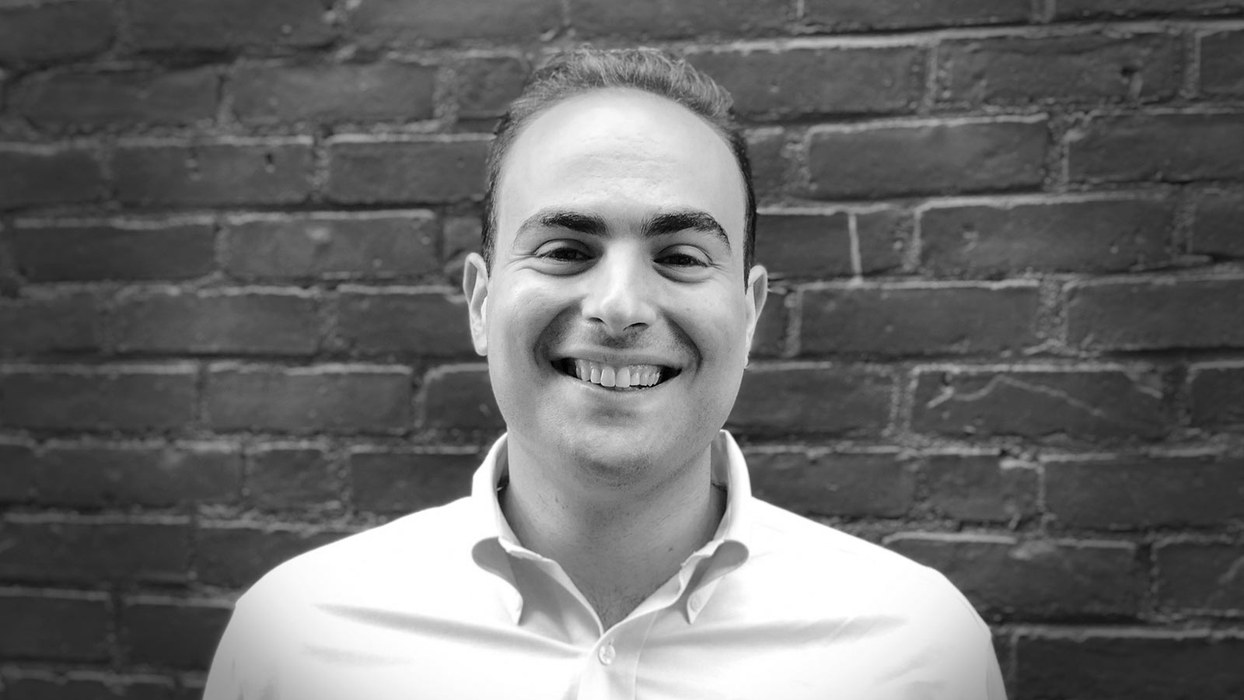
Ben Pleat and the business of staying
A move to Manhattan gave Ben Pleat a question the floor plan could not answer: how do strangers become neighbors? His company, Cobu, has spent years turning that question into a business.

DealerOn makes the website earn its keep
Buying more clicks is easy. Turning them into car buyers is the harder job DealerOn has spent two decades building a business around.
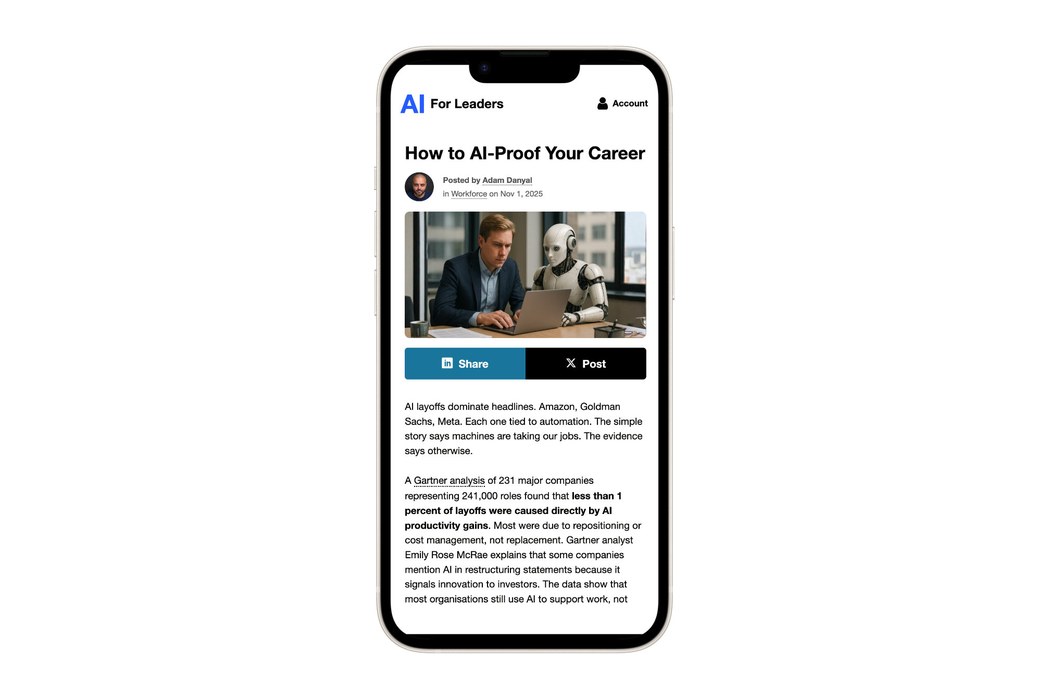
AI For Search and the fight to become the answer
AI For Search channels the confusion around AI visibility into a daily briefing for business leaders. Its useful lesson: a place in an answer is only the beginning.

Wildnet Technologies: The team behind your team
An agency wins another client. Who does the work? Wildnet Technologies has built a business around that awkward, profitable question.

Dmytro Gerasymenko and the price of a search
He built Ahrefs by charging for a better map of the web. With Yep, the Ukrainian founder asked a more awkward question: who should get paid when we use it?

Gilad Bechar and the Growth That Began With No
Before Moburst could grow, Gilad Bechar had to shrink its client list. His path from mobile specialist to agency builder runs through nine months in Israel, a difficult reset, and a recurring question: what is actually working?

Jinu Kim and the sentence worth saving
Before Liner answered questions, it helped people underline sentences. Jinu Kim has spent a decade following that small act of attention toward a larger ambition: search that people, and now other AI systems, can use with confidence.
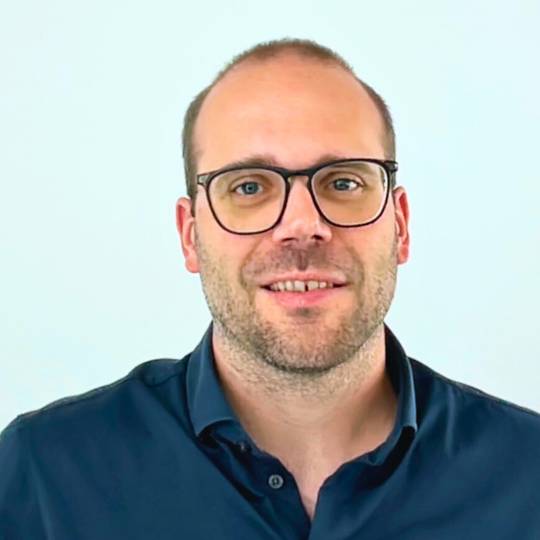
Josef Trauner and the trouble with a missing picture
A vague bug report set Josef Trauner on the path to Usersnap. After a decade of building and a sale to saas.group, he is working on another visibility problem: what AI search tells the world about a brand.

William Bryk and the book that became a search engine
He set out to write a history of civilization and ran into a problem with the present: finding useful information. Now the Exa co-founder is building search for machines, with a very human reason for caring.

Ghita Houir Alami and the importance of finding the right thing
From a family living room in Morocco to Model Research at Notion, Ghita Houir Alami has built her career around a deceptively difficult question: what information does an AI actually need?

Anthemos Georgiades and the long wait for a book button
A frustrating apartment hunt sent an Oxford classicist into the rental business. Fourteen years after co-founding Zumper, Anthemos Georgiades has handed over the CEO role while the search for a simpler move enters its AI chapter.

The agency that gives away the thinking
Search with Candour turns a Norwich agency’s working knowledge into a weekly public conversation. The interesting part is what happens when its own advice challenges its own business.

The Search Engine Journal Show: Fewer guesses. Better questions.
Search keeps changing the rules. Search Engine Journal’s podcast puts the people doing the work on the microphone - and gives marketers something more useful than another prediction.
Voices of Search sells the conversation.
A free SEO podcast became a business selling access to the people who keep the web discoverable. Its useful trick: give a narrow audience a reason to keep listening.

Lisa Jilek and the art of asking a better question
From a technology consultancy to Brandpoint, Lisa Jilek has made a career of connecting business ambitions with the people who carry them out. Her latest assignment asks what happens to a brand when the answer arrives before the click.

Tim Haslam and the business of being found
After 18 years in the Yellow Pages business, Tim Haslam brought research-led newsmaking to New York. Now the Talker founder is asking what happens when the customer’s first recommendation comes from an AI assistant.

Profound sells a cure for being left out
A brand can rank on Google and still disappear from an AI recommendation. Profound turned that awkward discovery into a measurement business, then set about doing the marketing work itself.
Pie wants your next customer to get an answer
A local business can buy attention and still lose the sale to a ringing phone. Pie is joining advertising, AI search and automated bookings into one unusually practical pitch: bring people in, then pick up.
Rodo and the car price that wouldn’t sit still
A $269 lease became $300. Rodo’s founder turned that irritation into a car marketplace - and, eventually, an AI tool for walking into the dealership better prepared.

Brandlight asks what AI says about you - before your customers do
The enterprise software company turns AI answers into a marketing brief. Its most revealing finding: a brand can gain visibility while the citations beneath it disappear.
RebelMouse gave the archive a brain. Then taught it some manners.
A publishing platform found a useful job for AI inside a newsroom’s back catalogue. Its more interesting lesson came when the clever search started getting things wrong.
Searchspring and the Art of Being Found
A shopper asks for a dress. A catalog answers in code. Searchspring built a business in the space between them - and, as Athos Commerce, is taking that problem beyond the search box.