automotive-aftermarket
(18)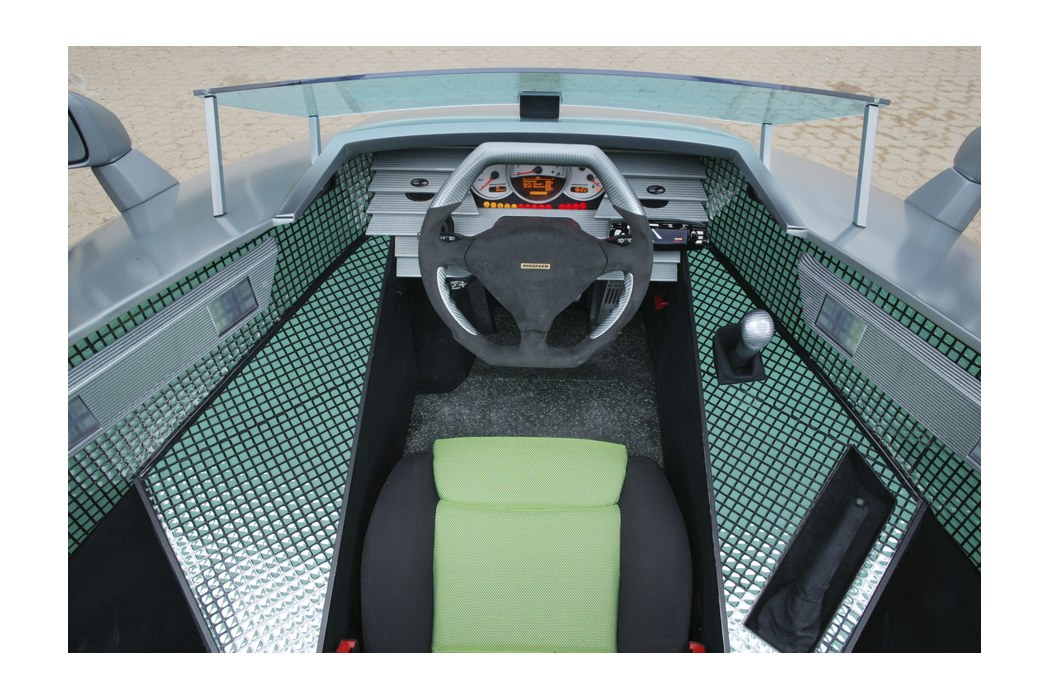
Before Mansory made a statement, MP Design made the parts.
Wood, leather, carbon: MP Design built a business around the pieces drivers touched. Its story reveals the appeal, and the awkward economics, of making a luxury car more personal.
Gaston Zelerteins and the Art of Making Auto Parts Speak Internet
He found a continental software problem hiding inside spreadsheets, PDFs and millions of nearly identical parts. His answer was to make the automotive aftermarket legible - one catalog, reseller and country at a time.
The Quiet Machine Behind Brazil’s Auto-Parts Counter
Rolemar began with bearings and two employees. Thirty-six years later, its real product is something harder to shelve: making the right replacement part easier to find, buy, deliver and stand behind.

Turn5 Built a Car-Parts Empire One Obsession at a Time
The Pennsylvania retailer turned a teenage garage experiment into a portfolio of specialist stores. Its real product is confidence: the fitment data, how-to media and human advice that help enthusiasts click "buy" on a complicated build.
The Speed Shop That Turned a Corvette Side Hustle Into an Ecommerce Machine
Before ecommerce had a name, Summit Racing was already solving its hardest problem: helping a person find the right obscure part, trust it, and get it fast. Fifty-eight years later, the catalog is digital, the warehouses are national, and the customer still thinks in projects.
The Windshield Became a Computer. Safelite Built the Service Network Around It.
A rock chip used to be a glass problem. Now it can involve cameras, software, insurance and a technician at your driveway - which explains why Safelite's most valuable product may be coordination.
Belle Tire Spent a Century Making the Humble Tire Shop Hard to Replace
The Detroit-born chain turned free air, fixed flats and a smiling rubber mascot into a Midwestern habit. Now an announced acquisition tests what happens when a regional institution joins a national platform.

The Company That Turned a Dead Battery Into an 80-Year Business
For 79 years Schumacher Electric has sold the same quiet promise - your battery will not leave you stranded. The bet now is that the promise scales from a dead sedan to an electric car.
The Tire Company That Wants to Sell Fewer Tires
Bridgestone Americas built a continent-sized business around the part of a car most people notice only when it fails. Now it is turning that overlooked circle of rubber into a service network, a data stream and a test of whether mobility can become less wasteful.
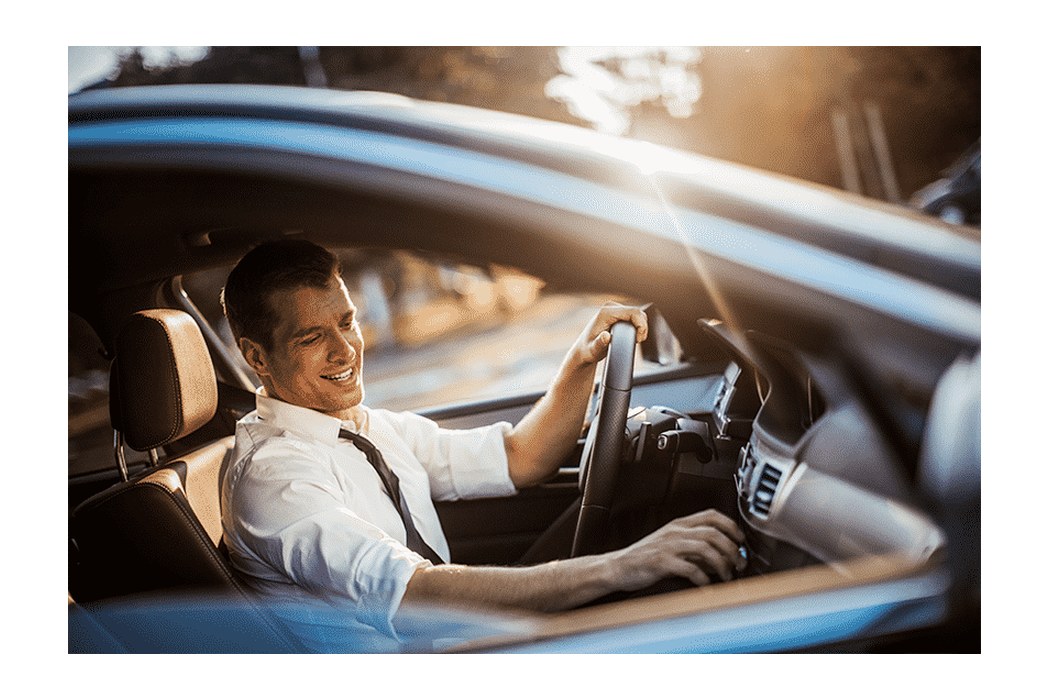
The Business Hidden Behind the Tinted Glass
Tint World took a trade once associated with anonymous garages and built a bright, repeatable retail system around it. Its real product is not darker glass - it is trust, installation skill and a franchise playbook broad enough to follow customers from cars to boats to buildings.

The Parts Company Racing the Calendar Under Your Hood
WAI Global built a worldwide aftermarket business around a stubbornly practical promise: get a new, application-correct electrical part onto the shelf before a broken vehicle turns into a stranded customer.
Les Schwab Tire Centers
A two-person Oregon tire shop became a 600-plus-store network by treating the awkward minutes after a flat as its real product. Now Les Schwab is taking that service ritual east, one acquired shop and free rotation at a time.

Rough Country
Rough Country turned a yellow shock absorber into a sprawling catalog for the lifted life. Its real product is confidence - that the right part will fit, ship quickly and get a daily driver farther from pavement without emptying the owner’s wallet.
Turtle Wax, Inc.
Born from a chemist's bathtub experiment, Turtle Wax now sells modern surface science in bottles cheap enough for the driveway. Its trick is not simply making cars shine - it is turning intimidating detailing chemistry into a weekend ritual anyone can attempt.
Alephee
Alephee is an Argentine cloud platform that helps automotive aftermarket brands, wholesalers and distributors sell parts online across Latin America. It standardizes fragmented product catalogs, adds vehicle-fitment data, keeps prices and inventory in sync, and connects the entire distribution chain to marketplaces like Mercado Libre and Amazon so an offline reseller network can be replicated online.

Otoklix
Otoklix is an Indonesian online-to-offline (O2O) automotive aftermarket platform that connects car owners with a large network of independent workshops, offering transparent pricing, booking, digital inspections, and service warranties. On the supply side it equips partner workshops with business software and cheaper spare-parts procurement. Founded in 2019 and headquartered in South Jakarta, it serves both individual drivers (B2C) and corporate fleets (B2B), and has expanded into EV after-sales service.

KUKUI
KUKUI is a SaaS marketing and customer relationship platform built specifically for the automotive aftermarket. Its 'All-in-One Success Platform' connects directly to a repair shop's point-of-sale system and bundles branded websites, CRM, digital advertising, call tracking, online scheduling, text and email marketing, review management, and analytics so independent auto shops can track ROI, win new customers, and bring existing ones back. The Hawaiian word 'kukui' means enlightenment, and the company frames its job as giving shop owners clear, data-backed visibility into marketing that used to be a guessing game. More than 2,200 auto repair businesses across the U.S. and Canada run on the platform.
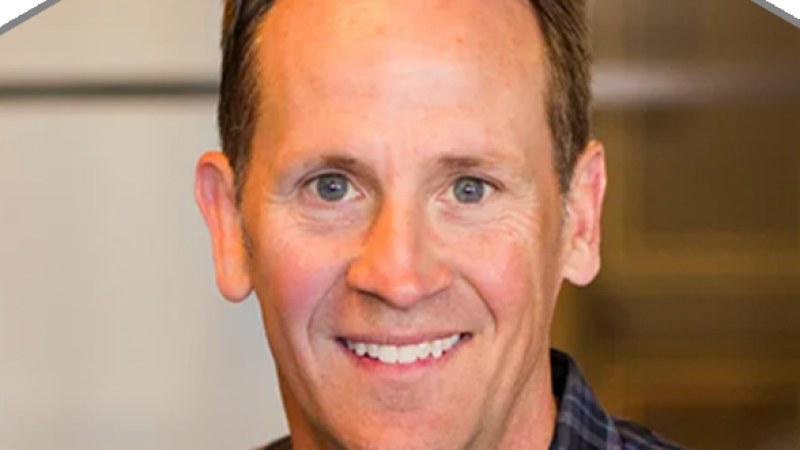
Eric Harber
Eric Harber is the CEO of KUKUI, the SaaS marketing, CRM, and analytics platform built for the automotive aftermarket. A Stanford-trained engineer with a Duke MBA, he has spent more than 25 years building and turning around global software companies - taking Hipcricket public as President and COO, running global product and marketing inside Amazon's Local Commerce group, leading Flowroute as CEO, and advising founders and boards as an Operating Partner at private equity firm Diversis Capital. He coaches high school wrestling and sits on the board of a Seattle-area nonprofit school.