A steering wheel is a peculiar place to spend money. It does not give the neighbors much to admire. It rarely appears in the photograph of the car parked outside a restaurant. Yet the owner handles it through every commute, every slow queue, every trip home. For a business interested in personal taste, that is a useful patch of territory.
MP Design occupied that territory. The German automotive specialist made interior components in wood and leather, and custom parts in carbon. Its founder was Kourosh Mansory, the name now associated with conspicuously altered luxury cars. Before considering the spectacle of a complete conversion, look at the smaller transaction: someone already owns an expensive car and wants one part of it to feel different.
A business at ten and two
The early sequence is straightforward. Mansory established MP Design & Technik in Munich in 1989. Leather workmanship followed in 1993, then wood processing and finishing in 1995. Production moved to Brand in 1997; the other departments followed in July 2000. Demand for specially coated parts had encouraged the company to establish its own manufacturing.
That sequence suggests a practical way to expand a specialist business. Start with a customer’s existing purchase, learn which details they want changed, then add the skills needed to make those changes. The sale is easier to understand than a grand promise to reinvent driving. The customer can point to the thing they want.
1993
1995
2005
A wheel also has to belong in the cabin around it. A beautiful finish can be the wrong finish. This makes the specification part of the product: which model, which wood, which leather, which shade? A manufacturer serving that market needs a vocabulary precise enough to turn taste into an order.
Five ways to spend six hundred dollars
A November 2007 advertisement from K1 Motorsport supplies that vocabulary. It offered MP Design wood-and-leather wheels for five Mercedes model families, distinguishing finishes such as burlwood, chestnut and birdseye alongside leather colors. Even the distinction between matte and gloss mattered. “A wooden wheel” was only the beginning of the conversation.
The advertised special prices ran from $539.99 for the CLK range to $639.99 for S-Class and CLS applications. Shipping and applicable California sales tax were extra. These were one dealer’s historical offers. They describe the price of an accessory at a particular moment, rather than the cost of establishing the manufacturer or commissioning an entire interior.
Bars start at $0; full track = $700. Shipping and applicable tax excluded. Historical advertised prices.
There is a pleasing limit to the promise here. Individuality comes through a menu. Buyers choose combinations within model-specific applications, rather than asking a workshop to invent every component anew. For a maker, that offers a sensible compromise between repeatable production and a purchase that feels personal.
It also explains the company’s place in the market. MP Design sold into automotive customization, with specialist dealers translating parts into purchases for owners. Period discussions put its wheels alongside Brabus and Carlsson alternatives. A buyer might also prefer factory trim or a retrimmer. The meaningful comparison is the complete specification and service arrangement, not merely the badge.
A car that tried to read the room
At the 2005 Geneva Motor Show, Rinspeed’s Senso offered a rather different assignment. The concept placed its driver in the center, with two passengers behind, and explored using sensory responses to influence the driving experience. MP Design’s contribution was tangible: handmade carbon components for the interior and exterior.
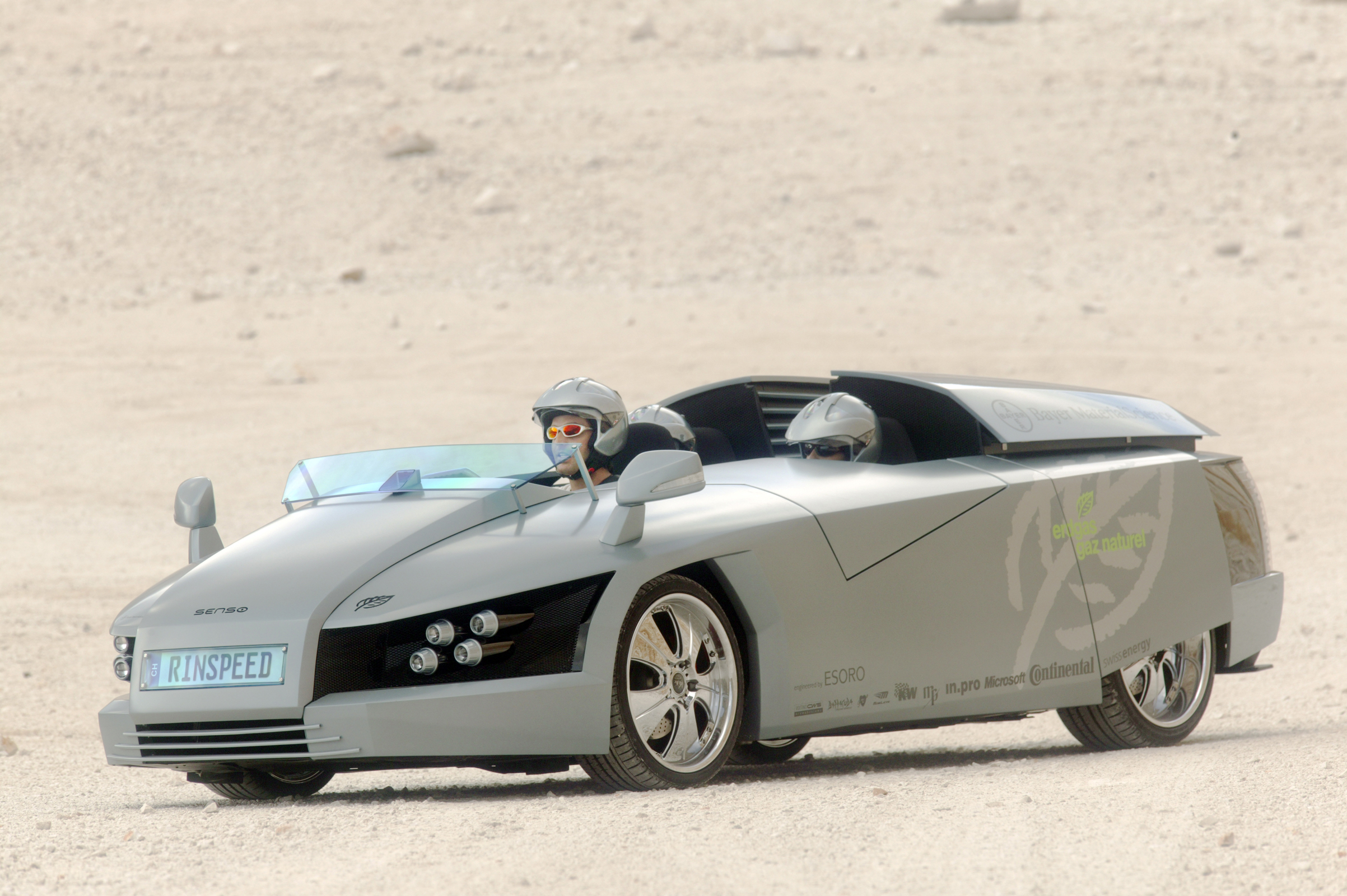
The useful distinction is between a concept and a component. A concept can make a sweeping proposition about the future. A component has to exist in a shape someone can install. A specialist supplier earns its place by making that second job possible. For a designer with an unusual brief, access to that capability can matter as much as another drawing.
Senso therefore makes a better demonstration of MP Design’s range than a vague claim about creativity. There is a named project, a visible vehicle and a defined contribution. It shows the workshop operating beyond replacement trim, without turning a supplier credit into a claim that it designed the entire car.
The part that let one owner down
Touch, unfortunately, makes a defect hard to ignore. In January 2007, an MBWorld member writing as Vetluver reported two cracks in an MP Design wheel’s finish. The first had appeared about three months after purchase, the owner said; the later one could be felt at the top. The post also described frustration obtaining help.
This was one owner’s unverified account, not a reliability study. Replies described better service experiences and reports of replacements. Still, the episode identifies a question every buyer can use: who takes responsibility when the beautiful surface needs attention? A manufacturer, importer and retailer may each appear in the buying journey. The repair journey needs an equally clear route.
For the business, the implication is uncomfortable but useful. Finish quality and after-sales support reach the customer together. A customer who cannot get a repair arranged experiences both as one product. Adding more choices can make the initial sale attractive while making later matching, replacement and communication more demanding.
Putting your own name on the result
The larger ambition emerged in the move toward Mansory-branded vehicle conversions. In a September 2026 BrandVoice interview, Mansory recalled the company’s earlier role making parts for other tuners and the staff’s hesitation when he pursued a complete Bentley project. In his telling, seeing the completed car succeed changed their response.
“Why am I starting something different, which is not our job?”
Kourosh Mansory, recalling staff concerns
September 2026 · BrandVoice interview
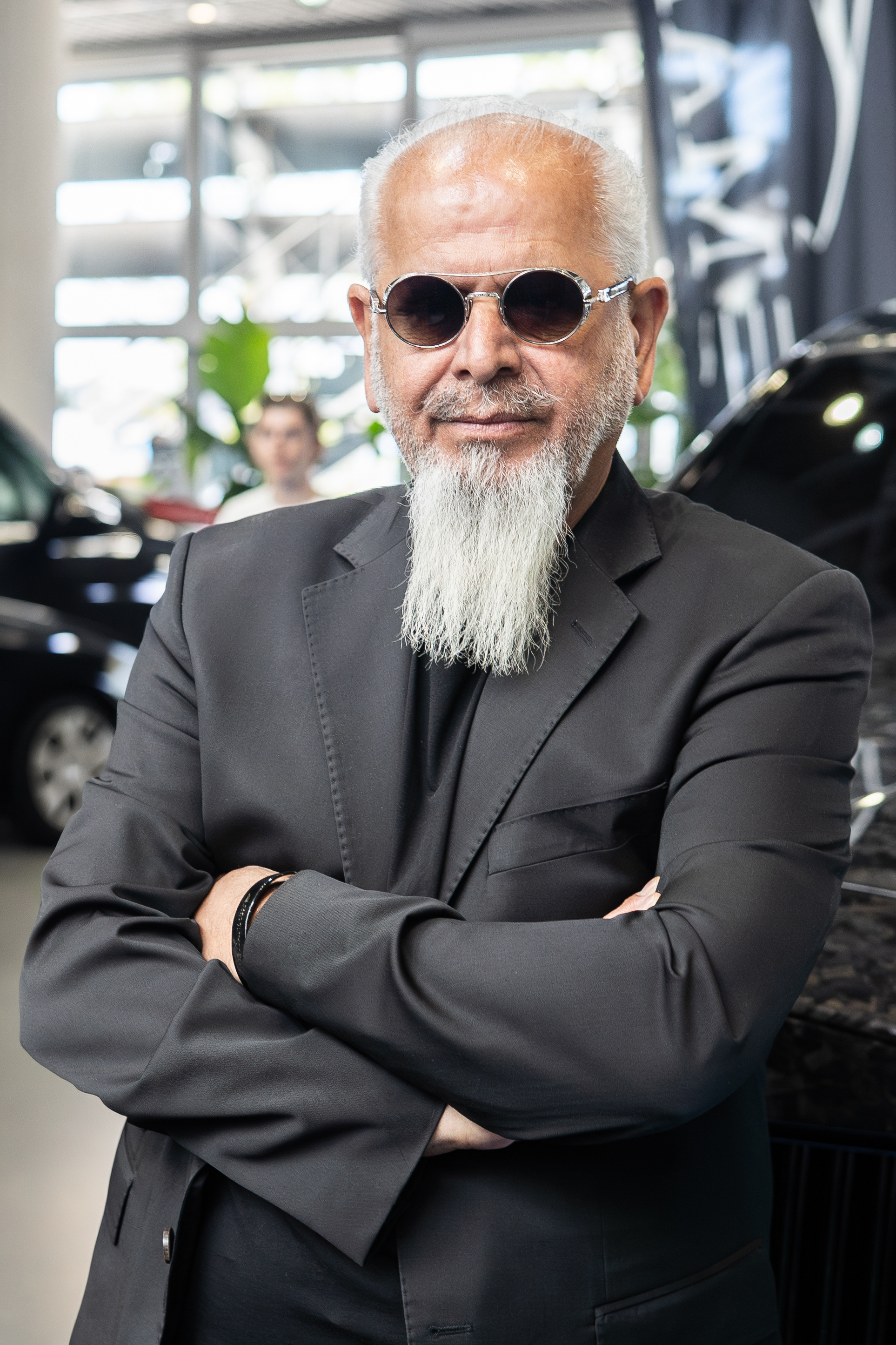
A supplier moving into finished products changes more than its sales pitch. It must decide how the pieces belong together and persuade buyers to trust that judgment. Employees who know how to execute another company’s brief may reasonably want proof that their own company can write one. A finished example gives that discussion something concrete to orbit.
The later Mansory business extended the customer relationship geographically, too. It opened an 800-square-meter Dubai showroom in 2021 and added a 2,000-square-meter workshop in 2022. The distinction between those buildings is instructive: one displays the purchase; the other supports work on the car. Both belong to the experience being sold.
By February 2025, Mansory was announcing an Under Armour collaboration built around a promotional Le Mansory car and matching footwear. That is later Mansory history, well beyond MP Design’s original component business. The earlier name also has its own legal trail: a later MP Design & Technik GmbH & Co. KG entity was recorded as dissolved and deleted in October 2021.
What can another maker borrow from this story? Begin with a detail customers already care about. Make the choices legible. Build a demonstrable example before asking people to believe in a broader ambition. And design the service arrangement with the same care as the surface finish. That approach suits buyers who value personal specification; it loses much of its appeal when the cheapest interchangeable part is all they want.
The steering wheel brings the argument back to human scale. The purchase may begin with a photograph, but the owner will judge it with their hands.