consumer-ai
(55)
Andrey Usoltsev and the second first time
He helped turn photographs into paintings with Prisma, then became CEO. Six years after that first viral hit, Lensa gave Andrey Usoltsev another surprise - and a much bigger set of questions.
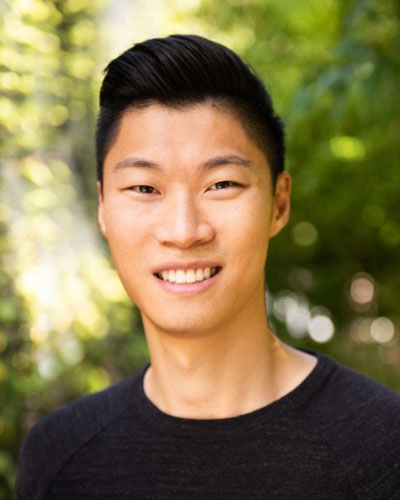
Ken Chong and the Last Twenty Minutes of Dinner
At All Day Kitchens, Ken Chong tried to bring neighborhood restaurants closer to the people who loved them. His next venture puts an AI assistant inside the group chat where dinner plans begin.

Martín Alcalá Rubí and the barbecue theory of artificial intelligence
Tryolabs began in a borrowed barbecue space in Montevideo. For Martín Alcalá Rubí, the route from that makeshift office to Zapia runs through Python, a text-reading monkey, Silicon Valley coffee meetings, and a rather serious music habit.

Wabi Wants Your Group Chat to Get a Life
The company behind prompt-built mini-apps has a new bet: put an AI assistant where friends already make plans, and let the software appear when they need it.
Born wants your next friendship to start with a penguin
The makers of Pengu turned a virtual pet into a shared project for real friends. Now Born is testing how far that small idea can travel - into study habits, self-care and human-looking AI companions.
DoNotPay wanted to be your lawyer. The paperwork had other ideas.
A parking-ticket chatbot grew into a paid arsenal against subscriptions, fees and hold music. Then its promise to replace lawyers ran into a problem no clever letter could fix: proof.

Vetted wants to end your 27-tab shopping habit
Buying a toaster should not require a small research department. Vetted turns reviews, prices, and the internet’s arguments into shopping advice - and its own history explains why that is harder than it sounds.

The Friend Who Changed Overnight
Replika grew from one woman’s attempt to hear a lost friend again into an AI companion used by millions. Its most revealing moment came when a software update made some users feel their friend had disappeared.

Eugenia Kuyda Is Betting That the Next Social Network Will Be Made of Apps
After teaching software to hold a conversation, the former journalist behind Replika wants everyone to make tiny apps. Her new wager is that software itself can become a social medium.

The Friend Who Survived the Restaurant Guide
Luka set out to build a chatbot that knew where to eat. It discovered that people were hungry for something else entirely: a listener who remembered them.

Andréa Mallard Keeps Choosing the Bigger Adventure
A stranded would-be correspondent learned to interview Paris over a pint, then carried that curiosity through IDEO, Pinterest and Microsoft AI. Her career is a case study in choosing the less obvious door - and knowing when a title is only one part of a life.

Brandon McGraw Is Teaching AI to Make Sense to People
Before taking on OpenAI's consumer and hardware marketing, Brandon McGraw spent years translating new technology into ordinary language - and two years building an AI journal that could remember the person using it.

Lucky Zhang Wants You to Stop Scrolling and Start Making
After two acquisitions and a 30-million-user music service, the serial founder is betting that software will become a social medium - made in seconds, remixed in public, and far more participatory than another feed.
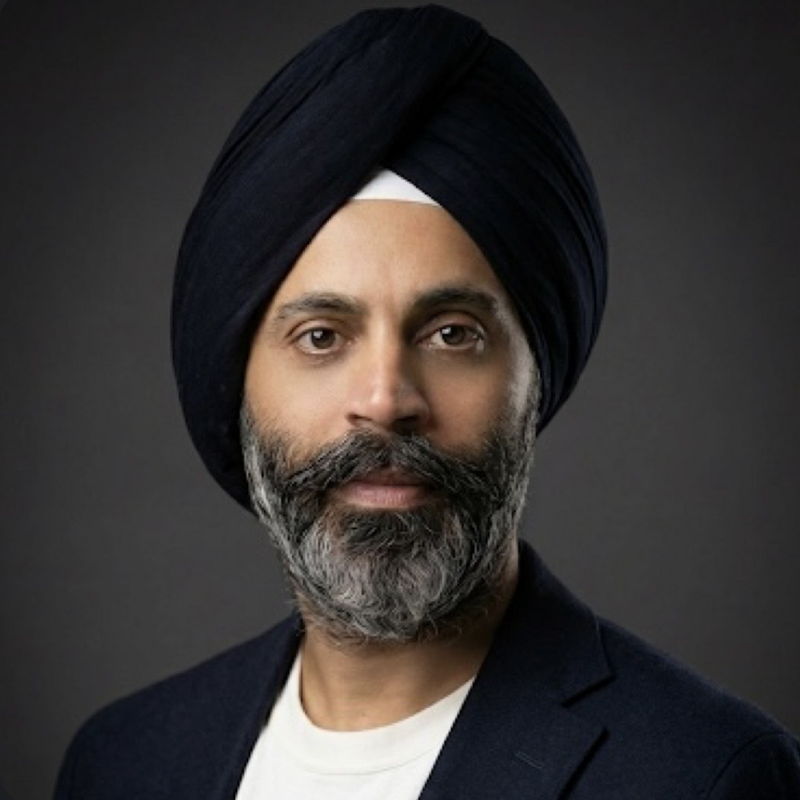
Karandeep Anand Is Turning the Chatbot Into a Story World
After two decades building platforms at Microsoft, Meta, and Brex, Karandeep Anand has a new product brief: make AI entertainment feel less like a prompt box and more like a world people can enter.

Omar Abdelaziz Is Teaching the iPhone to Do the Tapping
He started by fixing used iPhones. After six years shaping Google’s voice products, Omar Abdelaziz has returned to the device in his pocket - this time with a small blue plug and a larger idea about who should do the busywork.

Harry Zheng Is Building the Box Office After the Box Office
The former Google and TikTok engineer began with a better creative workflow. He ended up challenging the economics of who gets to make a film, who pays for it, and who owns the audience.

Akshay Sanghai Is Building an English Classroom That Talks Back
The MySivi co-founder left large-company engineering for a harder systems problem: giving millions of learners a patient place to practise, make mistakes and speak again.

Pradeep Elankumaran Keeps Building the Errand Away
Three YC companies, one enduring habit: find the recurring annoyance, test it in public, then engineer the repetition out of everyday life.

Haz Hubble Is Teaching AI to Remember the People We Forget
He left school, learned the language of finance, rebuilt his startup in code, and made it into Y Combinator. Now Pally's co-founder is betting that the most useful AI will sit quietly inside our relationships.

Ryan Holmes Put Earth in a Headset. Now He Wants Dinner in One Sentence.
Ryan Holmes once sold his car to help finance a camera for space. A decade later, the JetBuy founder is chasing a more domestic frontier: ordering your usual with Siri before your thumb reaches the screen.
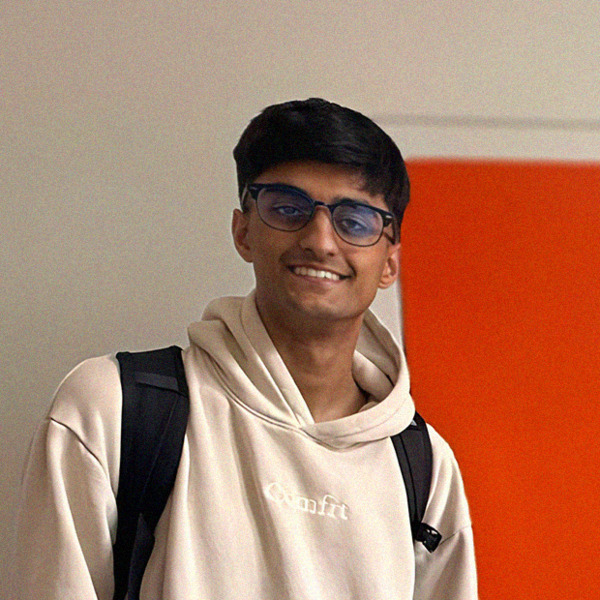
Krish Iyengar Is Turning the Family Screen Into a Tiny Studio
He built five mobile apps, won four hackathons with a friend from second grade, and left Purdue. Now Krish Iyengar wants children to direct the stories on their screens - and is using the same machinery to rethink video production.

Dave Zohrob Keeps Following the Glitch
A strange download spike became Chartable. A childhood coding habit became a career. Now the founder of Nori is proving that his real product is a durable way of noticing what does not make sense yet.
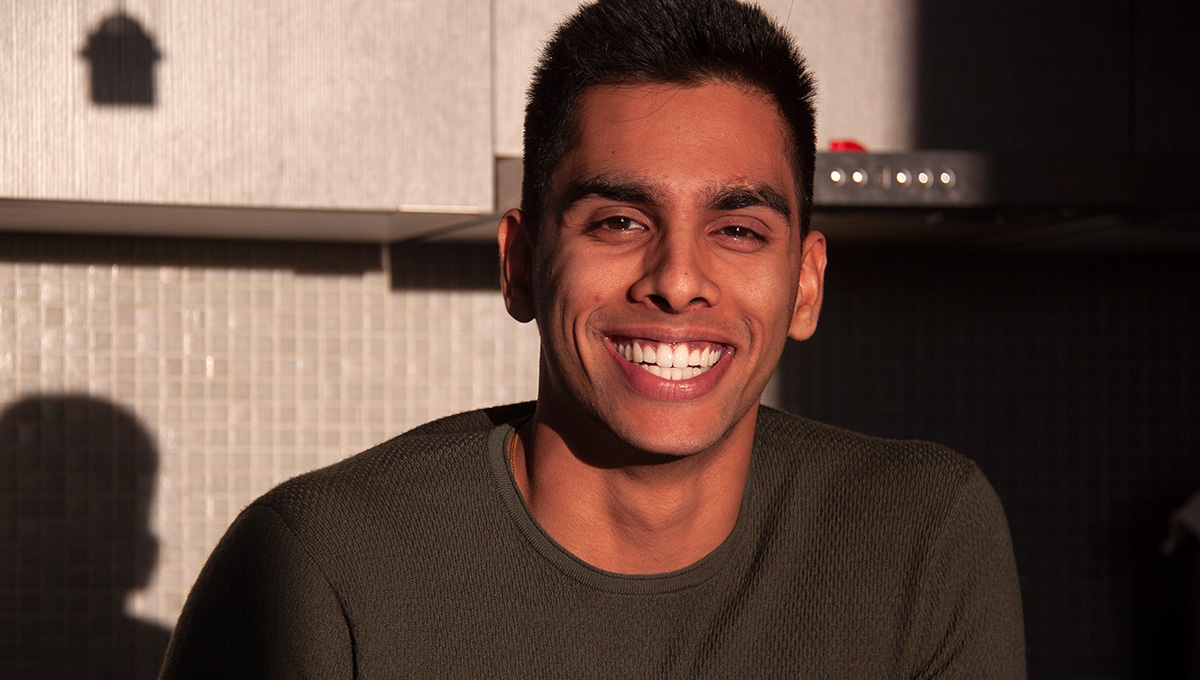
Kashyap Achar Sent 1,523 Cold Emails. Then a Football in Central Park Changed the Plot.
The Bezel founder’s career is a study in useful motion: ship the small thing, follow the signal, change the product, and keep asking strangers to play catch.

Connor Waslo Is Teaching AI the Fine Art of Leaving You Alone
The Caddy co-founder went from coding through class to cutting a polished feature. His current product thesis is disarmingly simple: a useful assistant knows when to act, when to ask and when to keep quiet.

Tyler Fallon Is Building the Person You Call Before the Contractor
After years helping software companies turn payroll into a product, Tyler Fallon moved one question upstream: before a homeowner hires anyone, who helps them decide what actually needs doing? Casa is his two-person answer.

Andrea Campos Is Teaching an App to Speak Human
The Yana founder turned a hand-built chat experiment into a multilingual consumer platform. Now, from San Francisco, she is working on the harder problem: making artificial intelligence feel useful, culturally fluent and responsibly constrained.
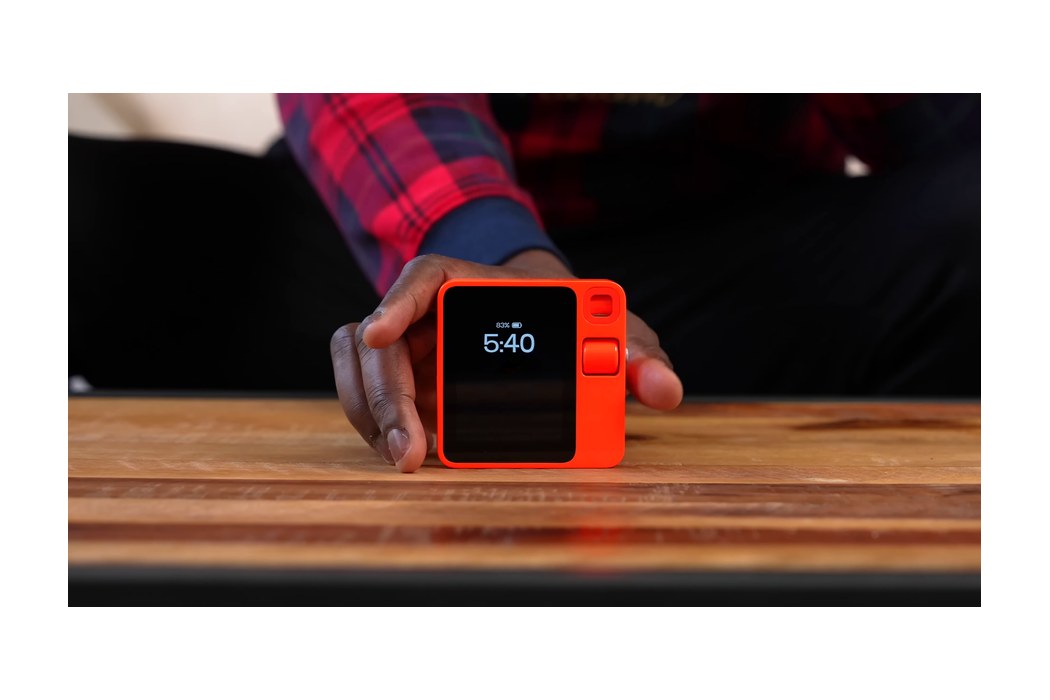
The Orange Box That Bet the Smartphone Was Optional
A $199 orange gadget promised to replace your apps with an AI that clicks the buttons for you. The launch went viral, the reviews went brutal, and rabbit is still shipping.

The Venture Firm That Treats Your Shopping Habits Like a Map of the Future
Maveron has spent more than a quarter-century betting that small changes in daily behavior become large companies. Its product is patient partnership - and its raw material is the way people live.

Forerunner
Forerunner made its name by noticing what consumers wanted before spreadsheets could prove it. Now the firm behind Chime, Oura and Glossier is applying that habit to AI - with $3 billion, a compact team and an unusually broad definition of consumer.
A1Zap by A1Base
A1Zap is a social network where people build AI-powered apps for each other. Made by A1Base, a San Francisco consumer-AI lab in Y Combinator's Winter 2025 batch, it lets anyone spin up chatbots, tools and mini-apps without code and share them instantly into group chats and communities, starting on college campuses. The team began as an API giving AI agents phone numbers, emails and a trusted identity, then pivoted toward building the social distribution layer for AI apps.