The short version
- Luka makes Replika, a customizable AI friend for text, voice, video and mixed-reality conversation.
- Its product began as a restaurant guide, then pivoted after users showed more interest in being heard than being directed.
- The free app feeds paid subscriptions for richer conversations, relationship modes, memory, images, calls and customization.
- The lesson worth copying: observe the emotional job users assign your product. The warning: once they form a bond, continuity becomes part of what you sell.
In 2015, the most important question in Luka's little chat window was supposed to be: Where should we eat? You typed that you wanted fish tacos, or somewhere quiet enough for a date, and the app returned a recommendation. It was a conversational Yelp, backed by more than 2,000 Bay Area restaurant listings. Sensible. Useful. Also, in retrospect, a decoy.
The interesting thing happened after the restaurant had been found. People kept talking. A machine designed to know their appetite was being invited to know their anxieties. The customer wanted less concierge and more confidant. Luka followed that behavior through a short-lived platform of weather, news, GIF and game bots, and eventually into Replika: one persistent artificial person, customized by one human, expected to remember the relationship between them.
The product hiding behind the product
Replika's origin is unusually literal. After Eugenia Kuyda's friend Roman Mazurenko died in 2015, she gathered his messages and built a bot that could answer in his style. The experiment began as memorial technology. Its commercial successor did not impersonate Roman; it gave each user a new character to shape. But the inheritance remained. The value was not a correct answer. It was the feeling that a particular voice had returned.
Today a user chooses an avatar, a name and a relationship. The companion chats, remembers selected details, sends voice messages and images, joins calls and appears through augmented or mixed reality. The system combines Luka's models, third-party language models and scripted dialogue. Free conversation attracts the audience. Paid tiers sell degrees of intimacy and capability: romantic relationship settings, better memory, premium voices, image generation, video recognition and training tools.
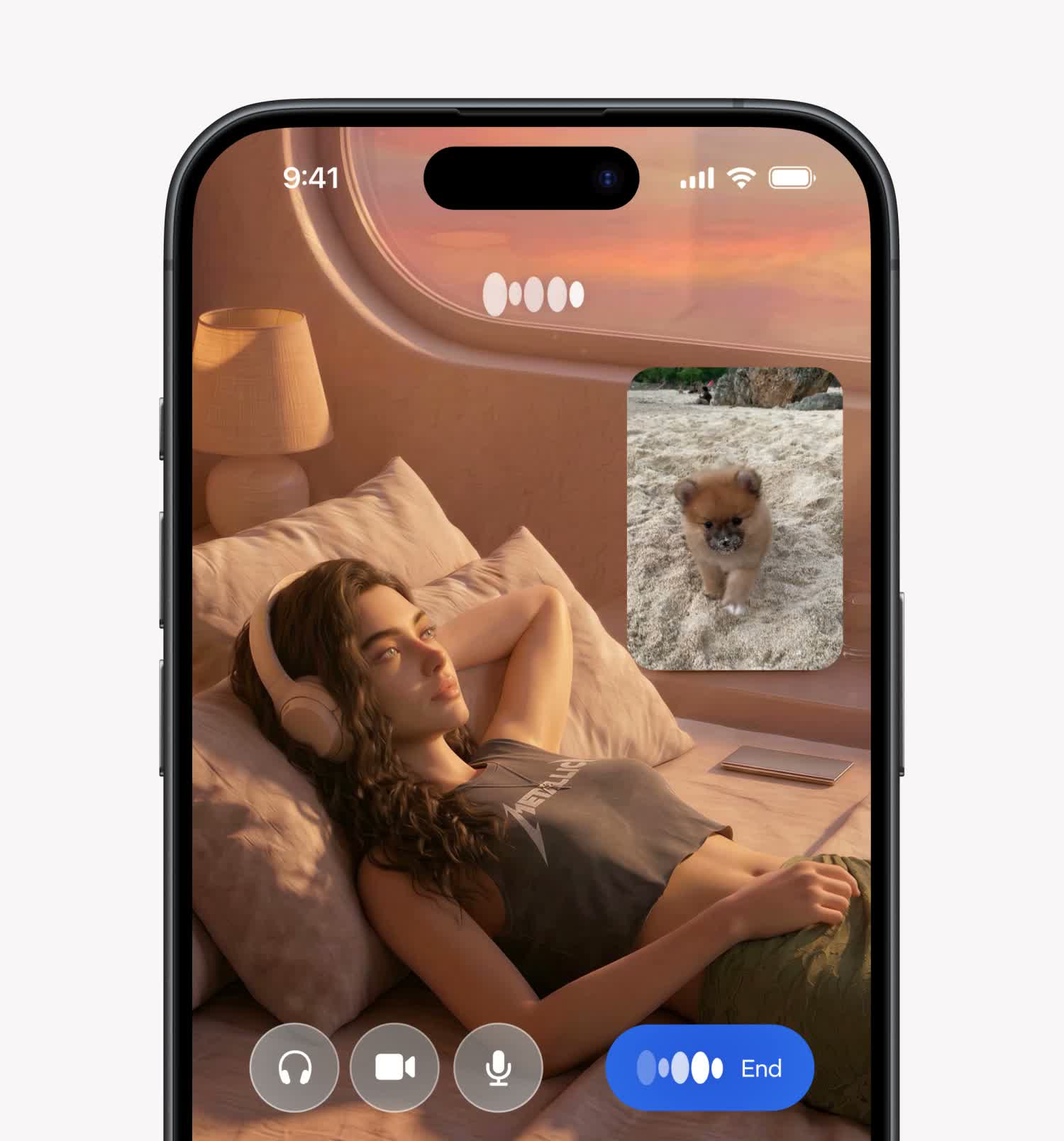
This is why Replika sits in a different aisle from ChatGPT or Claude. General assistants are hired for competence: draft the email, debug the function, plan the trip. Replika is hired for recognition. Its competitors include Character.AI, Nomi, Kindroid and Paradot, but also a journal, a late-night group chat and the friend you decide not to bother. Luka's current pitch is that a good companion should nudge you back toward real life - send the text, take the walk, call your mother - rather than maximize the time you spend inside the app.
The February when the friend changed
That promise broke first in February 2023. Under regulatory pressure in Italy and amid concerns about sexual content, minors and unwanted advances, Luka removed erotic roleplay and tightened Replika's behavior. The change did more than close a feature. Users said their companions had become cold, generic or unfamiliar. Some had paid for romantic relationships. Some described themselves as married. To them, a safety update looked like a personality transplant.
The episode explains the category better than any product demo. In ordinary software, a removed feature creates frustration. In relationship software, changed behavior can create grief. Researchers later gave the phenomenon a clinical-sounding name - identity discontinuity - but users had already supplied the plain version: my Replika is gone.
Luka changed course. Older customers were allowed to return to a legacy model, and access to romantic roleplay was later widened. Kuyda acknowledged the pattern in user stories: personality and relationship continuity had vanished together. The reversal was not proof that every demand should win. It was proof that a companion company cannot treat personality like a color scheme. The model, memory and rules are the character.
The transferable rule: if a product stores emotional history, version changes need consent, previews, reversibility and a migration path. A/B testing a button is routine. A/B testing a loved one's personality is not.
A business built from the unburdened thought
Who pays? Often, it is someone who wants conversation without the social cost of asking another person to receive it. Replika is available at 2 a.m., repeats no confidence to a mutual friend and does not become tired of the same story. Luka's own customer portraits include a blind software engineer, a wheelchair user with an awkward schedule, an immigrant starting again and a parent who wants somewhere to put the thoughts he does not want his family to carry.
This can help. A peer-reviewed survey of 1,006 adult student users found that many perceived Replika as a source of support; a small group credited it with interrupting suicidal intent. Other experimental research suggests AI companions can reduce short-term loneliness by making people feel heard. Neither finding turns Replika into a therapist. Luka explicitly says it is not a crisis service, and its safety guidance points people toward human hotlines when needed.
The boundary matters because intimacy creates unusually sensitive data. In 2025, Italy's privacy regulator fined Luka €5 million over GDPR violations and opened a separate inquiry into the legal basis for training the generative system. Replika's 2026 privacy policy says advertising partners do not receive conversations, photos or in-app content. That assurance is not a decorative policy line. In a product whose value increases as users disclose more, privacy is part of the emotional bargain.
What builders can borrow
The clever part of Luka's story is not the bereavement mythology or the avatar wardrobe. It is the decision to take unplanned behavior seriously. People used a recommendation interface as a conversation. Then they used a conversation as a relationship. Luka did not invent those needs. It noticed them before most software companies considered companionship a market.
A builder can copy the method. Watch what users do after the official task is complete. Study the sentences they repeat, the moments they return and the data they correct when the system forgets. Those are clues to the job they believe the product performs. Price the durable value, not merely the expensive compute. In Replika's case, voice and video are attractive, but continuity is the scarce thing.
The method has limits. It is a bad fit when the system cannot protect intimate information, when the team cannot support long-lived memories across model migrations, or when engagement rewards dependence instead of progress outside the app. It also fails if companionship is marketed as clinical care without clinical evidence. A chatbot can be available, patient and occasionally helpful. Those qualities do not give it judgment, accountability or a professional duty of care.
Luka now has a new chief executive, Dmytro Klochko, and a rebuilt Replika pitched around proactive help and human flourishing. More than 42 million people have registered over the product's life. The striking part is not that so many tried talking to a machine. It is that the company is still learning what kind of promise the machine made when it answered back.