phd
(44)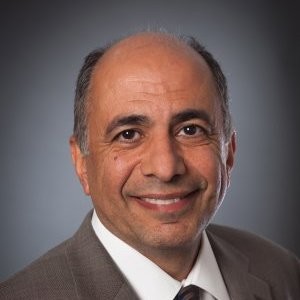
Saied Tehrani
Saied Tehrani is a semiconductor executive and engineer who has served as President and CEO of ESS Technology, the San Jose maker of the SABRE audio DAC and ADC chips, since 2019. With a PhD in electrical engineering and more than 30 years in the industry, he spent two decades at Motorola, helped pioneer commercial MRAM as a founder and COO of Everspin, ran a $500M microcontroller business as CTO of Spansion, and holds more than 75 US patents. In 2008 he received the IEEE Daniel Noble Award for the development of MRAM technology.
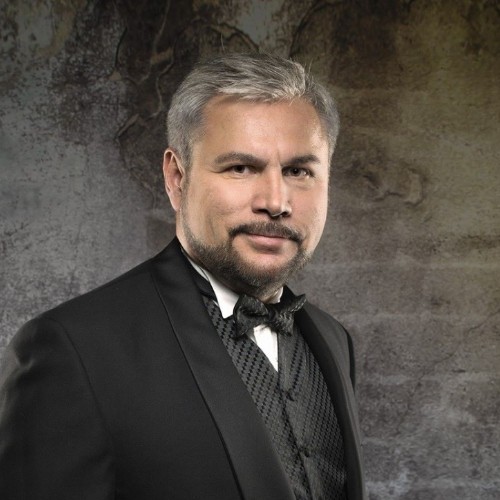
Sergey Savastiouk
Sergey Savastiouk, Ph.D., is the founder and CEO of Tickeron, a Reno-based platform that pairs artificial intelligence with plain-language explanation to give self-directed investors and advisors trading signals, pattern recognition, and automated 'AI robots.' A former applied-mathematics professor at Santa Clara University with two prior startups behind him, he turned the losses of the 2008 crisis into a mission to hand retail investors the kind of algorithmic tools once reserved for institutions.
Jonathan Cornelissen
Jonathan Cornelissen is a Belgian entrepreneur, PhD in financial econometrics, and the co-founder and founding CEO of DataCamp, the online data science education platform he started in 2013. Frustrated while teaching himself R during his doctorate, he built DataCamp to make data skills accessible through interactive, browser-based courses. Over six years as CEO he grew it to more than 10 million learners, 200,000 paying subscribers, 2,500 enterprise customers and over $50 million in annual recurring revenue. He authored an introductory R course completed by over a million learners. Since stepping back from the CEO role he has focused on angel investing across education, AI and crypto, and writes about company building, hiring and startup equity.
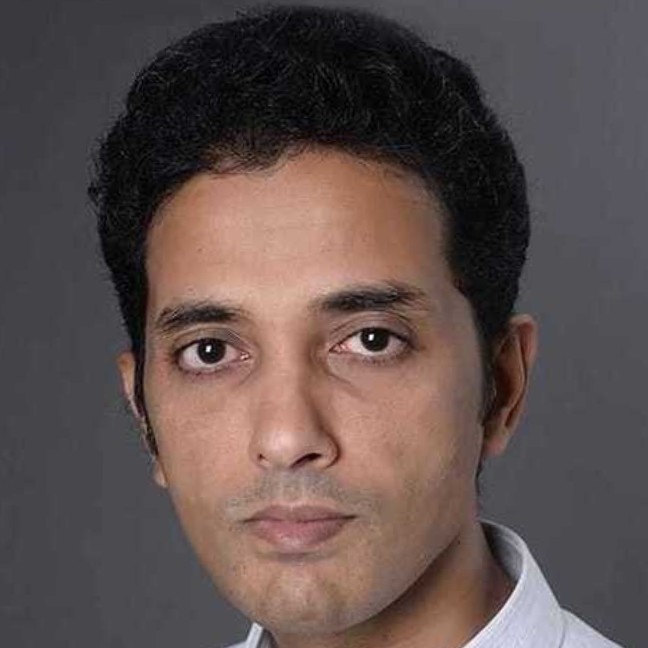
Sarang Jagdale
Sarang Jagdale is a PhD engineer turned supply chain AI co-founder who spent over two decades cracking some of the world's hardest logistics problems - from IBM's global consulting floors to the startup that eventually became Lyric. As Head of Decision Science at Lyric, he architects the algorithmic core of a platform now trusted by Coca-Cola, Google, and Mondelez to make their supply chains think for themselves. Lyric raised $43.5M in Series B funding in August 2025, bringing total funding to $67M.

Paul Eccles
Paul Eccles is a molecular biologist turned healthcare strategy consultant who leads Basis Health, the New York-based life sciences division of London-headquartered insight consultancy Basis Global. He joined Basis in September 2022 as Managing Partner after a career spanning Trinity Life Sciences, BluePrint Research Group, Cello Health, and Opinion Health, and has spent more than fifteen years advising pharma, biotech, and clinical incubators on commercialization, licensing, forecasting, and portfolio positioning.

Phil Vickers
Phil Vickers is President and CEO of Solu Therapeutics, a Boston clinical-stage biotech building small-molecule 'chimeras' that ferry cytotoxic payloads to disease-driving cells. He arrived in September 2023 after runs at Faze Medicines and Northern Biologics, and R&D leadership at Shire, Boehringer-Ingelheim, Pfizer and Merck. In April 2025 he closed a $41M Series A with Eli Lilly, Pappas Capital and the Leukemia & Lymphoma Society and dosed the first patient in a Phase 1 trial of STX-0712 for CMML.

David Bild
David Bild is a technical co-founder and engineering leader at Resourcely, the cloud-security startup acquired by Anysphere (maker of Cursor) in July 2025. A Ph.D. computer engineer who once designed censorship-resistant networks, he has spent his career turning gnarly security problems into guardrails developers actually want to use - from overlay networking for IoT at Xaptum to secure-by-design Terraform blueprints at Resourcely. Post-acquisition he works on Fraim, an open-source, genAI-based application- and cloud-security tool. He builds from a cabin-adjacent base in Southwest Harbor, Maine, on the doorstep of Acadia.
Simon Mo
Simon Mo is the CEO and co-founder of Inferact, the startup commercializing vLLM, the open-source inference engine he helped create and now leads as lead maintainer. A PhD student at UC Berkeley's Sky Computing Lab advised by Ion Stoica and Joseph Gonzalez, Mo has spent roughly eight years building high-throughput, memory-efficient model-serving systems, from Ray Serve at Anyscale to vLLM, which now powers inference for companies including Amazon. In January 2026 he and his vLLM co-maintainers raised a $150M seed round at an $800M valuation, co-led by Andreessen Horowitz and Lightspeed.
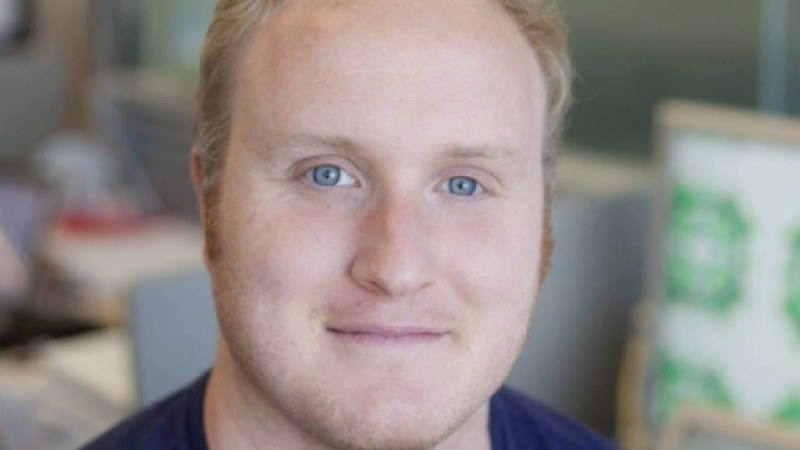
Timothy Craven
Timothy Craven is the co-founder and CEO of Insamo, a Berkeley-based biotech using machine learning, ultra high-throughput biology, and parallel chemistry to design membrane-permeable, orally available macrocyclic peptides with antibody-like binding. A computational chemist trained in the Nobel-winning lab of David Baker, Craven started Insamo from a grad-school concept with $20,000 of his own money and grew it into a Berkeley-Sydney team backed by a $12M seed from Playground Global, venBio, and Merck's MRL Ventures Fund. His pitch is blunt: turn $30,000 injectable biologics into pills.
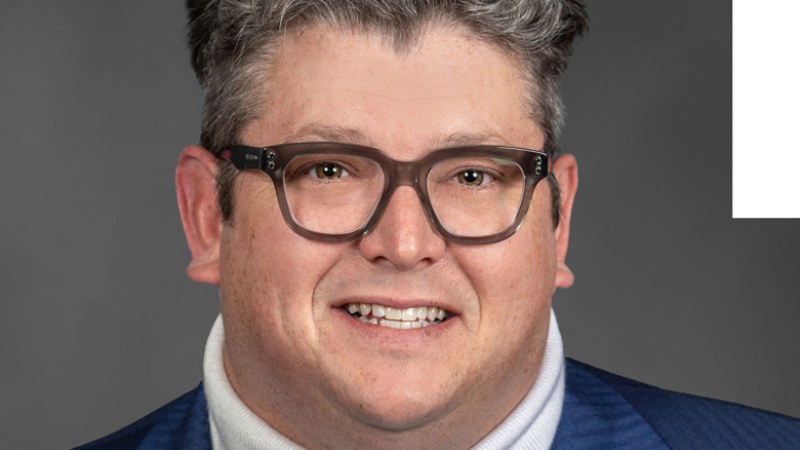
Severence MacLaughlin
Severence MacLaughlin is the founder and CEO of DeLorean Artificial Intelligence, a Palm Beach-based company building predictive AI products for healthcare and sales. A Cornell-trained scientist with a PhD from the University of Adelaide, he ran AI and data science practices at Cognizant and Capgemini Invent before bootstrapping DeLorean AI with his own savings. The company says its Medical AI was the first to be biologically validated by two independent laboratories, trained on tens of millions of patient records and backed by seven patents. He advises the United Nations and World Health Organization on AI.
Scott Morello
Scott Morello is VP of HR Business Insights for Activision Blizzard King at Microsoft, a role he stepped into in October 2023 after building the people analytics function at Activision Blizzard. Before corporate life, he was a marine ecologist - his PhD from UMass Boston studied species interactions in Gulf of Maine intertidal zones. That pivot from counting mussels to measuring workforces defines his unusual edge: he brings the precision of population ecology to questions about how organizations actually behave.
Jonathan Trevor
Jonathan Trevor is a Co-Founder of Observe, Inc., an AI-powered observability platform built on a streaming data lake that unifies logs, metrics, and traces to help engineering teams detect, investigate, and resolve incidents faster. He came to Observe from Wavefront (now VMware Tanzu Observability), where he served as Frontend Lead, and before that led frontend engineering at Shocase. Trevor holds a PhD in Computer Science from Lancaster University. Observe - co-founded with Jacob Leverich (ex-Splunk), Jon Watte (ex-Roblox), and Philip Unterbrunner (ex-Snowflake) and incubated by Sutter Hill Ventures - raised $156M in Series C funding in July 2025 before Snowflake announced its intent to acquire the company for approximately $1 billion in January 2026, its largest acquisition to date.
Noureddine Tayebi
Noureddine Tayebi is the founder and CEO of Yassir, North Africa's most valuable tech startup and the leading super app for francophone Africa. Born in Algiers in 1977, he earned a PhD in electrical engineering from Stanford University after completing a master's degree at the University of Illinois Urbana-Champaign. He spent eight years at Intel in Silicon Valley accumulating over 50 patents before founding InSense, a nano-motion sensor startup acquired by Mojo Vision in 2018. In 2017, he co-founded Yassir, which has grown to serve 8 million+ users across 45 cities in six countries, offering ride-hailing, food delivery, grocery delivery, and fintech services. Yassir has raised $193.25 million in total, including a historic $150M Series B led by Mary Meeker's BOND, cementing Tayebi's position as a defining figure in Africa's digital economy.
Pablo Palafox
Pablo Palafox is the Co-Founder and CEO of HappyRobot, a San Francisco-based AI workforce platform that deploys autonomous voice agents for logistics and freight operations. A Spanish-born roboticist who left a PhD program at the Technical University of Munich in 2022, he has built HappyRobot from a YC S23 startup into a company serving 70+ enterprise clients including DHL, Ryder, Schneider, and Werner - raising $103M across three funding rounds, most recently a $44M Series B led by Base10 Partners with participation from Andreessen Horowitz.
Paroma Varma
Paroma Varma is a co-founder and Head of Solutions at Snorkel AI, the $1.3B data-centric AI platform she helped build from a Stanford AI Lab research project into a unicorn serving Fortune 500 enterprises. Holding a Ph.D. in Electrical Engineering from Stanford, she pioneered weak supervision techniques that reduce AI training data preparation from months to days, enabling domain experts in healthcare, finance, and government to build state-of-the-art ML models without massive labeled datasets.
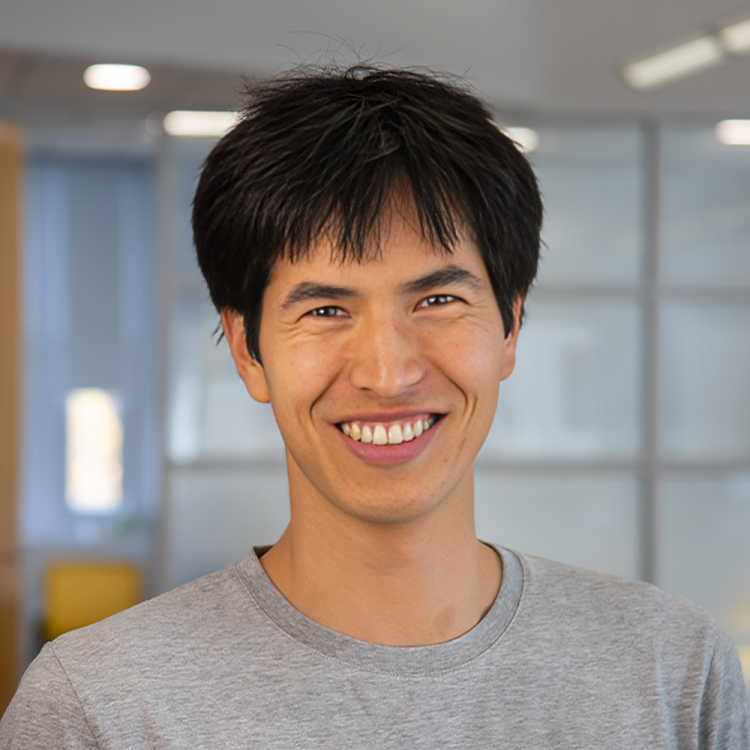
Robert Nishihara
Robert Nishihara is a co-founder of Anyscale, the company commercializing Ray - the open-source distributed computing framework powering AI workloads at OpenAI, Apple, Uber, and thousands of other organizations. A Harvard math grad and UC Berkeley PhD, he built Ray during his doctoral research to solve the tooling bottlenecks he personally experienced doing AI research. Anyscale has raised $259.6M and reached a $1B+ valuation under his leadership before he transitioned from CEO to a product-focused role in mid-2024.
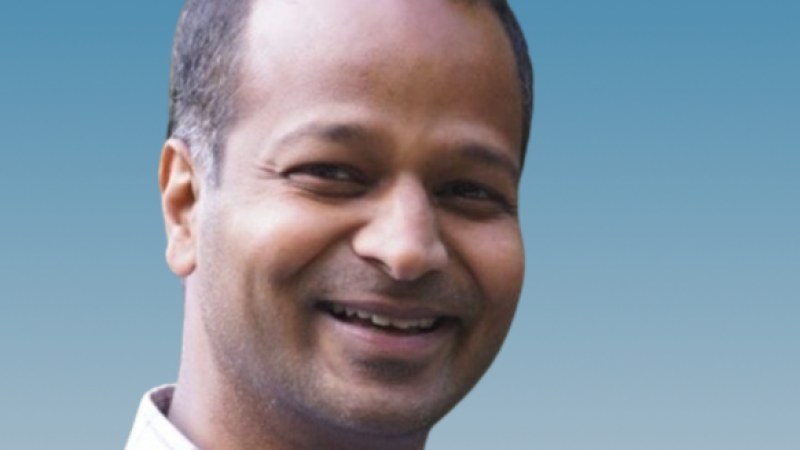
Soups Ranjan
Soups Ranjan is the co-founder and CEO of Sardine, an agentic AI platform for financial crime prevention and AML compliance headquartered in San Francisco. With a PhD in Electrical and Computer Engineering from Rice University and career stints at Coinbase (as Head of Risk) and Revolut (Head of Financial Crime), he channeled over 15 years of fraud-fighting expertise into Sardine, which has raised $145.6M and grown to 300+ enterprise customers. Sardine's behavioral biometrics and device intelligence platform now profiles 2.2+ billion devices, making it one of the most comprehensive financial crime databases in existence.

Stanford University Graduate School of Business
Stanford Graduate School of Business is the graduate business school of Stanford University, headquartered at the Knight Management Center in Stanford, California. Founded in 1925, it offers the two-year MBA, the one-year MSx, a PhD, and Executive Education, and is consistently ranked among the most selective business schools in the world. Its mission is to change lives, change organizations, and change the world.
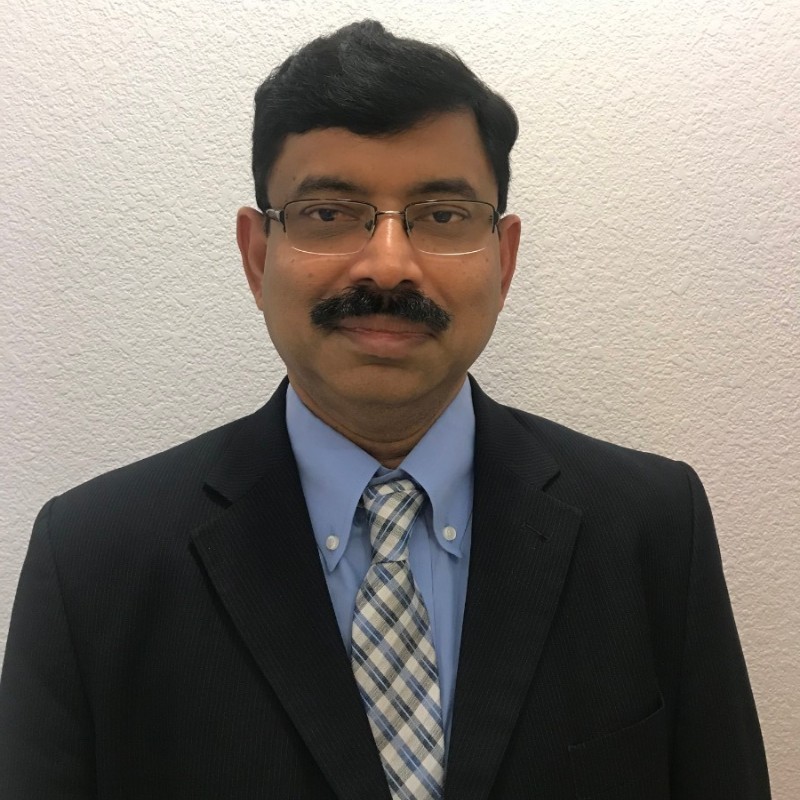
Anandan Chinnalagu
Anandan Chinnalagu is a PhD computer scientist and serial technology entrepreneur leading MindPro Technologies, an AI-focused software development firm headquartered in Karur, Tamil Nadu, India, with personal base in Sunnyvale, California. With over two decades of building enterprise software companies - from founding AC INFOTECH INC in 2003 to steering MindPro's 110-person team - he specializes in machine learning, natural language processing, and Google Cloud AI integrations. His academic research in sentiment analysis has been published in PeerJ Computer Science and IJACSA, while his products span educational platforms, IoT consulting, and notification automation under the CanString brand.
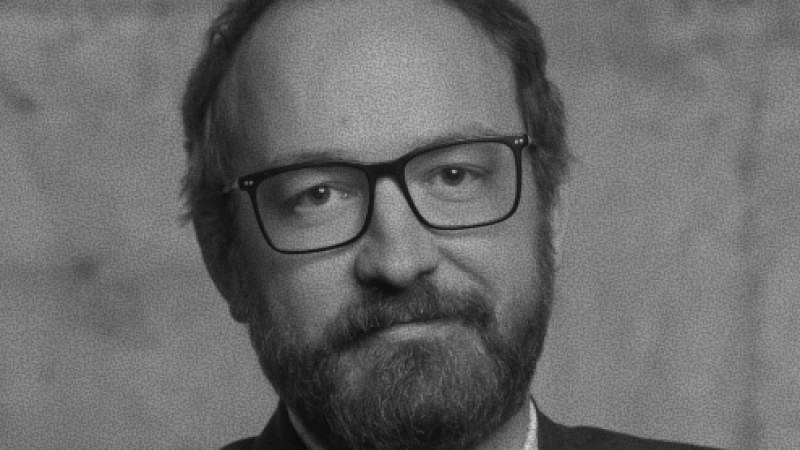
Peter Day
Peter Day is a General Partner at super{set}, San Francisco's AI-native startup studio and venture fund, where he co-builds data and AI companies from day one. A machine learning PhD from the University of Liverpool who spent 12 years in quantitative finance before pivoting to Silicon Valley, Peter served as Chief Product and Technology Officer at Quantcast for nearly seven years, guiding the company's real-time ML platform used by marketers and publishers globally. He brings a rare combination of deep technical credibility — hands-on coding, ML research, financial engineering — and operational leadership at scale to the companies he helps found and grow at super{set}.
John Pritchard
Dr. John Pritchard is the CEO of Radiant Logic, where he leads a platform that unifies identity data across hybrid and multi-cloud environments for Fortune 500 enterprises. With a PhD in open innovation in AI from the University of Denver and over 25 years spanning Lockheed Martin, IBM, Adobe, and Okta, Pritchard joined Radiant Logic in 2022 as Chief Product Officer and expanded the company from a virtual directory provider into an AI-powered Identity Security Posture Management platform - before being appointed CEO in January 2025. He is a Forbes Technology Council contributor, Identiverse keynote speaker, and a vocal advocate for treating identity data as a strategic organizational asset.
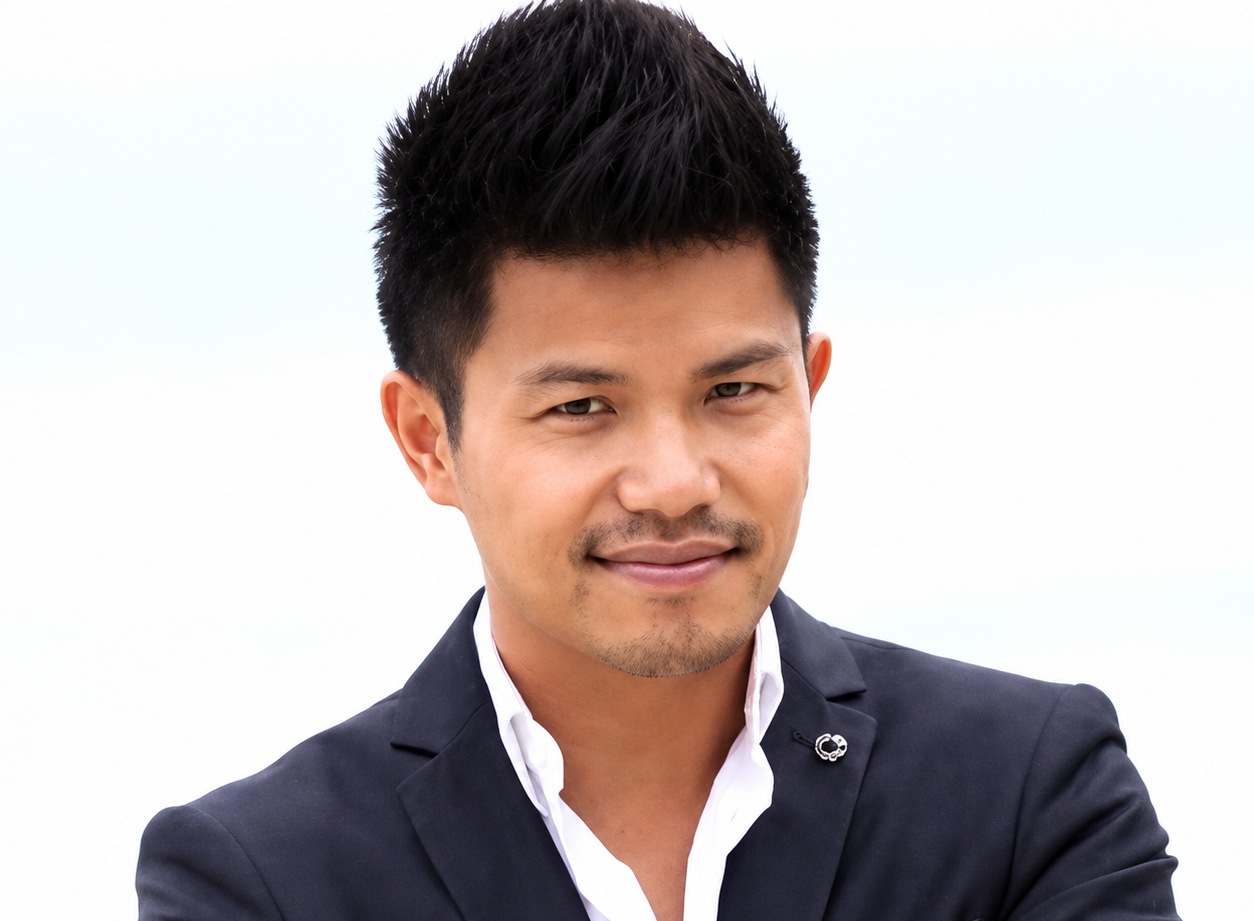
Thanh Tran
Thanh Tran is Co-CEO of A5 Labs, a Foster City-based AI company building game integrity infrastructure for competitive online gaming. With a PhD in Computer Science from Karlsruhe Institute of Technology and a background scaling Upwork's data science team through its IPO, he now leads a 180-person team applying deep reinforcement learning, blockchain reputation systems, and real-time behavioral analytics to eliminate bots, collusion, and cheating from online poker and beyond.
Siva Samy
Dr. Siva Samy is the founder, CEO, and Chief Product Strategist of ValGenesis, the global leader in digital validation lifecycle management for the life sciences industry. He built the first platform to fully digitize and automate the pharmaceutical validation process - the compliance-critical system that ensures every drug, device, and biotech product is manufactured correctly. Under his leadership, ValGenesis has become trusted by 30 of the top 50 global life sciences companies and has raised over $40 million in funding, including a $24M investment from Morgan Stanley Expansion Capital and a $16M debt financing in 2025.
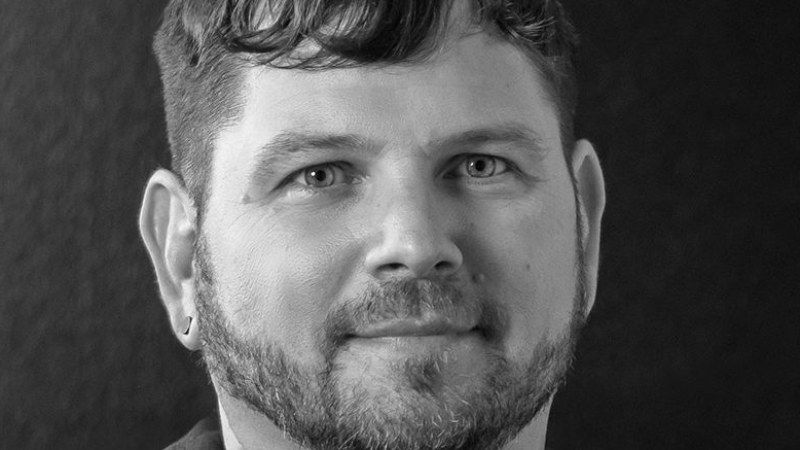
Chris Emerson
Chris Emerson, PhD, is the Founder, Chief Scientist, and CEO of LEVEL, California's #1 cannabis tablet brand. A US Navy veteran and Chinese interpreter turned small-molecule chemist, he abandoned a Stanford postdoc in 2012 to spend four months living in a tent on a Mendocino cannabis farm - and emerged with a founding thesis that would reshape how the industry thinks about getting high. Instead of chasing THC percentages, he built LEVEL around effects-driven cannabinoid formulations using precise ratios of acidic, neutral, and degradative compounds the plant alone can't deliver. Two US patents, multiple peer-reviewed publications, and an IRB-approved clinical trial later, LEVEL is the top-selling cannabis tablet brand in California, now operating in seven states.
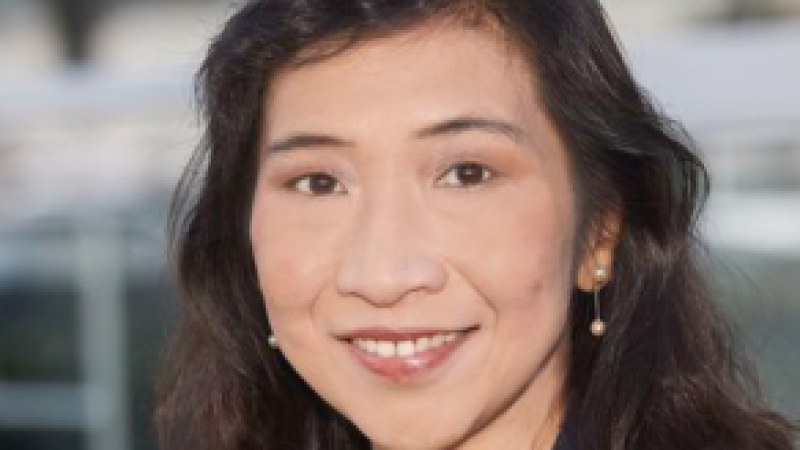
Judy Chou
Dr. Judy Chou is the President, CEO, and Board Member of AltruBio Inc., a clinical-stage biotech company in San Francisco pioneering a first-in-class immune checkpoint enhancer platform targeting PSGL-1/CD162 to treat autoimmune diseases. With over 25 years of experience spanning Bayer Pharmaceuticals, Pfizer, Genentech, and Wyeth, she led AltruBio through a landmark $225M Series B financing in 2024 and is advancing lead candidate ALTB-268 through Phase 2 trials for ulcerative colitis. Recognized as one of Endpoints News' Top 20 Women in Biopharma (2025) and a Most Influential Women in Business honoree (San Francisco Business Times, 2018), she holds a Ph.D. from Yale University and conducted post-doctoral training at the Max-Planck Institute in Germany.

Mark McClure
Mark McClure is the co-founder and CEO of ResFrac Corporation, a Palo Alto-based company building advanced physics-based simulation software for the energy industry. A Stanford PhD in Energy Resources Engineering, he spent time as an assistant professor at UT Austin before founding ResFrac in 2015. His research on hydraulic fracturing, induced seismicity, and enhanced geothermal systems has earned over 5,800 scholarly citations and an h-index of 38. Under his leadership, ResFrac has grown to serve 60+ exploration and production companies and secured a platform investment from Banneker Partners in 2026. He also advises Fervo Energy on geothermal development.
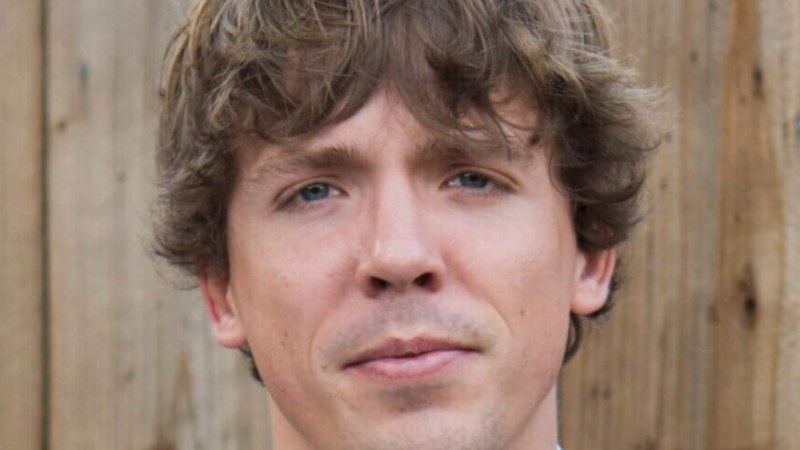
Scott Clark
Scott Clark is the Co-founder and CEO of Distributional, an enterprise AI testing platform that helps companies identify behavioral drift and unknown failures in AI systems. A triple-degree graduate of Oregon State University with a PhD in Applied Mathematics from Cornell, he co-founded and sold SigOpt (a Bayesian optimization platform backed by Y Combinator and a16z) to Intel in 2020, then led 200 engineers as VP & GM of AI/HPC Supercomputing at Intel before founding Distributional in September 2023. The company raised $30M in under a year, including a $19M Series A led by Two Sigma Ventures in October 2024.
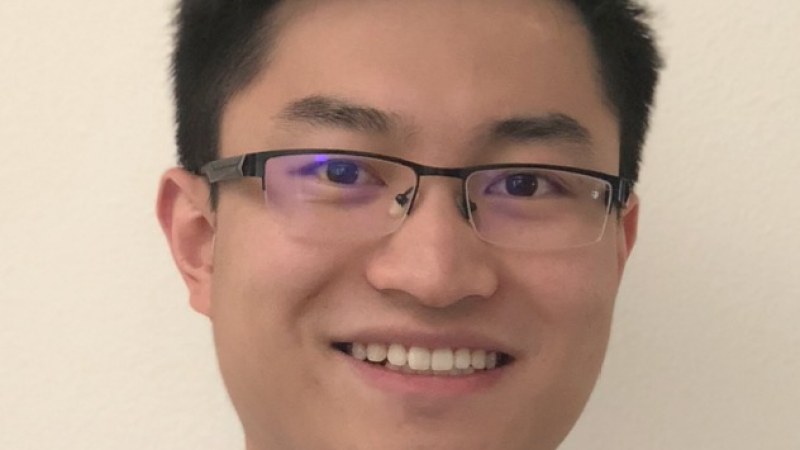
Thomas Tang
Te (Thomas) Tang is Co-Founder and CEO of Anyware Robotics, a Fremont, California-based startup building AI-powered mobile robots for warehouse logistics. A UC Berkeley robotics PhD and founding member of FANUC's Silicon Valley research center, Tang combines deep academic research with industrial commercialization experience. His flagship robot, Pixmo, autonomously unloads shipping containers at 1,000 boxes per hour, won MHI's Best New Innovation award at ProMat 2025, and helps customers reduce receiving labor costs by up to 60%. In March 2025 Anyware Robotics closed a $12M seed round led by GFT Ventures, accelerating commercial deployments with leading third-party logistics providers.
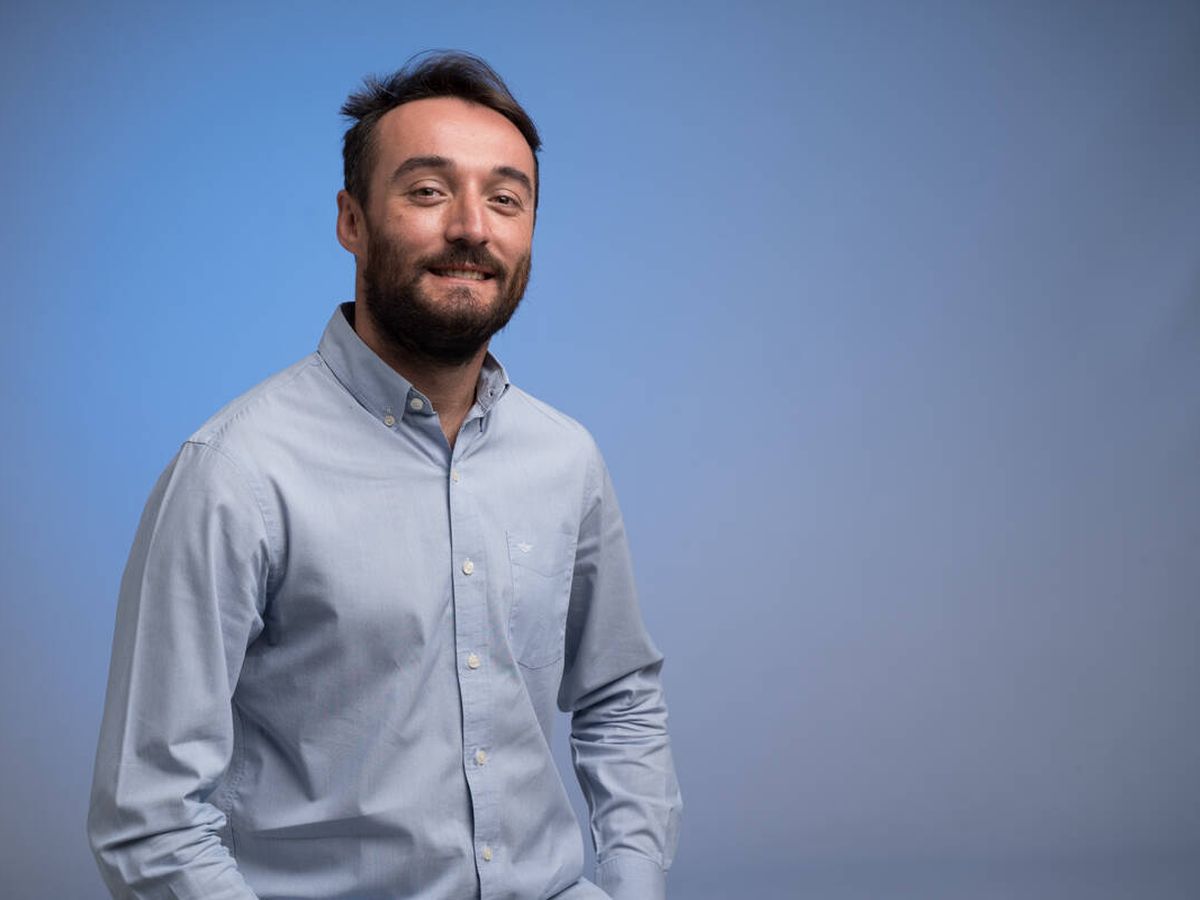
Chema Molina
Chema Molina is the CEO and founder of Frenetic, a Madrid-born, San Francisco-based deep-tech company that uses AI to collapse the design time for high-frequency magnetic components from nine months to one week. Holding a PhD in Industrial Electronics from Universidad Politécnica de Madrid, Molina built Frenetic on the conviction that power electronics — the invisible backbone of EVs, aerospace, and consumer devices — deserved smarter, faster design tools. His platform now serves clients including NASA, GE, Bosch, Infineon, and Thales Alenia Space, and has raised over $19 million in funding, including a $12.3M Series A led by Kibo Ventures in 2023.
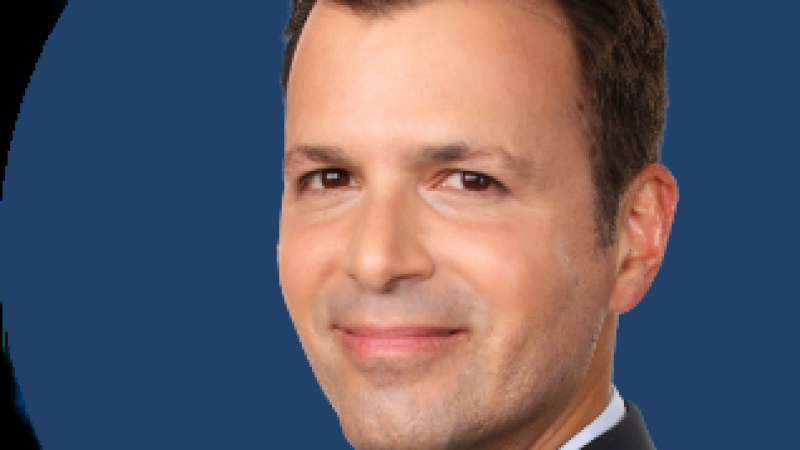
Adam Rosenthal
Adam Rosenthal is the CEO and Founder of Star Therapeutics, a clinical-stage biotech he launched in 2018 with a mission to develop life-changing therapies for rare diseases. An MIT and Harvard-trained biomedical engineer, Rosenthal built Star around the insight that shared biology across multiple rare diseases can yield single therapies addressing many conditions at once. His lead asset VGA039 - a first-in-class monoclonal antibody targeting Protein S - entered Phase 3 trials in 2025 for von Willebrand disease, the most common inherited bleeding disorder. Star has raised over $315 million from top-tier life sciences investors including Sanofi Ventures and Viking Global Investors.