productivity
(138)
John Rampton and the price of three little letters
Before Due became a business, it was a $130,000 domain name. For John Rampton, the distance between a good address and a useful company has always been measured in people.

Alex Young and the art of having another go
A snowbound weekend in New York helped Alex Young decide what to do next. The Virti founder has spent the years since building places where people can practise before the moment counts.
Coach.me discovered that a checkmark needs company
The habit app began with points and became a marketplace for human encouragement. Its wager: a small daily action gets easier when someone notices.
Plaud put a price on forgetting
A small recorder, a paid AI service, and a surprisingly consequential button. Plaud is building a business around the part of work that happens before anyone opens a document.

Your To-Do List Needs a Clock
Akiflow pulls scattered tasks into one calendar and makes every ambition bargain for a real hour. For busy professionals, that honesty can be worth more than another heroic to-do list.
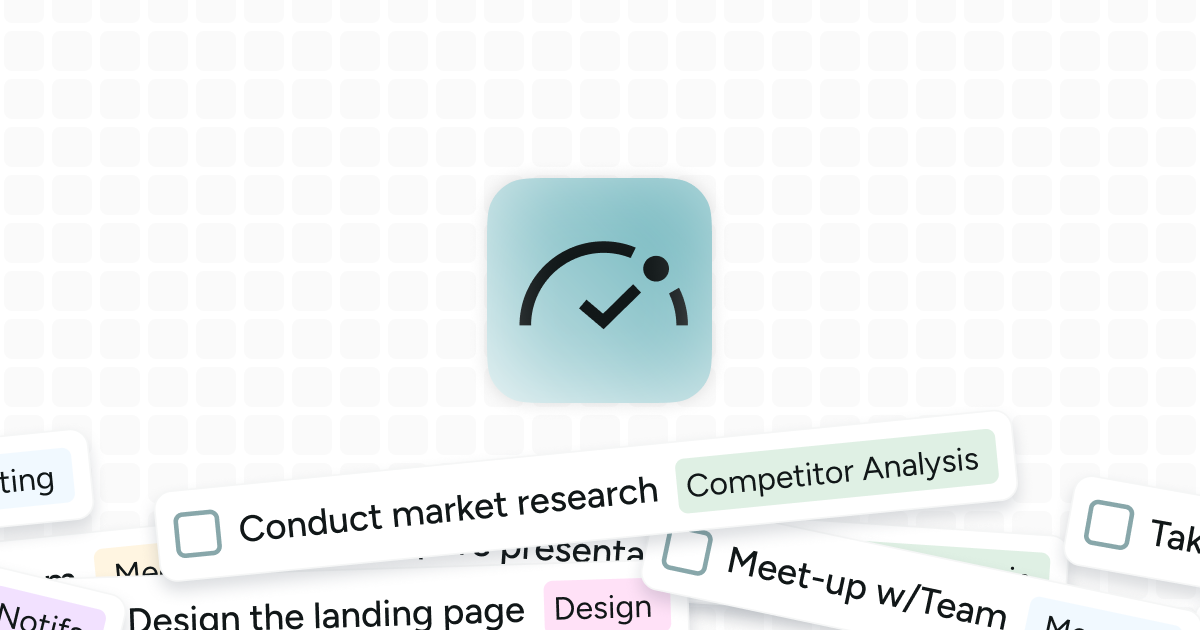
BeforeSunset AI Plans the Day You Keep Postponing
It turns a messy brain dump into a realistic schedule, then gives you a pleasant little room in which to do the work. The clever planning deserves a look; the recent billing complaints deserve one too.

Taskade Put a Brain Inside the To-Do List
The friendly collaborative outliner has grown into a prompt-powered app factory. For small teams willing to teach their workspace a few tricks, that strange evolution can cut a remarkable number of tabs.
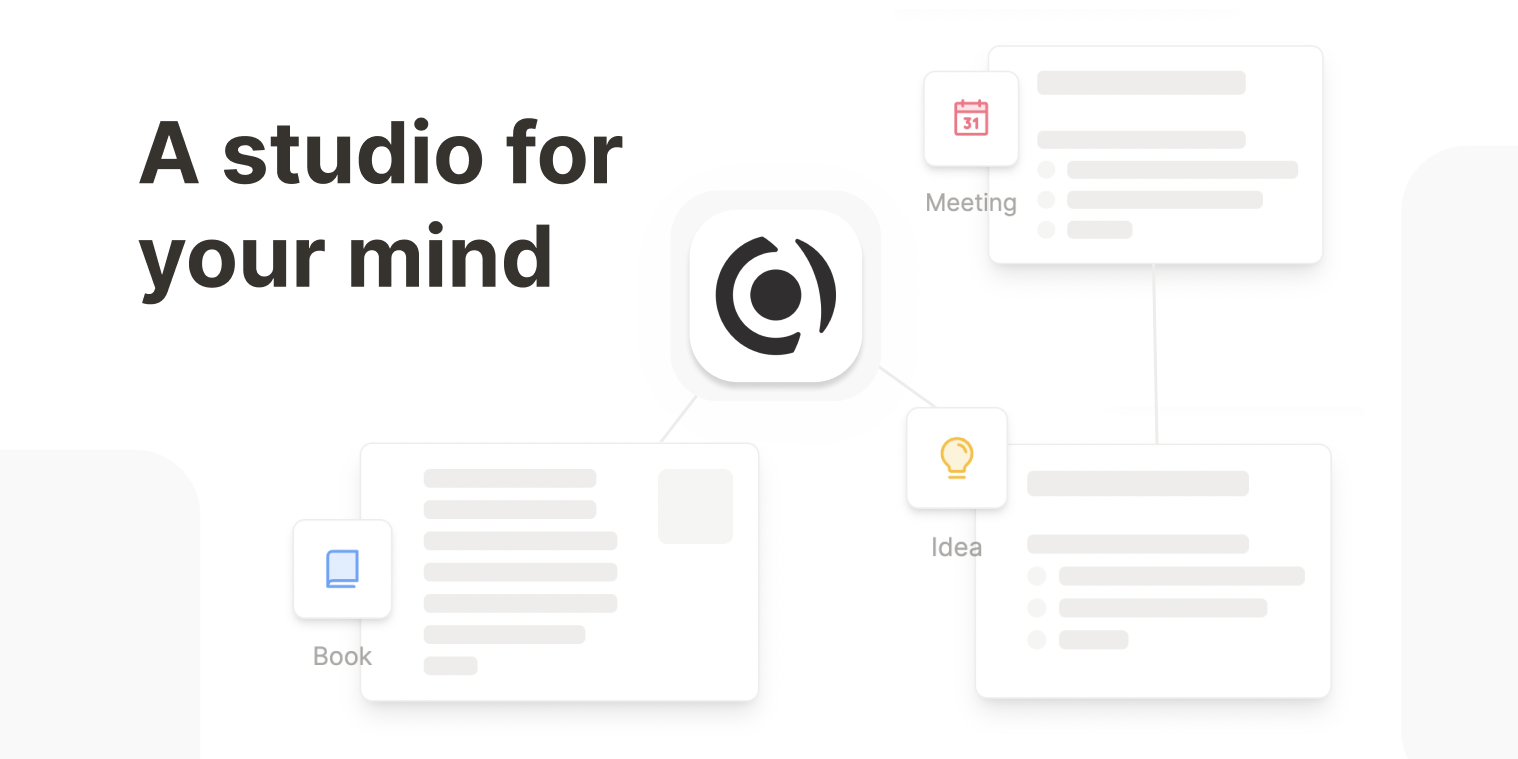
Your Notes Have Been Asking for Better Plumbing
Capacities turns the shoebox of digital notes into a cast of people, books, meetings and ideas. The catch is deliciously specific: it works best when you are willing to stop thinking in folders.
Granola Wants Your Meetings to Earn Their Keep
The bot-free AI notepad turns hurried bullets into useful memory. For meeting-heavy people, it may be the first recorder that feels more like stationery than surveillance theatre.
The AI Planner for People Who Don’t Trust AI Planners
Trevor AI turns the wishful thinking of a to-do list into appointments with yourself. Its defining feature may be the restraint to ask before moving anything.
Supernormal Turns the Meeting Hangover Into Finished Work
The former AI notetaker has grown hands, a desktop app, and a taste for client work. Its best trick begins after everyone leaves the call.
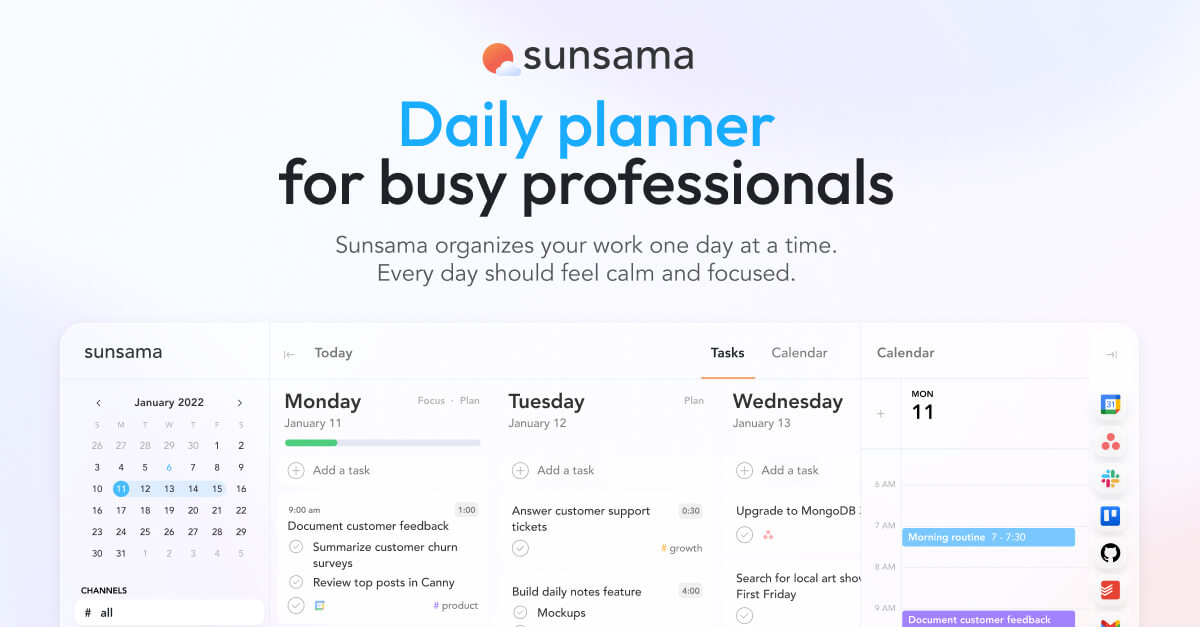
The Planner That Makes Overbooking Feel Slightly Embarrassing
Sunsama asks one unfashionable question: will all that work actually fit before dinner? For overloaded professionals, its daily ritual can be the difference between a plan and a guilt list.
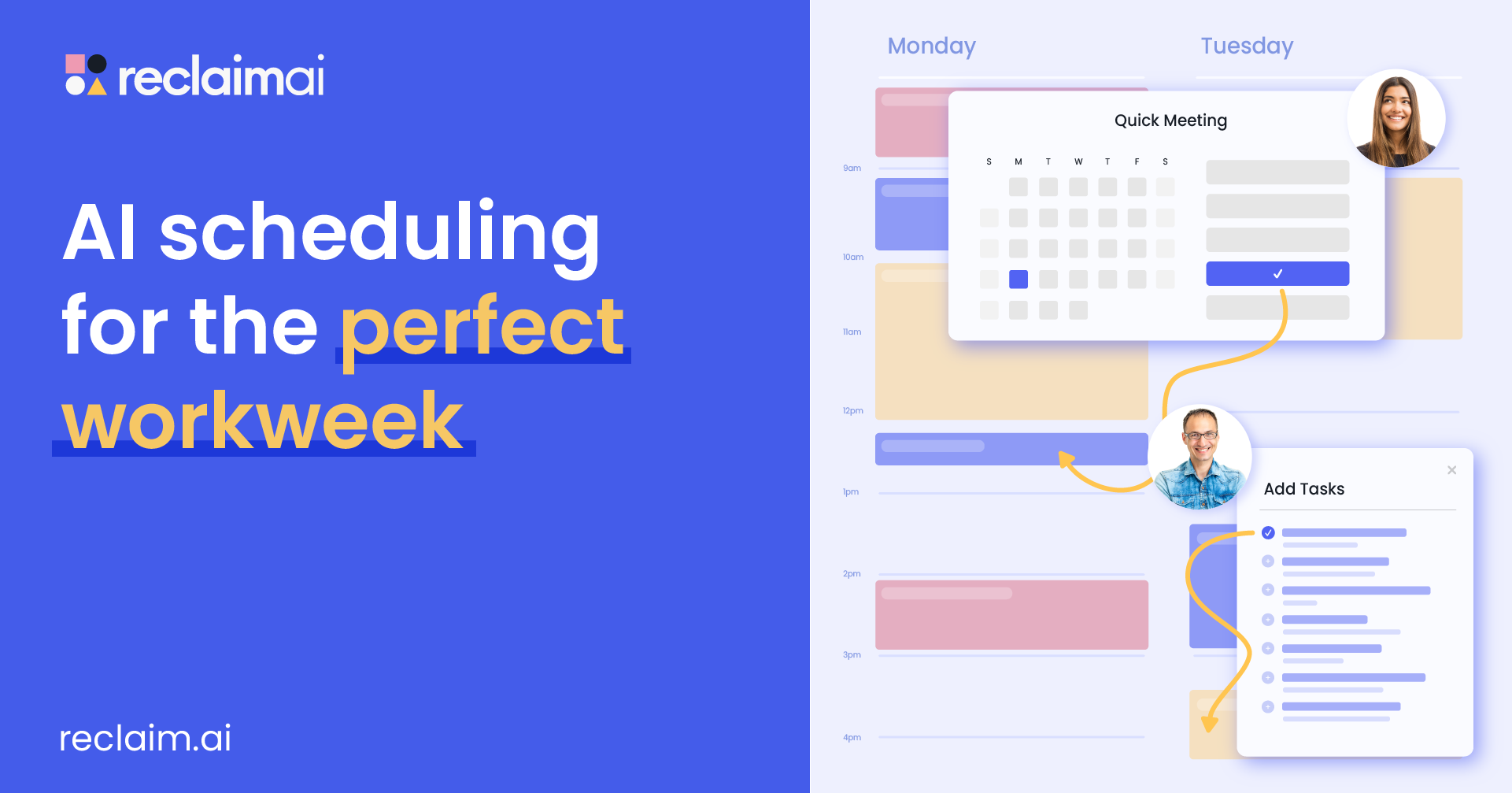
Reclaim Runs the Calendar. You Keep the Week.
The AI scheduler moves focus blocks, habits, tasks and meetings as the week changes. It is useful precisely because it meddles - and that is also the part you need to trust.
Fathom Remembers the Meeting So You Can Attend It
Fathom has grown from a polite Zoom stowaway into a searchable memory for your working life. The question is no longer whether it can take notes, but whether you are ready to let another app remember the room.
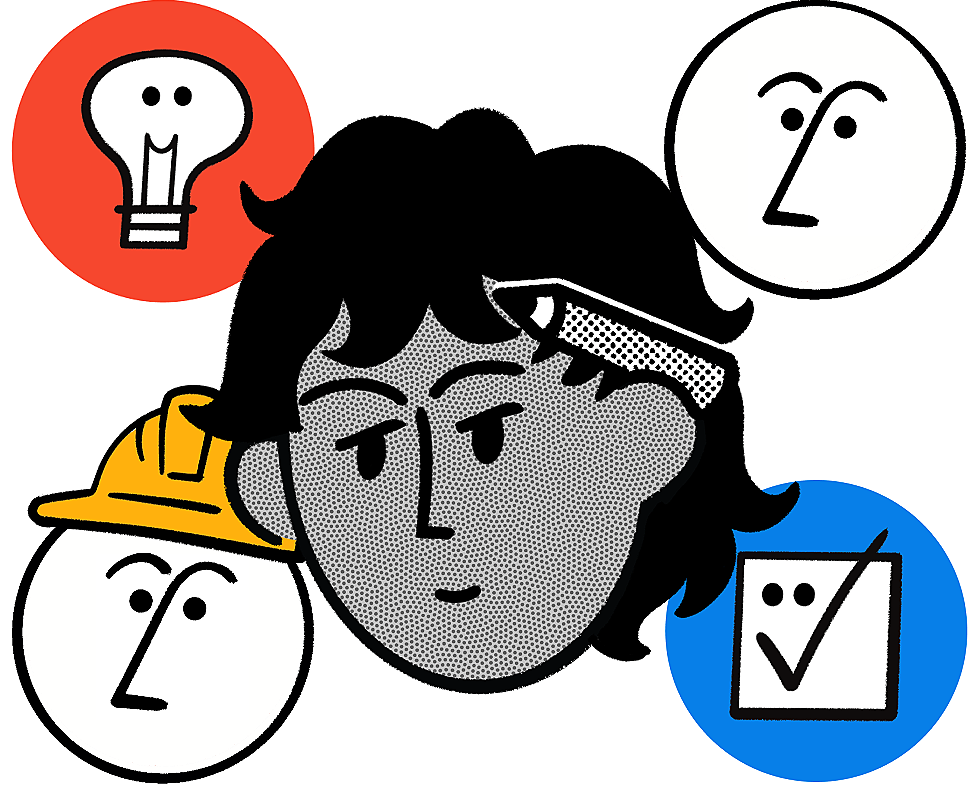
Notion AI Ate the Busywork
The writing assistant grew hands, learned your filing system, and started attending meetings. For teams already living in Notion, that is either the missing colleague or a very persuasive reason to tidy the office.

The Microsoft Executive Who Thinks Your Next Colleague Is Software
Jared Spataro spent two decades helping Office become a service and Teams become a workplace. Now he is selling a stranger idea - software will go beyond assisting the organization and join the org chart.
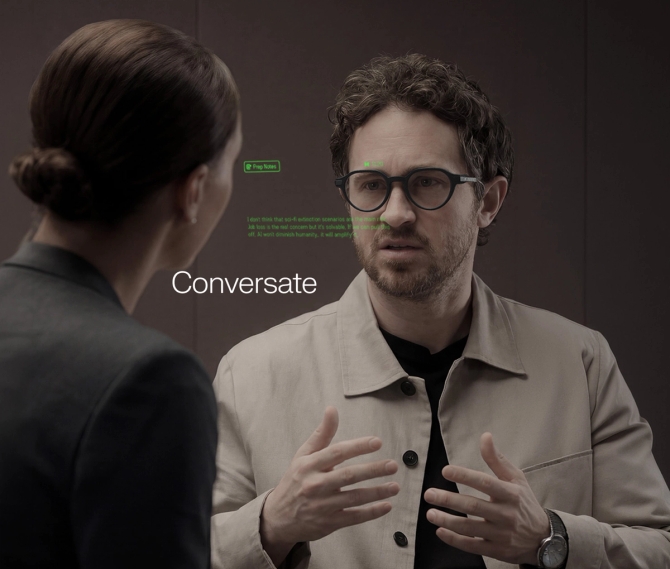
The Smart Glasses That Refuse to Film You
No camera. No speaker. Just a green line of text floating where you need it. Even Realities built the anti-spectacle smart glasses - and turned itself into a billion-dollar company doing it.
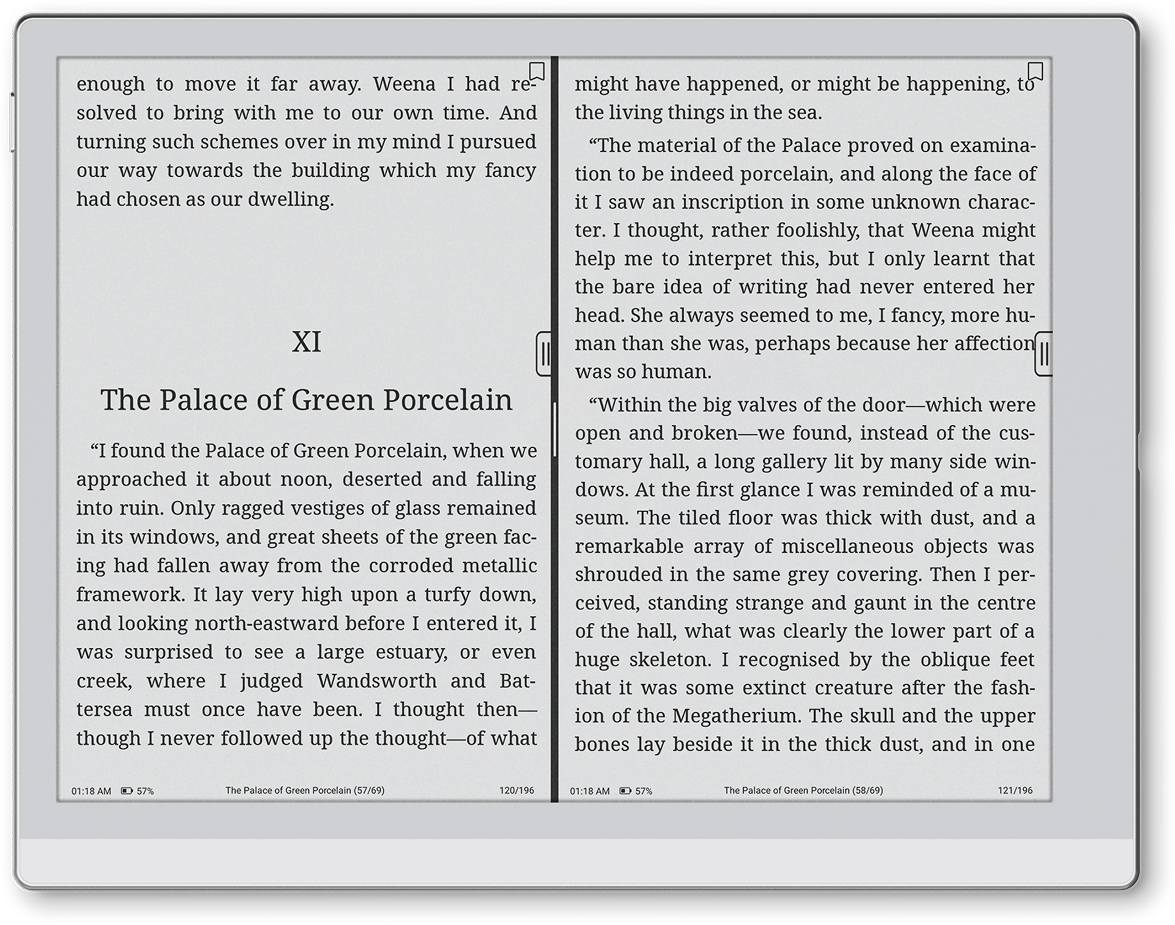
The E-Reader That Runs Away From Home
Onyx put the whole Google Play Store behind a sheet of E Ink, shaved it to 4.8mm, and pointed it at everyone who ever wanted to leave the Kindle walled garden without giving up their books.

Notion vs ServiceNow and the War for Where Work Lives
One grew from the bottom up, adopted by individuals who never asked IT for permission. The other grew from the top down, running the workflows that keep the Fortune 500 upright. They are converging on the same question: where should work actually live?
Scribe
The San Francisco startup turned the tedium of writing instructions into a single click - and quietly became the record of how work actually gets done inside 94% of the Fortune 500.
The Company Wiki Nobody Reads, and Four Bets to Change That
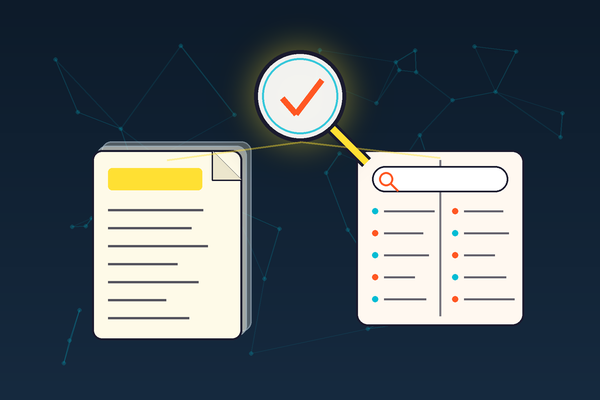
Nuclino, Tettra, Notion, and SAP are chasing the same unglamorous prize - a place where a team's answers live and can actually be found. Here is how four very different bets on company memory stack up.
Nuclino
A modern, simple, and blazingly fast way to collaborate - bring knowledge, docs, and projects together in one place.
Jotform
Twenty years, 35 million users, and not a cent of venture money: how Aytekin Tank turned a coder's most boring chore into a form-building empire.

Autostep
Autostep is a San Francisco startup building a desktop app that installs across an organization to map how people actually work, surface repetitive high-cost tasks, and rank them by cost and impact so leaders know what is worth automating. Framed as "the P&L for knowledge work," it measures the ROI of both human effort and AI agents, then recommends whether to build an agent, change a process, standardize a workflow, or use software the company already pays for. Founded by Aidan Pratt and backed by Y Combinator (Spring 2026 / P26) and Neo.

Blue
Blue is a Y Combinator-backed (S25) startup building a voice-first way to operate an iPhone. Its shipping product is the Blue Smart Dictation Keyboard, an iOS keyboard that turns spoken thoughts into polished text and is pitched as roughly four times faster than typing. The longer-term product is a small USB-C dongle plus app that lets you speak a task - send a follow-up, book something, reply to a thread - and have Blue open the right app and carry it out hands-free. The founding team previously worked on Google Assistant, Google DeepMind, and Apple Vision Pro.

Caddy
Caddy is a personal AI for everyday work that lives in your text messages and responds to voice. Built by the team that led product and design for Loom's AI suite, it connects to the tools people already use - email, calendar, Slack, Linear, Notion - and gets work done without forcing anyone to open yet another app. You text or talk; Caddy handles the tickets, reminders, scheduling and follow-ups. The company is part of Y Combinator's Fall 2025 batch and is based in New York City.

jo
jo is a voice-first personal AI agent for macOS that runs on your Mac and a private, per-user cloud machine. Rather than waiting to be asked, it proactively summarizes what is on your screen, drafts emails, manages your calendar, clips relevant content, and keeps up with the loose ends of work and life. Built natively in Swift for Apple Silicon and backed by Y Combinator (W24), jo reaches users across Mac, web, iMessage, Telegram, and WhatsApp while keeping personal data local and out of model training.

Logical
Logical is a proactive desktop AI copilot for knowledge workers. Instead of waiting for prompts, it watches what you are working on across apps like Gmail, Slack, Excel and Apple Mail, carries context between them, and suggests actions - drafting emails, detecting to-dos, taking meeting notes and answering questions - with a few clicks. Founded in 2025 by childhood friends Sam Karu and Anushka Idamekorala, it is widely reported as the first startup with an entirely Sri Lankan founding team admitted to Y Combinator (Fall 2025 batch).

Your Boss Has All Your Work Data. Why Don't You?
A Go2 Newsroom story explaining the company's worker-empowerment product philosophy behind its management platform. Rather than functioning as a worker-monitoring system, Go2 positions the platform as a bottom-up aggregator of worker behaviors that gives employees useful access to their own work data and a directory of AI tools. The same system that helps managers see what people are working on is meant to help workers understand expectations, sharpen skills, and make better decisions about how they work.
Slidely AI
Slidely AI is a Y Combinator-backed (S22) startup building an AI copilot that lives inside Microsoft PowerPoint. Instead of exporting to a web builder, users generate, redesign, reformat and proofread fully editable slides from a natural-language prompt, and the tool learns a company's existing fonts, colors and layouts so output looks on-brand rather than generic. Founded in 2022 by Apoorve Singhal and Nikhil Shah, the company targets consultants, corporate teams and students who live in PowerPoint and want to cut the time spent formatting decks.