The Focus Issue
Ricky
Ricky
Yean &
the art of
company
He decided the thing standing between you and your work was not discipline. It was the empty room. So he filled it.
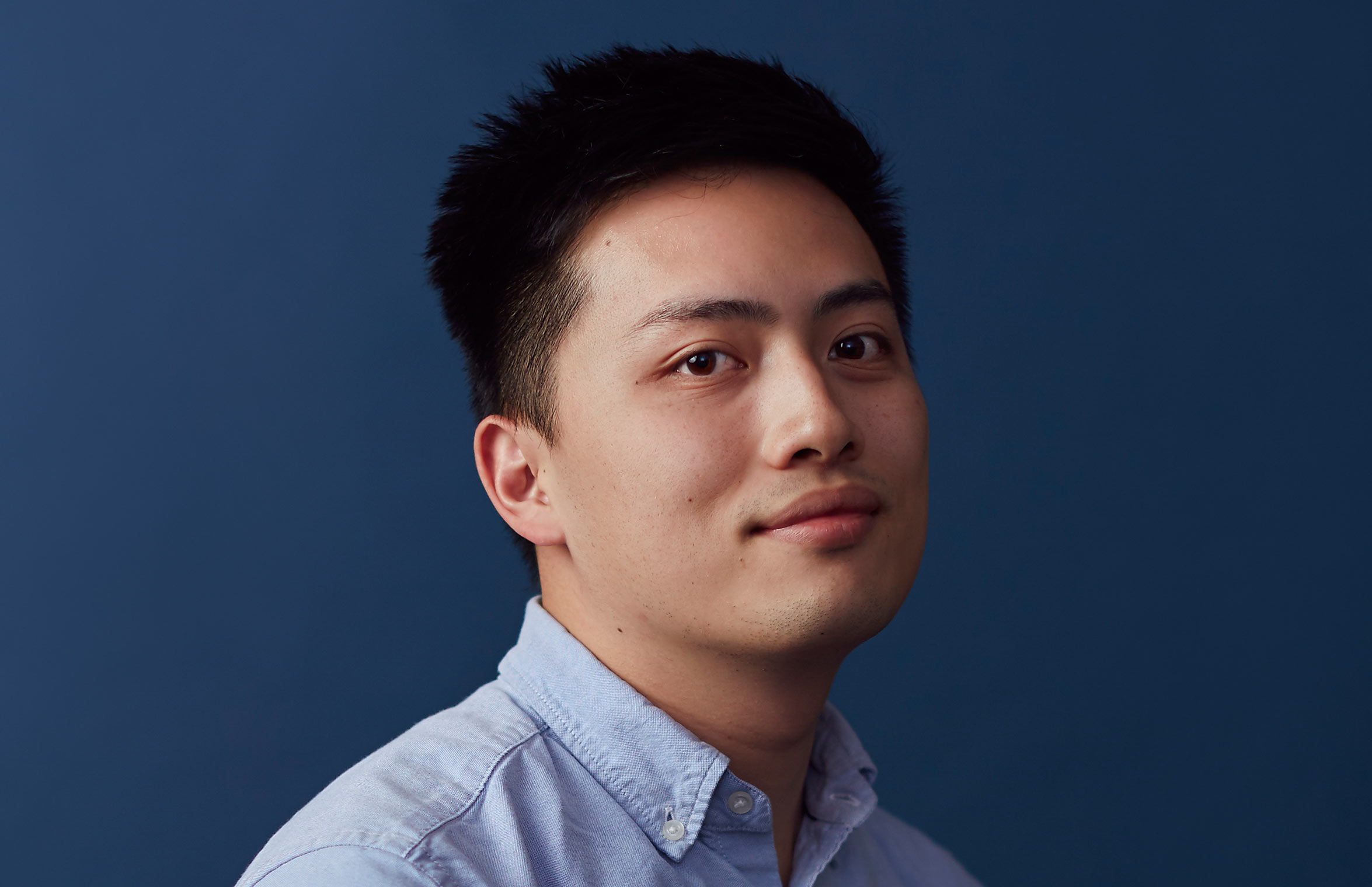
RICKY YEAN / FLOW CLUB
He decided the thing standing between you and your work was not discipline. It was the empty room. So he filled it.
Open a laptop. Stare at a blank document. Nothing moves. Most people call that a discipline problem and reach for another productivity app. Ricky Yean looked at the same blank screen and saw a missing person in the room.
Today he is the co-founder and CEO of Flow Club, a virtual coworking community where strangers log into live video sessions, state a goal, mute themselves, and work side by side until the timer runs out. The mechanism is older than software - it is called body doubling, the simple fact that we focus better when someone else is focusing nearby. Yean's contribution was noticing it would scale.
Flow Club did not set out to be a refuge for neurodiverse workers. It became one. "The most pronounced [change] has been the emergence of Flow Club as a solution for folks who experience ADHD," Yean has said, calling it incredibly rewarding to watch that part of the membership find a community of peers, grow more confident, and believe more in what they could pull off.
That accidental fit explains the loyalty. Members do not drop in once. They average ten to eleven sessions a week - a number that looks less like a tool and more like a habit, or a place. The testimonials, in Yean's word, run "exuberant."
He practices what he ships. Yean blocks his day into thirty-minute chunks and reviews his output every evening. A good day is twelve productive chunks - six hours of real, focused work. His favorite task to bring into a session is writing, because it is the one that drops him cleanly into flow. The soundtrack: lyric-free hip hop, jazz instrumentals, and, oddly, video game music from a man who does not play video games.
He was born in Taipei and arrived in Los Angeles at eleven, after his parents separated, traveling with his father. His mother stayed behind the daily grind of multiple jobs. Between the ages of eleven and eighteen he saw her only twice - the visits were too heavy to repeat often.
What he remembers most is the sound. Her heels at the door, around six in the evening, meant she had come for dinner before going back to work. That was his favorite moment of the day. A childhood split across an ocean teaches you to hold two opposing truths at once. He has been doing it ever since.
Stanford arrived as something close to a miracle - a near full-ride funded by the university's endowment. He has called it the thing that revealed what his life could become. On campus he ran BASES, led the business fraternity AKPsi, and founded the Stanford Venture Capital Club. He graduated in 2010 with a degree in Science, Technology, and Society.
He looks like an engineer - Asian, male, Silicon Valley - and is not one. Stanford implied a privilege he never had. He writes openly about the guilt of raising venture money while unable to quietly cover his father's car repair. He calls Asian-Americans "cultural orphans," and means it as a starting point, not a complaint.
Immigrates from Taipei to Los Angeles with his father. Learns early to read a room from every angle.
Graduates Stanford on a full endowment scholarship; co-founds Crowdbooster with David Tran and Mark Linsey and joins YC's Summer 2010 batch.
Crowdbooster joins StartX and grows into a leading Twitter and Facebook analytics tool - 2,000+ brands, roughly $1M ARR, and a hand in popularizing Social Media Optimization.
Co-founds a tech-enabled PR service to democratize media access. It helps 500+ businesses earn coverage in two years.
Winds Upbeat down after concluding the model would never scale like a tech company. A hard call, made cleanly.
Founds Flow Club and returns to Y Combinator (S21). Later announces roughly $5M in funding as the community finds its truest fans.
One of the early social analytics tools that mattered. Clients ranged from Nike and Red Bull to JetBlue, the United Nations, Edelman, Ogilvy - and, yes, Britney Spears. Showed up in marketing textbooks and college syllabi.
PR for the rest of us. A tech-enabled service that helped more than 500 small businesses land press coverage - until the math said it would not scale, and Yean said so out loud.
Live, hosted coworking where focus is a group activity. Beloved by remote, independent, and neurodiverse workers who show up again and again because the room is finally full.
He does standup comedy on the side. The room, again, is the point.
A good workday is exactly twelve thirty-minute chunks - six hours of focus, reviewed nightly.
His focus playlist leans on video game music, despite not playing video games.
He writes a weekly Substack on startups, Asian America, and life - while insisting he is not a writer.
His blog's icon is a cartoon cat. No further explanation has been offered.
Y Combinator's modest early check, he says, felt like "freedom."