autonomous-driving
(37)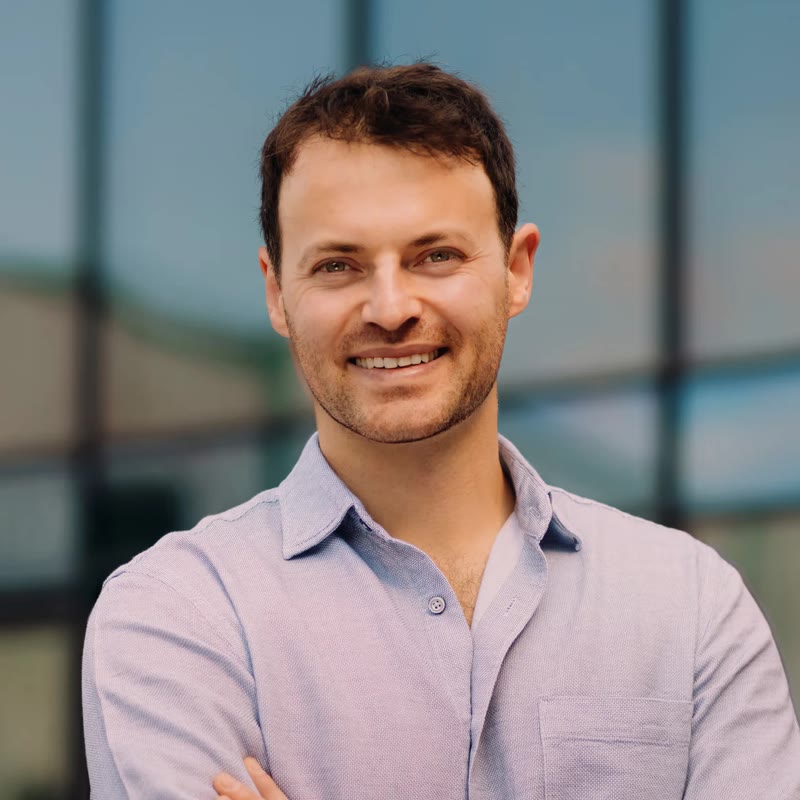
Alex Kendall’s car learned the wrong lesson.
An early Wayve experiment rewarded a car for distance travelled. It learned to zigzag. For Alex Kendall, the journey from that awkward lesson to production car agreements has been an education in what intelligence actually requires.
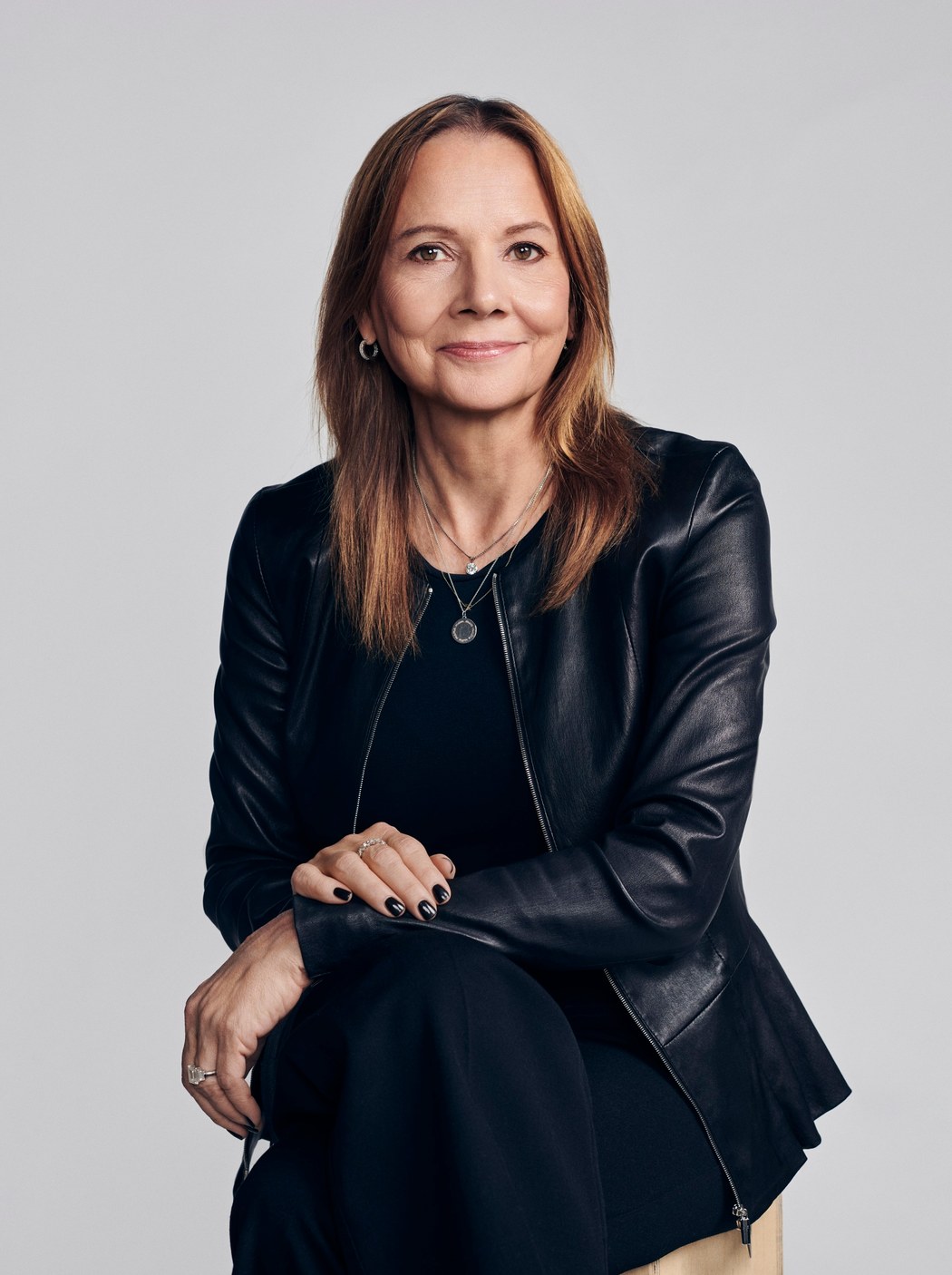
Mary Barra and the power of two words
Before she became CEO, Mary Barra cut GM’s ten-page dress code to “Dress appropriately.” Her larger project has been getting a century-old carmaker to trust people with decisions far harder than what to wear.
Julian Ma and the long road to ordinary
Julian Ma rode in front of his own autonomous truck to demonstrate its brakes. Years later, the Inceptio founder is pursuing a harder test: making the technology part of the everyday freight business.
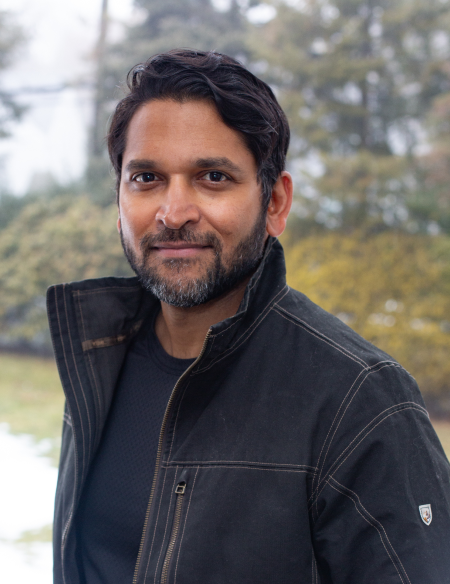
Ro Gupta and the trouble with a finished map
Ro Gupta built CARMERA around a simple problem: streets change faster than maps. Now the New York founder leads Woven Capital, bringing the habits of a startup builder to Toyota’s $1.6 billion venture platform.
Argo AI taught cars to drive. Then its backers changed direction.
Ford and Volkswagen backed a machine that could navigate city streets. Argo’s harder assignment was reaching a profitable business before its investors ran out of patience.
Innoviz and the long wait to look away
A laser sensor helped BMW let drivers look away from the road. For Innoviz, the harder task is turning years of engineering into a business that can afford the wait.
Wayve Raised $2.5 Billion to Teach One AI Driver Every Road
The London company skipped hand-coded rules and high-definition maps for a driving model that learns from experience. Its harder test begins now: turning an elegant research bet into ordinary cars and rides people can actually buy.
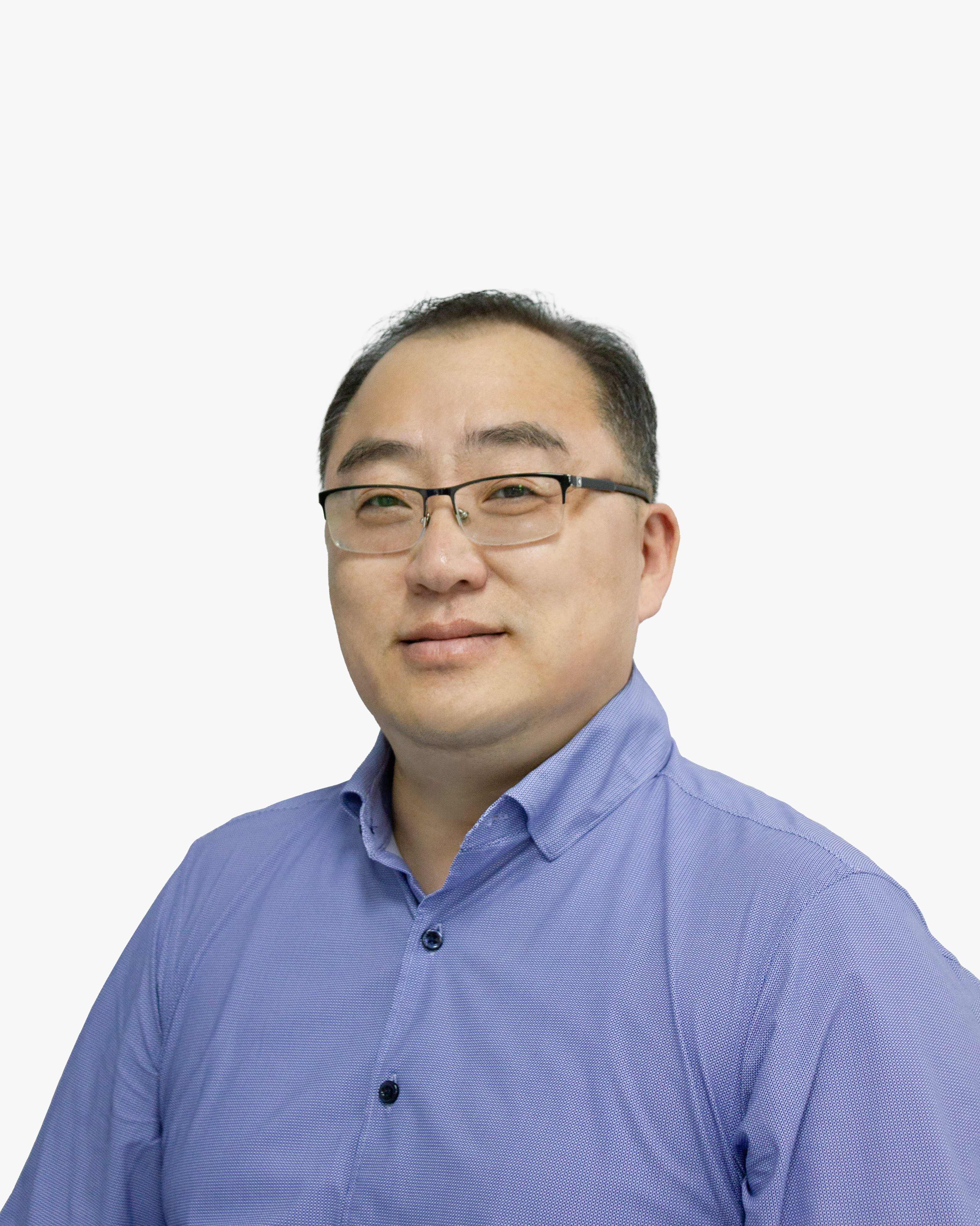
The Modem That Refuses to Stay Put: Hojun Kim’s Bet on Software-Defined Roads
After years designing chips, Hojun Kim is trying to make road infrastructure age more like software: upgradeable, interoperable and ready for the next radio standard.
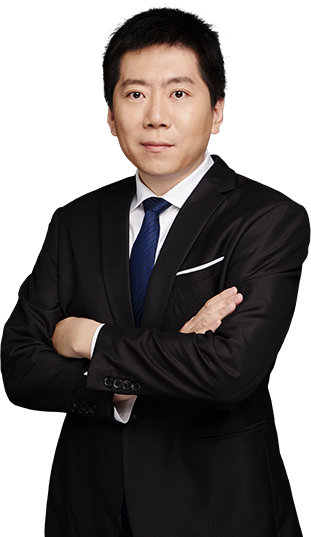
Lei Xu Is Teaching Cars to See - Then Asking What Sight Is For
The former Tesla Vision engineer built Nullmax around a stubbornly practical idea: autonomous driving only matters when the software can leave the demo, fit the car and survive the road.
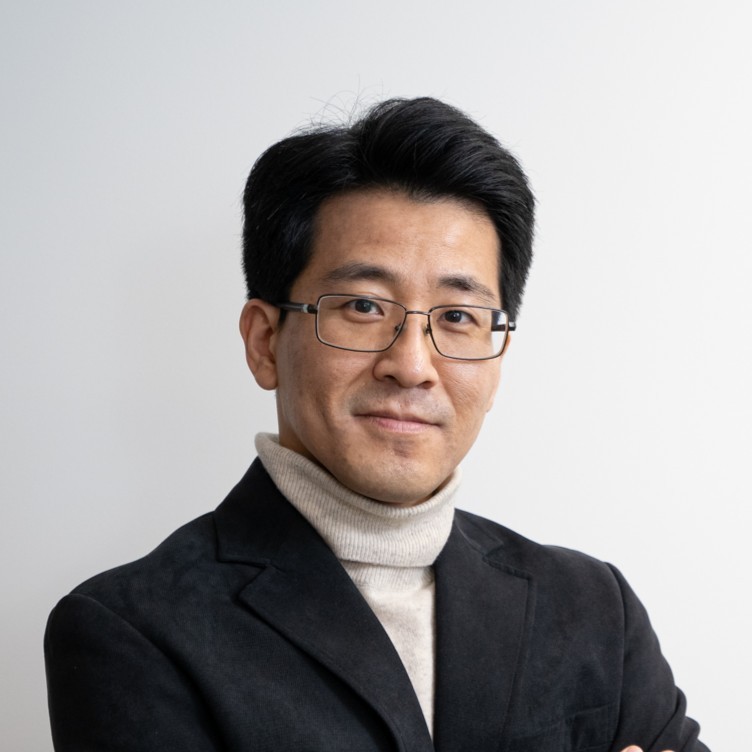
Hyunggi Cho Bet on the Part of Self-Driving That Had to Ship
A cafeteria conversation became a nine-year lesson in automotive patience. Hyunggi Cho built Phantom AI around the unfashionable idea that the road to autonomy begins with driver assistance people can actually use.

Phantom AI Stopped Chasing the Robotaxi - and Sold the Safety Layer Every Truck Was Missing
A bruising highway demo exposed the gap between autonomy theater and dependable safety. Phantom AI spent the next eight years making the less glamorous bet - affordable software that can see a pedestrian, fuse a radar return and help an ordinary vehicle stop.
Tesla Wants to Sell You a Car - Then Replace the Grid Around It
The company that made the electric car feel inevitable is now trying to turn vehicles, batteries, chargers and software into one enormous machine. The cars still pay most of the bills, but Tesla's next argument is about infrastructure.
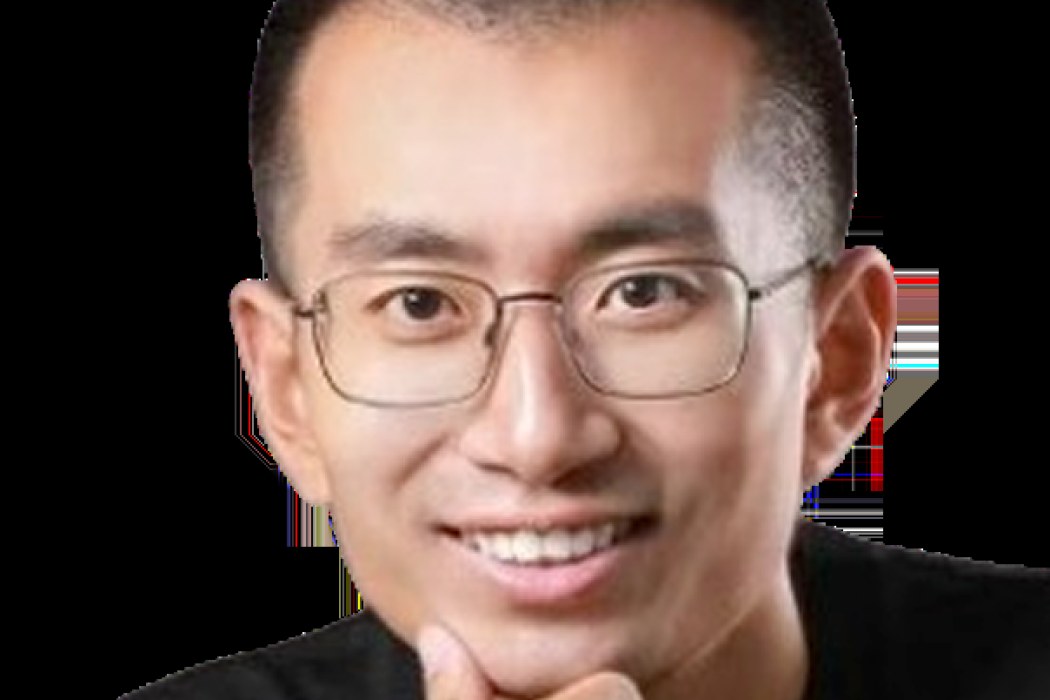
Steve Xie
Steve Xie is the founder and CEO of Lightwheel, a physical AI infrastructure company building simulation and synthetic data systems that teach robots to learn and operate in the real world. A physicist by training with a Columbia PhD, he led autonomous driving simulation at Cruise, NVIDIA, and NIO before starting Lightwheel in 2023. The company supplies SimReady 3D assets, egocentric human data, and robot evaluation tools to labs including NVIDIA, Google DeepMind, and Figure, and raised roughly $137.5 million in 2026 to expand its data and evaluation infrastructure.
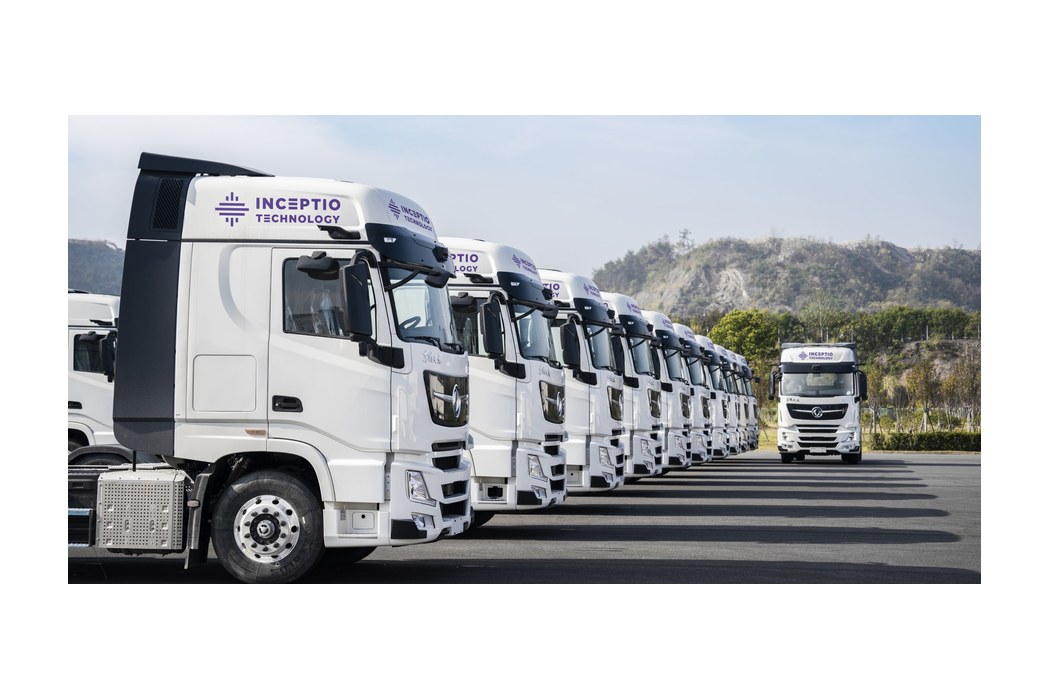
Inceptio Technology
Inceptio Technology is a developer of full-stack autonomous driving systems for heavy-duty trucks, headquartered in Shanghai with an R&D center in Fremont/Santa Clara, California. Founded in 2018 by Julian Ma, it works with truck OEMs to mass-produce Level 3 highway-capable trucks and operates one of the largest real-world autonomous freight fleets in the world. Its proprietary XUANYUAN and T-NOA systems power more than 4,000 trucks that have logged over 400 million kilometers of commercial operation for customers including JD Logistics, Nestle, Budweiser and Deppon Express, as it charts a data-driven roadmap toward scalable Level 4 autonomy.
Ettifos
Ettifos is a South Korea-based, 5G-focused V2X (vehicle-to-everything) company building the communication layer that lets cars, roadside infrastructure, and pedestrians exchange safety and traffic data in real time. Its flagship SIRIUS platform uses a software-defined modem that can switch between LTE-V2X and 5G-V2X with a software update, and its plug-and-play V2X-AIR onboard unit brings standards-compliant connectivity to both new and existing vehicles. Founded in 2018, the company works with partners like Keysight, Autotalks, Audi, and Kapsch TrafficCom, and closed a Series B round in 2025 to scale a C-V2X hardware accelerator chip and expand into U.S. and European markets.
Nullmax
Nullmax is an AI company building vision-only, map-free autonomous driving software for mass-produced cars. Founded in Silicon Valley in 2016 by former Tesla Autopilot engineer Lei Xu and headquartered in Shanghai, it develops MaxDrive, a chip- and sensor-agnostic driving stack, and Nullmax Intelligence (NI), an end-to-end, multimodal system that reads the road with cameras instead of lidar or high-definition maps. Its technology ships in production vehicles from major Chinese automakers.
Stardust AI
Stardust AI is a San Francisco-founded, data-centric AI company that helps enterprises turn raw, messy, multimodal data into the high-quality datasets that machine-learning models actually need. Through its Rosetta auto-labeling platform, its MorningStar data engine and its COSMO dataset offerings, Stardust annotates and manages 2D/3D/4D data spanning images, video, point clouds, audio and text - with heavy expertise in autonomous driving and large language models. The company works with names like SAIC Motor, BYD, Geely, Bosch, ZF, Xiaomi and JD.com, and pitches a simple thesis for the AI era: whoever controls the data controls the model.
Superb AI
Superb AI is a computer vision AI company that builds an end-to-end MLOps and DataOps platform, letting teams label, curate, train, and deploy vision models on images, video, and 3D LiDAR data. Founded in 2018 and a Y Combinator alum, it uses AI-assisted automation to shrink the slow, manual work of preparing training data, and serves enterprise customers across autonomous driving, manufacturing, security, and public sector from offices in San Mateo and Seoul.
Deepen AI
Deepen AI is a Silicon Valley company building the data lifecycle infrastructure for autonomous systems and physical AI. Its platform combines multi-sensor data annotation, sensor calibration (LiDAR, camera, radar, IMU), and validation tools that carmakers, robotics firms, and AV developers use to turn raw sensor data into reliable training data. Founded in 2017, Deepen also co-created Safety Pool, a global scenario-sharing initiative launched with the World Economic Forum and WMG at the University of Warwick.
AXONNE
AXONNE is a fabless Silicon Valley semiconductor company building high-speed Automotive Ethernet connectivity for the software-defined, AI-defined vehicle. Founded by ex-Marvell engineering leaders, it designs PHY transceivers and bridge chips - led by its Cyton PHY implementing IEEE 802.3ch Multi-Gigabit Automotive Ethernet - that move 1Gbps to 10Gbps over a single twisted pair or coax, wiring cameras, radar and lidar into the compute clusters that drive ADAS and autonomous systems.
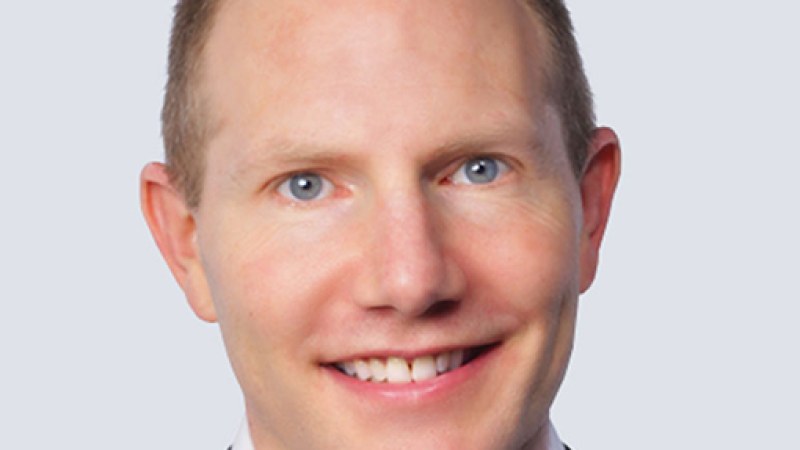
Schuyler Cullen
Schuyler Cullen is the co-founder and CEO of Summer Robotics, a Campbell, California machine-vision company building Kortx, a camera-free perception system that uses lasers and event sensors to give robots animal-like sight at 100Hz, 100-micron precision, and 20ms reaction time. A theoretical physicist by training with a Caltech double major and a Stanford PhD in string theory, Cullen spent two decades turning hard math into shipping technology - co-founding the video-recognition startup Keystream and leading AI and Robotics at Samsung, where he built the autonomous-mobility stack for the company's robots and cars. In 2025 Summer Robotics raised a Series A led by Applied Ventures, the venture arm of Applied Materials.
Philipp Skogstad
Philipp Skogstad runs Mercedes-Benz Research & Development North America - the Sunnyvale-to-San-Jose corridor of the company that invented the car. A Stanford-trained engineer who once managed open innovation programs at SAP, he now oversees an 830-person R&D operation that ships Drive Pilot (the only SAE-certified Level 3 system on US roads), the MBUX infotainment stack, and Mercedes' ChatGPT-in-the-dashboard experiment.
DeepRoute.ai
DeepRoute.ai is a Shenzhen-headquartered autonomous-driving company building full-stack self-driving software, from Level-4 robotaxi systems to mass-market driver-assistance for production cars. Its DeepRoute IO 2.0 platform - powered by a 40-billion-parameter Vision-Language-Action (VLA) foundation model running on NVIDIA DRIVE AGX Thor - is being shipped by Great Wall Motor and a handful of other OEMs.
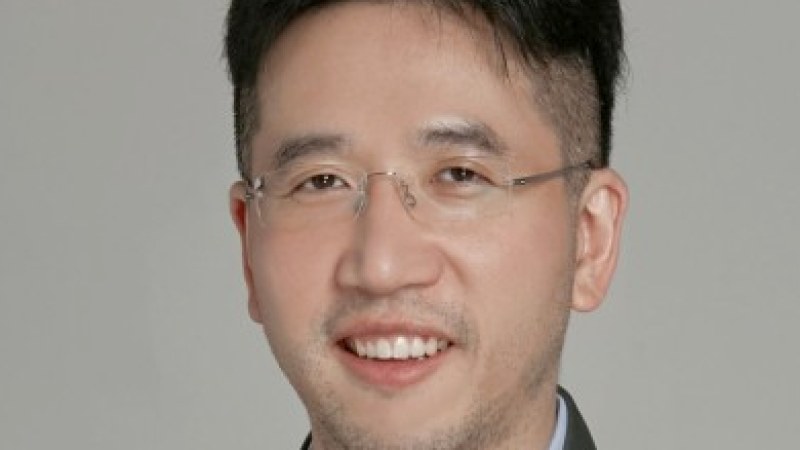
Junhwan Kim
Junhwan Kim is the CEO of STRADVISION, a South Korean AI perception company building the vision software that teaches cars to see. After selling his facial recognition startup Olaworks to Intel in 2012 - the first full acquisition of a Korean firm by Intel - he pivoted into automotive AI and helped build STRADVISION into a company with over 3 million cumulative production units deployed, $331M in total funding, and a pending KOSDAQ IPO. His flagship product, SVNet, runs on 50+ vehicle models across 13+ OEM partners and can identify pedestrians, lanes, traffic signs, and obstacles in real time on low-power edge chips.
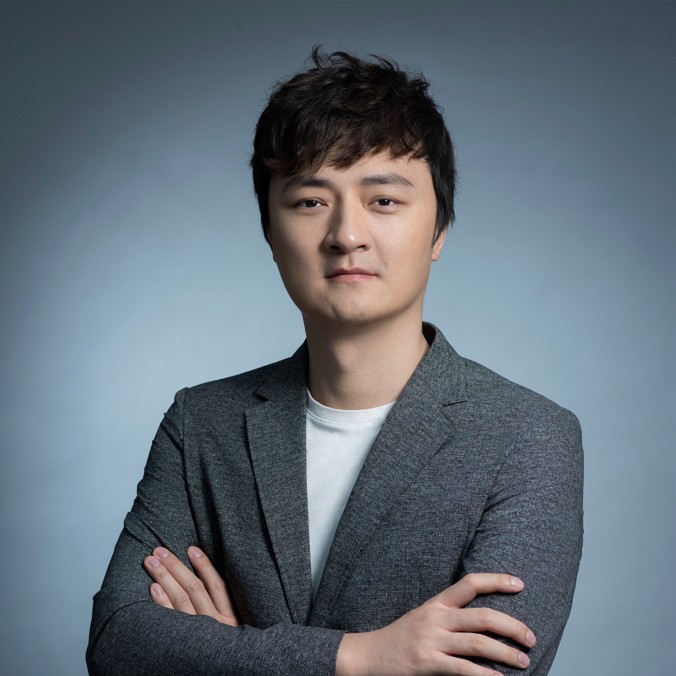
Maxwell Zhou
Maxwell Zhou (周光) is the founder and CEO of DeepRoute.ai, a Shenzhen-based autonomous driving company he built from a 2019 conviction that AI could prevent traffic deaths. A Tsinghua-trained physicist turned AI PhD, Zhou led sensor fusion breakthroughs at Baidu and co-founded Roadstar.ai before pivoting to build what is now one of China's fastest-scaling third-party ADAS providers - deploying its end-to-end intelligent driving platform across 300,000+ vehicles and accumulating 1.3 billion kilometers of real-world data with over $500M in total funding.
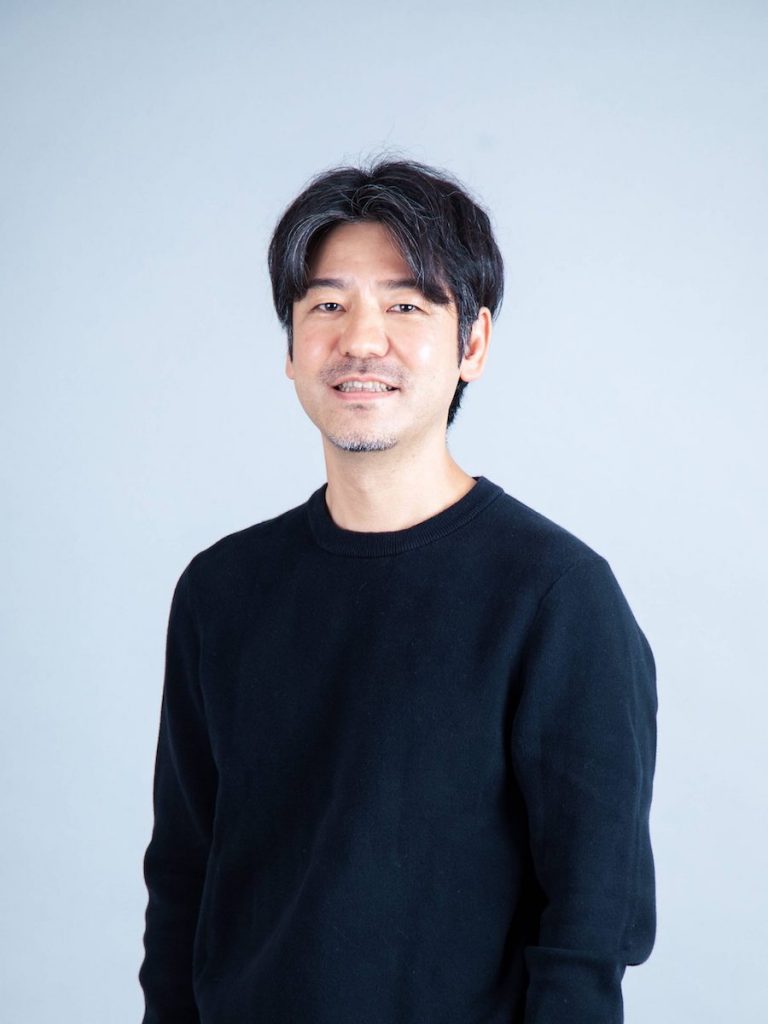
Satoshi Sugie
Satoshi Sugie is the Co-founder and CEO of WHILL, a San Mateo-based personal mobility company that has reimagined the electric wheelchair as a design-forward consumer product. Drawing on his automotive design background at Nissan, Sugie co-founded WHILL in 2012 with a mission to redefine how people perceive and use mobility devices. Under his leadership, WHILL has grown to 350 employees, expanded to 30+ countries, raised over $153 million in funding, and deployed nearly one million autonomous rides at airports worldwide including Tokyo's Haneda, Rome Fiumicino, and Narita. Named to Silicon Valley Business Journal's 40 Under 40 in 2017 and recognized by TIME Magazine's 50 Best Inventions, Sugie's approach treats mobility not as a medical necessity but as an aspirational lifestyle product.
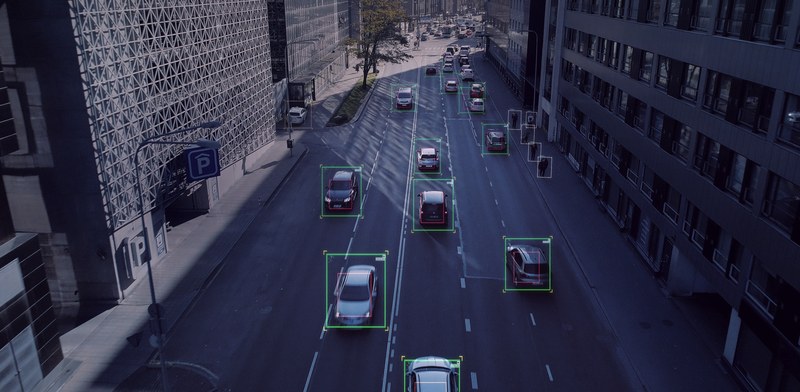
STRADVISION
STRADVISION is a Korean automotive AI company building SVNet, a deep-learning vision perception software that lets cars see and understand the road in real time. Its lightweight networks run on low-power automotive chips and ship in production vehicles from more than a dozen global automakers.
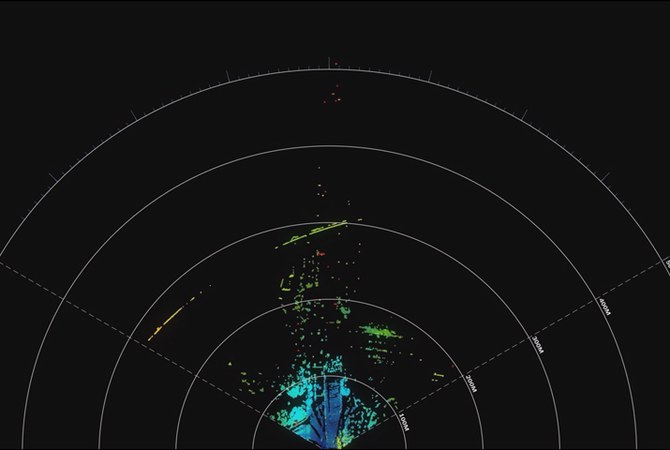
Seyond
Seyond (formerly Innovusion) is a Sunnyvale-based maker of image-grade LiDAR sensors and perception software for autonomous vehicles, ADAS, smart infrastructure, robotics and industrial applications. Best known as the long-range LiDAR supplier behind NIO's ET7, ET5 and ES7, the company has shipped more than 250,000 Falcon units and is pushing solid-state designs into mass production.
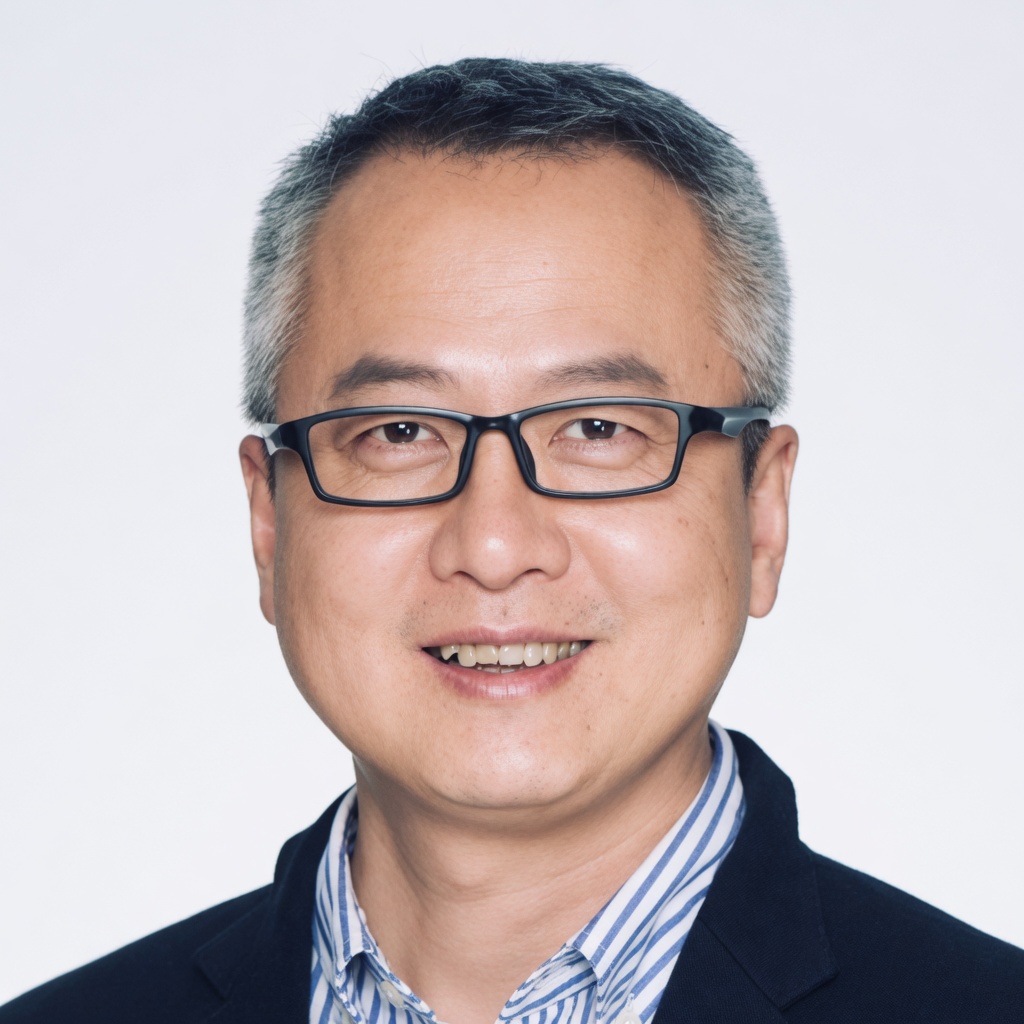
Julian Zheren Ma
Julian Zheren Ma is the founder and CEO of Inceptio Technology, the company behind what is arguably the world's most deployed autonomous trucking network. Based in Santa Clara and Shanghai, Inceptio has put over 4,000 Level 3 autonomous heavy-duty trucks on real freight routes, logging 500+ million commercial kilometers with zero fatal accidents. Before building Inceptio, Julian was a Corporate VP at Tencent overseeing LBS, search, and early autonomous driving initiatives, then president of G7, China's leading logistics big data firm. He holds a B.S. in Electrical Engineering from Shanghai Jiao Tong University and an MBA from IMD Switzerland, and is a Fellow of the Aspen Institute China Fellowship Program.
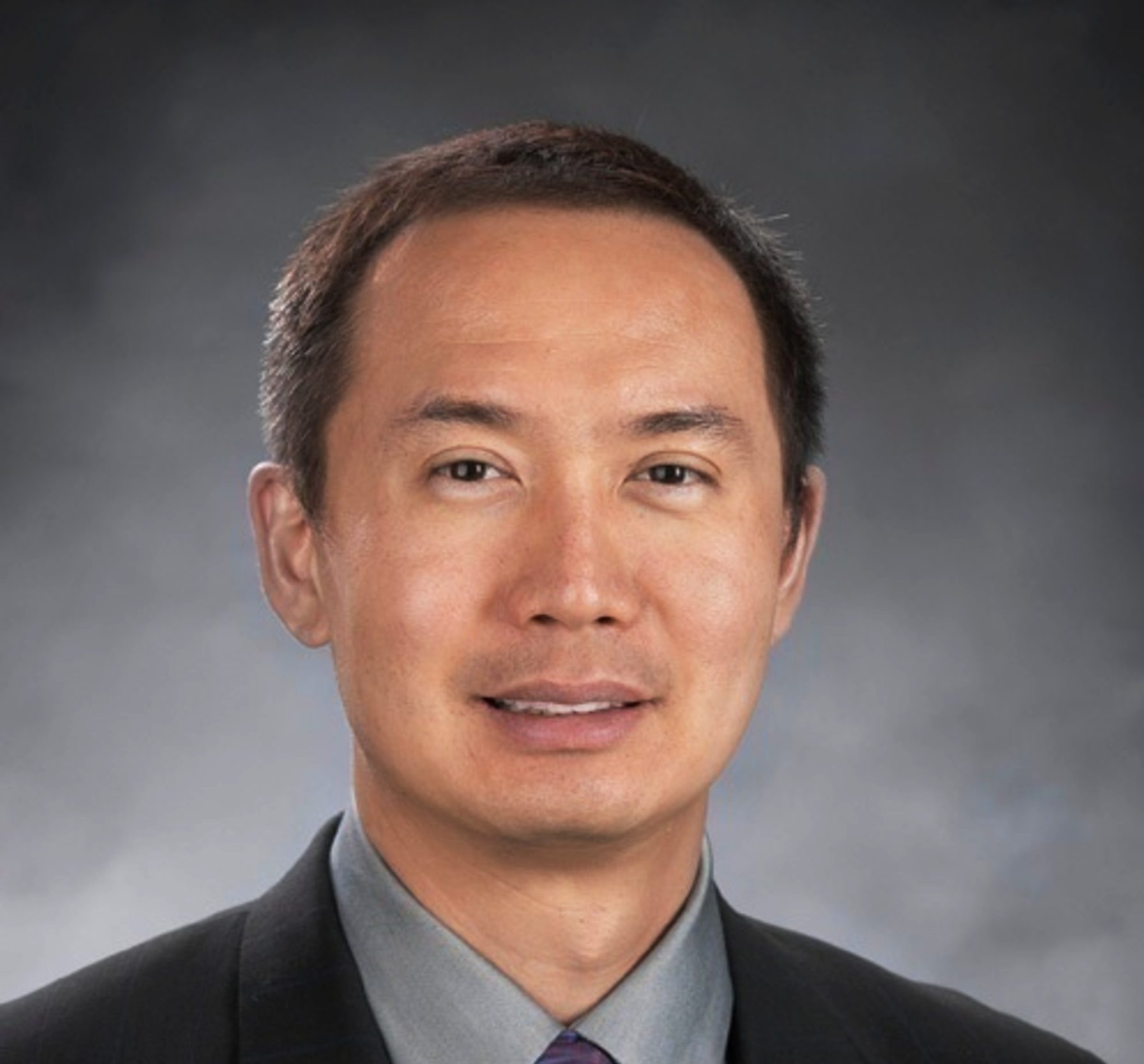
Gani Jusuf
Gani Jusuf is the CEO and Co-Founder of AXONNE, a Silicon Valley fabless semiconductor startup reshaping how data moves inside vehicles. A UC Berkeley PhD with 25+ years in semiconductor engineering - including nearly 15 years as VP of Engineering at Marvell Technology - Jusuf co-founded AXONNE in 2018 to solve one of automotive's trickiest problems: getting massive streams of sensor data from cameras, radar, and LiDAR to compute units at multi-gigabit speeds over a single twisted-pair cable. Backed by Intel Capital, AXONNE's Cyton PHY and automotive Ethernet bridge products are used in next-generation ADAS and software-defined vehicle architectures.