product-strategy
(101)
Aubergine Solutions makes complexity behave
A patient transport scheduler. A connected fitness app. An AI broker with an off switch. Aubergine Solutions builds software around the moment a human needs to take control.

AbuBakar Butt knows when the app can wait
The Coding Pixel co-founder brings a designer’s eye to software decisions. His account of a marketplace built only after a smaller test reveals the judgment behind the brief.

Product10x wants you to build less. And learn more.
The SaaS accelerator puts experienced operators beside founders to work on the awkward questions: who needs this, what will they pay, and what should we stop building?

Swift Ventures bets on the people who fix things.
Two TubeMogul founders turned years of building software into an AI investment firm. Their wager: the people who can spot a broken workflow are often the people who can build a business around it.

Deepak Mittal wants AI to earn its keep
The NextGen Invent founder has spent years asking what technology actually changes for a business. With his company now part of Straive, that question has acquired a larger stage.

Javier Burón wanted to know who was following. A business followed.
A Twitter side project gave the Córdoba engineer a question worth pursuing. From SocialBro to Audiense, Javier Burón kept finding new ways to understand the people behind the numbers.

Sudeep Bhatnagar’s case for a smaller first app
Agicent’s co-founder has spent sixteen years helping other people build software. His recurring advice: give the first version a smaller budget, and the business more room to learn.

Brijraj Bhuptani learned what a good product cannot do
Before SPRY PT, Brijraj Bhuptani built Ridlr, came close to closing it, and joined Ola when it acquired the company. His second venture carries a less glamorous ambition: make the business work as carefully as the software.

Alban Clot would like a word with your accounts
The Supervizor co-founder turned a recurring consulting problem into a business: finding the accounting errors that busy companies overlook. His next challenge is making the findings easier for people to use.

Your next product meeting needs a student.
Ascend Consulting Group puts college researchers inside the product feedback loop. Its wager: the people a company wants to reach should help decide what it builds.

Rootstrap asks the expensive question first.
Before the code comes the uncomfortable conversation. Rootstrap has built a software business around finding out what should exist - and making sure it survives outside the demo.

Fluxon's big idea: fewer builders.
Google can hire engineers. So can Stripe. Fluxon's bet is that even capable companies sometimes need a small team that knows how to get a difficult product out the door.

Joe Bono and the Distance Between a Good Idea and a Finished Roof
A former Quiznos franchisee brought the franchise playbook to rooftop solar. Joe Bono’s career follows the work between the promise and the purchase: local operators, better tools, and the patient business of getting things done.

Josh Mangel and the trouble with waiting
A rental-car surcharge helped send Josh Mangel into the delivery business. At Pipe, he took on a different delay: the distance between earning recurring revenue and having the cash to spend.
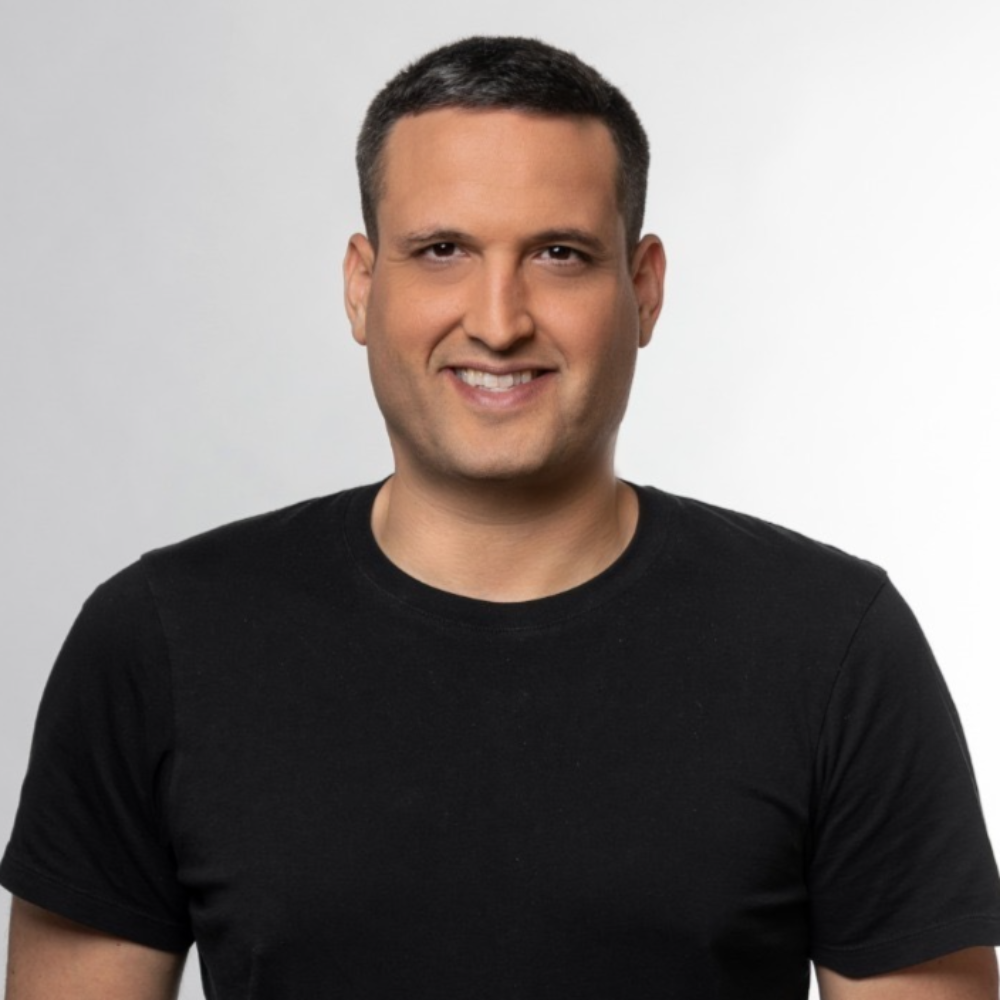
Jonathan Friedman and the trouble with showing a good idea
From selling warm soda at an Israeli intersection to co-founding Demostack, Jonathan Friedman kept finding a gap between a product and the person meant to buy it. His next chapter asks how much company a good idea really needs.

Anastasiia Dyachenko and the Trouble With Looking Better
The Cadabra co-founder began with interfaces. Her work now follows the decisions, handoffs and unanswered questions that determine whether a digital product makes sense.

Daniel Haiem and the $140 Question
A school calculator sent Daniel Haiem looking for a cheaper answer. ClassCalc taught the AppMakers USA founder how much software depends on the people willing to trust it.

David Schmaier saw a business in the missing aisle
At Dreamforce in 2013, David Schmaier went looking for a company to buy. The gap he found led to Vlocity, a Salesforce acquisition, and a career spent making software speak the customer’s language.

Mark LaRow and the trouble with a simple answer
For decades, Mark LaRow has worked on getting useful answers out of unruly data. His route from MIT to MicroStrategy and Verato passes through a surprisingly persistent question: can the software make sense of the person using it?
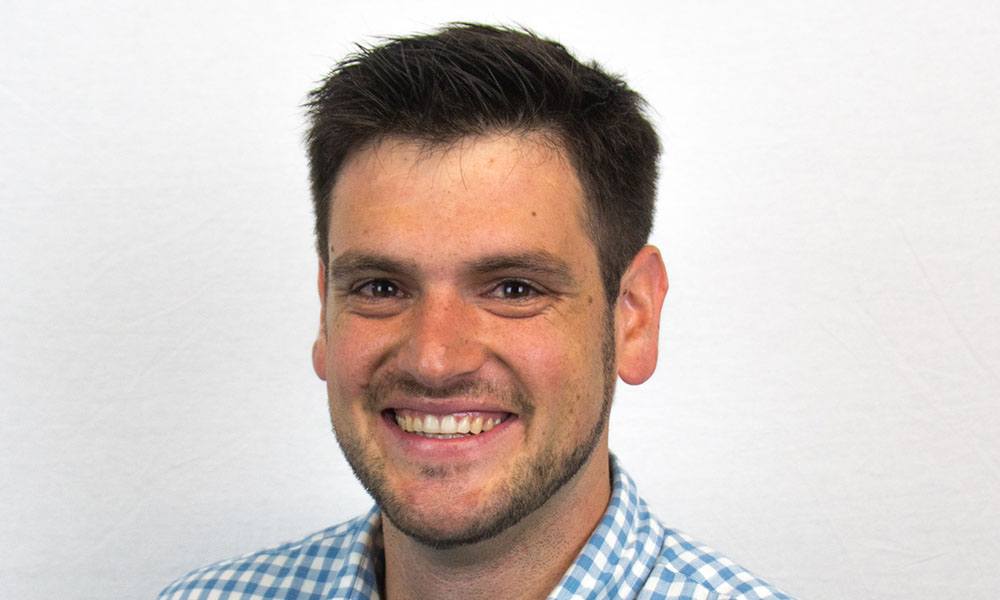
Tony Scherba and the problem after the prototype
He learned to build apps for musicians, helped Chelsea Handler make an escape button, and co-founded Yeti. Now Tony Scherba is working on what happens after the software works.

Ray Hein and the expensive art of starting again
Before he co-founded Propel, Ray Hein put nearly $1 million of his own money into a startup that closed. His next company grew from a different habit: asking better questions before building the answers.

Sarah London and the advantage of not knowing
Before she led Centene, Sarah London studied literature, tried Hollywood, and learned to ask better questions. Her route to the corner office makes a case for keeping a beginner’s curiosity.
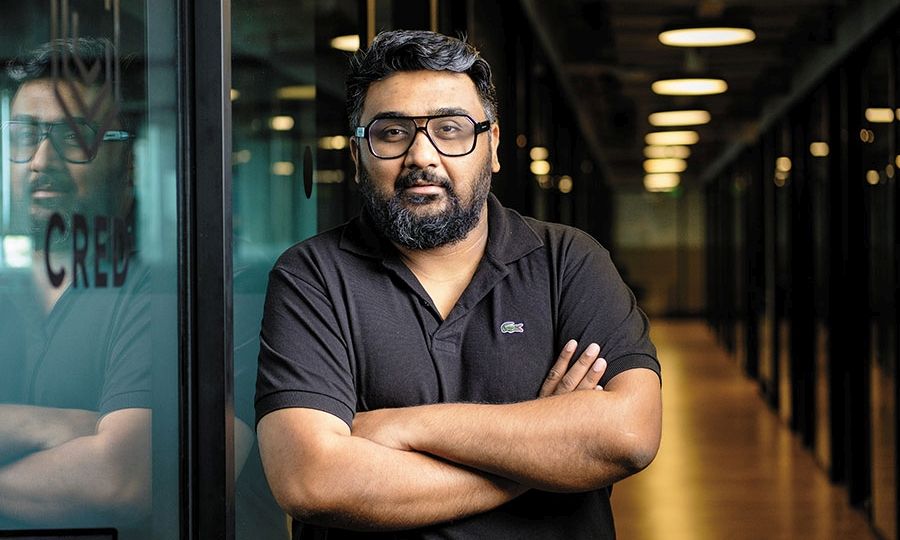
Kunal Shah and the art of making habits stick
Before WhatsApp, Kunal Shah built businesses around two ordinary chores: recharging a phone and paying a credit card bill. His route from a Mumbai philosophy classroom to global messaging runs through a persistent question: what makes people change their habits?
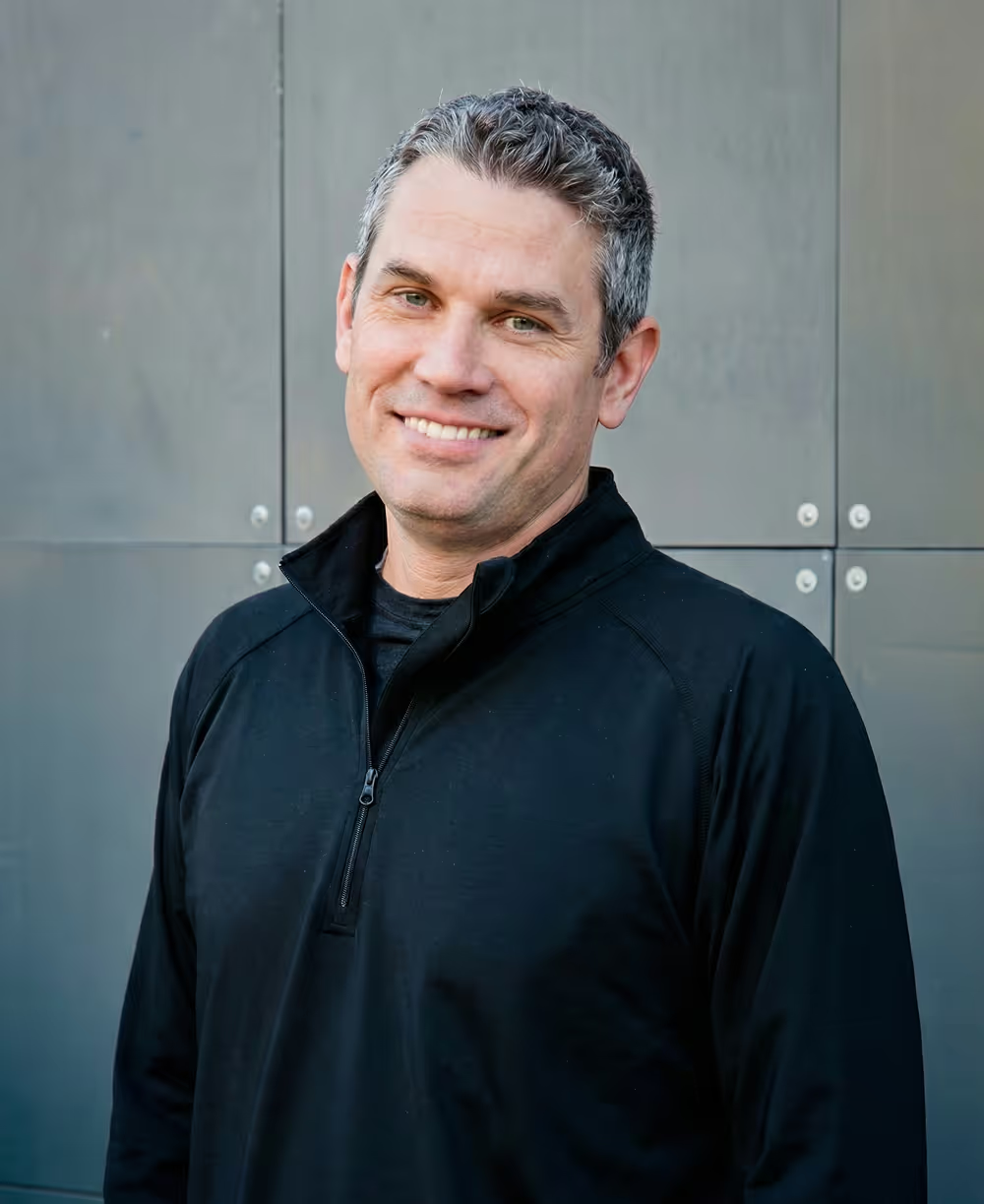
Taylor Cavanah’s next big move was the school run
After more than a decade building PetDesk, Taylor Cavanah stepped away from daily operations to be a full-time dad. His return to work at Blueprint Equity follows a career spent learning when to change the plan.
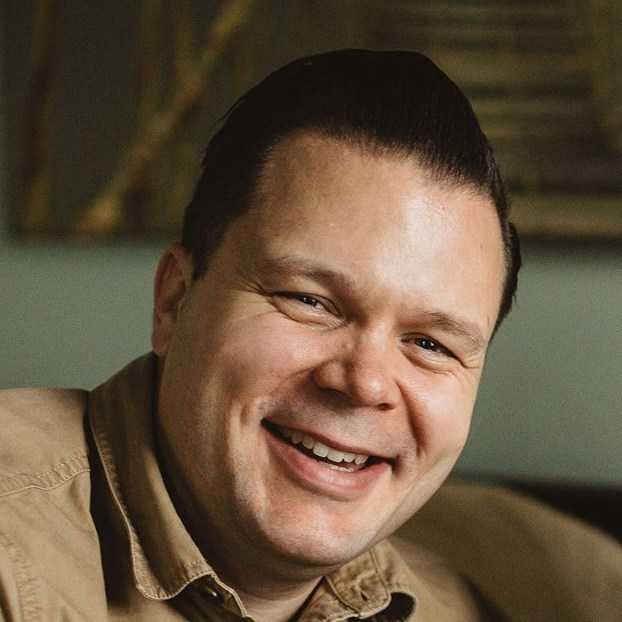
Zack Naylor and the trouble with being right
He built Aurelius to help people make better product decisions. The difficult part was letting their decisions change his own.

Malte Scholz and the expensive art of deciding
A frustrating product job in Hamburg sent Malte Scholz into business with two co-founders. After airfocus joined Lucid, he returned to the same stubborn question: what should a team build next?

Christopher Padfield and the price of getting back to the product
Deskpro began in an Oxford university room. More than two decades later, Christopher Padfield brought in $25 million and handed over the CEO role to make more room for the work that started it all.

Bryan House and the business of brewing change
Before he led Elastic Path, Bryan House spent eight years brewing beer. The work changed; the questions about products, customers, and who gets to make the next decision stayed with him.
Product Thinking: Before You Build, Think.
Melissa Perri’s Product Thinking turns the product meeting inside out. Its question is simple: what if the thing slowing you down is the decision, rather than the code?
The Startup Podcast: Advice is free. Making it isn’t.
Chris Saad and Yaniv Bernstein built a practical education for venture-scale founders. More than 300 episodes later, their own show offers a pointed lesson in the distance between being useful and getting paid.