space
(29)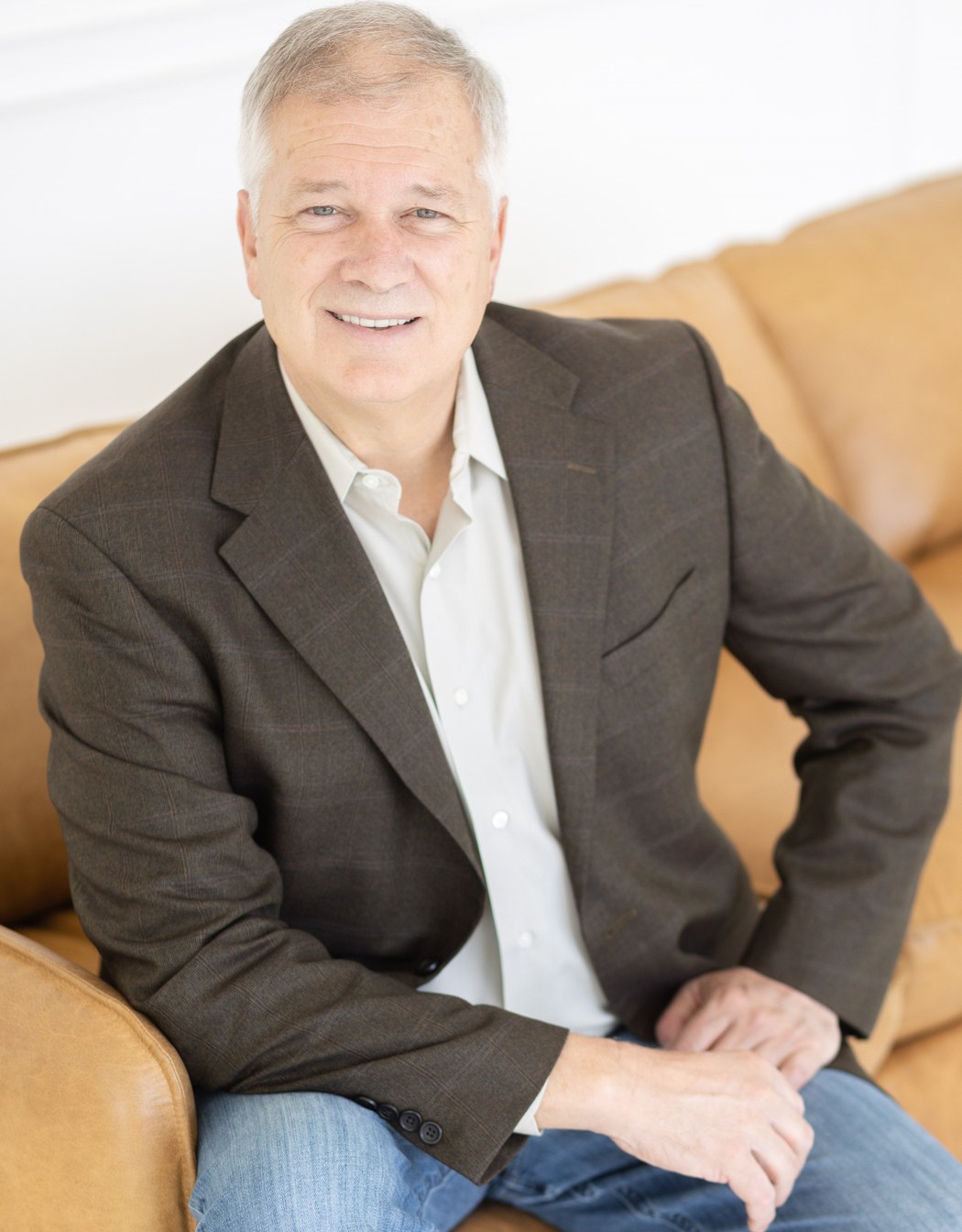
Michael Gorton’s long way to Mars
At 12, Michael Gorton planned to be the first person on Mars. The Teladoc co-founder took a detour through power systems, internet startups, mountain summits, and novels - without quite abandoning the destination.
RRE Ventures Has Been Playing the Long Game Since 1994 - and It Shows
The New York firm wrote early checks into Palantir, Datadog and Venmo, then stayed in the boardroom for the parts that actually get hard.

Beyond Reach Labs
Beyond Reach Labs is a New York space-hardware startup building ultra-light deployable solar arrays that pack down to the size of a dining table and unfold to the size of a football field in orbit, delivering roughly 10x more usable power per launch without adding mass or volume. Founded by former NASA researcher Mitchell Fogelson and ex-SpaceX parachute lead Pele Collins, the company grew out of NASA-funded research into kilometer-scale space structures and is targeting a 2027 in-space flight demonstration.
SkyFi
SkyFi is an Austin, Texas-based Earth intelligence company that runs a self-service marketplace for satellite imagery and analytics. Through a single web platform, mobile app and API, customers can search archives, task satellites and buy optical, SAR, hyperspectral and aerial imagery from more than 50 commercial providers - then run built-in AI analytics on it. Founded in 2021 by Luke Fischer and Bill Perkins, SkyFi aims to make geospatial data as easy to order as a rideshare, serving defense, government, finance, energy, agriculture, insurance and infrastructure customers worldwide.
Array Labs
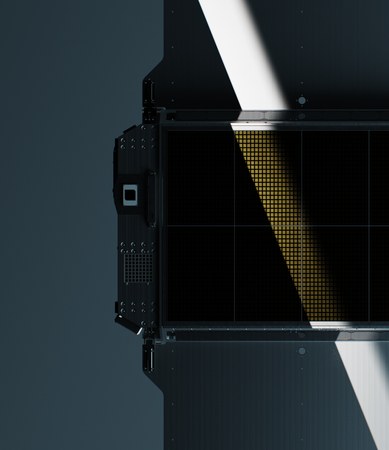
Array Labs designs, builds, and operates radar satellites that fly in coordinated clusters to image the same place on Earth from many angles at once. By distributing the radar across many small, mass-manufacturable satellites instead of one large bespoke spacecraft, the company aims to produce continuously refreshed, high-resolution 3D maps of the planet - a form of space-based radar it likens to what SpaceX did for launch. Founded in 2021 and based in Redwood City, California, Array Labs raised a $20M Series A in January 2026 to scale radar manufacturing and prepare to launch the world's first formation-flying radar satellite cluster.
Flow Engineering
Flow Engineering builds an AI-native requirements and systems-engineering platform that lets complex hardware teams design, build, test, and iterate at software speed. At its core is a connected 'systems graph' that keeps requirements, CAD, code, simulations, tests, and certification artifacts in one live system of record - with AI agents running impact analysis and keeping everything aligned. Founded by mechanical engineer Pari Singh, Flow is used by companies like Rivian, Joby Aviation, Astranis, Stoke Space, and Figure, and raised a $23M Series A led by Sequoia in October 2025.

CREAN®
CREAN, Inc. is an Austin, Texas-based aerospace engineering and Smart Factory company that supplies hands-on engineering services and manufacturing-optimization programs to space, defense, and commercial clients. Founded in 2002 by James and Jennifer Crean, the firm fields teams of aerospace subject-matter experts who help customers move systems from concept through full-scale production while modernizing factory operations. CREAN is also developing CelestNet, a proposed lunar communications and navigation network, following its 2023 acquisition of Aquarian Space.

Oligo Space
Oligo Space is a Hawthorne, California startup building an AI-first stack for designing and manufacturing payload-centered spacecraft. Its software engine, Zenith, turns raw mission requirements into flight-ready ESPA-class spacecraft using generative design, constraint solving and physics-based optimization - compressing work that once took teams of specialists months into a process that runs in minutes and manufactures in under eight months. Founded in 2024 by MIT AeroAstro graduate and former NASA JPL engineer Jacob Rodriguez, the company plans to fly its first spacecraft, Chimera-1, aboard SpaceX's Transporter-15 mission in 2026.

Starpath
Starpath is a Hawthorne, California space company building robotic factories that mine water ice from the Moon and refine it into rocket propellant. Founded in 2022 by former SpaceX engineers, the company designs fleets of autonomous mining rovers, on-site refineries, and liquid oxygen (LOX) storage systems to produce fuel where rockets actually need it - off Earth. The bet is simple and audacious: if you can make oxidizer on the Moon, you can make deep space travel affordable and turn humanity into a multi-planet species. Starpath raised a $12M seed round in 2024 co-led by 8VC and Fusion Fund.
James Crean
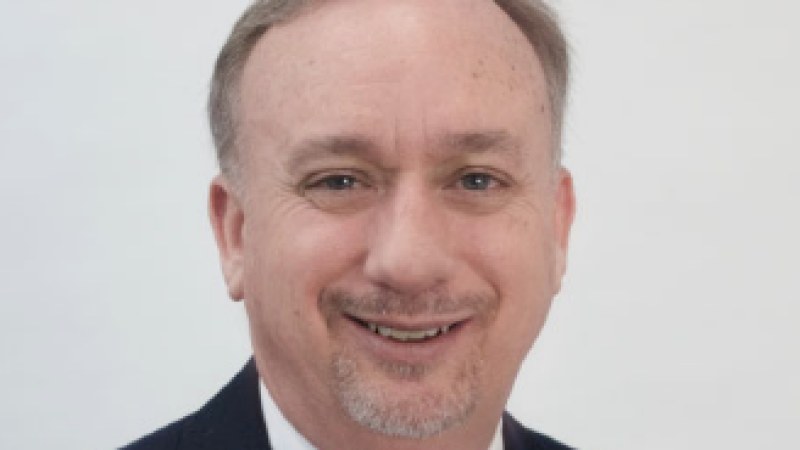
James Crean is the co-founder and Chief Visionary Officer (also serving as President/CTO) of CREAN Inc, an Austin, Texas aerospace engineering and smart factory firm he started in 2002 with his wife Jennifer. A former satellite systems engineer and program manager at Hughes Space & Communications and Boeing - where he worked on DirecTV, NASA's TDRSS and other communications and weather satellites, and built the Lean Six Sigma group for Boeing Satellites - Crean now leads a team of 600-plus aerospace and defense engineers and champions CREAN's AI-enabled Smart Factory Operating System (SFOS), which aims to make American high-mix manufacturing fast, flexible and competitive enough to bring production home from overseas.
True Anomaly
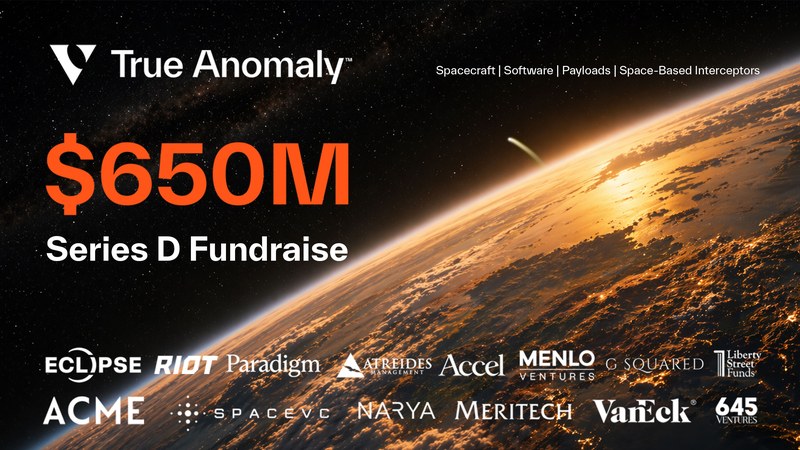
True Anomaly is a Colorado-based space defense company building the hardware and software to operate, defend, and win in contested orbit. Its flagship Jackal autonomous orbital vehicle - a highly maneuverable, refrigerator-sized spacecraft - is paired with Mosaic, a full-stack mission autonomy and command-and-control platform. Founded in 2022 by Air Force and Space Force veterans, the company sells primarily to the U.S. Space Force and Department of the Air Force, has raised more than $1 billion across four rounds, and is valued at $2.2 billion after its April 2026 Series D.
Antares
Antares is a nuclear fission energy company building factory-produced, transportable microreactors that deliver strategic power for mission-critical systems across land, sea, and space. Founded in 2023 and headquartered in Torrance, California, its R1 reactor uses TRISO fuel, sodium heat pipes, and a nitrogen Brayton cycle to produce 100kWe-1MWe for six-plus years. In June 2026 its Mark-0 reactor became the first privately developed advanced reactor to achieve criticality under the U.S. Department of Energy's Reactor Pilot Program.
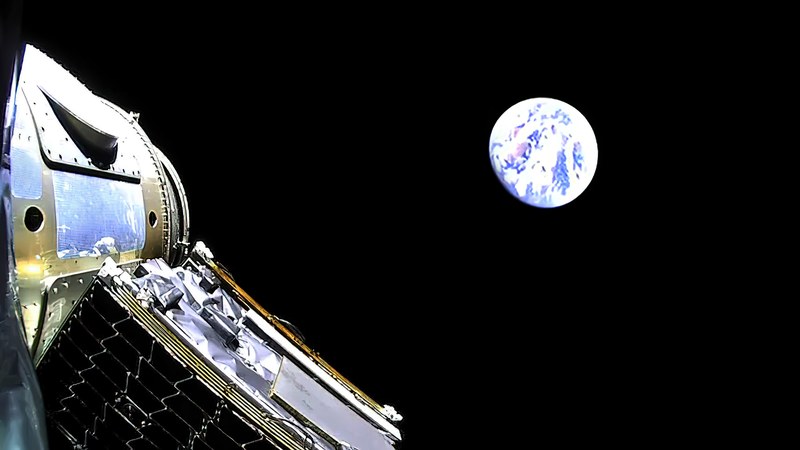
Astranis Space Technologies
Astranis builds small, software-defined geostationary communications satellites - about the size of a washing machine - that deliver dedicated broadband to underserved regions and governments. Founded in 2015 in San Francisco, the company designs, manufactures and operates its MicroGEO platform entirely in-house at Historic Pier 70.

Loft Orbital
Loft Orbital is a San Francisco-based space infrastructure company that flies customer payloads on standardized satellites - selling space access the way AWS sells compute. Customers skip the spacecraft-building part and ship hardware, software, or on-demand data tasks to orbit on Loft's YAM satellites.
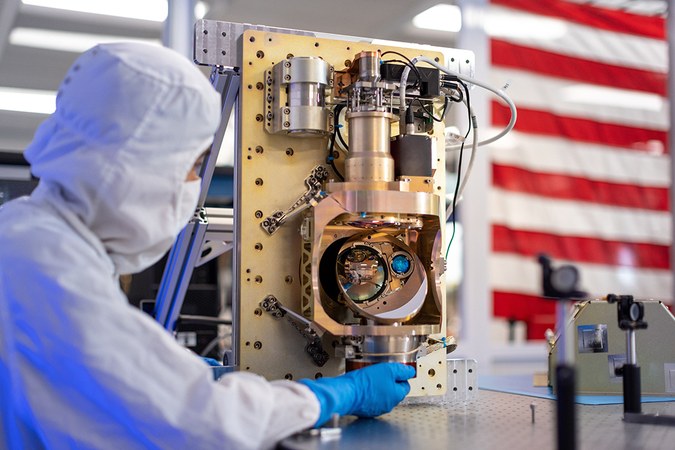
Muon Space
Muon Space is a Mountain View-based end-to-end space systems company that designs, builds, and operates mission-optimized satellite constellations for climate, defense, and Earth intelligence customers. Its Halo platform pairs the modular MuSat spacecraft bus with MuOS middleware and the MuSim digital twin, anchoring high-profile programs like Google's FireSat wildfire constellation and a $44.6M U.S. Space Force environmental monitoring agreement.

Pierre-Damien Vaujour
Pierre-Damien Vaujour is the co-founder and CEO of Loft Orbital, the San Francisco-based company that turned satellite deployment from a multi-year aerospace engineering odyssey into something closer to provisioning a cloud server. A French aerospace engineer by training — ISAE-SUPAERO class of 2008, master's from University of Michigan — he cut his teeth at ESA, NASA, the Google Lunar X PRIZE, and was among the first hires at Spire Global before co-founding Loft Orbital in 2017 with Alex Greenberg and Antoine de Chassy. Under his leadership, the company reached unicorn status in January 2025 with a $170M Series C, surpassed $500M in cumulative bookings, and is now building the default AI execution layer for orbital infrastructure.
Aymerik Renard
Aymerik Renard is a General Partner at HCVC (formerly Hardware Club), a community-driven venture firm investing in hardtech startups out of San Francisco and Paris. With more than two decades in venture capital - including stints at Innovacom, Orange, PCH International, SanDisk and Western Digital Capital - he backs founders working on robotics, space, biotech, defense and climate technology in Europe and North America.

Astro Digital
Astro Digital designs, builds and operates small-satellite systems delivered as turn-key 'Mission-as-a-Service' offerings - covering spacecraft bus, payload integration, launch, ground network and mission operations - for earth observation, communications, science and in-orbit demonstration customers from LEO to GEO.
Vishnu Sridhar
Vishnu Sridhar is the Cofounder and CEO of Matter Intelligence, a deep-tech startup building ultraspectral satellite sensors and geospatial AI to map the planet at molecular resolution. A Queens-raised Indian American engineer, Sridhar spent years at NASA's Jet Propulsion Laboratory as Cognizant Engineer for the SuperCam instrument aboard the Mars Perseverance rover and as Flight Director for the Opportunity rover before pivoting to commercialize the same sensor physics for Earth. Matter Intelligence emerged from stealth in October 2024 with $12M in seed funding backed by Lowercarbon Capital, Toyota Ventures, and Mark Cuban, building toward EARTH-1, a satellite that will deliver more than 500x the information density of existing sensors.
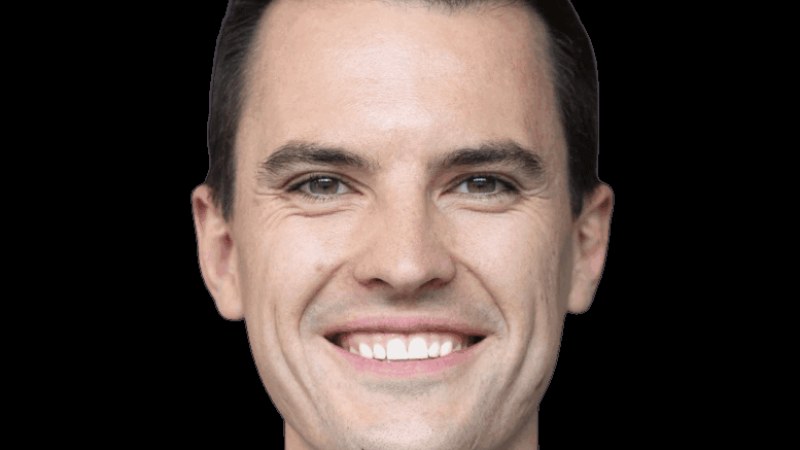
Christian Keil
Christian Keil is an Investing Partner at Andreessen Horowitz on the American Dynamism team, backing startups that build for the national interest - from aerospace to defense to infrastructure. Before turning investor, he spent seven years as a top executive at Astranis, the satellite company he helped scale from a 50-person R&D shop to a 500-person aerospace-grade factory with over $1 billion in sales. He may be the only venture capitalist who has personally bought a dedicated Falcon 9 rocket. A proud Midwesterner who moved to Silicon Valley in 2017, Keil writes, podcasts, and thinks deeply about what it means to build things that matter for America.
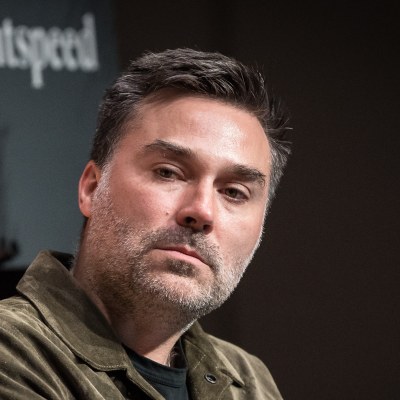
Trae Stephens
Trae Stephens is a co-founder and Executive Chairman of Anduril Industries, the defense-tech startup that hit $1 billion in revenue in 2024 and reached a $30.5 billion valuation in its 2025 Series G. A partner at Peter Thiel's Founders Fund since 2014, Stephens has spent his career at the intersection of national security and Silicon Valley - from Arabic computational linguistics in the US intelligence community, to early days at Palantir, to co-founding Anduril with Palmer Luckey in 2017. A devout Christian from Lebanon, Ohio, he frames building autonomous weapons as a moral imperative and became a billionaire in June 2025.

Esther Dyson
Esther Dyson is a Swiss-American technology investor, author, and former journalist whose career has spanned five decades and multiple reinventions - from fact-checker at Forbes to the founding chair of ICANN, from running the most influential tech conference of the 1990s to training as a backup cosmonaut in Star City, Russia. The daughter of physicist Freeman Dyson, she built EDventure Holdings and its newsletter Release 1.0 into required reading for Silicon Valley's elite before pivoting to angel investing in health tech, AI, and aerospace. Now working on her book 'Term Limits: Time and Scale in the Age of AI' (MIT Press, 2027), she remains one of tech's most original and independent thinkers, guided by her personal motto: 'Always make new mistakes.'
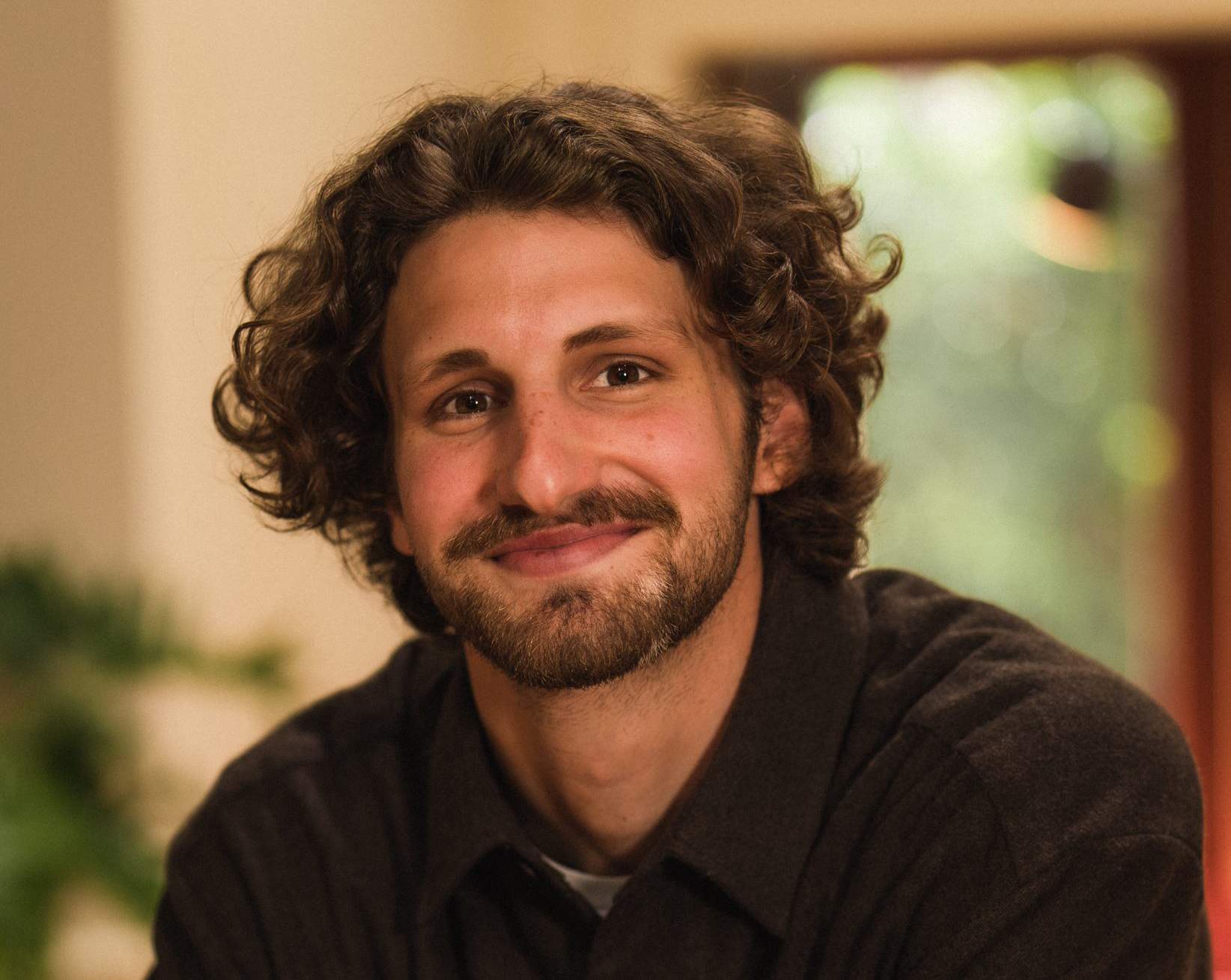
Daniel Museles
Daniel Museles is a Principal at NFX, the San Francisco-based venture firm behind a $450M fund and the NFX Signal network. He leads NFX's crypto practice and invests across AI, space, and Web3 at the pre-seed through Series A stage. A Cornell ILR grad and former BCG consultant who answered what colleagues called a 'wacky job listing,' he backed Starcloud (space data centers, now valued at $1.1B) and Known (voice-AI dating app) before being promoted to Principal in September 2024. He finds founders before they find him.
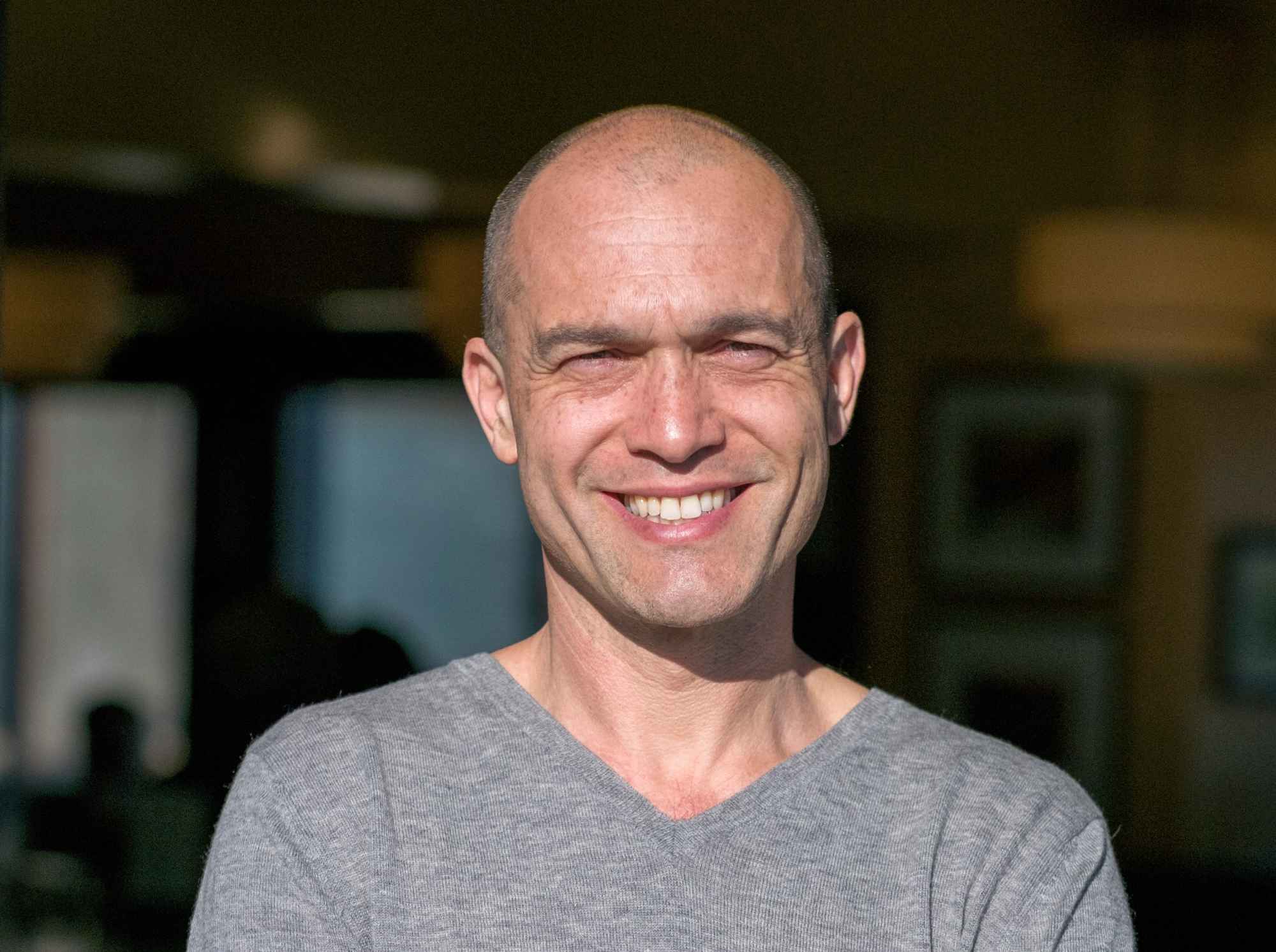
Gigi Levy-Weiss
Gigi Levy-Weiss is a General Partner and co-founder at NFX, a San Francisco-based pre-seed and seed venture capital firm managing $875M+ across 577+ portfolio companies with 25 unicorns. A former Israeli Air Force attack helicopter pilot turned serial entrepreneur, he co-founded Playtika (sold to Caesars for ~$180M; later valued at $4.4B), served as CEO of 888 Holdings (a London-listed online gaming company), and made 150+ angel investments before co-founding NFX in 2015. Known for combining military-grade rigor with a warm, self-deprecating sense of humor, he leads NFX's Israel office and focuses on gaming, bio, space, and generative AI.
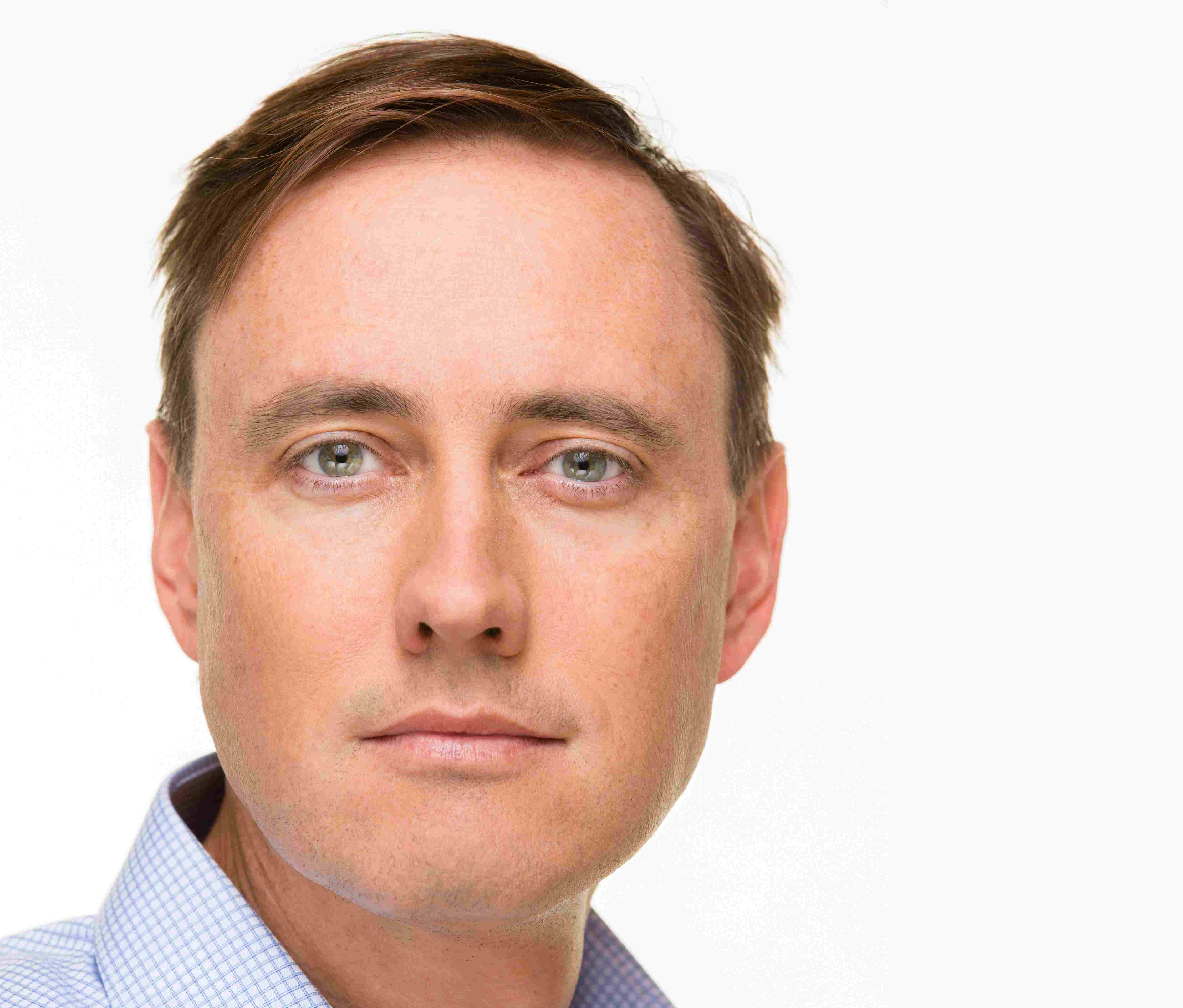
Steve Jurvetson
Steve Jurvetson is a legendary Silicon Valley venture capitalist and co-founder of Future Ventures, best known for coining the term 'viral marketing,' backing Hotmail, SpaceX, and Tesla from their earliest days, and bringing a scientist's obsession to everything from model rockets to nanotechnology. After two decades at Draper Fisher Jurvetson managing over $6 billion, he launched Future Ventures in 2018 with a patient, 15-year fund structure focused on deep tech, AI, space, and synthetic biology. A triple Stanford alumnus who finished his EE degree in 2.5 years at the top of his class, Jurvetson is as likely to be found photographing rocket launches on his Flickr account as sitting on SpaceX's board.

Ashlee Vance
Ashlee Vance is a South Africa-born, Texas-raised journalist, author, and documentary producer who spent 14 years at Bloomberg Businessweek before launching Core Memory in January 2025 - an independent sci-tech media company. He is the author of two New York Times bestselling books including the definitive pre-Isaacson biography of Elon Musk, producer of HBO's Wild Wild Space and Netflix's Don't Die, and creator of Bloomberg's most-watched video series Hello World. In 2025 he is writing a forthcoming book on OpenAI and Sam Altman with exclusive access, and already sold the film rights.
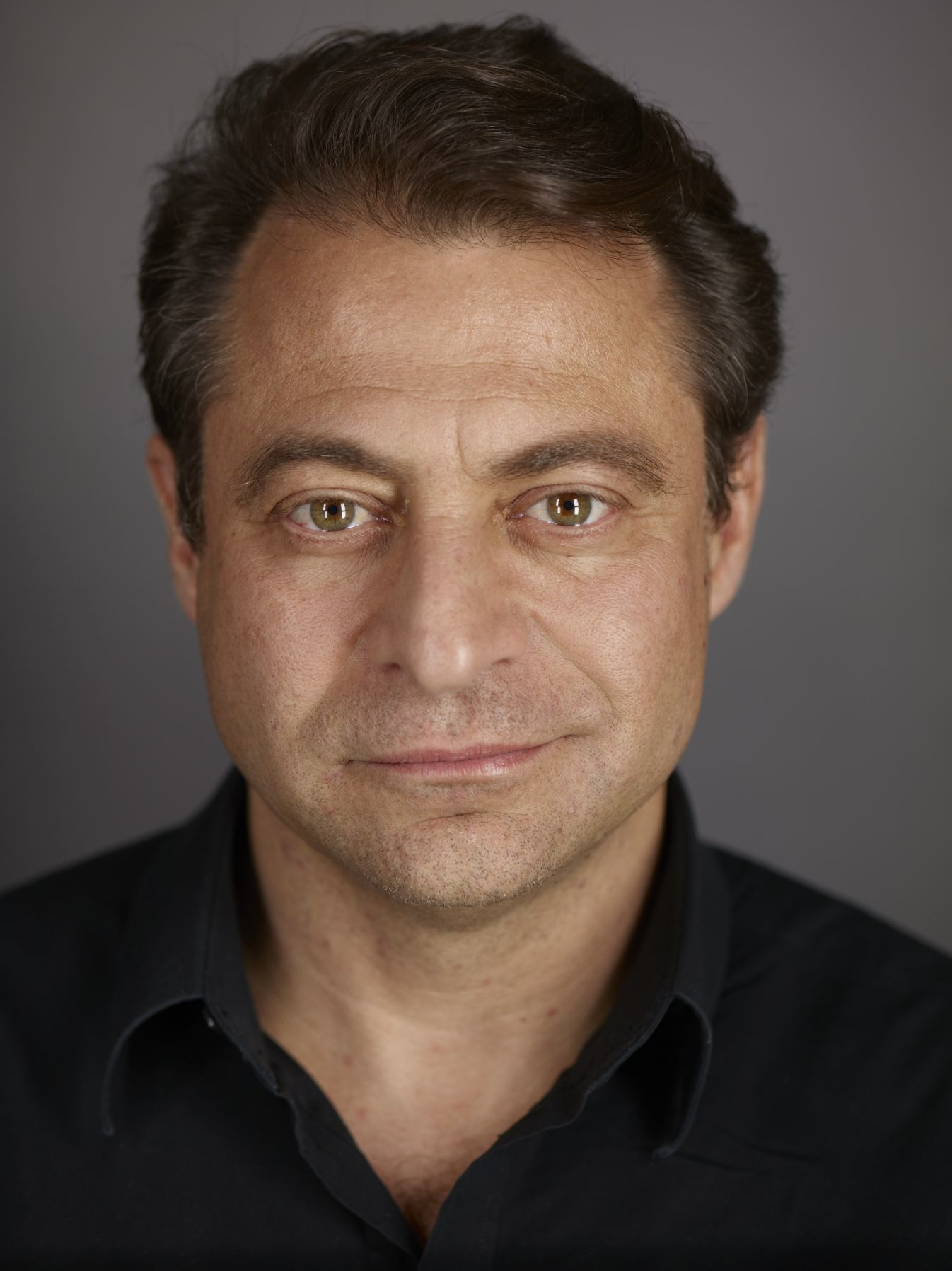
Peter Diamandis
Peter H. Diamandis is a Greek-American entrepreneur, physician, and futurist who has founded or co-founded 25+ companies and is best known as the creator of the XPRIZE Foundation - which has launched over $600 million in incentive competitions catalyzing $10+ billion in R&D. A data-driven optimist, he co-founded Singularity University with Ray Kurzweil, runs the Metatrends newsletter (157,000+ subscribers), and is a 4x New York Times bestselling author. His current mission centers on longevity - he launched the $101 million XPRIZE Healthspan in 2024 and published the Longevity Guidebook in January 2025.
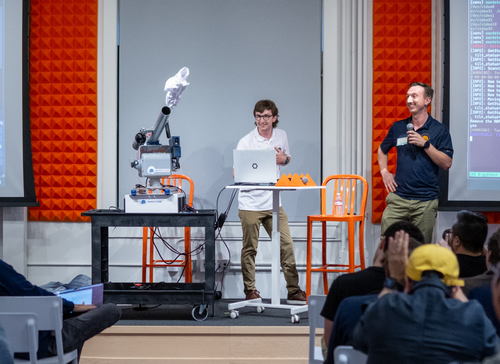
Wardstone
Wardstone is a Y Combinator F25 defense startup building a global constellation of satellites equipped with space-based interceptors to kinetically destroy hypersonic and ballistic missiles. Founded by brothers Sebastian and Tobias Fischer, the company is pursuing America's Golden Dome initiative - a layered missile defense system that can engage threats in space before they reach US soil. With a $5M seed round and three successful automated intercept demonstrations during YC, Wardstone is positioning itself as a next-generation missile defense contractor targeting a $40B/year market.
Zephyr Fusion
Zephyr Fusion is building the first in-orbit fusion power source - a compact, megawatt-class reactor designed to run in the vacuum of space. Founded by two physicists who met in grad school operating a spherical tokamak, the San Diego-based startup uses a levitated dipole magnetic confinement approach with high-temperature superconductors. Their bet: space makes fusion easier, not harder. With launch costs down 10x and mass-produced HTS tapes providing 10x more field per kilogram, Zephyr Fusion aims to power the industrial revolution that humanity is about to have off-planet.