digital-media
(185)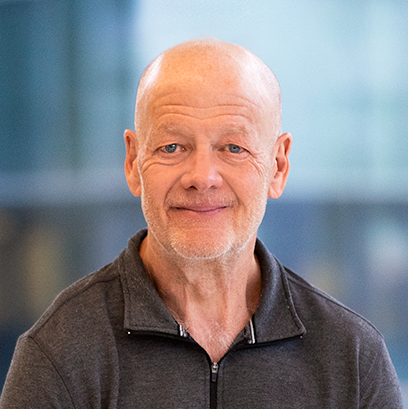
Ron Elwell and the art of the well-timed invitation
Before Swoop, Ron Elwell ran a football website and a conference-call company. His career keeps returning to one practical question: what makes people want to join in?
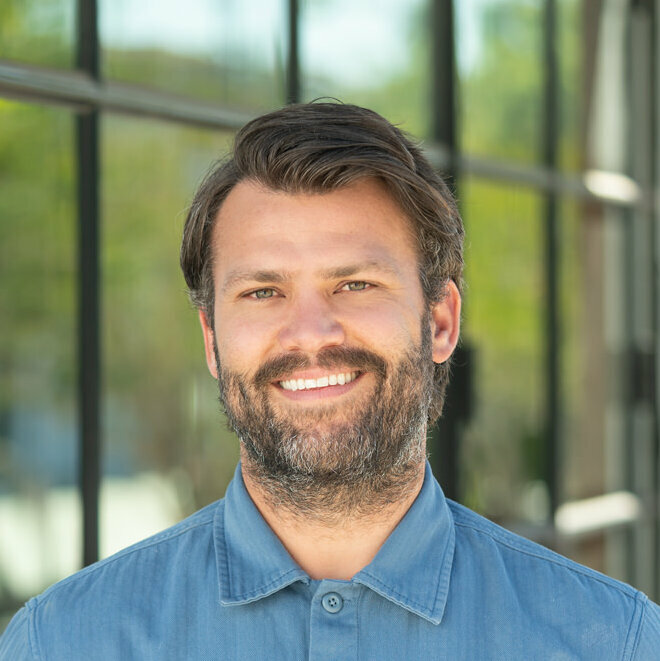
Zach James and the business hiding in the movie clip
Zach James started with Hollywood scenes and a simple question: what if the fans uploading them were helping? The answer carried him from Movieclips to Zefr, and from film rights to the finer points of the social feed.

TechCrunch makes the startup world pay attention.
A blog about young companies became a place where founders meet investors. The business behind TechCrunch reveals what happens when a newsroom learns to gather its audience in the same room.

The Hustle sold a daily habit.
A conference email became a business-news ritual. Then HubSpot bought the audience - and gave the newsletter a different job.

Alisa Bowen and the art of keeping up with the audience
From Reuters mobile apps to the global rollout of Disney+, Alisa Bowen has worked where media meets changing habits. At Fubo, her next assignment runs on the unforgiving clock of live television.
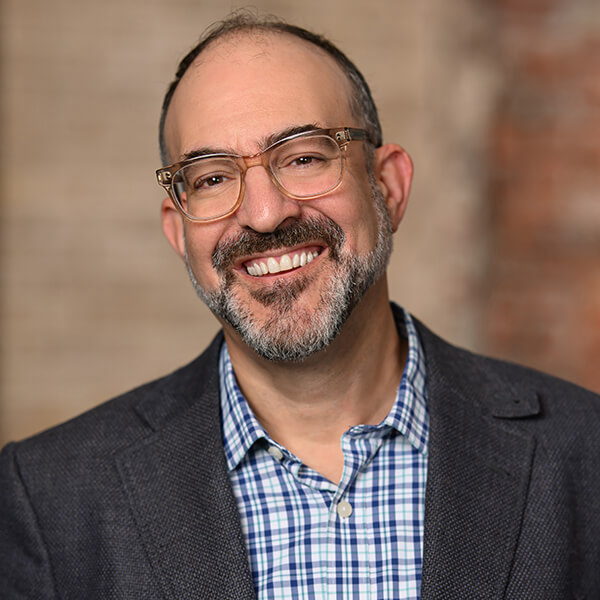
Matt Goldberg and the trouble with a perfect itinerary
From Lonely Planet guidebooks to Tripadvisor’s AI experiments, Matt Goldberg has spent years changing how people find their way. The harder question is whom they trust when they get there.

Trevor Kaufman and the price of a good story
He sold his house to help fund a business built on the belief that readers would pay. From Tinypass to Piano, Trevor Kaufman spent thirteen years working on the economics of publishing. Now he runs KNIME.

Andrew Fischer and the art of making things less complicated
He left finance for the early internet, co-founded Choozle, and returned to the same problem with Mogl: how to put complicated advertising tools within reach of independent businesses.
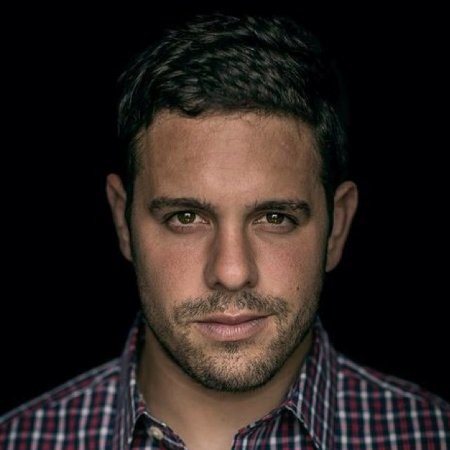
Brian Verne and the fans who never left
The former Oberlin outfielder built Wave Sports & Entertainment around a simple observation: young fans were still watching. Their screens had changed. His route there involved fifth-grade math, hometown T-shirts and a rooftop invitation to LeBron James.
Conversant and the art of remembering you
One shopper. Several screens. A very expensive case of mistaken identity. Conversant built its advertising business around joining the dots - and making the resulting sales count.

Adam Symson and the curious return of free television
An investigative producer became the CEO of Scripps, then put an old idea to work: make television easy to find and free to watch. His bet on live sports now sits beside a harder task - rebuilding the business that pays for local news.

Michael Downing and the business of being early
Shaquille O’Neal gave Tout its public entrance. Michael Downing’s longer story runs from digital music and newsroom video to a venture firm built around the investors who arrive first.

John Evershed and the rabbit that became a business
A yellow rabbit, two stick figures and a succession of new screens. Mondo Media co-founder John Evershed has spent decades finding ways for animation to reach an audience - and pay for its next episode.
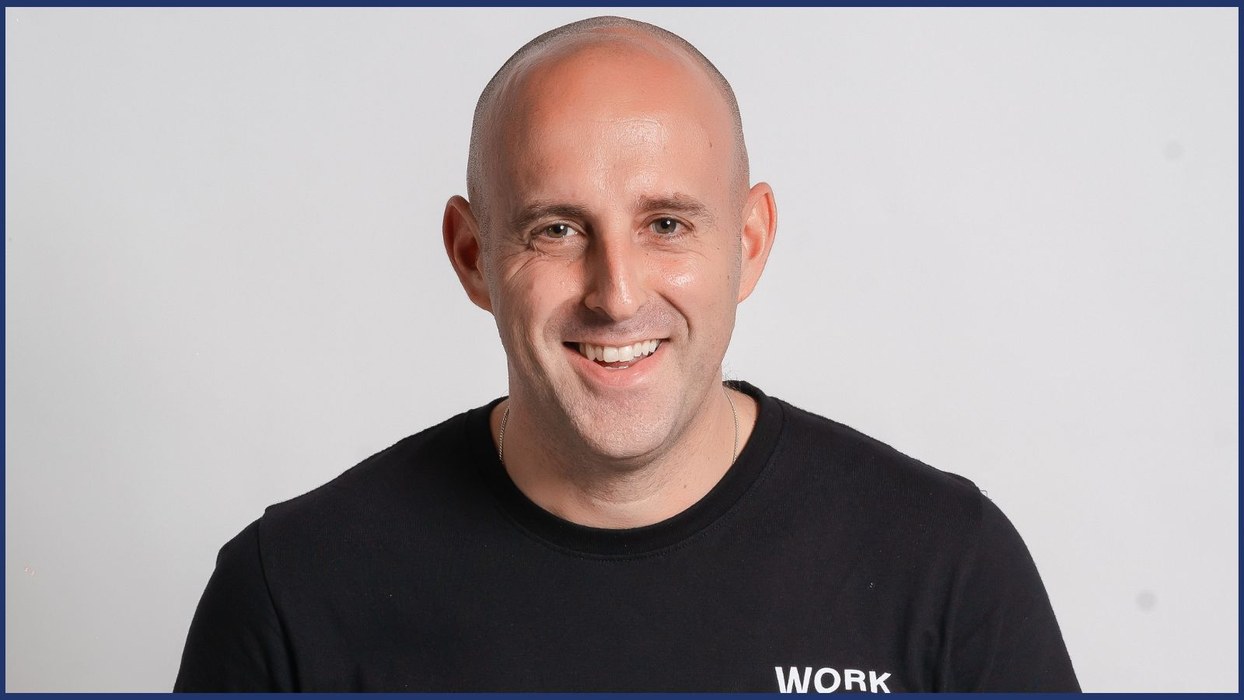
Charlie Baillie and the art of joining the game
Before co-founding Ampverse, Charlie Baillie worked in music and advertising. His next audience came with its own rules, local heroes and a well-developed ability to ignore a sales pitch.

Owen Maher and the months behind a moment of curiosity
The Electrify co-founder came from finance. His work now sits behind educational videos, where an audience’s moment of discovery can take months of preparation.

Kevin Justice and the Other Life of a Pen
A designer’s eye, an early appetite for interactive media, and a zebra with somewhere to go. Kevin Justice’s career follows the distance between an interesting idea and a shopper who acts on it.

Ian Shepherd and the business of being replaceable
A daughter watching YouTube helped change Ian Shepherd’s view of media. Now Electrify’s co-founder is building businesses that give creators more room to choose what they do next.
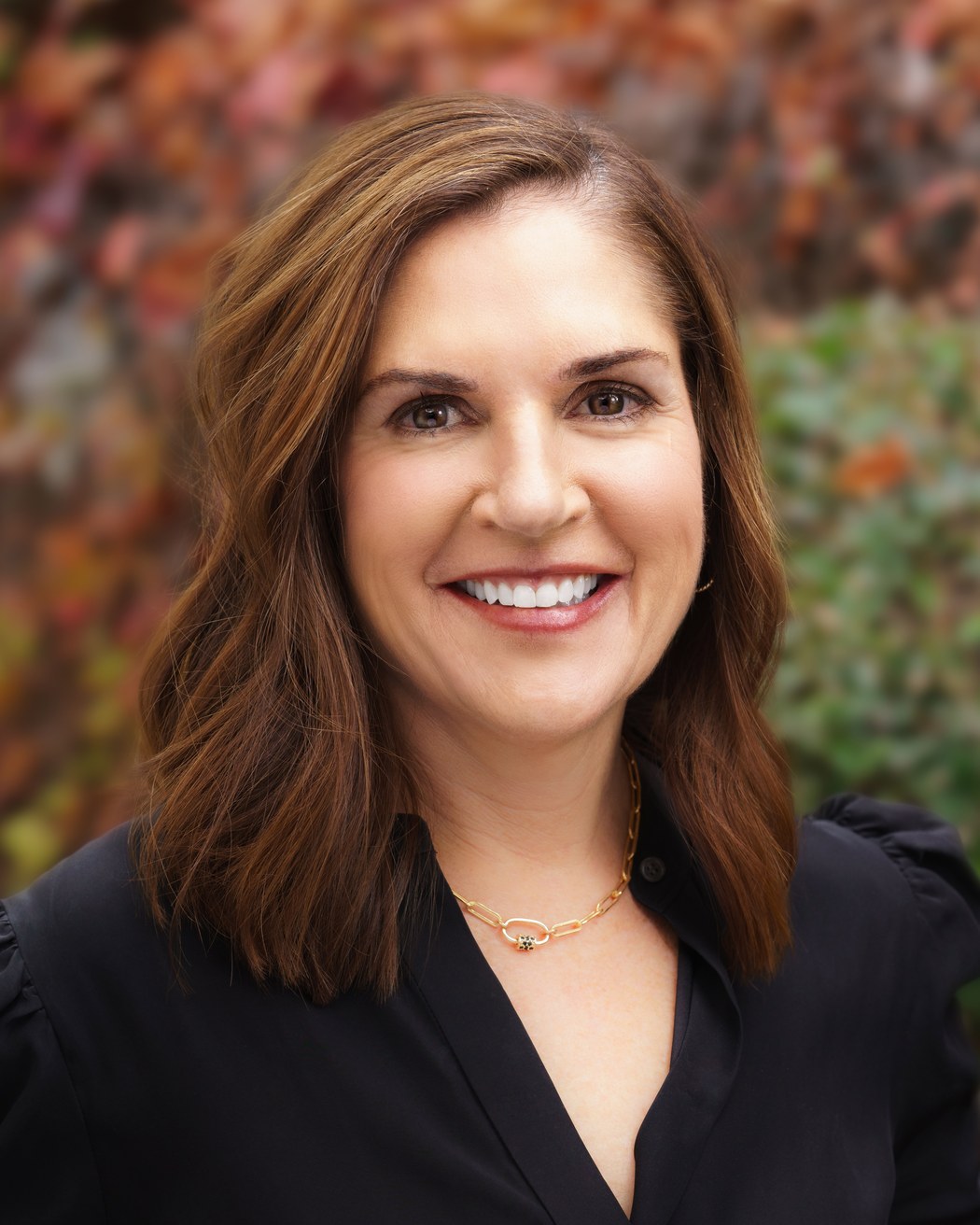
Jennifer Stephens Acree and the art of a useful conversation
She learned communications on Capitol Hill and at Yahoo, then built JSA+Partners around candid advice. After the Los Angeles fires, Jennifer Stephens Acree put those relationships to work for businesses trying to begin again.

Shaul Olmert and the trouble with a good story
He helped turn personality quizzes into a publishing business. Then the Playbuzz co-founder began writing novels, where the question of who you are takes rather longer to answer.
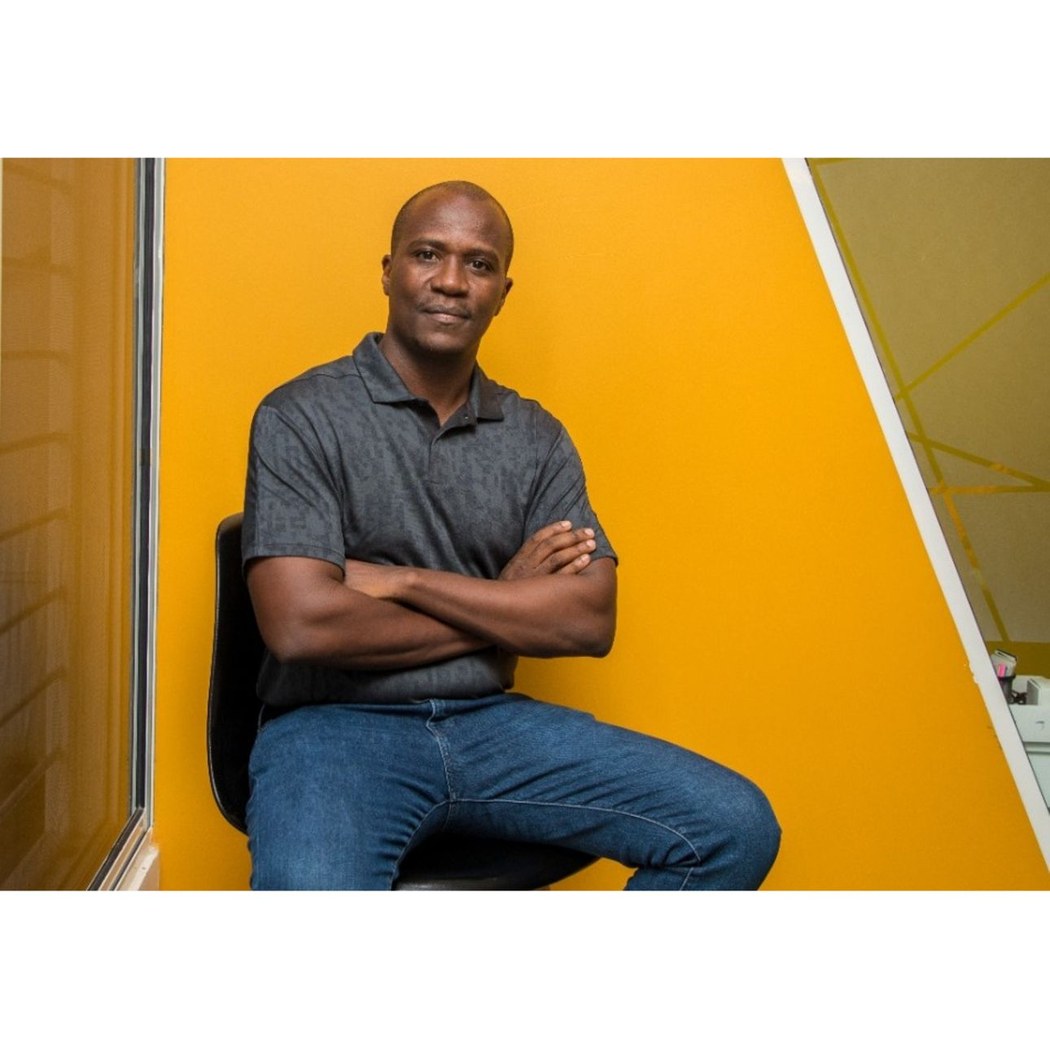
Edwin Bruno knows what an introduction is worth
He started by finding customers for his own ideas. With Smart Lab, the Tanzanian entrepreneur is helping other founders reach the people who can give theirs a chance.
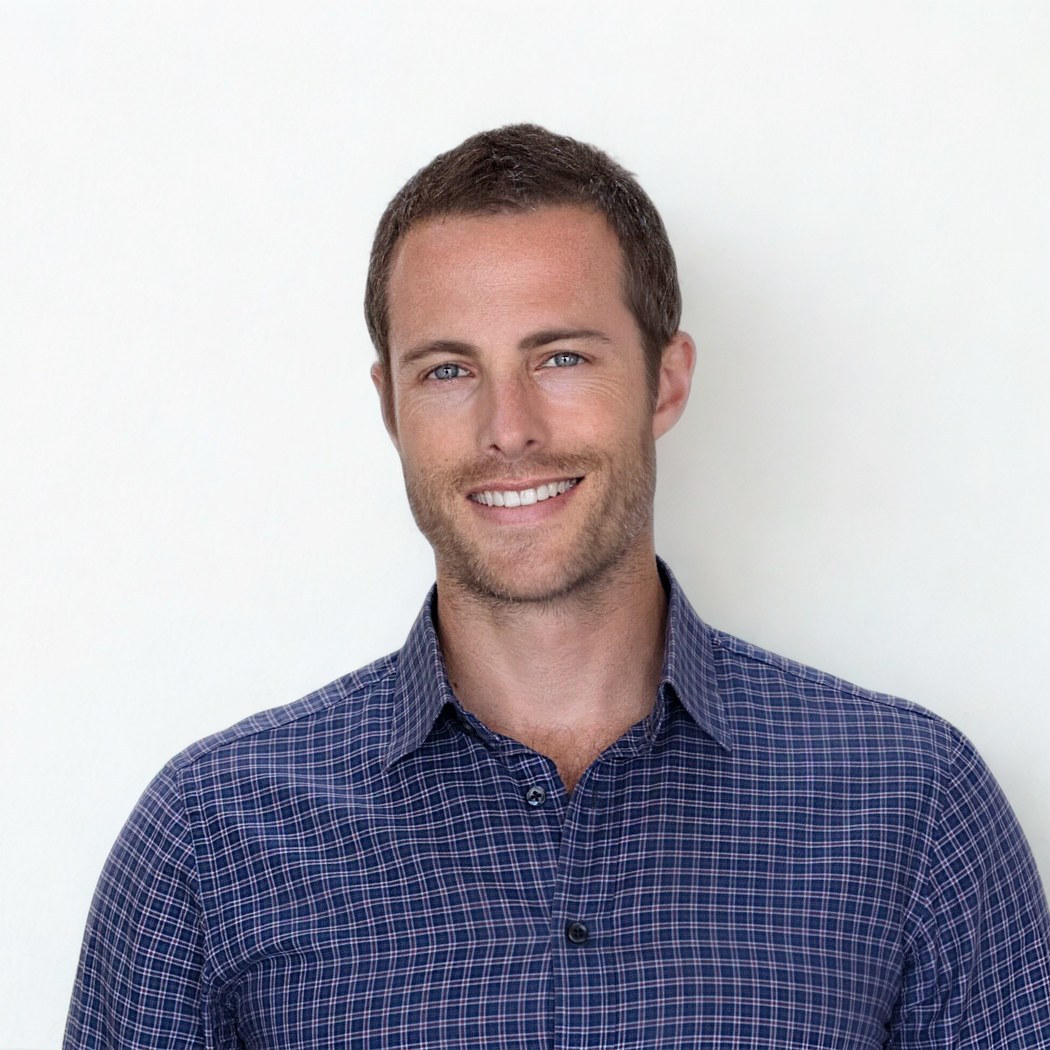
Derik Mills and the distance between wanting and doing
A missed yoga class gave Derik Mills an idea. Building Glo meant working out how much of a room, a teacher, and a human connection could travel through a screen.
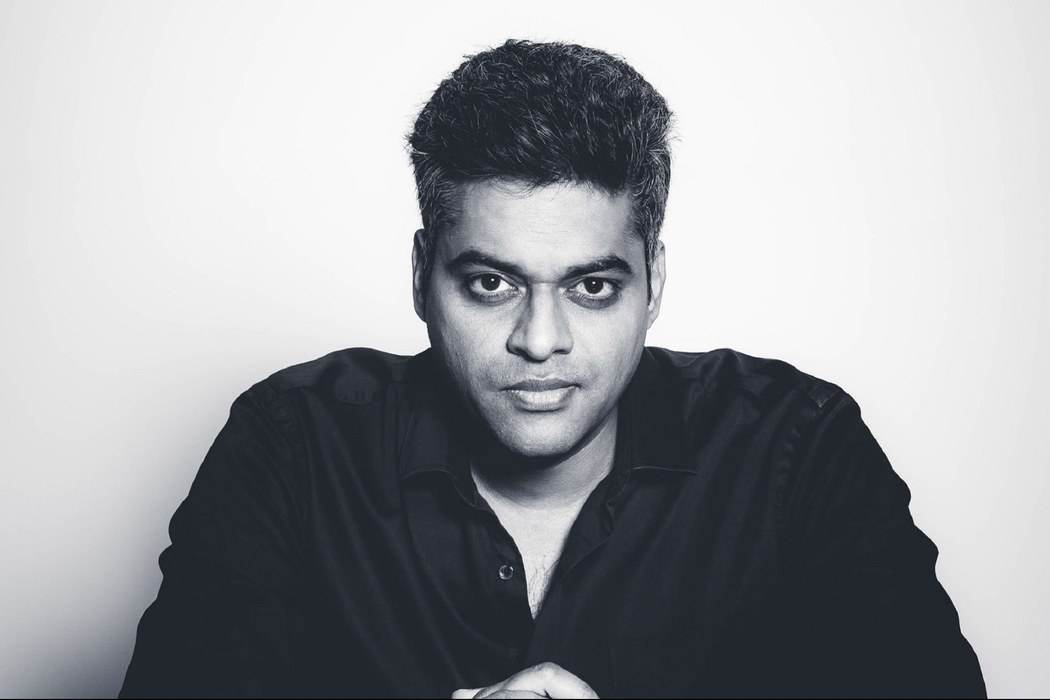
Chaitanya Nallan and the business of asking first
Before SkinKraft and Vedix, Chaitanya Nallan was paying people to receive advertisements on their phones. Across two decades of building businesses, he has kept returning to the same question: what does the customer actually want?

Pub built the button. The money ran out.
Pub wanted buying video rights to feel as simple as sharing a clip. Its license button made the idea visible; its founder’s account of the shutdown shows how much a button still leaves to solve.

Advance Local knows where the story lives
The company behind AL.com, NJ.com and MLive is moving beyond the printed newspaper. Its next chapter pairs local reporting with software that helps businesses find their customers.

Lynda Brown-Ganzert and the power of a smaller circle
Before she led RxPx, Lynda Brown-Ganzert built a social network for just ten people. Her career keeps returning to the same question: how do you make a connection worth keeping?

Jon Kirchner and the business of letting go
He joined DTS as employee number 11, helped take its sound beyond the cinema, and learned to leave successful businesses behind. At Xperi, Jon Kirchner is applying the same discipline to what comes after the television remote.
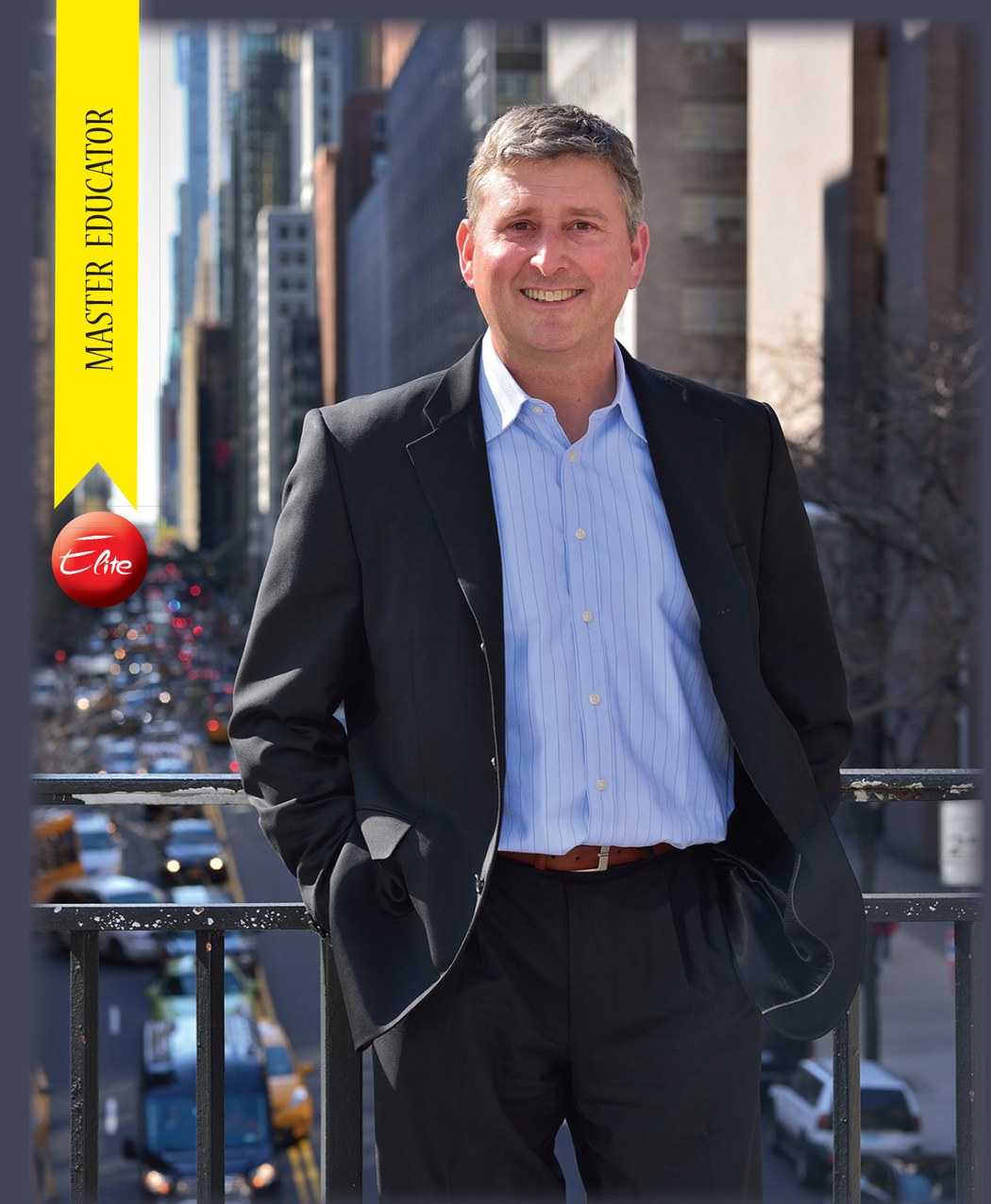
John Theobald and the business of changing the channel
He started with internet access, founded Healthcasts in 2001, and kept changing how the company delivered its work. John Theobald’s career offers a practical question for any founder: when does the format stop serving the audience?

Richard Awdeh and the Value of Changing Course
Before CheckedUp, Richard Awdeh studied finance, worked at Goldman Sachs and spent a year pitching a business plan. His career since then has turned on a harder skill: knowing when to change direction, and when to stay.
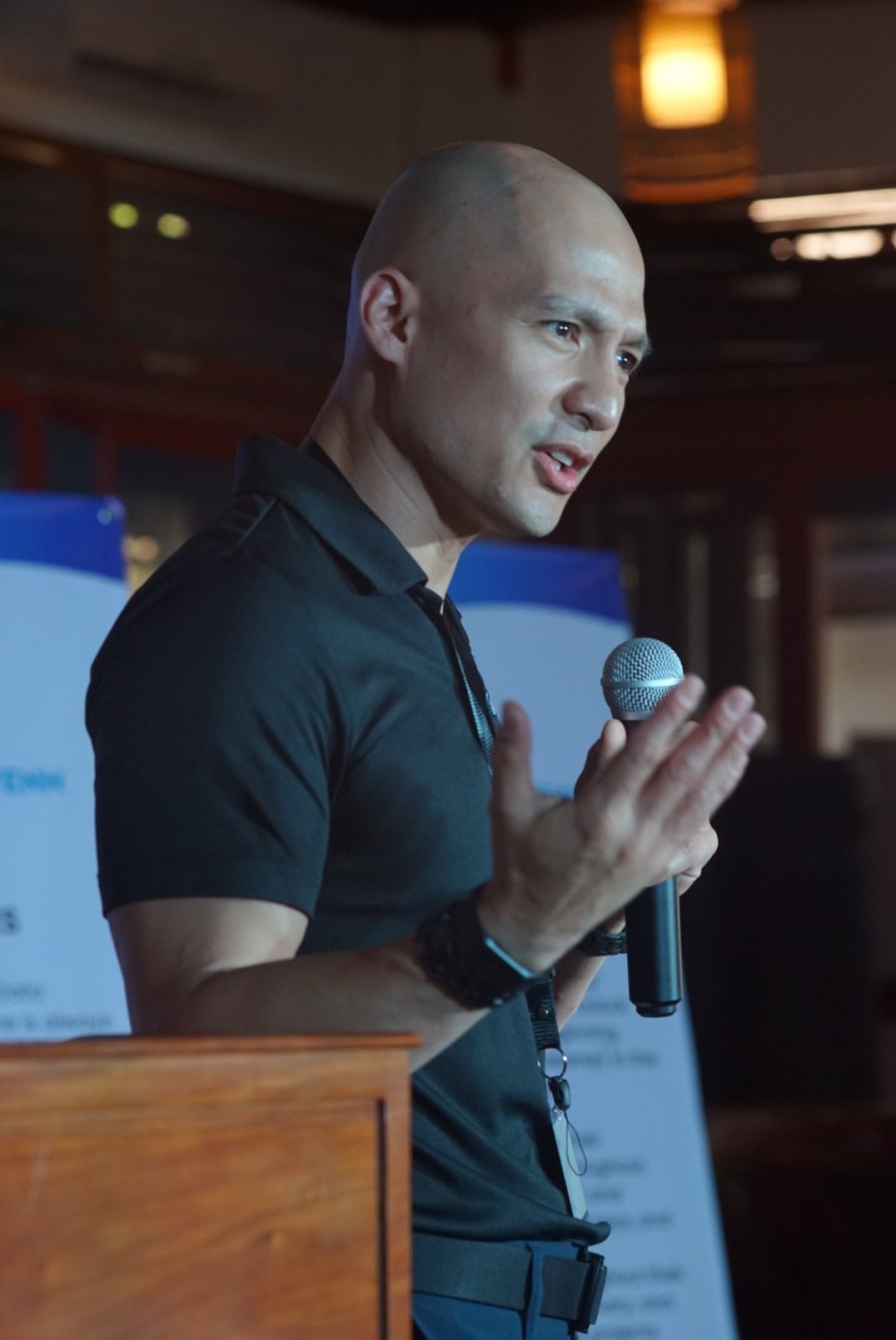
Aldo Carrascoso and the trouble with waiting
A waitlisted applicant arrived at Babson at 7 a.m. Years later, the co-founder of Jukin Media, Veem and InterVenn is still looking for the point where a process gets in the way.

Richard Rosenblatt and the business of letting go
A shopkeeper wanted to change a web page. Richard Rosenblatt saw a business in handing over the controls. From iMall and Myspace to Whip Media, that instinct kept finding new places to work.