Tagged: physicist
13 results
Joanne Smith-Farrell
Joanne Smith-Farrell is the President and CEO of Be Biopharma, a Cambridge, Massachusetts company building a new class of medicines from engineered B cells - the body's own protein factories. A physicist by training who moved into drug development, she has spent more than 25 years leading teams tackling cancer and rare diseases, most notably building bluebird bio's 400-person oncology cell therapy business behind the CAR-T therapy Abecma. Since taking the helm at Be Bio in early 2021, she has steered the company through more than $350 million in funding as it works to turn B cells into durable, in vivo sources of therapeutic proteins.

Ory Zik
Ory Zik is the CEO of Qnergy, an Ogden, Utah company that builds maintenance-free Stirling-engine generators used to convert stranded methane at oil, gas, landfill and livestock sites into electricity. A physicist by training with a Ph.D. from the Weizmann Institute, he has spent two decades founding cleantech and scientific-instrument companies, including Heliofocus (concentrated solar), Energy Points (environmental analytics, acquired by Lux Research) and Quantomix (live-cell electron microscopy). He also helped launch Greenpeace's Israel branch and served as scientific director of Israel's National Museum of Science.

John Serri
John A. Serri is a physicist-turned-entrepreneur and the co-founder, Chairman and CEO of EyeQue Corporation, a Newark, California company that turns an ordinary smartphone into a clinically registered eye-refraction device. With a PhD in Physics from MIT and 35 years spent building secure government networks and one of the world's largest satellite phone systems (Globalstar), Serri launched EyeQue in his 60s to make affordable vision testing available to anyone with a phone. Under his leadership EyeQue built its at-home Personal Vision Tracker on technology licensed from MIT, won CES 2017 Best of Innovation, amassed roughly 25 patents, and reached users in more than 150 countries.

Jon O'Bryan
Jon O'Bryan is the CEO and Co-founder of Atlas (YC W22), an AI-first customer support platform built to replace legacy tools like Zendesk and Intercom. A PhD physicist turned serial entrepreneur, Jon previously co-founded PadSplit - a co-living marketplace that housed 23,000 people across 18 U.S. cities - and Blanket Homes. At Atlas, he is on a mission to transform customer support from a cost center into a revenue driver, bringing together session recording, omnichannel ticketing, AI copilot, and customer timeline tools in a single ergonomic platform backed by Y Combinator and angel investors including Parker Conrad (Rippling), Jack Altman (Lattice), and Arash Ferdowsi (Dropbox).
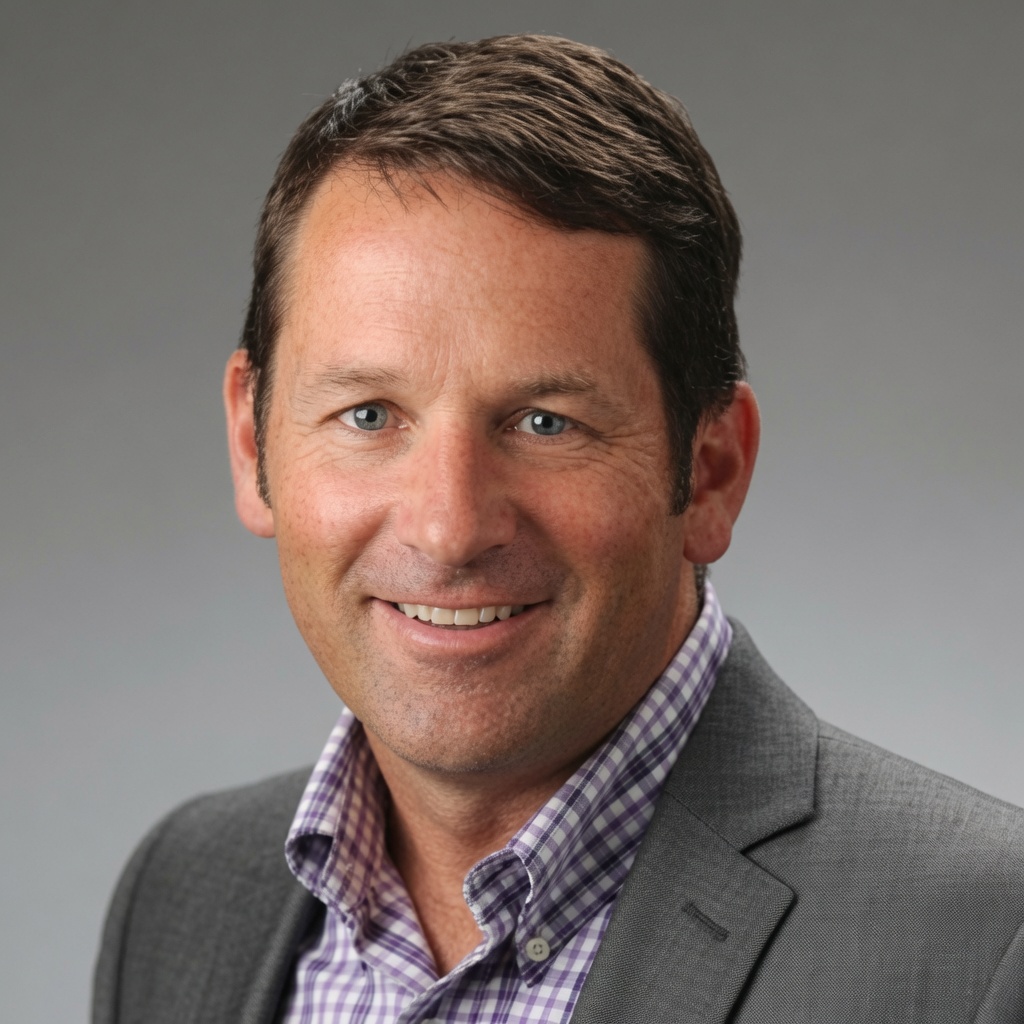
Kris Merkel
Kris Merkel is the President and CEO of S2 Corporation, a Bozeman, Montana deep-tech firm turning rare-earth-doped crystals into an optical computer that watches the entire radio spectrum at once. A physicist by training and a patient operator by temperament, he has spent more than two decades pulling a niche piece of laboratory physics, spatial-spectral holography, out of Montana State University and into the hands of the U.S. Department of Defense, DARPA, and the intelligence community.

Aurelian Lis
Aurelian Lis is the Global CEO of Dermalogica, the professional skin-care brand owned by Unilever Prestige. A self-described 'nerdy physicist with a love for cosmetics,' he took the top job in January 2016 after quadrupling Benefit Cosmetics' Americas business to roughly $500 million as its general manager. Trained in physics at Oxford and business at INSEAD, Lis built and sold his own customized skincare company before bringing a science-meets-emotion philosophy and a habit of relentless iteration to one of the world's leading professional skincare houses.

Gene Dolgoff
Gene Dolgoff is the founder, CEO, CTO, and Chairman of Holobeam Technologies, a Long Island biotech building holographic tools to detect and treat cancer. He has been making holograms since 1964, holds over 65 patents worldwide, built the world's first LCD projector, and consulted with Gene Roddenberry on the concept that became the Star Trek Holodeck. Today his company is developing Holographic Energy Teleportation (HET), advanced nanoparticles, and a new class of MRI imaging - aiming, in his words, to teleport energy through the body to kill cancer cells.

Will Roper
Will Roper is a physicist-turned-defense-strategist who now runs Istari Digital, a Cambridge, Massachusetts startup trying to build an 'engineering metaverse' where machines from satellites to medicines can be designed, tested and certified entirely in software. Before founding Istari in 2022, he was the 13th Assistant Secretary of the Air Force for Acquisition, Technology and Logistics, steering a roughly $40-60 billion annual portfolio, and earlier the founding director of the Pentagon's Strategic Capabilities Office, where he turned a $50 million budget into a $1.5 billion-plus prototype machine that produced drone swarms, hypervelocity guns and fighter-jet AI co-pilots. A Rhodes Scholar with an Oxford doctorate in string theory, he names his ventures after Tolkien wizards and argues America must learn to make hardware behave like software before its rivals do.

Patrick Naulleau
Patrick Naulleau is the CEO of EUV Tech Inc., a Martinez, California-based company leading the development of at-wavelength extreme ultraviolet (EUV) metrology tools for semiconductor manufacturing. With over 25 years of pioneering work in EUV lithography — including helping build the world's first EUV scanner at Lawrence Berkeley National Laboratory and co-developing the SHARP EUV mask microscope — Naulleau transitioned from world-class researcher to industry CEO in 2022. He holds a PhD in Electrical Engineering from the University of Michigan, is a Fellow of both Optica and SPIE, and has authored over 400 publications. EUV Tech raised a $36M Series A led by Intel Capital in 2023.
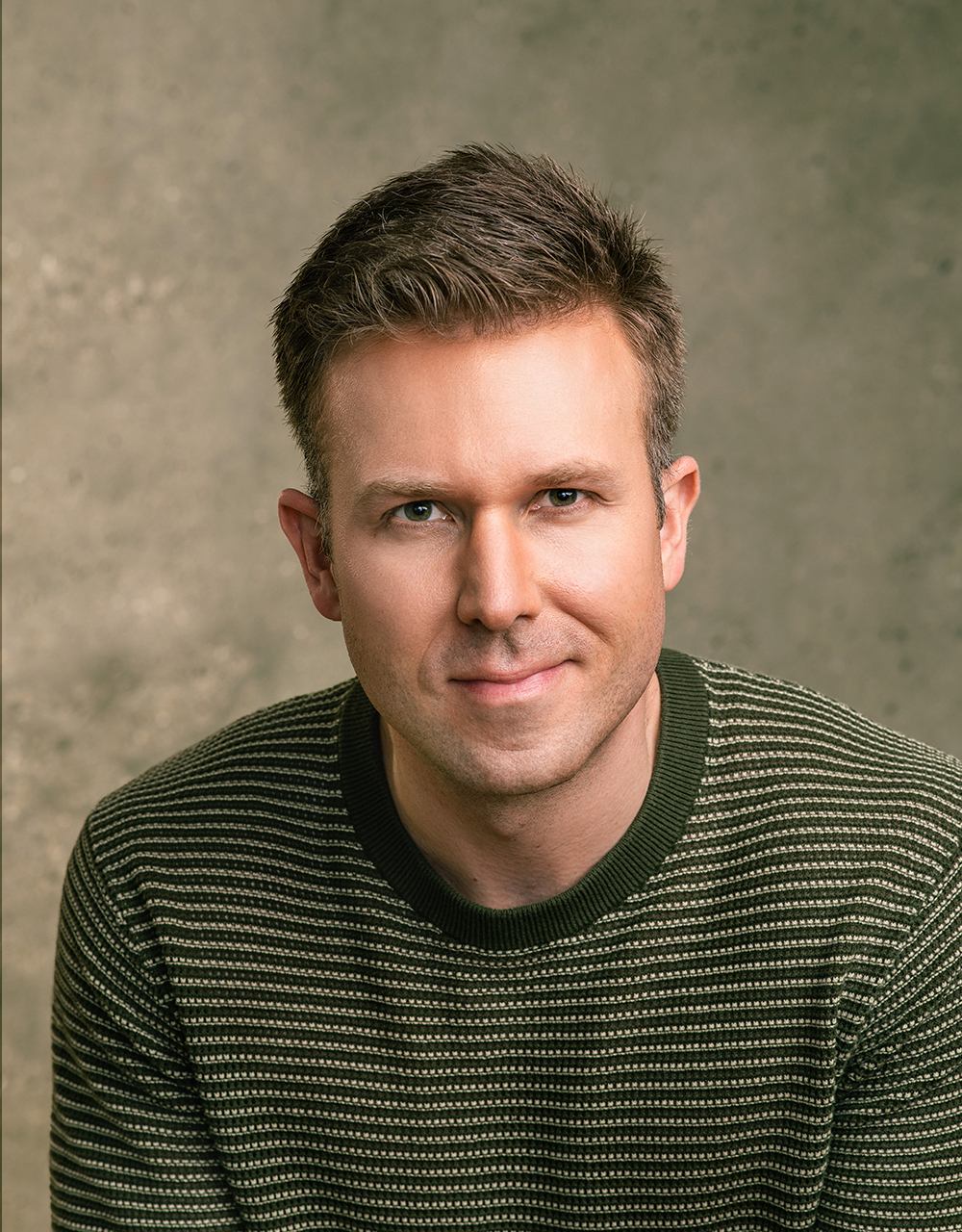
James Hardiman
James Hardiman is a General Partner at DCVC (Data Collective Venture Capital), a deep tech-focused VC firm based in Palo Alto. A physicist by training with a BS in Engineering Physics from UC Berkeley and an MBA from University of Chicago Booth, he has been investing at DCVC since 2013 - backing companies at the intersection of hard science and transformative industry applications. His portfolio spans AI-native biotech, quantum computing, industrial robotics, and advanced materials, with board seats at companies including Lumafield, Q-CTRL, NOETIK, and Slip Robotics. Promoted to General Partner in July 2023, Hardiman brings a rare combination of hands-on technical experience (Lam Research, semiconductor processing) and strategic consulting chops (ZS Associates in healthcare/biotech, Blackstone in M&A) to his work as a deep tech investor.

Samuel Rodriques
Samuel Rodriques is a physicist-turned-bioengineer and co-founder and CEO of Edison Scientific, the AI-driven scientific discovery company behind Kosmos - an AI scientist that reportedly condenses six months of PhD-level research into a single day. A MIT PhD and Hertz Fellow who invented implosion fabrication and pioneered spatial transcriptomics, Rodriques left the Francis Crick Institute to co-found FutureHouse (funded by Eric Schmidt) in 2023, then spun it into for-profit Edison Scientific, which raised a $70M seed round at a $250M valuation in December 2025. Named to Time 100 AI in 2025, he is on a mission to cure all diseases by mid-century through AI-accelerated science.
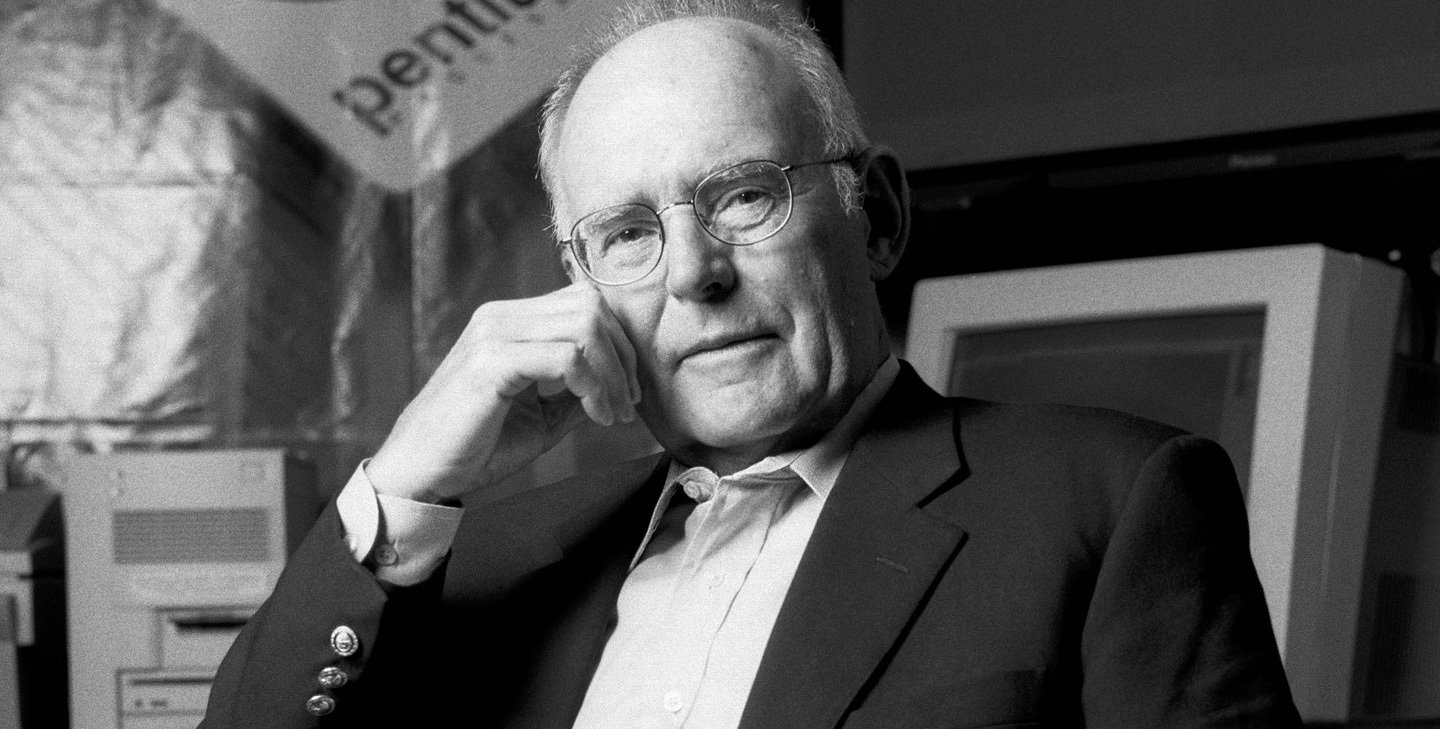
Gordon Moore
Gordon Earle Moore (1929-2023) was the co-founder and emeritus chairman of Intel Corporation, and the visionary behind Moore's Law - the observation that the number of transistors on integrated circuits doubles approximately every two years. A chemist and physicist by training, Moore was one of the 'Traitorous Eight' who left Shockley Semiconductor to found Fairchild Semiconductor in 1957, then co-founded Intel in 1968 with Robert Noyce. His 1965 prediction became the guiding principle of the semiconductor industry and fueled the digital revolution. Beyond technology, Moore and his wife Betty donated over $10 billion through their foundation to environmental conservation, scientific research, and patient care, making him one of the most generous philanthropists in history.

Robert Noyce
Robert Norton Noyce co-invented the monolithic integrated circuit in 1959 - the foundational technology behind every modern chip - and then co-founded Intel in 1968, where he also invented Silicon Valley's flat, equity-sharing management culture. Nicknamed 'The Mayor of Silicon Valley' and 'Rapid Robert,' he was a physicist, pilot, hang-glider, and former pig thief who transformed both how the world computes and how technology companies are run.