kellogg
(43)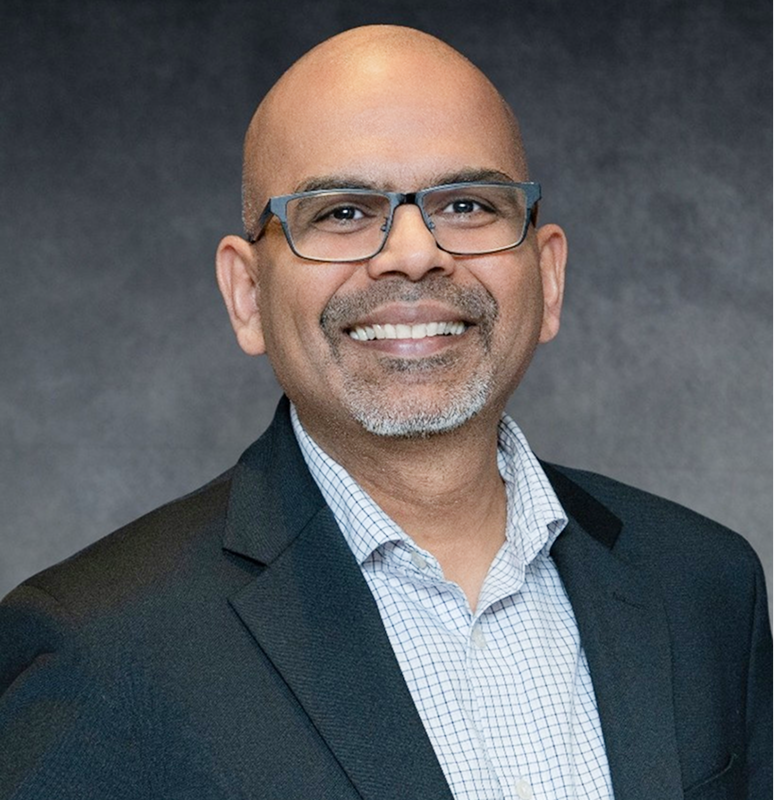
Ashish Agrawal is still learning on the job
From a first office lease to a firm of 400-plus, the ProcDNA founder has made a career of taking on work he has never done before. His next assignment is helping other people do the same.
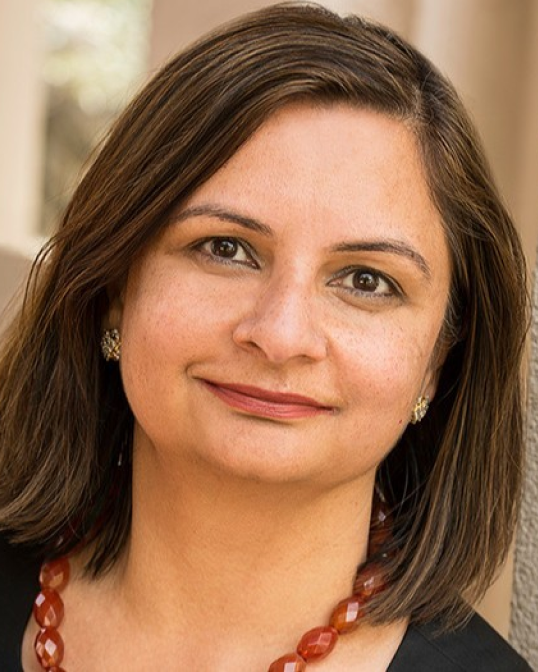
Ritu Mangla and the business of earning trust
From co-founding Beta Soft Systems to leading InfoStride, Ritu Mangla has built a career around the people who make technology work. Her next market was once a government contract she could not yet bid for.
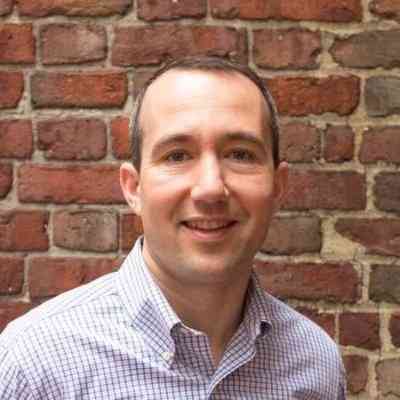
Patrick Boyaggi went mortgage shopping. His own bank lost.
The Own Up co-founder built a business around a question his banking career left unanswered: why should borrowers need insider knowledge to find a fair deal? In April 2026, Experian bought the company for $175 million.
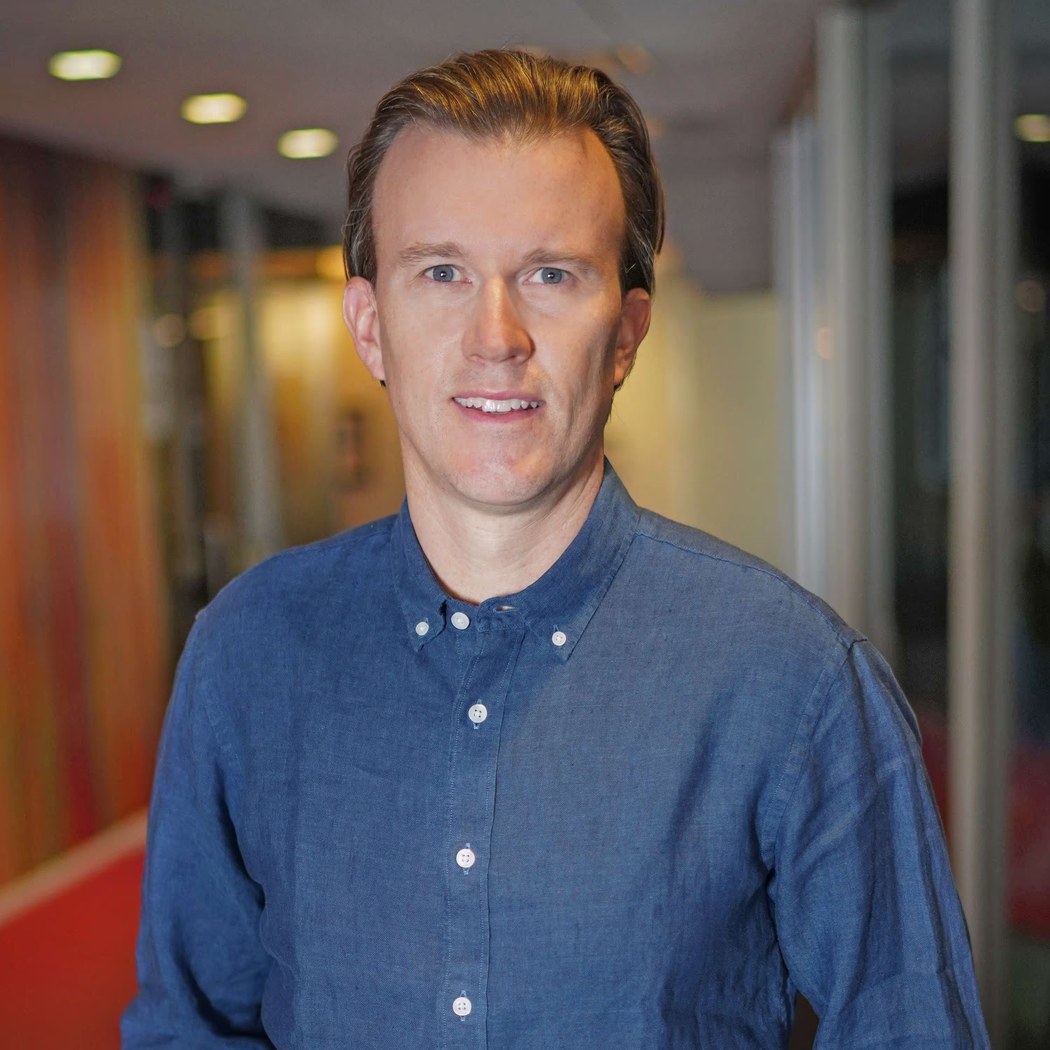
Jack Philbin has been waiting for your reply since 1998
The Vibes co-founder built a career around the humble text message. From concert screens to conversational commerce, his wager keeps coming back to the same thing: give people a reason to answer.
Steven Szaronos and the good sense to change his mind
Before Bespoke Post shipped its first box, Steven Szaronos helped abandon the business he had gone to New York to build. His next idea paired a taste for discovery with the less glamorous work of getting things out the door.
Rishi Prabhu and the useful art of changing your mind
He helped turn a discarded QR-code startup into Bespoke Post. The harder trick has been knowing when to keep a good idea - and when to let the customers pull it somewhere new.
Sam Jactel and the Useful Art of Changing Your Mind
Before Ayble Health raised its $16 million Series A, Sam Jactel had to learn which ideas to keep and which to let go. His route from consulting to company building runs through a classroom, a family example and an enduring interest in philosophy.
Karthik Krishnan Wants the Computer to Read the Room
Before co-founding Concentric AI, Karthik Krishnan helped security software spot unusual behavior. Now he wants it to understand what a document means - and he has had to learn a few things about people along the way.
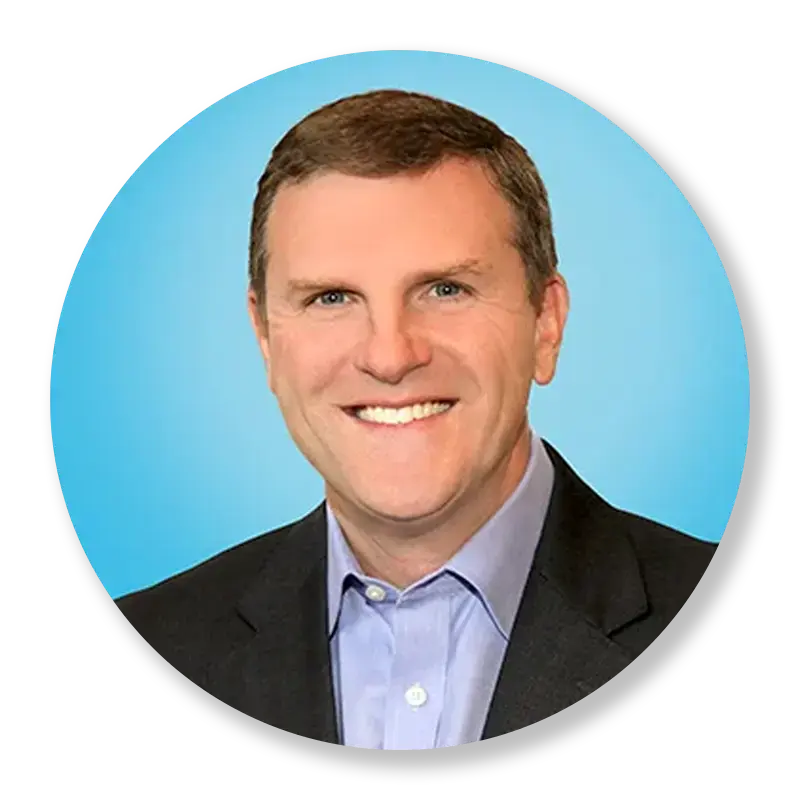
William P. Angrick III saw a future in everybody’s leftovers
A newspaper ad, $100,000 in savings and a subleased campaign office helped launch Liquidity Services. Its co-founder has spent the years since finding new buyers for things their first owners no longer need.
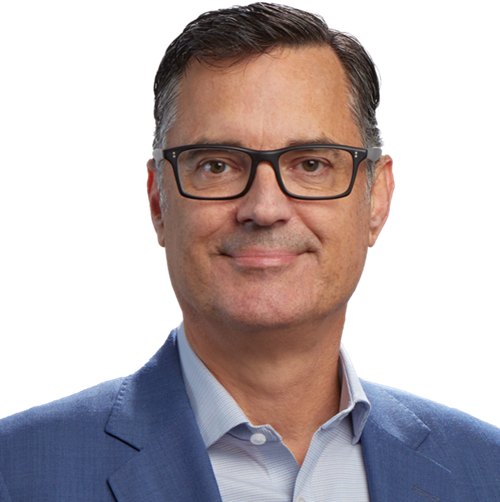
Scott Huckins and the business of being taken for granted
After a career in corporate finance, Scott Huckins took charge of the company behind Reynolds Wrap and Hefty. His next assignment is to make familiar household habits a foundation for growth.
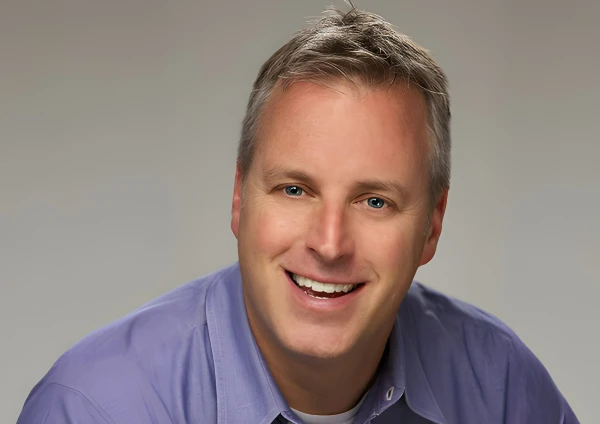
Glenn Trout and the business hiding in the paperwork
After the dot-com crash, Glenn Trout built a business around documents people still needed. His path from MSDSonline to VelocityEHS and Source Intelligence follows a stubbornly practical idea: make complicated information easier to use.
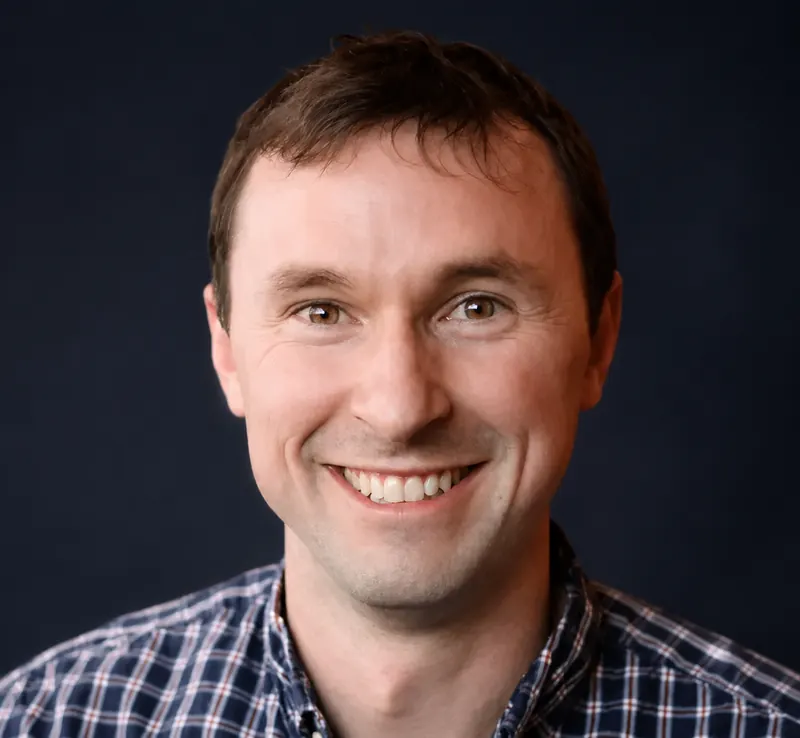
Stephen Lane and the price of getting through the front door
He started Flyhomes with airline miles, then helped mortgage buyers compete with cash. Now Stephen Lane is working on another obstacle to owning a home: how families can help with the purchase.
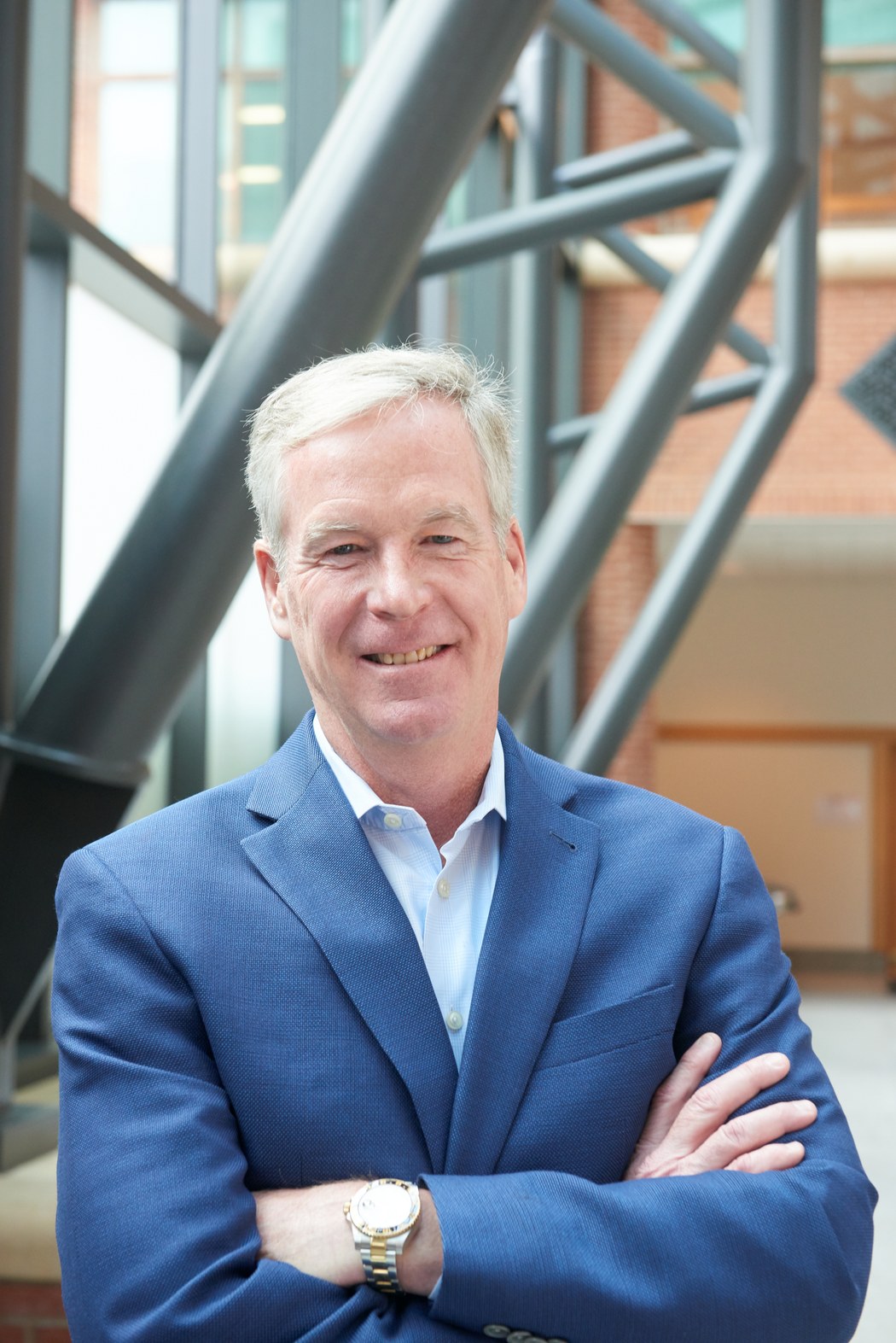
Steve Cahillane and the case for second thoughts
He helped split Kellogg into two companies. At Kraft Heinz, Steve Cahillane put the breakup on hold - and made a $700 million bet on the brands already in the cupboard.
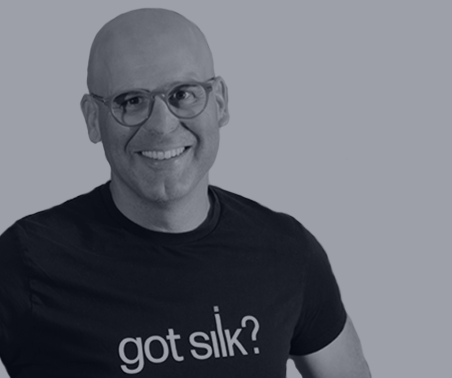
Dani Golan and the Art of Changing Course
A former fighter pilot built a storage company, handed off the hardware, and followed the data into the cloud. At Silk, Dani Golan is making another turn - toward the information that AI needs to do useful work.

Ali Briggs Carvalho and the People a Résumé Leaves Out
A childhood among family businesses led to consulting, Google, and a Kellogg class project with Rachele Louis. With LifeWeb 360, Ali Briggs Carvalho gave the people around a person a place to tell the rest of the story.
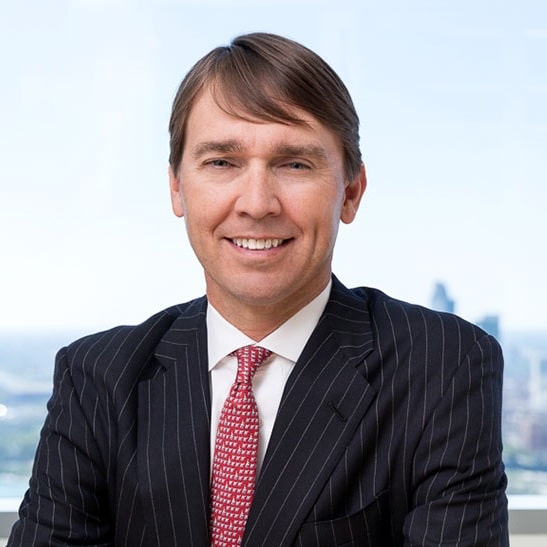
Kip Kirkpatrick and the long game of belonging
A Northwestern basketball player became a builder of investment firms. Through The Vistria Group, campus commitments and a partnership born on the court, Kip Kirkpatrick keeps returning to the question of what a team can build.
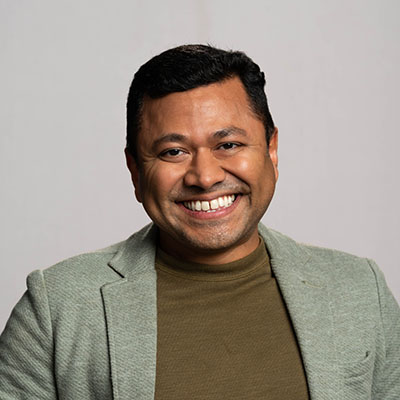
Mathew Elenjickal and the question that would not go away
A logistics consultant kept seeing expensive software defeated by a simple question: where is the shipment? FourKites began with that gap, and its founder is still following the work it leaves behind.
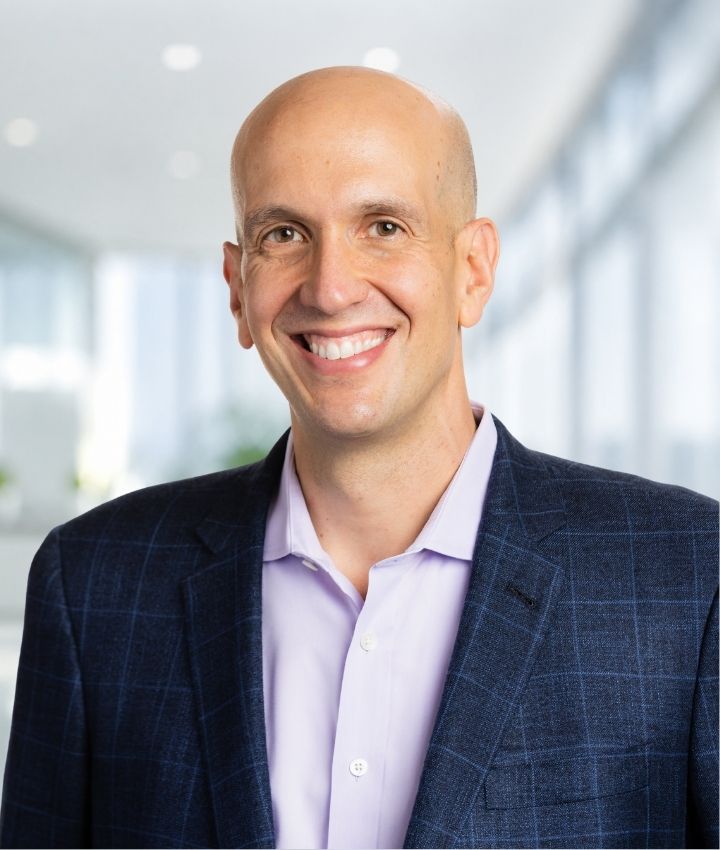
Rob DeMento and the art of changing sides
He left intellectual property law to do the work his clients were doing. Now, after years in product, technology, and operations, Rob DeMento is looking for a business to acquire and lead with The Brydon Group.
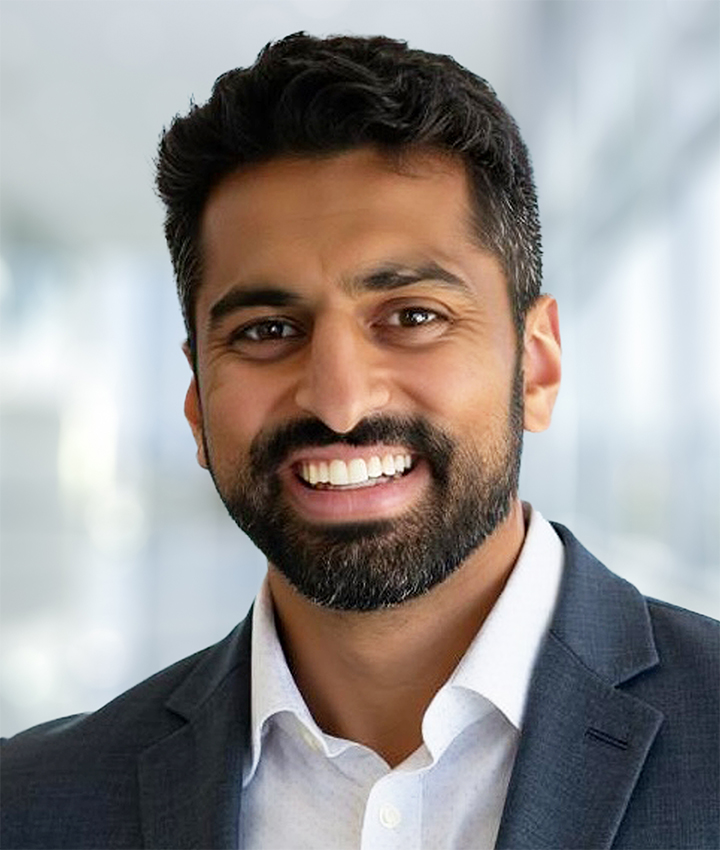
Vivek Chhabria and the value of an old friend
After a career at McKinsey, Vivek Chhabria joined The Brydon Group to pursue small-business acquisitions with Tyler Moore. Their partnership began long before either had a business to buy.
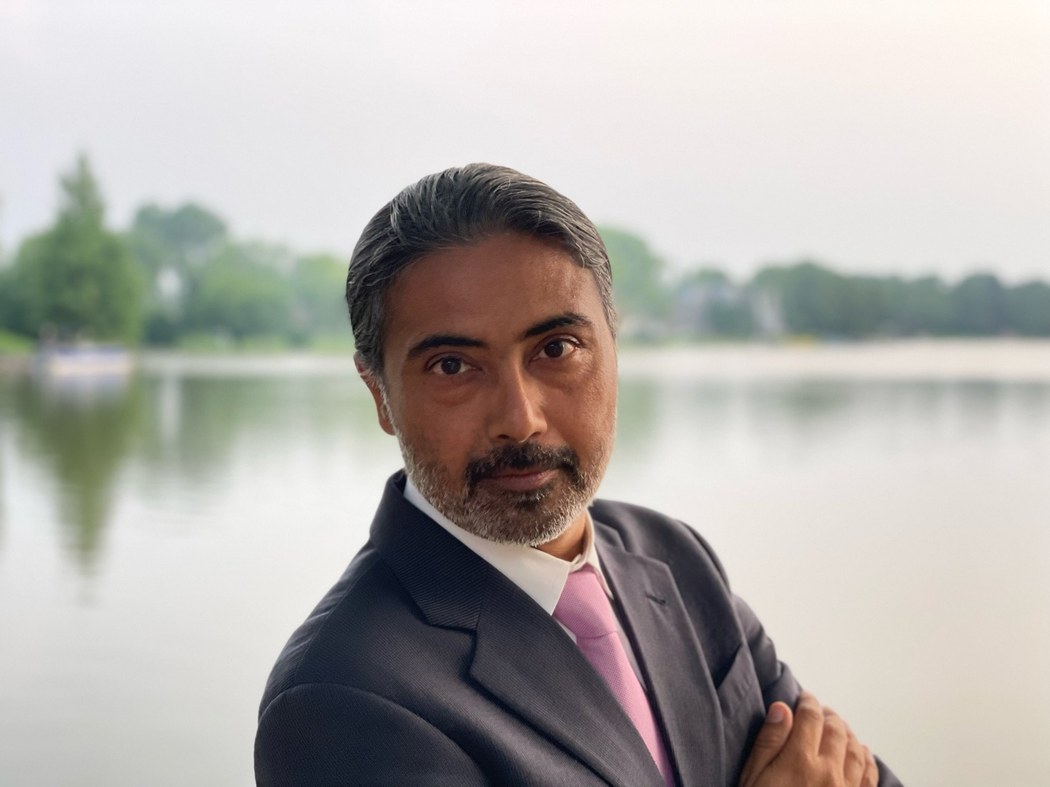
Parry Singh and the business of finding what is missing
A search for familiar ingredients helped launch Parry Singh’s first internet venture. From Chicago to Indian business lending and used-car diagnostics, his career keeps returning to the gaps that make ordinary transactions difficult.
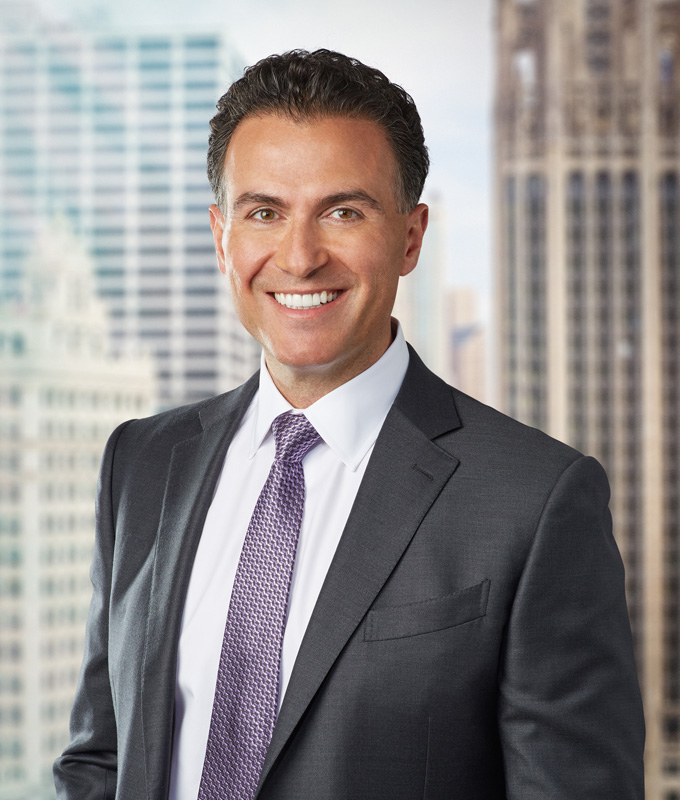
Enzo D’Angelo and the business of thinking small
After years at established investment firms, Enzo D'Angelo co-founded a Chicago partnership focused on smaller, founder-owned businesses. His career offers a close look at what happens when investing basics become an operating strategy.
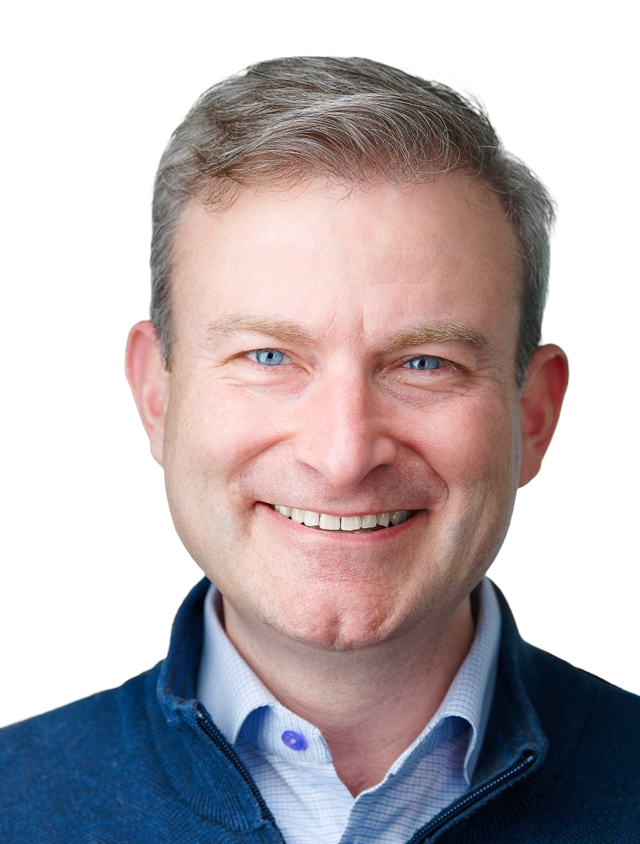
Andrew Hayek and the business of belonging
From an Olympic torch in a Las Vegas ballroom to the companies he builds with longtime colleagues, Andrew Hayek’s career turns on a practical question: how do you get people to work together?
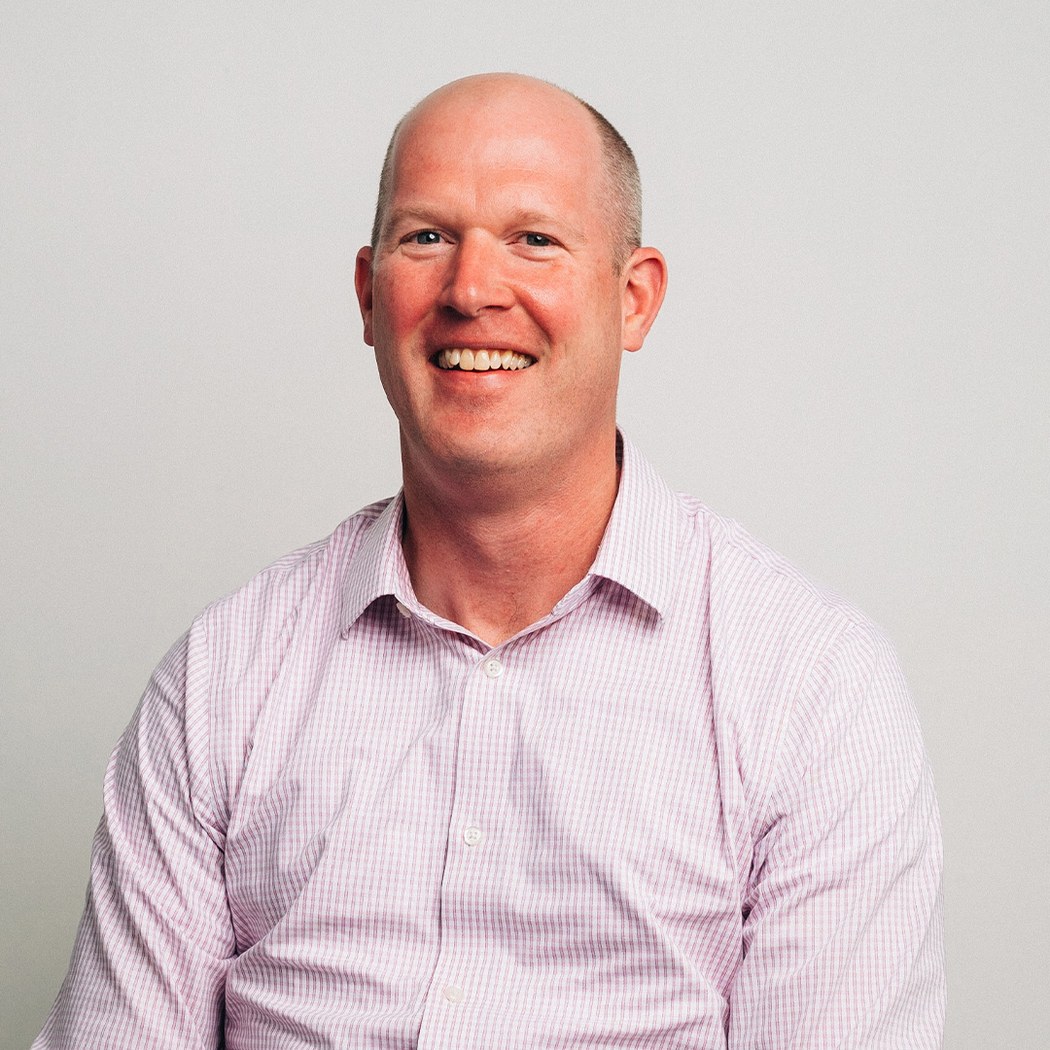
Russell Baker and the value of changing the brief
He began in accounting, moved into brand building at Coca-Cola, and became CEO of Wingard. In Jacksonville, Russell Baker has found a new brief: helping the place he calls home grow.
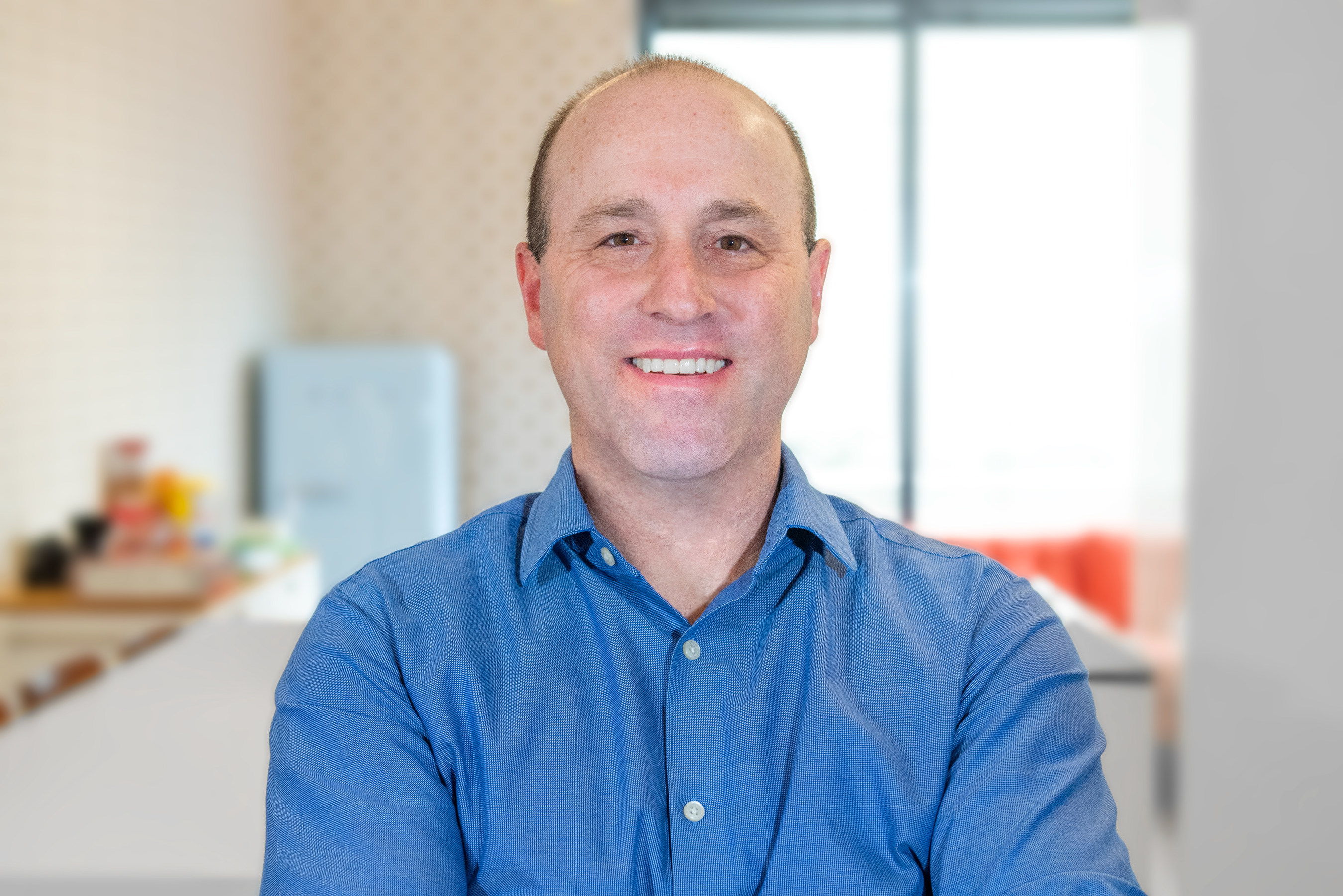
Scott Sundheim’s Long Route From Pop-Tarts World to the Digital Pawn Shop
A marketer trained on cereal-aisle brands and coupon clicks is now helping a 20th-century retail format meet the online shopper - one local inventory feed, loyalty member and customer promise at a time.
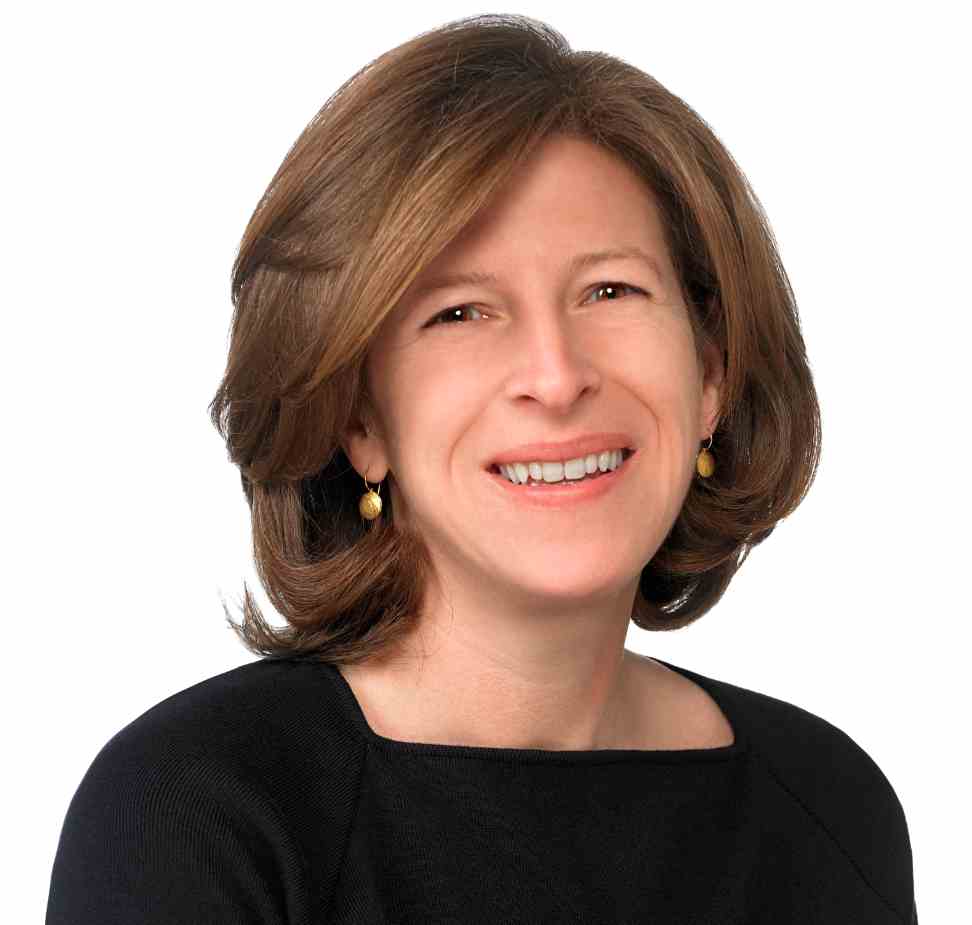
Gail Horwood
From hand-built recipe pages to highly regulated brand storytelling, Gail Horwood has spent three decades asking the same useful question: what does the audience need next?
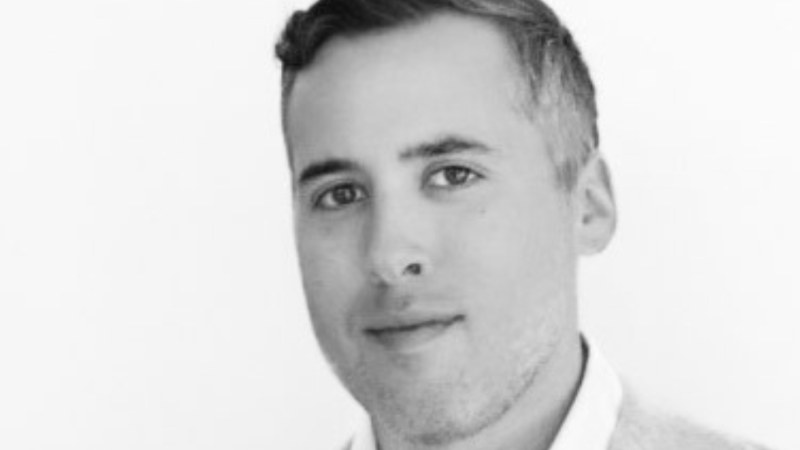
Ben Hernandez
Ben Hernandez is the founder and CEO of Numat, a Chicago deep-tech company that treats chemistry like software. Numat designs metal-organic frameworks (MOFs), nanoscale materials that capture, hold, and even destroy specific molecules with atomic precision. Trained as an engineer with a law degree and an MBA, and a former private equity investor, Hernandez turned a Northwestern lab idea into the world's first industrial-scale MOF manufacturing campus, powering safer hazardous-gas storage for the semiconductor industry through its ION-X product and pushing toward industrial decarbonization.
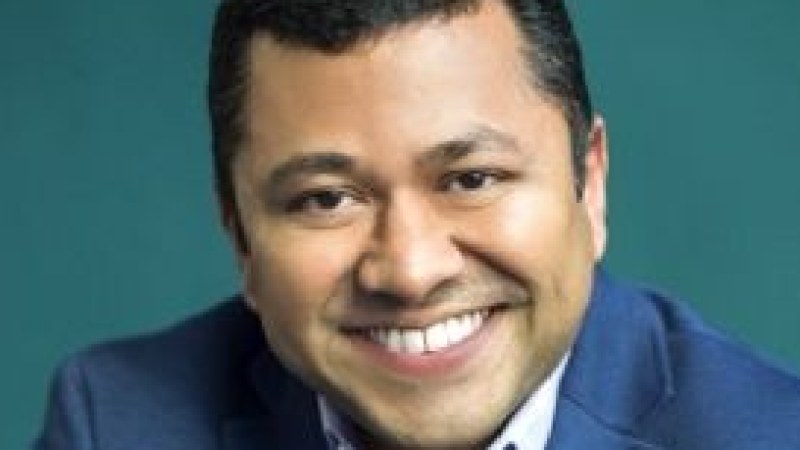
Mathew Elenjickal
Mathew (Matt) Elenjickal is the founder and CEO of FourKites, the Chicago-based supply chain visibility company he started in 2014 after realizing he could track a pair of Amazon shoes to the doorstep but not a $100,000 shipment of industrial equipment. A mechanical engineer from Kerala turned logistics-software operator, he spent seven years at i2 Technologies and Oracle before building FourKites into a platform that now tracks more than 3.2 million supply chain events a day for 1,600+ global brands. He has raised roughly $247 million across four rounds and is now pushing the company past dashboards into AI-native orchestration with products like the Intelligent Control Tower and Loft.
Dan Rubin
Dan Rubin is President and CEO of PARx Solutions, a Burlington, Massachusetts healthtech company that runs the Prior Authorization Support System (PASS), a service that helps physician offices push prescriptions past insurer prior-authorization roadblocks at no cost to the practice. A chemical engineer by training who switched to building businesses, Rubin co-founded medication-adherence pioneer Adheris in 1993, ran it for fifteen years, then took the helm at PARx in 2012. He has spent three decades on a single problem: the gap between a doctor writing a prescription and a patient actually getting the medicine.
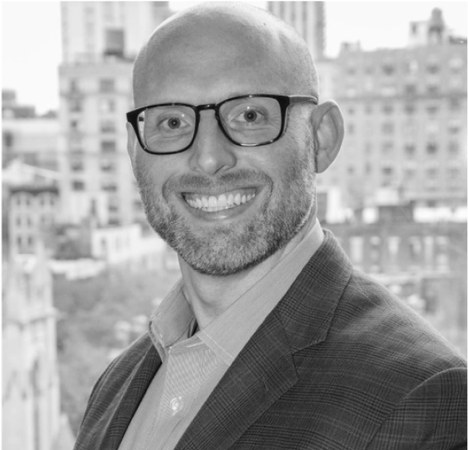
Robert Huntington
Robert (Rob) Huntington is the CEO of Oakscale Franchise Partners and of Metric Collective, a New York-based group that builds, markets, and invests in franchise brands. A former high-school history teacher who ran the single largest Huntington Learning Center before earning an MBA at Kellogg and consulting at BCG, he now applies data, software, and digital marketing to a slow-moving industry, connecting entrepreneurs with franchise concepts and helping emerging brands scale. He led the angel round that seeded Oakscale with $1.2M in 2019 and frames franchising's challenge bluntly: the industry has been coasting downhill and now has to pedal.
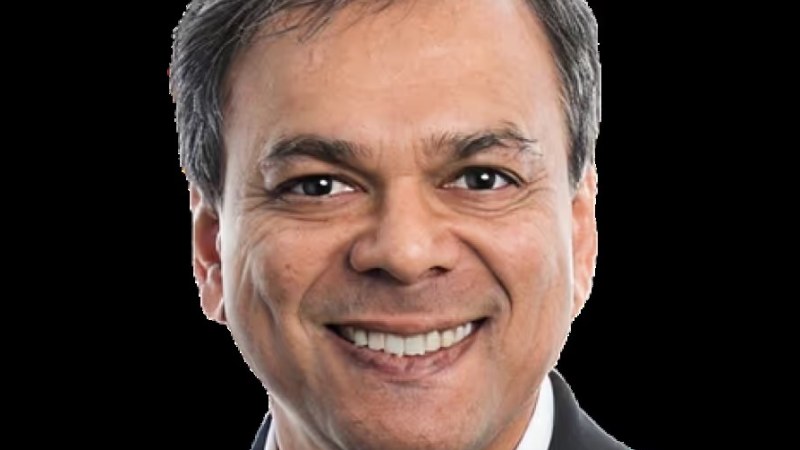
Vinay Goel
Vinay Goel is the CEO and co-founder of Wald.ai, a Palo Alto startup building contextual data-loss protection for the age of generative AI. After more than 30 years in product and technology - a decade at Google leading Maps and Local, then top product roles at JLL, Kiavi, Check Point and Webroot - he co-founded Wald.ai in 2024 to solve the 'shadow AI' problem: employees feeding sensitive company data into ChatGPT, Claude and Gemini. Wald.ai redacts sensitive data inline, lets the AI answer, then restores the original context before the user sees it. He raised a $4M seed round in December 2024 and sits on the Forbes Technology Council.