networking
(77)
The network that sells itself
Ubiquiti turned affordable hardware and shared know-how into a $3.27 billion business. The interesting part is how much of the selling happens before a salesperson enters the picture.

Anil Varanasi and the art of taking the long way
He went to Shenzhen to learn how to make networking hardware. A decade into Meter, Anil Varanasi is still working toward a deceptively simple ambition: walk into a building, switch on the internet, and get on with your life.

Prem Jain and the Trouble with Being Early
His first startup had technology customers weren’t ready to buy. Decades later, the Pensando co-founder had learned to ask a more useful question: when will they be ready?
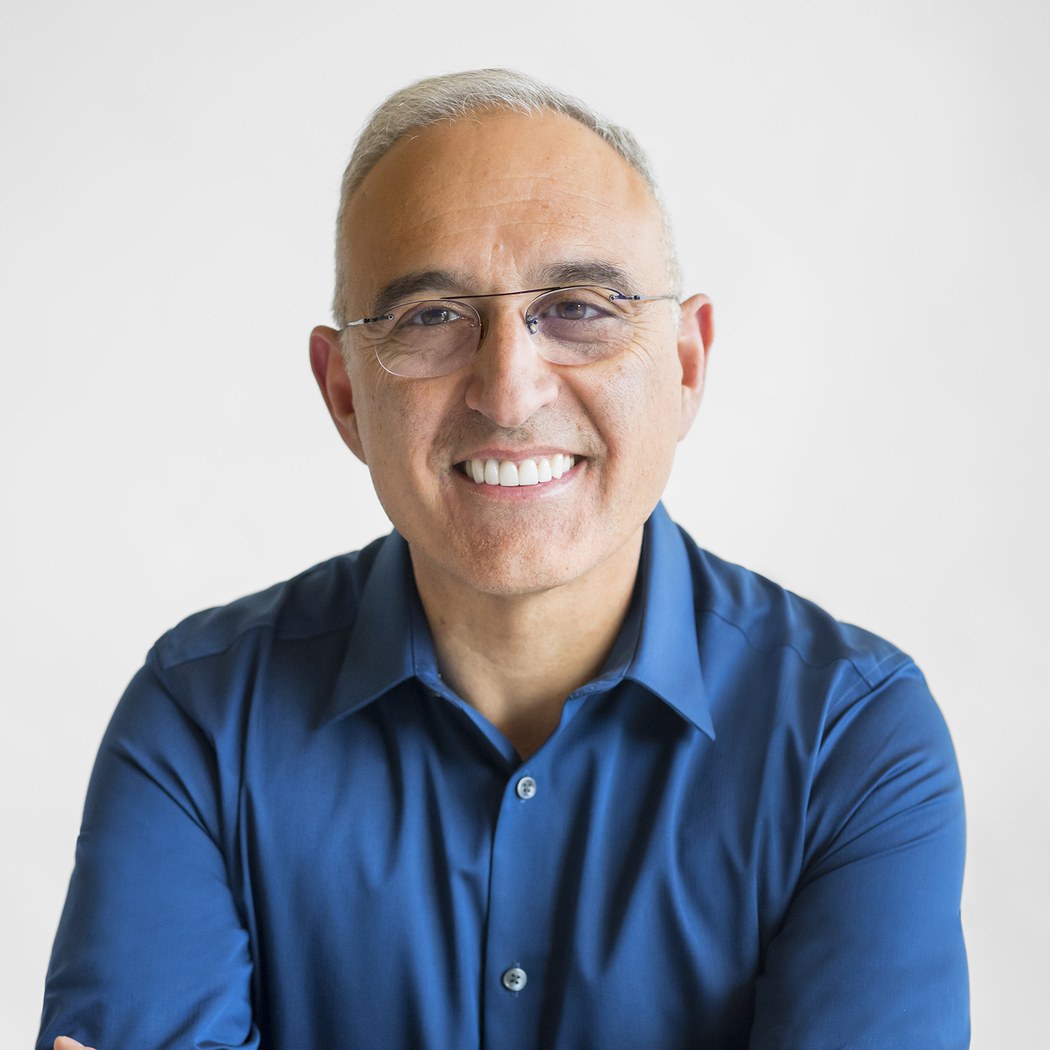
Antonio Neri and the education of an apprentice
Before he ran Hewlett Packard Enterprise, Antonio Neri repaired naval electronics, answered support calls in Amsterdam, and studied painting. His career raises an unfashionable question: what do you learn by staying?

Patrick Lo and the Internet’s Last Few Feet
A scholarship brought Patrick Lo from Hong Kong to Brown. At NETGEAR, he spent 28 years working on another kind of access: getting the internet into ordinary homes and small businesses.

Gordon Stitt and the curious advantage of a purple box
A ski weekend supplied the name. A purple switch supplied the opening line. Gordon Stitt’s career traces the distance between building a new technology and persuading people to buy it.

DriveNets makes the network stop waiting
First it helped AT&T take the router apart. Now DriveNets is applying the same idea to AI: expensive chips should spend more time computing and less time waiting for data.

David Olivencia and the price of admission
He learned how technology companies grow before he was allowed to invest in them. Now the engineer turned investor is building a network that helps Latino founders and investors get into the room.
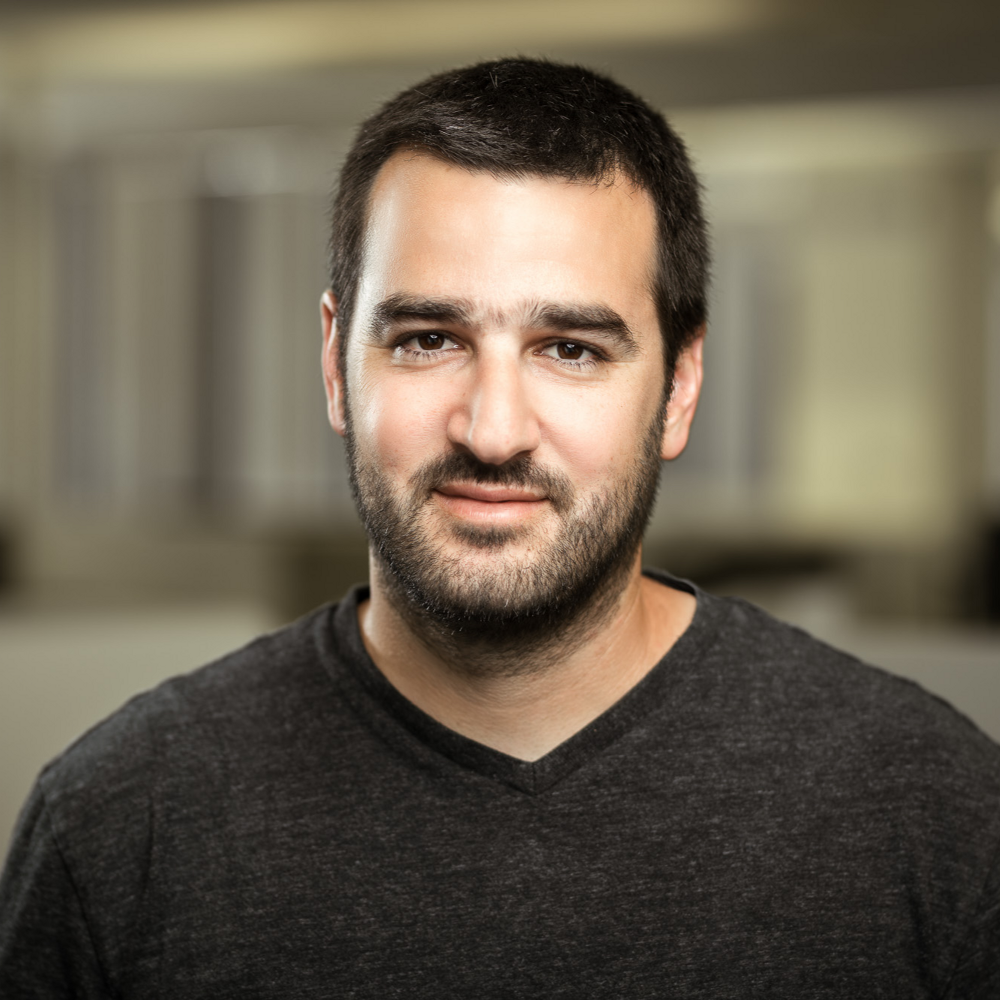
Ido Susan and the price of standing still
A $475 million company sale gave Ido Susan a chance to stop. He built DriveNets instead, carrying a question from mobile networks into the AI era: how much expensive machinery is waiting to do its job?

Douglas Gourlay and the Seventy-Percent Decision
The former infantry officer and networking inventor now runs a data company by one compact rule: prepare hard, decide before certainty arrives, and own what happens next.

IABC EMENA gives the conversation more time than the stage
Five speakers, five minutes each, then time to talk. Across Europe, the Middle East and North Africa, IABC EMENA is building a professional network around what happens when communicators stop presenting and start comparing notes.

PRSSA SDSU gets students into the room
An agency visit, a two-hour pitch, a conversation after the panel. San Diego State’s PRSSA chapter makes a communications career something students can try before graduation.

AIGA Los Angeles Wants More Designers in the Room
Founded by design heavyweights, AIGA Los Angeles now puts its connections to work through free events, public-school education and a community-built logo archive. Its most useful offering is a way into the profession.

The LAB Miami Is Selling the Room Where It Happens
From a 700-square-foot experiment to a two-building founder campus, The LAB Miami has spent years making introductions tangible. Its latest bet: put the right people together, then give them a reason to come back.

ASUS keeps giving the PC a new shape
From a $399 netbook to a laptop with two screens, ASUS has made a business of moving the computer off its usual perch. Its next challenge is making ambitious hardware easier to own.

Myriad360 Is Betting Big on the Work Behind AI
The systems integrator is buying expertise, assembling infrastructure and handling the unglamorous details of enterprise technology. Its next test is keeping the personal touch as the business gets bigger.
Cinos wants your next meeting to start on time
From Pernod Ricard’s meeting rooms to a cruise fleet’s control centre, Cinos tackles the unglamorous engineering that lets people get on with their jobs. Its best work gives users less to think about.

TPx Built the IT Sidekick for 25,000 Businesses. Then a $1.1 Billion Debt Load Became the Villain
TPx spent a quarter-century turning phone lines into an all-in-one technology service. Its 2026 restructuring reveals both the value of that model - and the price of financing growth with too much debt.

Jeffrey Sanderson Learned the Network, Then Took On the Narrative
After decades explaining what complex networks do, the iboss CMO now has a different assignment: make cloud security legible enough to act on.

Donna Johnson Makes Invisible Infrastructure Make Sense
An electrical engineer became the marketer translating 5G, wireless WAN and cloud-managed connectivity into decisions people can actually make. At Inseego, Donna Johnson is applying that unusual career arc to a company preparing for a much larger global stage.

Shekar Ayyar Is Betting the AI Boom on the Part Nobody Sees
After helping VMware turn strategy into more than 60 deals, Shekar Ayyar chose a smaller stage and a harder problem: freeing networks from the boxes that contain them. Now AI is making his once-technical argument feel rather urgent.

The 45-Year-Old Satellite Shop That Turned Coastal Virginia Homes Into One Big Remote Control
Two brothers started Domes in 1980 selling satellite dishes the size of a kiddie pool. Forty-five years later the family is still wiring Coastal Virginia's living rooms - just with a lot fewer visible wires.

The Company That Hides the Tech So Your House Just Works
A 20-year-old Greenville integrator built a business on a simple bet: the best home technology is the kind you forget is there. The hard part isn't the gadgets - it's the wiring, the calibration, and the phone that still gets answered a year later.
The Recruiter Who Went Rogue for Women in the C-Suite
Tracy Saunders spent two decades placing executives for Google, Amazon and Cisco. Then she flipped the model - and built a discreet network that gets senior women hired, paid and promoted without the noise.

unDavos Crashes the World's Most Exclusive Party
The largest independent gathering in Davos runs parallel to the World Economic Forum with 3,000 delegates, 300 speakers and a promise to trade the velvet rope for a spirit of action.

The Blinking Box in Your Closet Is Quietly Becoming a Software Company
NETGEAR has spent 30 years making the box that blinks in your closet. Now it is trying to turn that hardware into recurring revenue - and in 2025, for the first time in five years, the bet moved the numbers.

Global Unichip Corporation (GUC)
The Taiwanese design house that quietly builds other people's AI chips - and reserved 60,000 CoWoS wafers to keep doing it.

Hivebrite
The community platform built for impact - combining a flexible engagement engine, AI agents, and expert support to help organizations turn scattered members into active networks.

Cisco
The company that quietly wired the internet is now betting its next chapter on securing and connecting the machines that run artificial intelligence.

The 10% Club: Why Building a Startup Grind Chapter Is the Hardest Volunteer Job Worth Wanting
The Startup Grind 'Start a Chapter' page is a recruitment and application hub for entrepreneurs who want to become Chapter Directors and lead a local node of the world's largest independent startup community. It lays out the mission (educate, inspire, and connect entrepreneurs), the eight-step application journey, the commitment required, and the support directors receive to host monthly events for founders, investors, and builders across 600 cities in 125+ countries.