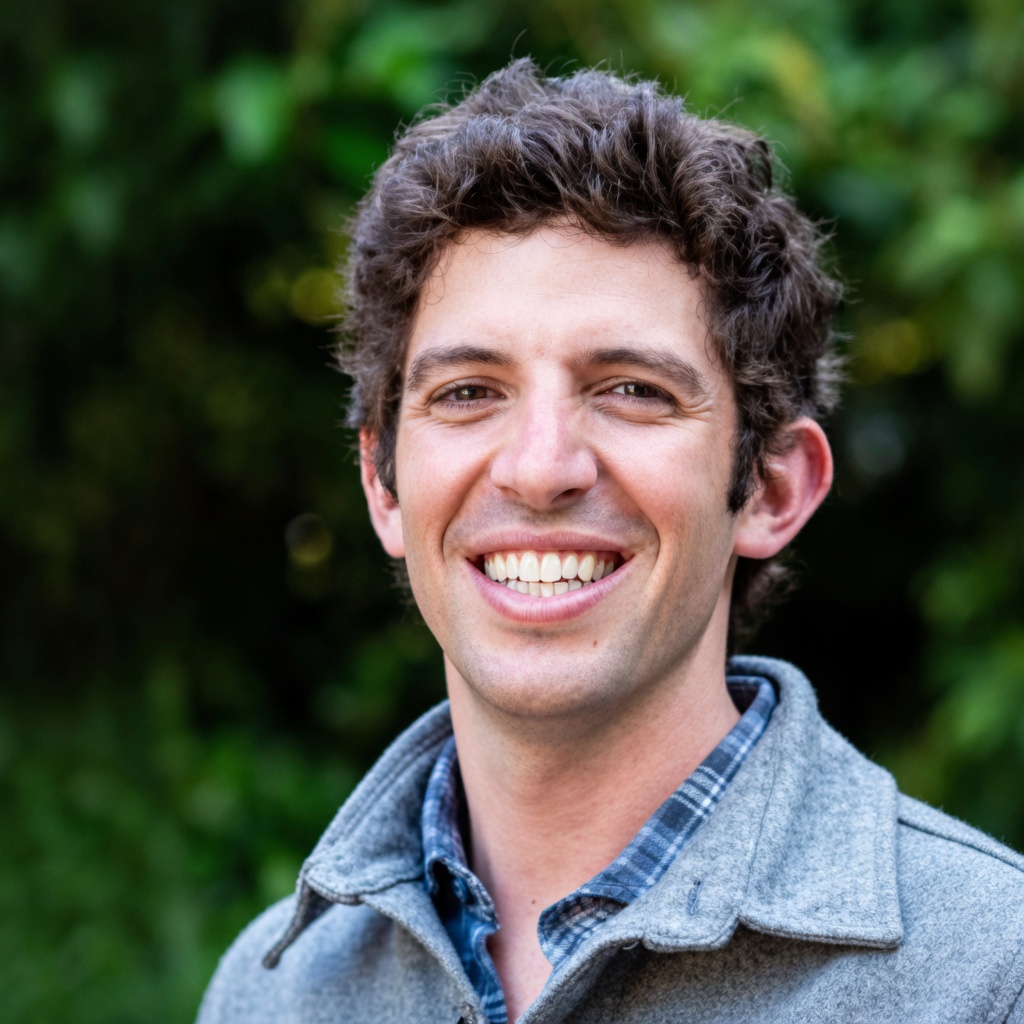
The Historian Who Reads Founders Like Primary Sources
There is a particular skill that historians develop over years of reading primary sources: the ability to detect the telling detail buried in the noise. The offhand remark that reveals motive. The choice that only makes sense once you understand character. Jeremy Schneider carries that instinct into every pitch meeting. Where other VCs audit the deck, he audits the founder.
Schneider joined Webb Investment Network in January 2011, when the firm was barely a year old and Maynard Webb's name carried more weight than the fund's track record. He arrived from Bain & Company, where he had spent years advising technology companies in the private equity group - analytical work, rigorous work, the kind that teaches you to think carefully about what a business actually is before deciding whether it will win. At WIN, he found something different: a chance to be the first money in.
By October 2016, Schneider had been promoted to Managing Director and then to General Partner. Today he sits at the center of a machine that Maynard Webb describes as less fund and more partnership - a structure deliberately built to look nothing like a traditional venture firm. WIN operates with a single LP: Webb himself. No quarterly letters to institutional allocators. No committee politics. Just a former eBay COO's conviction and Schneider's judgment about which founders deserve to be backed.
"We only invest Maynard's capital. He's our sole LP."- Jeremy Schneider, General Partner, Webb Investment Network
That structural simplicity creates unusual freedom. When Schneider met the founders of Nightfall in 2017 through WIN's Labs Program - a workshop environment where early-stage founders develop ideas with WIN's support - he didn't need to ask a committee whether it was worth staying engaged. By February 2020, WIN had co-led the company's Series A alongside Bain Capital Ventures and Venrock. Three years from first meeting to formal check. The patience to stay in that early relationship is not a feature of most venture firms. At WIN, it is the point.
The investment philosophy Schneider has refined over 14 years at WIN begins with a deceptively simple claim: bet on entrepreneurs, not ideas. The founders he finds most compelling are "highly technical, passionate, realistic, and insightful" - four traits that matter in that sequence. Technical because the product has to work. Passionate because the founders have to survive. Realistic because the ones who think too small pivot too late. Insightful because the best founders see the category shift before the market does.
The fund's sweet spot is the seed round: typical checks of $500,000 to $750,000, deployed at the stage where investors are betting on the team and a very early product rather than the business model. Schneider looks for founders who already have a product, a clear use case, early customers or users, and a visible path to revenue. By those standards, WIN is not writing novelty checks. The firm wants proof that a founder can build something people actually use.
Where the firm gets genuinely unusual is in what it brings beyond capital. The WIN affiliate network - approximately 90 experienced operators, most of them drawn from eBay, PayPal, and LiveOps - functions as a kind of deployment-ready advisory bench. Former and current CEOs, CTOs, and VPs of Engineering who treat entrepreneurs well. That last part matters to Schneider. WIN specifically selects for operators who don't use founder relationships to build their own brands. The network is measured by whether portfolio companies actually benefit from introductions, not by how impressive the LinkedIn bios look.