community-building
(135)
Xann Schwinn and the curious power of a small room
Before she led Cambridge Female Founders Network, Xann Schwinn built choirs and singing ventures. Her work keeps returning to a practical question: what becomes possible when the right people share a room?
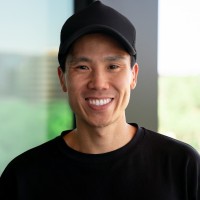
Mike Chang and the business of getting people to talk
From Calltend’s distributed callers to OJO’s agent network and HouseVenture’s move into Los Angeles tech media, Mike Chang keeps returning to a practical problem: getting the right people into a conversation.

Darin Buxbaum and the Business of One More Friend
He learned to build companies one milestone at a time. At Wider Circle, Darin Buxbaum has spent a decade applying that patience to something harder to put on a balance sheet: the relationships between neighbors.
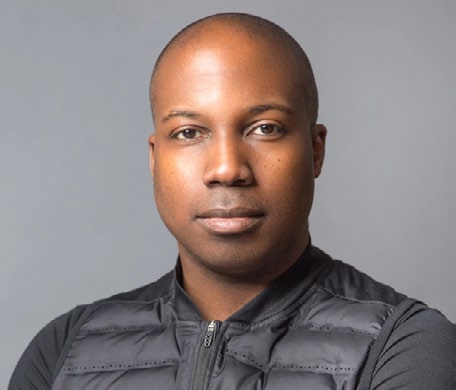
Ntiedo Etuk and the people who come back
A missed brunch invitation gave the FitGrid founder a business question. His longer story runs through Nigerian childhood bedrooms, classroom video games and the difficult art of making people want to return.
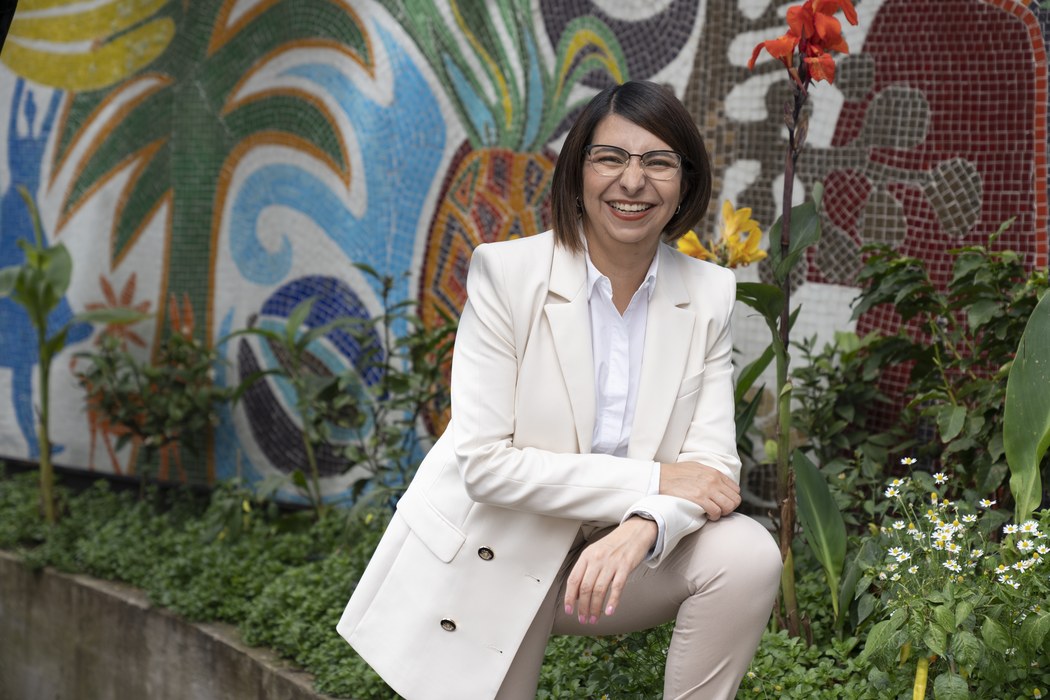
Daniela Peralvo and the business of belonging
Before IMPAQTO had an office, it had a gathering. From Quito’s coworking rooms to a new community for Latin American leaders, Daniela Peralvo keeps returning to the same question: who needs to be in the room?
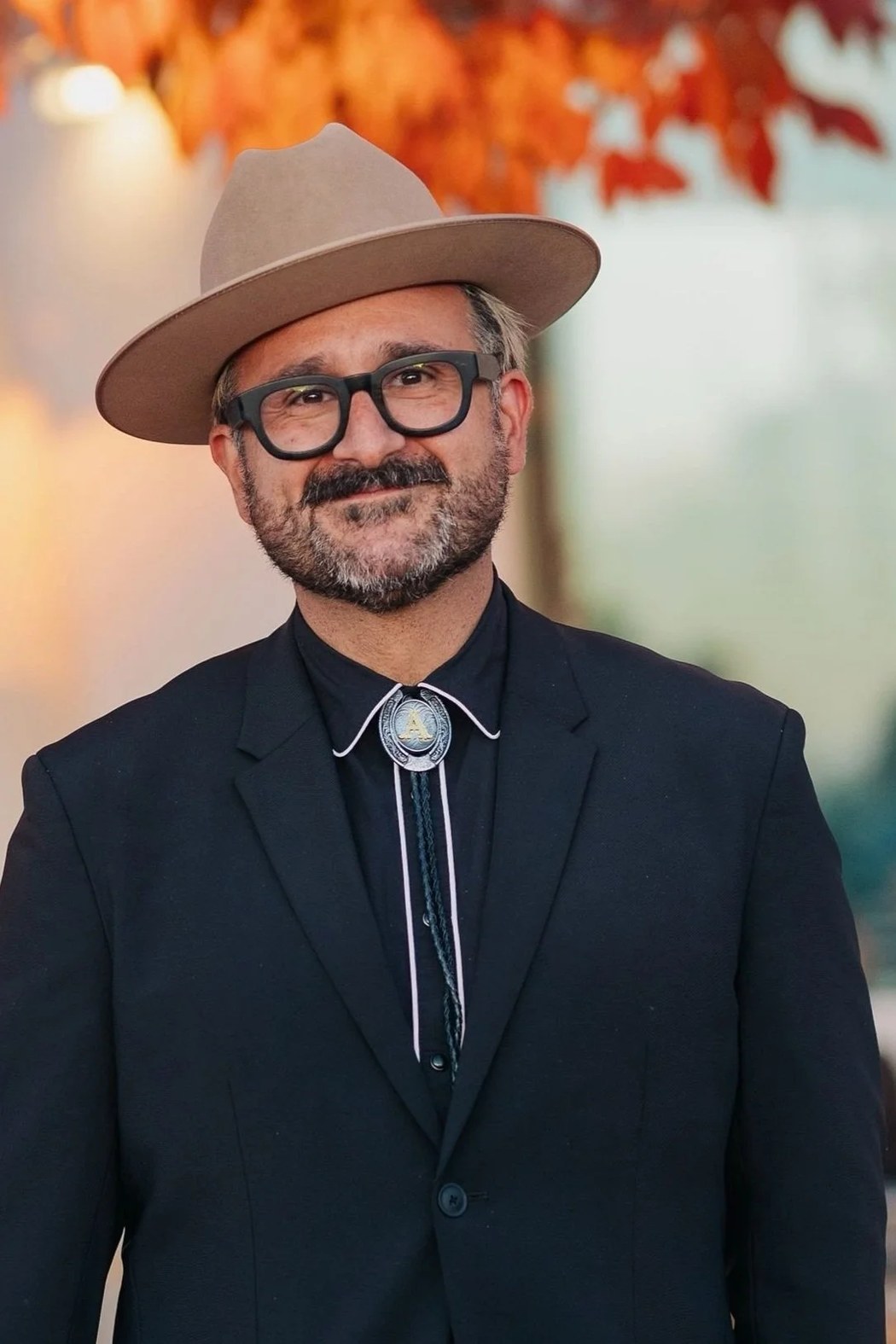
Alf LaMont and the art of getting people to pass it on
At the Comedy Store, Alf LaMont helped turn an audience into an online community. His route to LaMont Digital runs through Sunset Strip collaborations, a stubborn dislike of empty follower counts, and a belief that people make the best messengers.
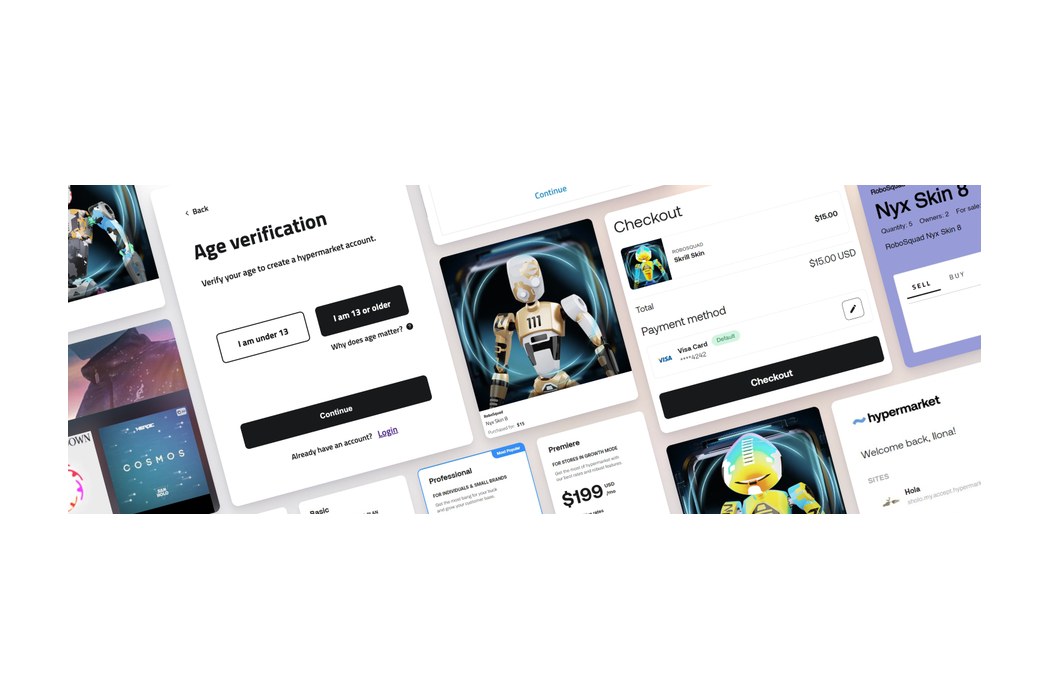
Hypermarket wants the sale to keep going.
A digital storefront is only the beginning. Hypermarket built around resale and shared earnings, then sharpened its pitch for people selling what they know.
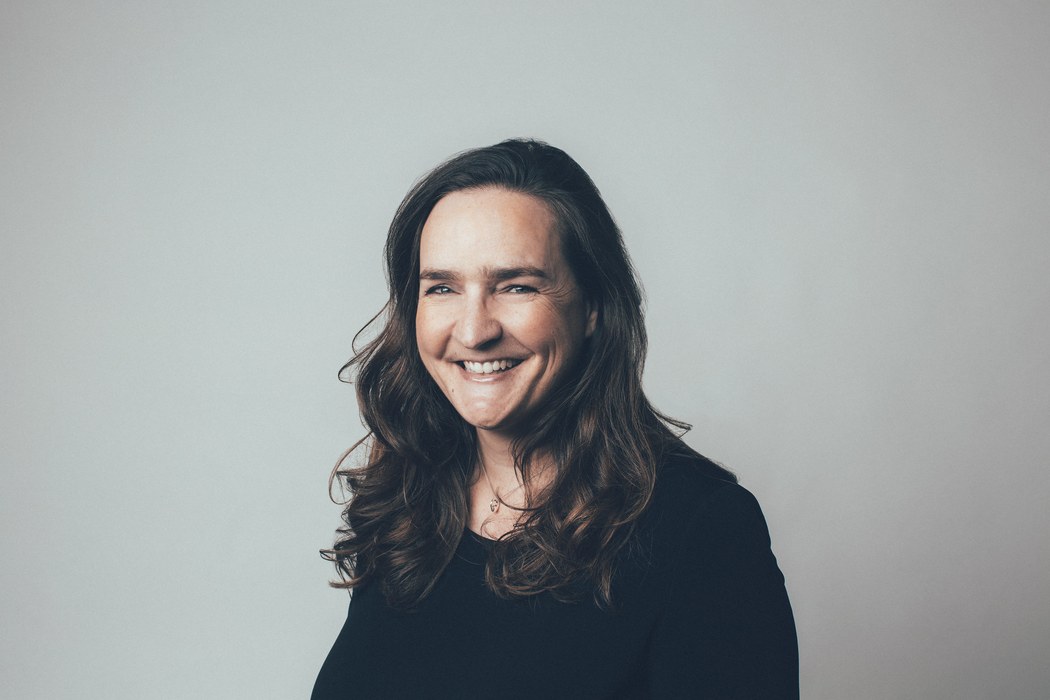
Tina Roth Eisenberg and the business of showing up
A three-month internship brought her to New York. A habit of making what she wished existed led to swissmiss, Tattly, TeuxDeux, and CreativeMornings - where the invitation still comes with breakfast.
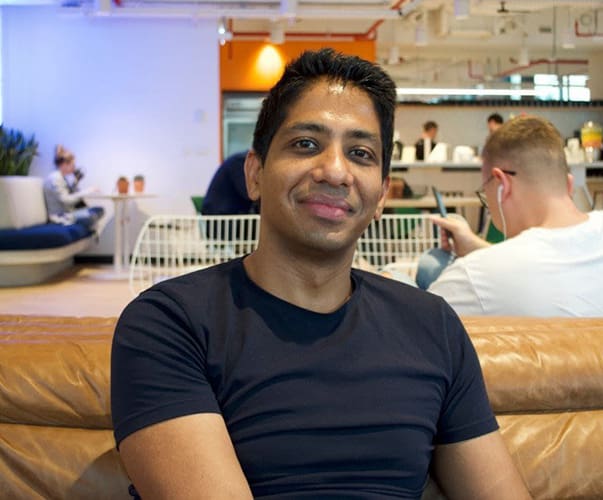
Rudradeb Mitra and the talent the résumé missed
A Cambridge graduate went looking beyond the usual hiring lists. With Omdena, Rudradeb Mitra built a place where people could learn AI by working together - and let the work introduce them.

Martin Babinec and the million-mile question
He built TriNet in Silicon Valley while raising his family in Little Falls, New York. A decade of flying between the two left him with a question: why should opportunity require a forwarding address?
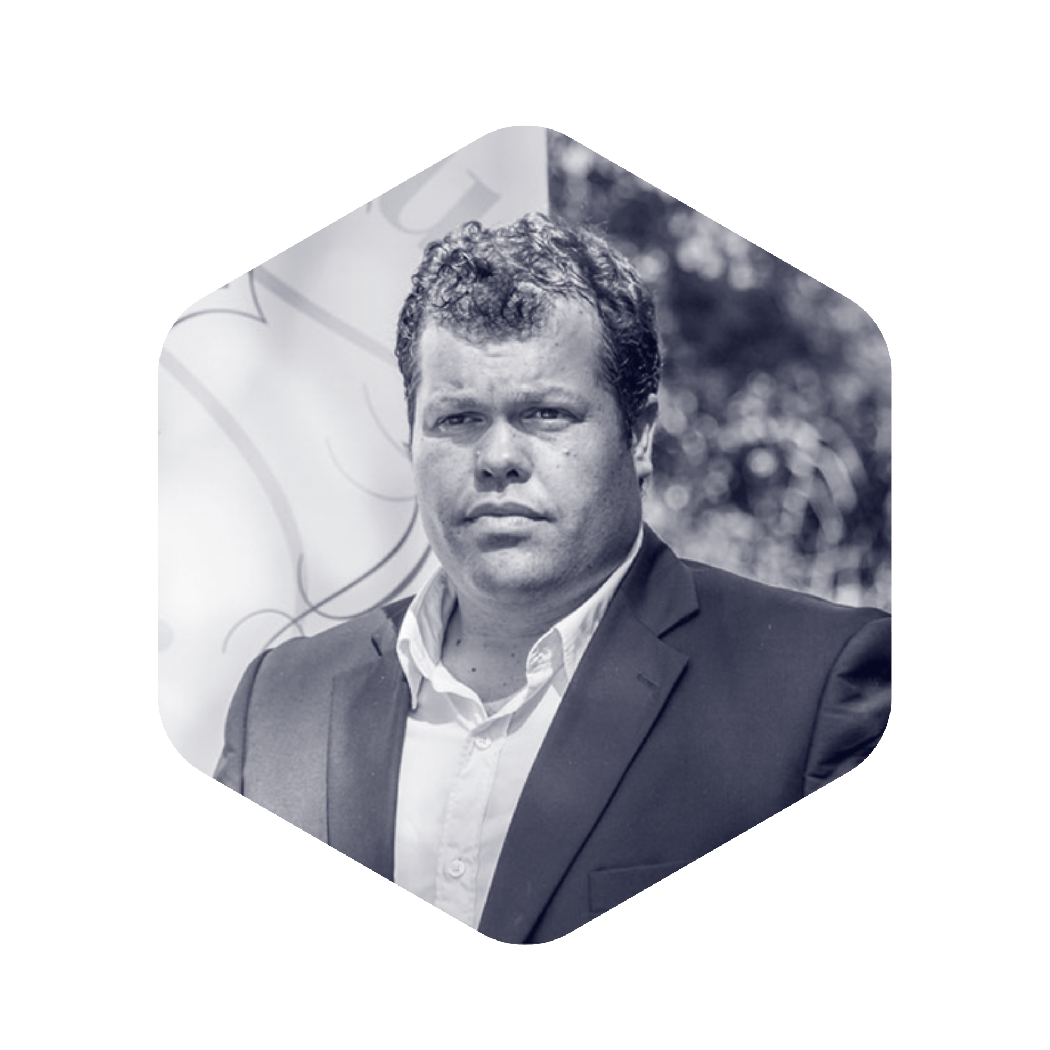
Andrea Magelli and the art of making room
A photo business, a burger chain, a food institute, a Bologna square. Andrea Magelli keeps finding new reasons for people to gather - and, lately, a question about who we are when they leave.

TapRoom put the bar inside the call.
A musician’s answer to lockdown borrowed the geography of a night out. TapRoom’s small experiment reveals how much a conversation depends on having somewhere to go.

XX Artists made the audience part of the act.
An artist manager’s instinct became a social marketing business for Google and YouTube. The useful lesson: give people something to do with your story.
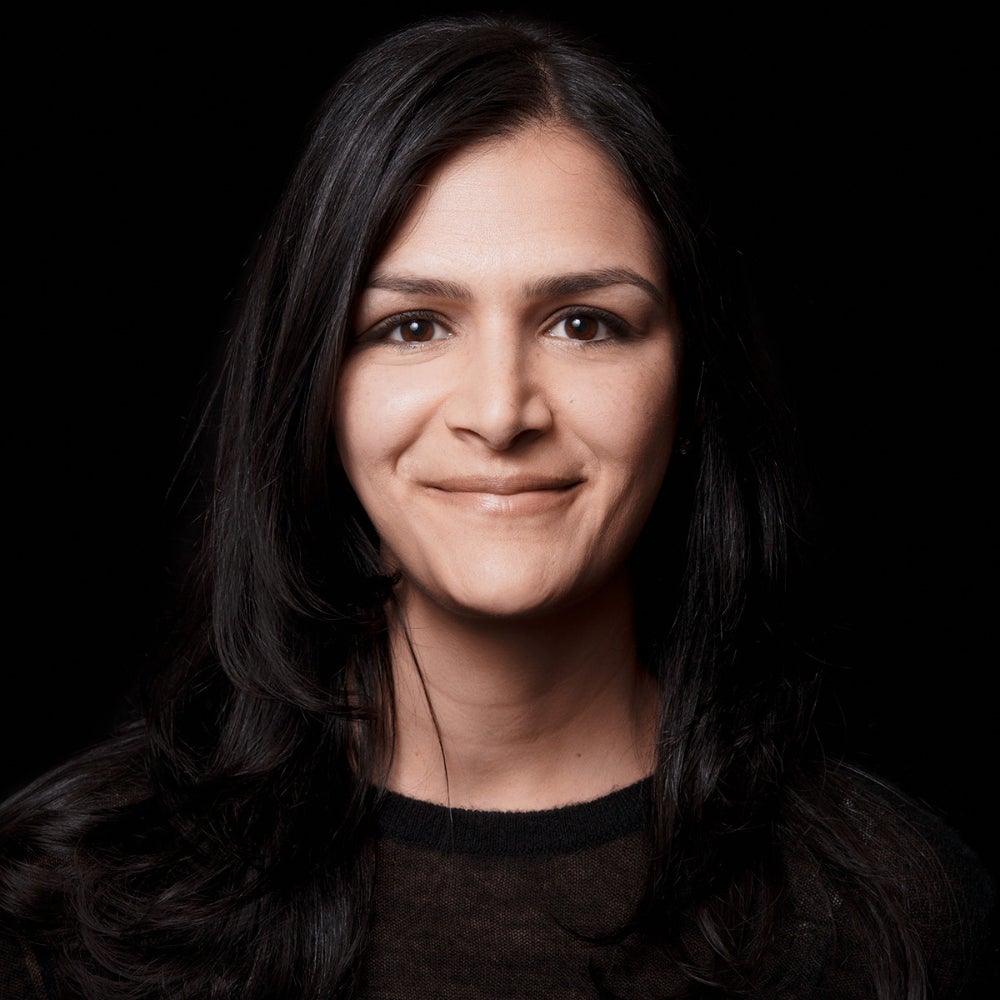
Sima Sistani and the art of getting people into the room
She helped turn a live-video experiment into Houseparty. Now Sima Sistani is back at Duke, building a fragrance company, and asking what makes people want to gather in the first place.
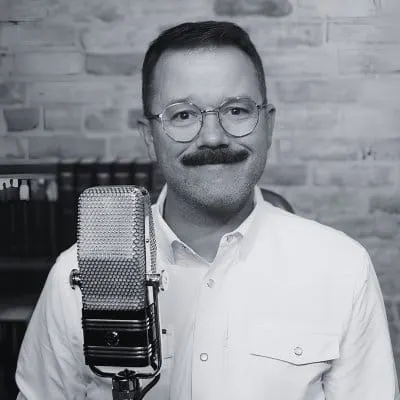
Clint Betts and the art of getting Utah in the room
He started by writing about Utah’s entrepreneurs. A blog, a nonprofit, and years of conversations later, Clint Betts is still working on who gets invited - and whose story gets told.
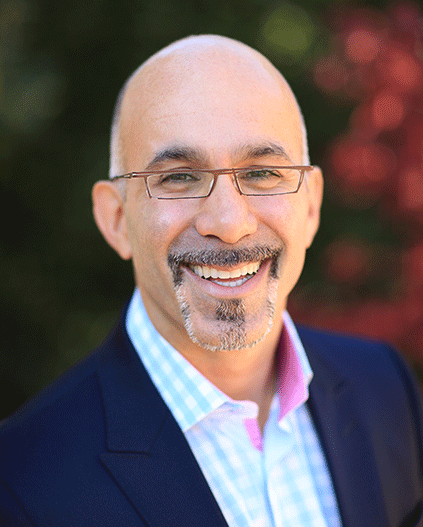
Moshe Pinto and the business of showing up
He trained in law, built companies out of Stanford, and co-founded Wider Circle. Along the way, Moshe Pinto learned that bringing people together requires a willingness to be surprised by them.

Jacob Peters and the arithmetic of belonging
Before Superpower, Jacob Peters built LEGO communities, software and a house full of founders. His career keeps returning to one question: what happens when the right people find one another?

Laurence Cohen and the business of being introduced
Before Raion turned toward AI infrastructure, Laurence Cohen was working on a more familiar bottleneck: getting the right people into the same conversation. His route from finance to founder interviews helps explain the business he is building now.

Global Startup Awards makes local talent travel
A Danish awards programme turned regional nominations into a network spanning 156 countries. Its next bet: put startups directly in front of the investors who might back them.
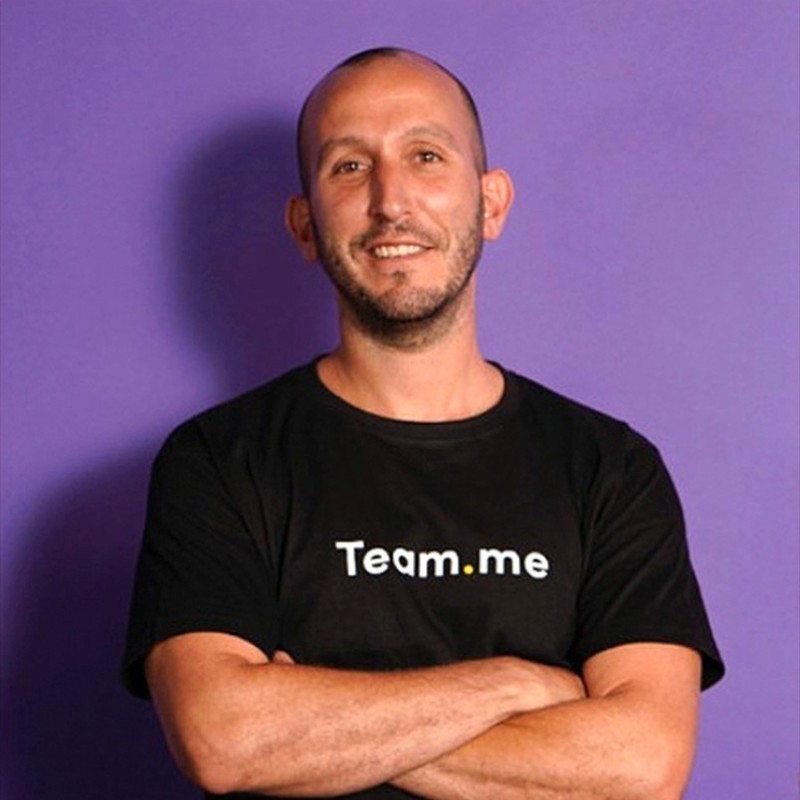
Yotam Tzuker and the value of a good introduction
A student meetup in Be’er Sheva became a career in bringing people together. From Tech7 to recruitment software, Yotam Tzuker keeps returning to the distance between having talent and getting through the door.
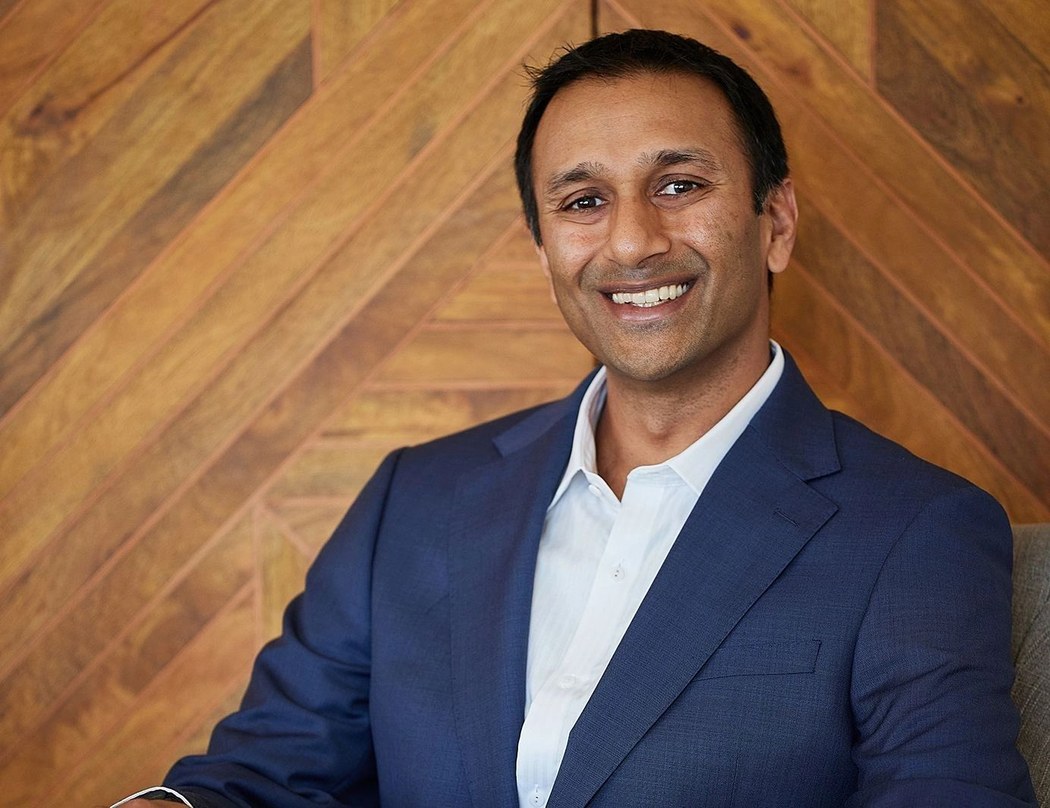
Shilen Patel Bought a Football Club. The Inheritance Came With It.
The Tampa entrepreneur arrived at West Bromwich Albion with a family tradition of building places where people belong. Football has given that idea a public test, a weekly score and very little room to hide.

Dalia Said and the art of leaving the room
From entrepreneurship television to retreats beyond Cairo, Dalia Said has kept returning to one question: what makes people willing to learn from each other? At JRNY, she has made the answer her business.
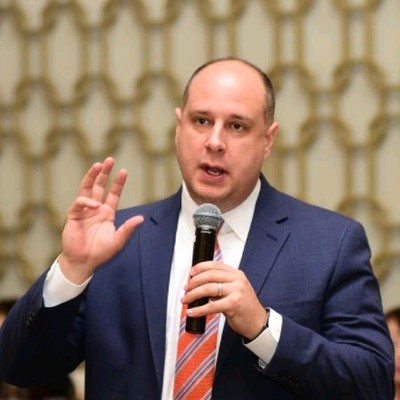
Eric L. Schmidt and the business of keeping people together
A 100-day bicycle ride took him from Beijing to Venice. Building Glue Up has kept him occupied with a different journey: helping professional communities stay connected after everybody goes home.
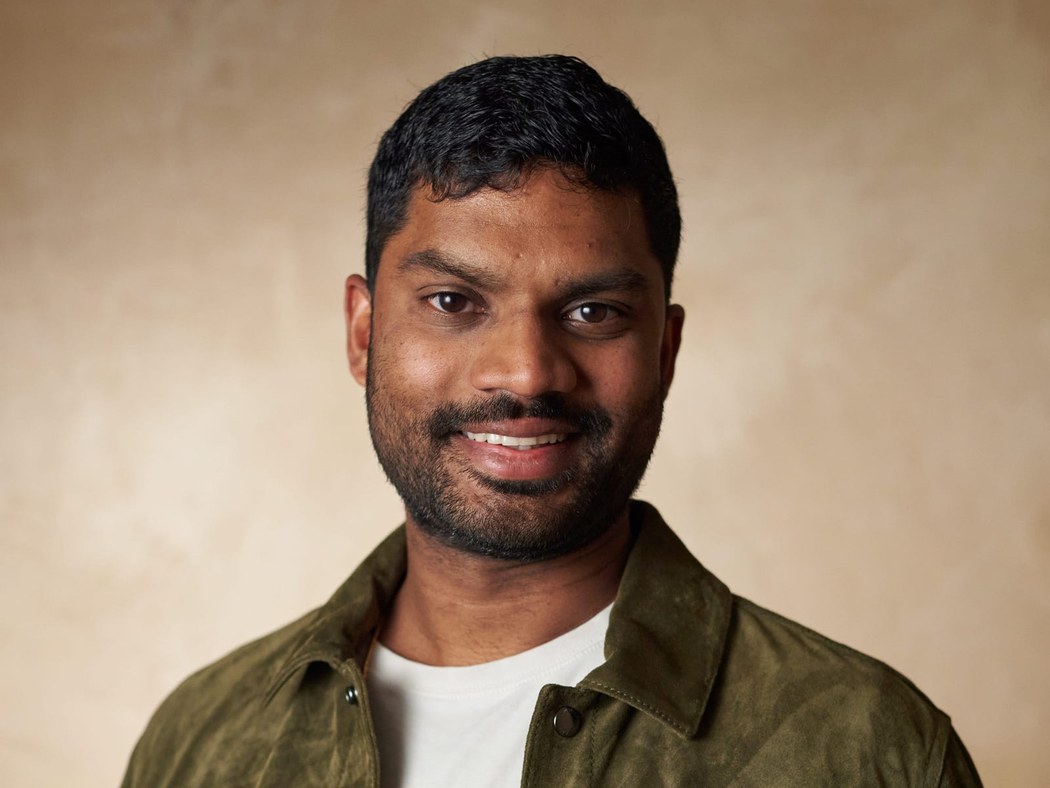
Suman Siva and the business of showing up
Before he built Marco Experiences, Suman Siva had to learn how to join the conversation. His route from a North Carolina school courtyard to corporate group travel keeps returning to the same question: what gets people together?

Unity Stoakes and the compound interest of curiosity
Before he co-founded StartUp Health, Unity Stoakes learned to turn a good question into a lasting relationship. His route from Iowa to the early internet explains why he still builds by bringing people together.

Daniel Palestrant and the business of a good conversation
At Sermo, Daniel Palestrant built a network around conversations people were already having. His career follows the work of turning those exchanges into a business, then starting again.

Lynda Brown-Ganzert and the power of a smaller circle
Before she led RxPx, Lynda Brown-Ganzert built a social network for just ten people. Her career keeps returning to the same question: how do you make a connection worth keeping?
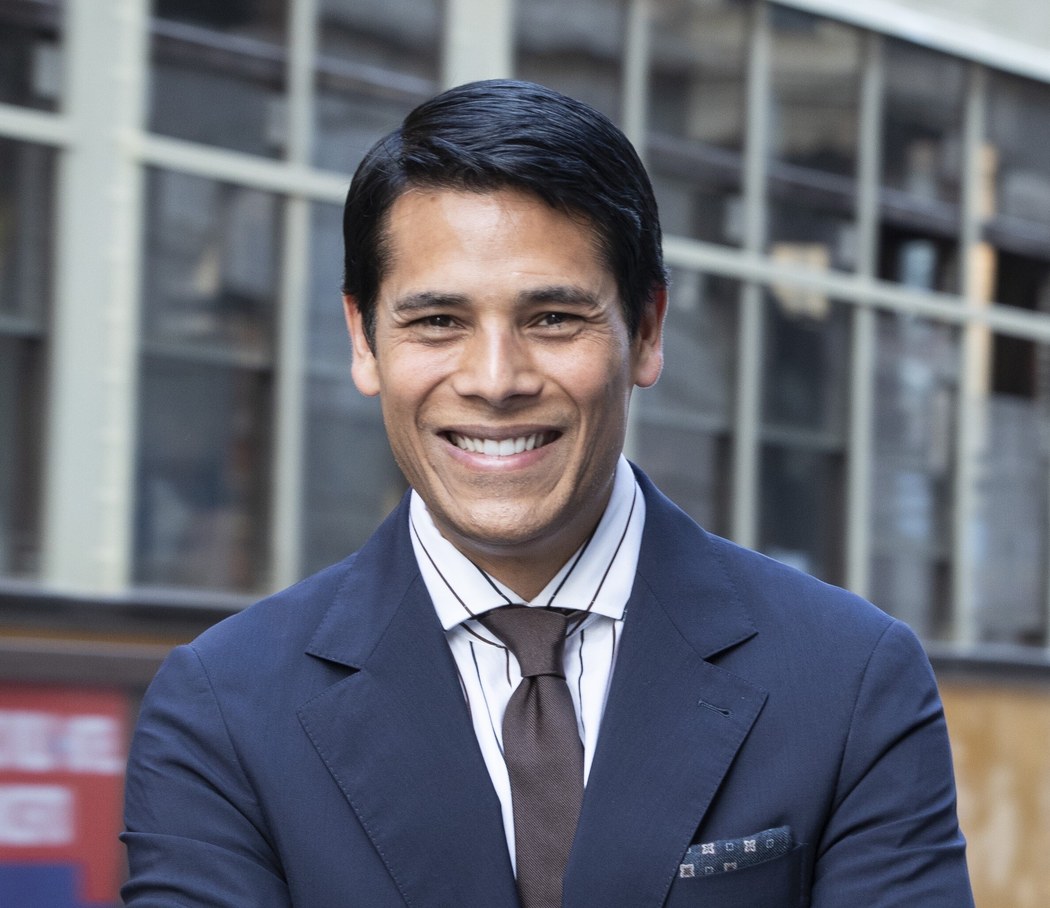
Nirav Tolia’s theory of the people next door
A Cowboys fan found his people on the early internet. Three startups and a return to Nextdoor later, Nirav Tolia is still working out how strangers become useful to one another.
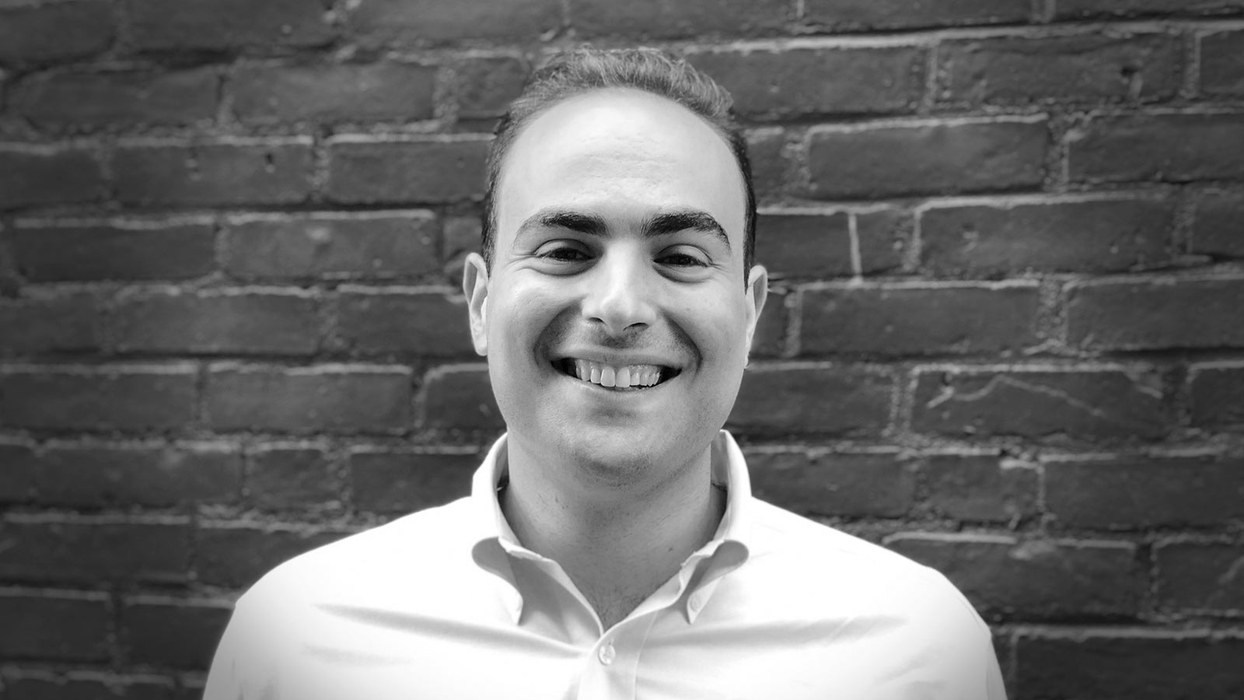
Ben Pleat and the business of staying
A move to Manhattan gave Ben Pleat a question the floor plan could not answer: how do strangers become neighbors? His company, Cobu, has spent years turning that question into a business.

Nick West took the stairs
He helped build e-commerce businesses before joining his brother’s running brand. At Bandit, Nick West is testing how far a company can go when it keeps coming back to the people outside its door.