investment-management
(56)
The Spreadsheet That Built a Private Markets Platform
Mercatus began by matching solar projects with money, then learned that the real business was organizing the information between them. Its second life inside Charles River now stretches from deal pipeline to portfolio valuation.

The Money Moved First. The Software Followed.
Covercy discovered its next business in its own transaction data: real estate investors were already using its payment rails. The company followed the money into a platform that now connects fundraising, banking, and the investor ledger.
PT Mitra Buana Ventura: the business behind your boba
Behind Xiboba’s sweet drinks is an Indonesian investment company selling a more demanding proposition: a food business other people can run. MBV’s history shows how much depends on the menu, the delivery bill and the partner down the street.
Anish Karyat Spent Two Decades Teaching Bonds to Move Faster
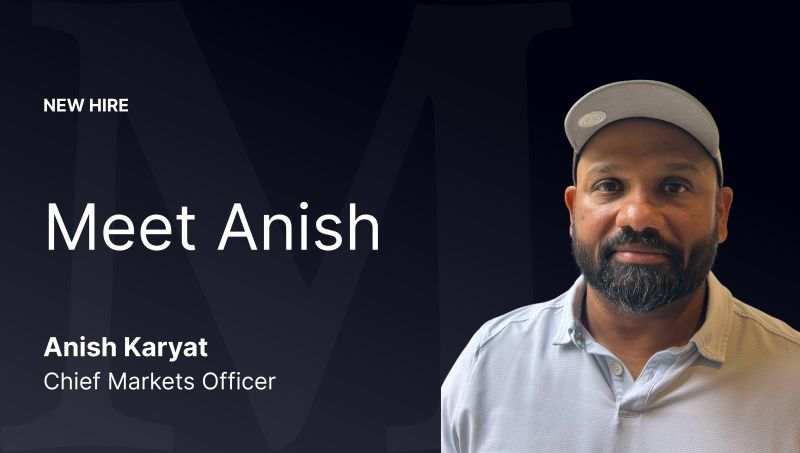
After 15 years at Jane Street and a turn leading systematic credit at Citadel Securities, Anish Karyat joined former colleagues at Moment. His assignment is familiar in principle and larger in scope: turn the bond market's hard-won human judgment into software.

AppFolio Turned Property Management’s Paper Cuts Into a Billion-Dollar Software Business
The founders walked away from salons and greasy repair-shop keyboards. Twenty years later, their bet on property managers has become a $1 billion-a-year lesson in choosing a market with painful work, sticky data, and customers willing to pay.

WBI’s $1 Billion Day Was the Easy Part. Then It Had to Build the Advisor’s Operating System
WBI made its name by launching 10 active ETFs and attracting more than $1 billion in a day. Its harder, more revealing act is Cy - a platform built to turn an advisor’s paperwork, portfolio math and operational drag into one guided workflow.
Rob Nelson Built a Wealth Firm Around the Work Between the Work
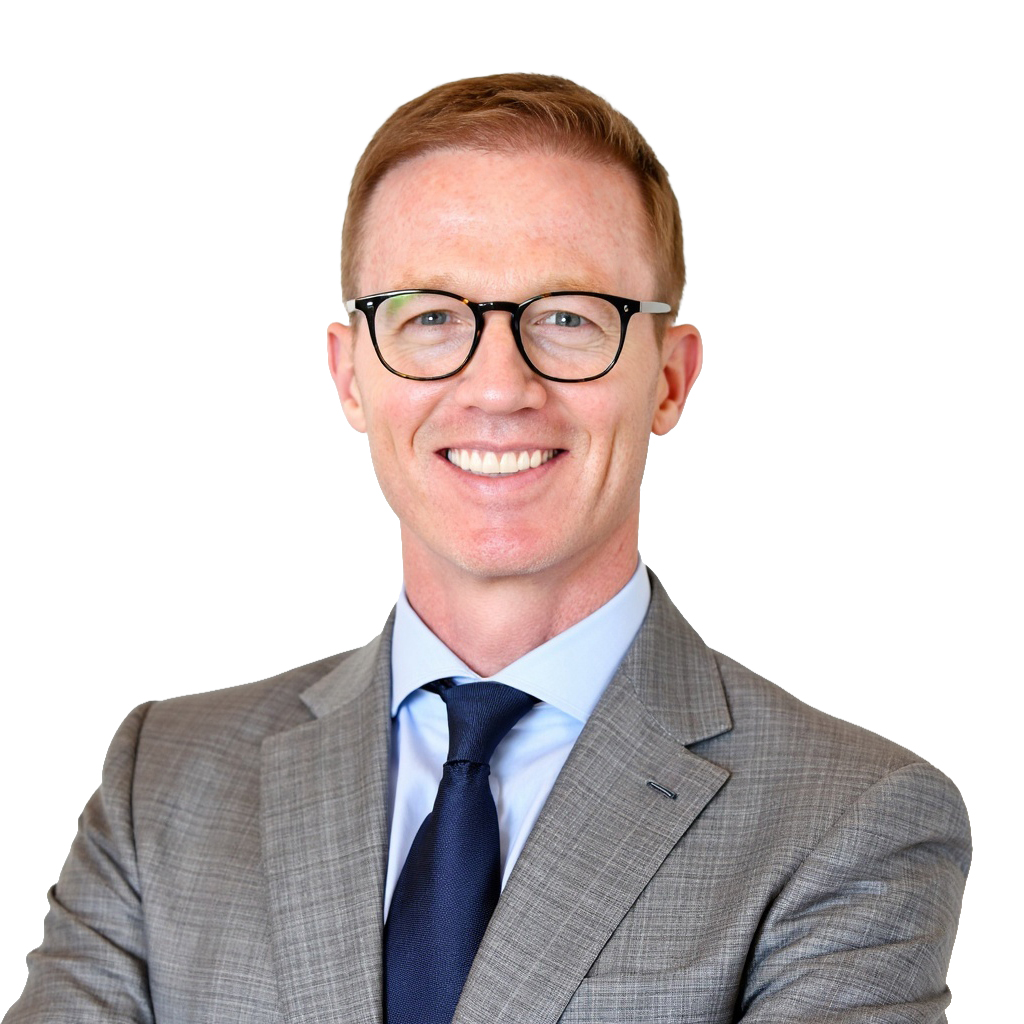
For three decades, the NorthRock founder has followed one practical question: what keeps becoming the client’s problem after the experts leave the room? His answer became a financial firm built around coordination, continuity and generosity.
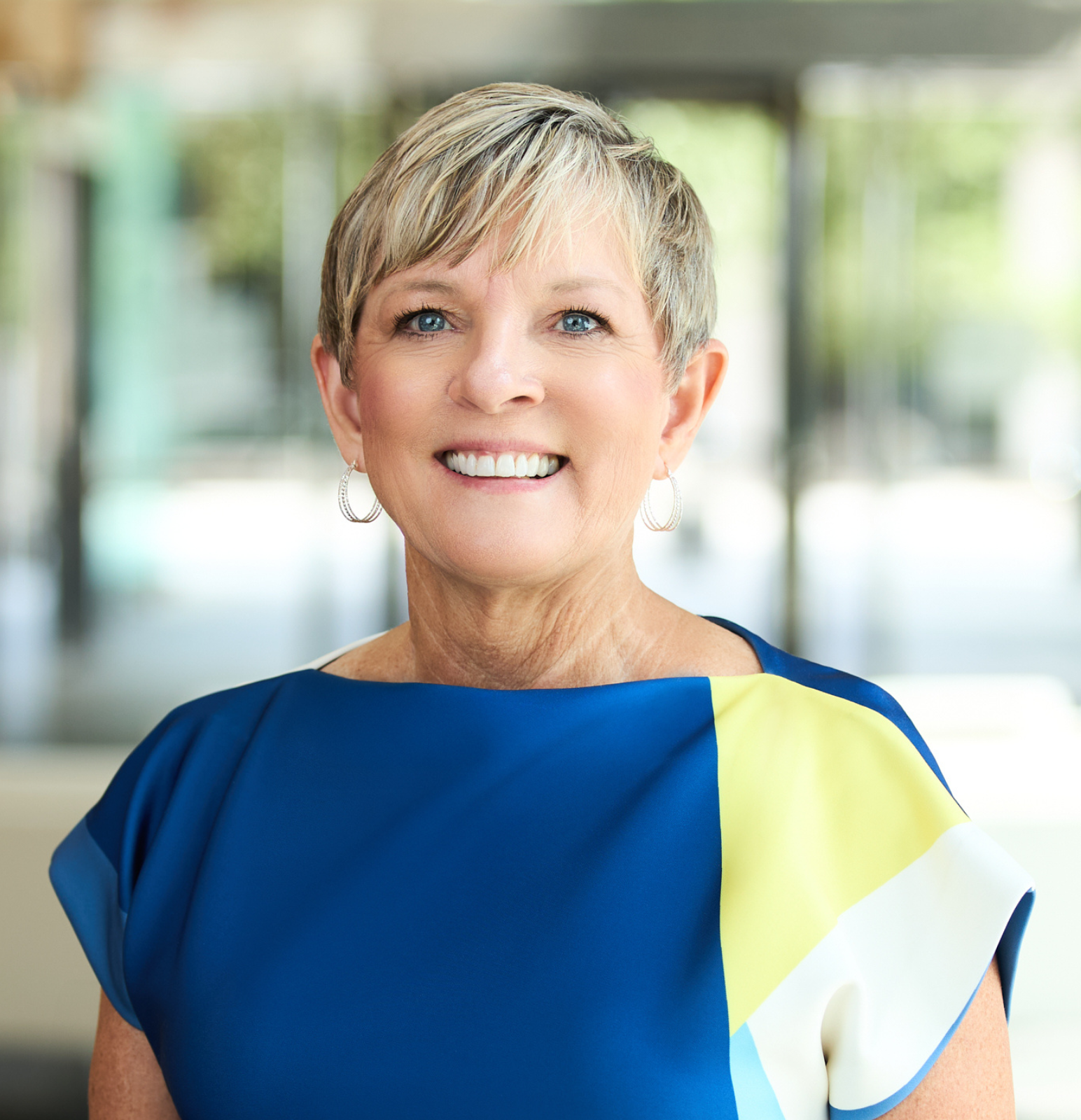
Dee Ann Remo Built a Wealth Firm Around the Work Money Cannot Do Alone
A former KPMG tax partner turned a filing-cabinet view of wealth into a multi-family office - then made community, continuity and difficult conversations part of the balance sheet.
Newport Put the Family Balance Sheet Before the Portfolio - and Turned Private Markets Into a $6 Billion Pitch
Most wealth firms begin with a portfolio. Newport begins with the family - then builds an endowment-style mix of public and private assets around the life that money is supposed to fund.
Manulife Had $1.3 Trillion - and One Missing Piece
The insurance-born money manager already had global reach, retirement distribution, and deep private-market roots. Its next act is a practical lesson in filling capability gaps without pretending scale solves everything.

Purpose Unlimited Built a $30 Billion Finance Machine by Fixing the Awkward Parts
Som Seif's Toronto firm turned unglamorous financial friction into ETFs, advisor software, business loans and retirement income - then crossed $30 billion in platform assets. The interesting product is the method behind the products.
The 100-Year-Old Money Machine Betting Its Next C$70 Million on AI - Without Firing the Humans
IGM Financial spent a century turning face-to-face advice into a Canadian institution. Now it is cutting complexity, absorbing a C$95.3 million charge and recycling the savings into AI - a test of whether old trust and new software can compound together.

The $1.7 Billion Wealth Firm That Sold the Plumbing - and Kept Its Name
US Financial Services spent three decades building a planning practice around life transitions. Then it made a counterintuitive succession move: join a larger platform, preserve the local brand, and turn the firm itself into a home for other advisers.

NorthRock Built a $12 Billion Firm Around the Rich Person's Worst Job: Coordination
Wealth creates options - and an absurd amount of administrative work. NorthRock's bet is that affluent clients will pay one team to make the investment manager, CPA, estate lawyer, insurance adviser and philanthropy plan behave like one system.
The $4 Billion Freedom Bet: How XML Financial Group Built a Wealth Firm by Refusing to Build Alone
XML Financial Group escaped the big-bank playbook, then discovered that independence works better with infrastructure. Its repeatable trick is equal parts personal advice, succession planning and culture-first M&A.
Gratus Capital Built the Anti-Wall-Street Wealth Firm - Then Chose a Bigger Bench
Hank McLarty left the wirehouses to put tax, estate and investment specialists on one team. Nineteen years and roughly $3.8 billion later, Gratus made the counterintuitive move: surrender the stand-alone firm to expand what clients could get.
The Goldman Quants Who Turned Tax Losses Into a Selling Point
Two ex-Goldman quants built software that automates the boring, expensive part of managing money - and got a $1.3 trillion asset manager to buy the whole thing.

Tacora Capital Funds the Balance Sheet Behind the App
The Austin lender looks past the software pitch and into the pile of loans, contracts and policies underneath it. That focus has helped Tacora turn a quiet corner of venture finance into a roughly $1.4 billion platform.
The Firm That Turned One Man's Duty-Free Fortune Into a $118 Billion Growth Machine
It began as one billionaire's quiet family office. Today General Atlantic writes some of the biggest checks in private markets - and it still calls itself a partner, not a boss.

The Hedge Fund That Built a Telescope for Tech
Coatue spent 25 years turning a stock picker’s obsession into a lifecycle investment platform. Its wager is that the same research engine can spot a startup early, help it grow and keep judging it after the IPO bell rings.
The $10 Door Into Wall Street's Private Room
Fundrise started by letting neighbors buy a piece of a Washington property. It now manages billions across real estate, credit and venture - an ambitious attempt to give ordinary investors institutional-style access without pretending private assets are as simple as stocks.

The Quiet Compounders of Park Avenue
For 40-plus years, Harvest Partners has bought unglamorous middle-market companies and held them long enough to matter. Here is how a relationship-first shop on Park Avenue turned patience into a $20-billion franchise.

The Firm That Built a Resale Market for Private Equity
Jeremy Coller spent 36 years arguing that private equity needed a second-hand market. Now that the market is worth trillions, EQT is paying up to $3.7 billion to own the firm that started it.
The $485 Billion Machine Learning to Speak Retail
Carlyle grew up serving institutions behind closed doors. Now its three-part private-markets platform is courting wealth investors, financing the real economy, and trying to make scale feel like an advantage rather than an abstraction.

Sunwater Capital Built a Portfolio Where Warehouses, Health Data and Medicare Share an Address
The Maryland investment firm makes an unusual promise: patient capital, operator experience and permission to cross category lines. Its portfolio connects buildings, care delivery and data in ways a conventional sector fund rarely attempts.

Outlander Capital Wants to Sell You the Blockchain Without You Ever Seeing It
The Dallas firm behind the "Invisible Wallet" is quietly converting patents, pop songs, and NFC tags into assets you can trade - and betting most people will never notice the blockchain underneath.

The Private Equity Firm Betting That Public Problems Can Produce Private Returns
The Vistria Group has built a $17 billion investment platform around a provocative premise: the hardest systems to navigate may also hold the most durable opportunities to create value.

JLL Is Turning the World’s Buildings Into a Living Data Set
The 243-year-old property adviser still brokers leases and sells buildings. Its larger bet is that the data flowing through 250,000 properties can make real estate less wasteful, less risky and far more legible.

Caroline Churchill and the Quiet Work of Making Finance Legible
Across four asset managers and more than three decades, Caroline Churchill has worked on a stubborn problem: how to turn financial choice into language people can use. Her path from journalism school to Victory Capital's executive ranks now runs through San Antonio itself.

The Company That Decides Which Markets Count
MSCI turns messy global markets into three-letter labels like EAFE and ACWI - and roughly $6.4 trillion in investor money follows where those labels point.