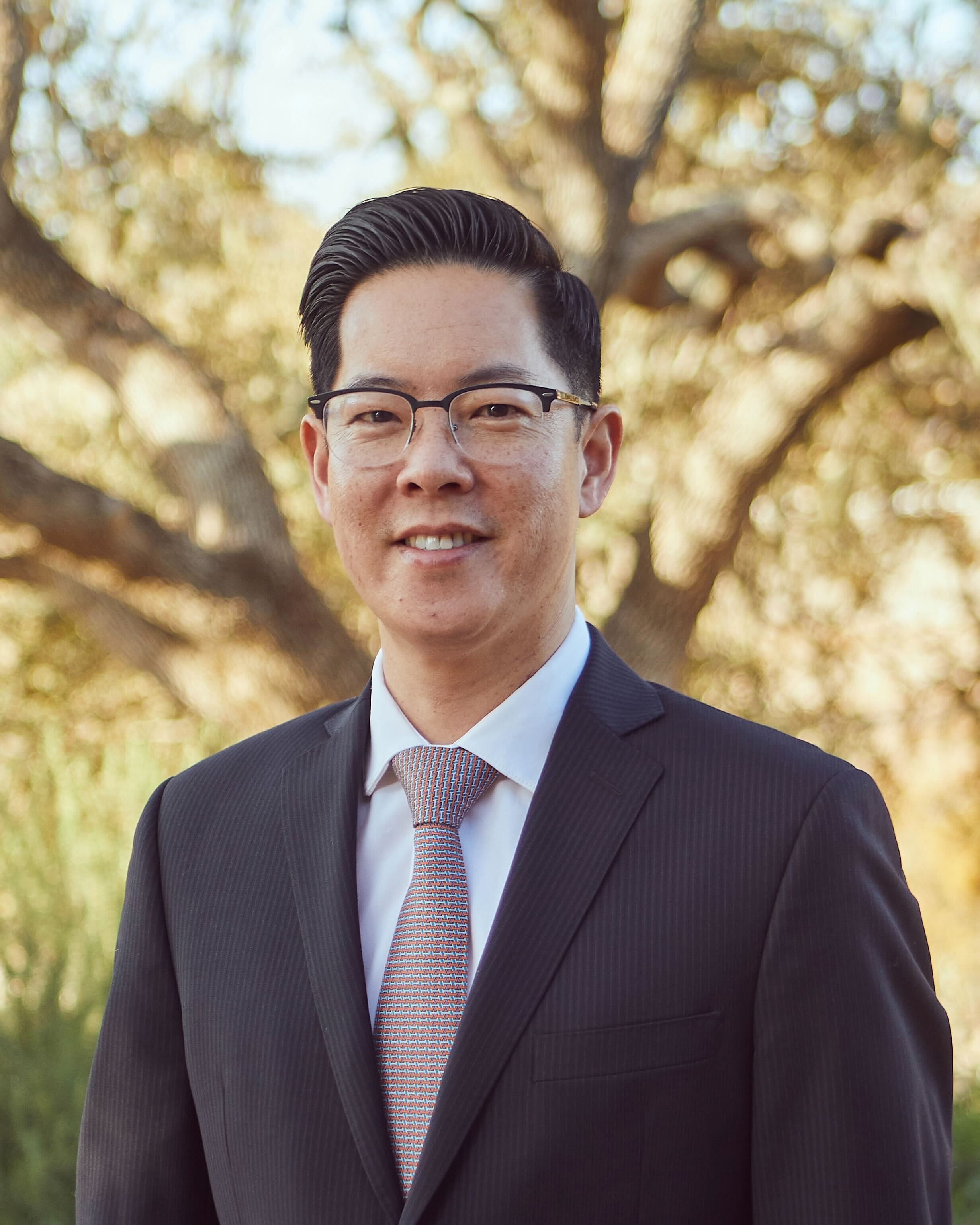
Eric Woo runs Revere, and Revere has a deceptively simple job: tell an institution whether the venture fund in front of it is worth backing. The fund is usually new. The manager is usually unproven. The track record is usually a deck and a promise. This is the murkiest corner of finance, and Woo decided to point software at it.
That choice makes more sense once you know where he started. Woo is a mechanical engineer by training, with a B.S. from UC Berkeley. He learned to model load, tolerance and failure - to ask not whether something looks strong, but whether the numbers say it will hold. He carried that habit into a field that usually runs on relationships and vibes, and the friction between those two worlds is more or less his entire career.
Before he wrote code, he wrote underwriting memos. Woo spent the better part of a decade as a limited partner - the person on the receiving end of every fund manager's pitch. He helped stand up emerging-manager programs at Northgate Capital and Top Tier Capital Partners, firms that together steward more than $15 billion. His specialty was the hardest bet in the business: backing the manager nobody had heard of yet, before the track record existed to justify it.
The AngelList Years
Then came AngelList, where Woo served as Head of Institutional Capital. AngelList had turned startup investing into something closer to a platform - over $10 billion in supported assets, a hand in financing more than 190 companies that would go on to be worth a billion dollars or more. Woo's job was to make that machine legible to serious institutional money. He curated early-stage funds and deals, and he built systematic, data-driven strategies for investors who needed more than enthusiasm to write a check.
That was the turn. Sitting inside AngelList, Woo watched syndicates and rolling funds democratize who could become a fund manager. The supply of new managers exploded. The tools to evaluate them did not. Allocators were still squinting at PDFs and trusting their stomachs. He had spent his whole career being that allocator, and he knew exactly how unscientific the process really was.
Building Revere
In 2020, Woo co-founded Revere with Chris Shen. The pitch, stripped of jargon: make venture underwriting less mystical. Revere ingests fund data, scores managers, and gives allocators dashboards instead of guesswork - across venture capital, private equity, real estate, private credit and hedge funds. It is the tool Woo wishes he'd had during all those years of reading decks.
He has been called the LP whisperer, and the nickname fits for a reason that goes beyond flattery. Woo talks openly about the subconscious patterns behind how limited partners actually decide - the biases, the pattern-matching, the quiet preference for managers who look and sound like the last winner. His whole project is to drag those instincts into daylight, name them, and pressure-test them with data.
What keeps him interesting is that he refuses to fully pick a side. He is not the engineer who thinks a model can replace judgment, nor the old-school allocator who thinks judgment can't be modeled. He believes the best decisions live in the tension between the two - and that emerging managers, the unglamorous and the overlooked, are exactly where that tension pays off. His own LinkedIn line says it plainly: 16 years in venture capital, and still curious.
He is a Bay Area native who has spent his entire working life inside San Francisco's investment ecosystem, and his fingerprints are now on a generation of funds that got their first institutional yes partly because someone built a way to say it with confidence. Long before any of that, he earned his CFA charter in 2004 and even priced risk for an insurance and financial-guaranty company - a very different flavor of underwriting, but underwriting all the same. The through-line was always the same question: how do you put a number on something that hasn't happened yet?