atlassian
(30)
Prithvi Rai and the things a company forgets
At Yahoo, Facebook and Uber, Prithvi Rai worked on the machinery of trust. With Borneo, he turned a familiar problem - keeping track of sensitive data as a business grows - into a company of his own.

Randall Ward and the Art of Making Yourself Replaceable
Randall Ward spent 20 years building Appfire around the useful pieces other software left out. Then he handed over the CEO’s chair, putting his idea of a multi-generational company to its first real test.

miniOrange makes the old world log in.
The hardest part of modern security is often the software nobody can replace. miniOrange has built a business around getting that software to cooperate.

Scott Farquhar and the value of an empty diary
He helped build Atlassian by letting software do the selling. After 22 years as co-CEO, Scott Farquhar is deciding where his time can do the most good.

Misha Cajic and the business of filling in the blanks
Before he co-founded Avarni, Misha Cajic built airports for people who flew on their computers. Now the former Atlassian product manager is helping businesses see the emissions hidden in their everyday paperwork.

Benjamin Humphrey and the three-month wait for a two-week answer
A diary study gave the Dovetail co-founder a problem worth leaving Atlassian for. Years later, he is still working on the same question: how do you get what customers know into the hands of people building things?

Mehdi Boudoukhane and the company he meant to challenge
Cycle began with an ambition to take on Atlassian. Six years later, Atlassian bought its technology and team - a turn that brought Mehdi Boudoukhane’s long experiment in listening to customers inside the company he had set out to rival.

Mike Cannon-Brookes and the art of asking an expensive question
An unexpected fax showed two Sydney software founders that their business could travel. For Mike Cannon-Brookes, the questions have since grown to include coal plants, subsea cables and who gets to join the team.
ServiceRocket and the expensive gap between buying software and making it work
A stalled migration, 26,000 tickets and seven years of history reveal the business ServiceRocket has built: making enterprise software survive contact with the people who use it.

Loom found a fortune in the meeting you never had
A recorder rescued from a struggling startup became a new office habit. Now Atlassian is asking Loom to turn all that talking into work people can actually find and finish.

Kevin Indig Learned Search by Building a Gaming Website. Now He Studies What Happens When Search Stops Sending Clicks.
A teenage tournament site set Kevin Indig on a path through Atlassian, G2 and Shopify. Today his Growth Memo asks a harder question: what does growth mean when an answer engine keeps the visit for itself?
Adaptavist sells the work that comes after the software
Buying Jira is the easy part. Adaptavist has built a business around the migrations, integrations and human habits that determine whether enterprise software earns its keep.

Dylan Etkin Measures the Moment Software Becomes Real
After helping Jira grow and watching Bitbucket scale, Dylan Etkin found the overlooked event that tells an engineering team whether its work matters: the deployment. Now he is applying the same practical instinct to AI skills, access and organizational memory.

Connor Waslo Is Teaching AI the Fine Art of Leaving You Alone
The Caddy co-founder went from coding through class to cutting a polished feature. His current product thesis is disarmingly simple: a useful assistant knows when to act, when to ask and when to keep quiet.

Jira Won the Cloud Race Microsoft Project Never Finished
Jira made its cloud edition the destination. Microsoft folded Project for the web into Planner while its desktop product kept specialist powers - a split that shows what a finished cloud migration really requires.

DX Made Developer Productivity Measurable - Then Atlassian Paid $1 Billion
DX built a business around a deceptively hard question: what actually helps software teams do better work? Its answer mixes machine data, human experience and enough research discipline to make a dashboard useful without turning it into a surveillance panel.
Adam Berlew Keeps Coming Back to the Machines
He wrote his first programs as a teenager, then spent 25 years explaining machines to the people who buy them. Now he markets the buildings where the AI boom actually lives.

Cycle
The Paris startup that turned scattered customer feedback into a product roadmap - then handed its engine to Atlassian.
Atlassian
Two Sydney graduates put $10,000 on credit cards in 2002 and built the software that runs the world's software teams. Today Atlassian's Jira, Confluence, and AI teammate Rovo power more than 300,000 companies - without ever relying on a traditional sales force.
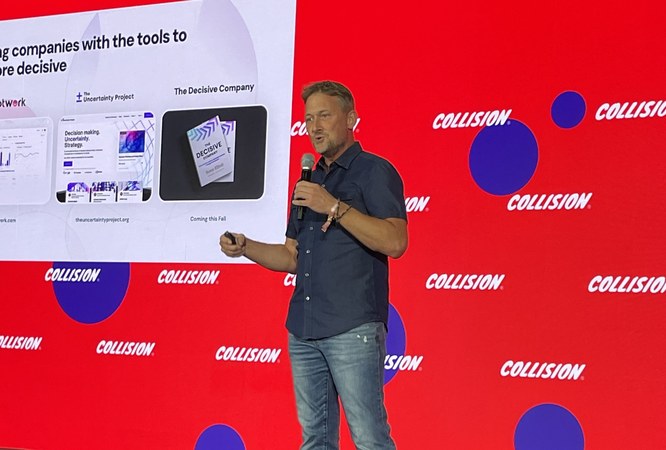
Steve Elliott
Steve Elliott is the founder and CEO of Dotwork, an AI-driven platform that connects corporate strategy to execution. He previously founded AgileCraft, which Atlassian bought in 2019 for $166M and rebranded as Jira Align, after which he ran product for the tool inside Atlassian. He co-founded The Uncertainty Project, a community for product leaders, and wrote The Decisive Company, a #1 Amazon bestseller. Dotwork, founded in 2022 and based in the Austin area, raised a $12M Series A in November 2023 with backing that included Houston Astros owner Jim Crane.

Vinay Patankar
Vinay Patankar is the co-founder and CEO of Process Street, an AI-powered workflow and compliance operations platform used by thousands of companies to run recurring checklists, onboarding, and standard operating procedures. A three-time founder and Y Combinator alum (W15), he was the youngest Cisco engineer in Australia at 16, left Sydney at 24 with a copy of The 4-Hour Workweek, and spent roughly a decade as a digital nomad building remote-first businesses before Process Street. The company has raised about $15M from Accel, Salesforce Ventures, and Atlassian and has been remote since day one.
Tareq Aljaber
Tareq Aljaber is the founder and CEO of Averroes.ai, a San Mateo company building no-code AI visual inspection and virtual metrology software for semiconductor and industrial manufacturing. Before founding Averroes in 2021, he spent more than two decades shipping products used by millions at Adobe, Microsoft, Atlassian, and Samsung NEXT, including work that helped scale Adobe Flash and the launch of Microsoft's Visual Studio App Center. He now focuses on making AI-powered defect detection accessible to quality and reliability engineers who have no data science background.

Caroline Clark
Caroline Clark is the CEO and co-founder of Arcade, the San Francisco software company that turned the dreaded product demo into something people actually want to watch. After product marketing at Atlassian and a stint at Sequoia Capital, she started Arcade in 2021 to kill the screenshots-and-gifs grind she lived through firsthand. Today more than 14,000 companies, from Salesforce to Zapier to Carta, build interactive demos and AI-generated product videos on Arcade, which raised a $14M Series A led by Kleiner Perkins in November 2024. Clark borrows the feel of video games, pulsating dots, satisfying load times, to make B2B software feel like play, and runs the company on a borrowed Sequoia creed: rigor, discipline, and focus on quality.

Disha Rustogi
Disha Rustogi is the Vice President of Product Marketing at Twilio, where she leads global Product Marketing and Go-To-Market Enablement teams. With 15+ years of marketing leadership at household-name tech companies — Microsoft, Adobe, Atlassian — she has shaped how enterprise software gets positioned, launched, and sold to the world. Now at Twilio, she is at the forefront of the agentic AI communications era, helping define how companies build intelligent customer experiences using Twilio's platform.

Justine Davis
Justine Davis is the VP of Developer Marketing, Community, and Developer Relations at ServiceNow, where she oversees a developer community of more than one million members and shapes the narrative of ServiceNow as a global developer platform. With roots in digital marketing and a career arc that ran through Hotwire, Atlassian (over nine years), and Postman, she has built a reputation for translating complex technical products into language that resonates with developers and enterprise buyers alike. Based in Scottsdale, Arizona, she is known for her candid takes on developer marketing, her emphasis on showing rather than telling, and her belief that DevRel and Developer Marketing are two sides of the same coin.
Sean Regan
Sean Regan is SVP of Product and Solutions Marketing at ServiceNow, the enterprise cloud platform reshaping how work gets done. With a career that spans Atlassian, Symantec, and DocuSign, he is one of the sharper B2B marketing minds in Silicon Valley - someone who built product marketing orgs from scratch and is now helping position ServiceNow's AI-native platform at the frontier of autonomous enterprise work. He also founded Deviate Partners in 2014, an advisory firm where he advises and invests in tech companies.
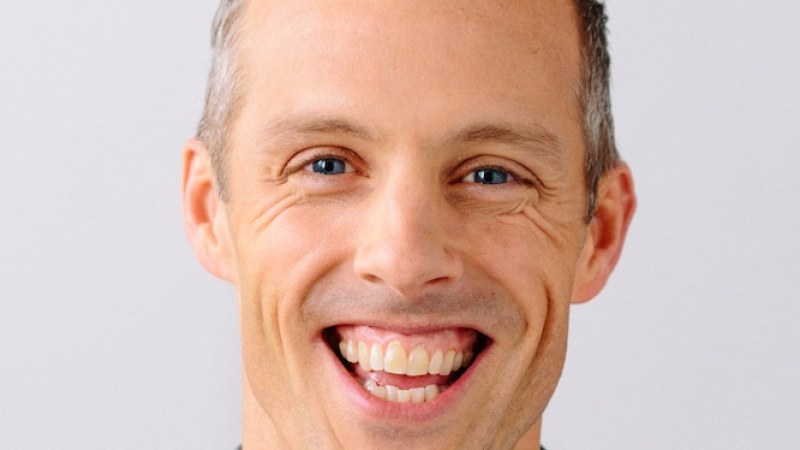
Jay Simons
Jay Simons is a General Partner at BOND, the growth-stage venture firm co-founded by Mary Meeker. Before joining BOND in 2020, he spent 12 years at Atlassian - nine as President - helping grow the company from $20M to over $2B in ARR and through a landmark $5.8B IPO in 2015. He is one of the most influential practitioners and advocates of product-led growth in enterprise software, and now backs the next generation of category-defining SaaS companies from his perch in San Francisco.
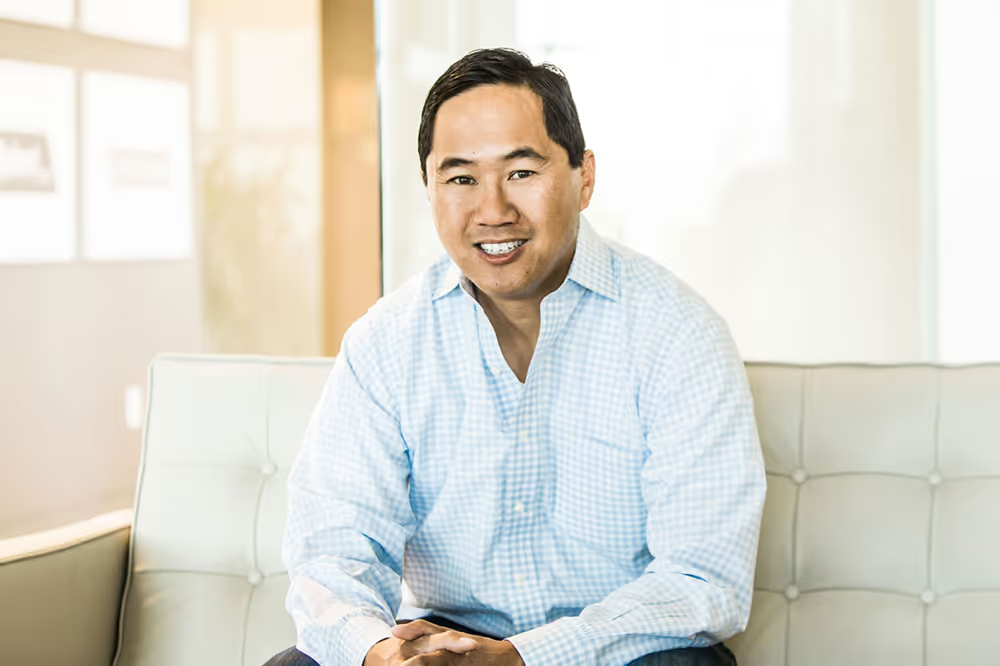
Rich Wong
Rich Wong is a General Partner at Accel, one of the world's premier venture capital firms, where he has invested since 2006. A self-described 'accidental' venture capitalist with roots in mobile technology operations, he was the first outside investor and board member at Atlassian and led bets on UiPath, Rovio (Angry Birds), AdMob, and dozens of enterprise software companies globally. Known for his 'prepared mind' investment philosophy, his belief that the best companies can hide anywhere on earth, and his conviction that great VC is fundamentally a human business, Rich is one of Silicon Valley's most globally-minded and relationship-driven investors.

Ashley Faus
Ashley Faus is Head of Lifecycle Marketing, Portfolio at Atlassian, a keynote speaker, Stanford instructor, and author of 'Human-Centered Marketing: How to Connect with Audiences in the Age of AI' (Kogan Page, 2025). She's best known for the 'Content Playground' framework - rejecting the linear marketing funnel in favor of a non-linear, audience-driven content ecosystem. A former musical theater major turned B2B marketing strategist, she argues that trust is the one thing AI cannot automate, and has built a career proving it.
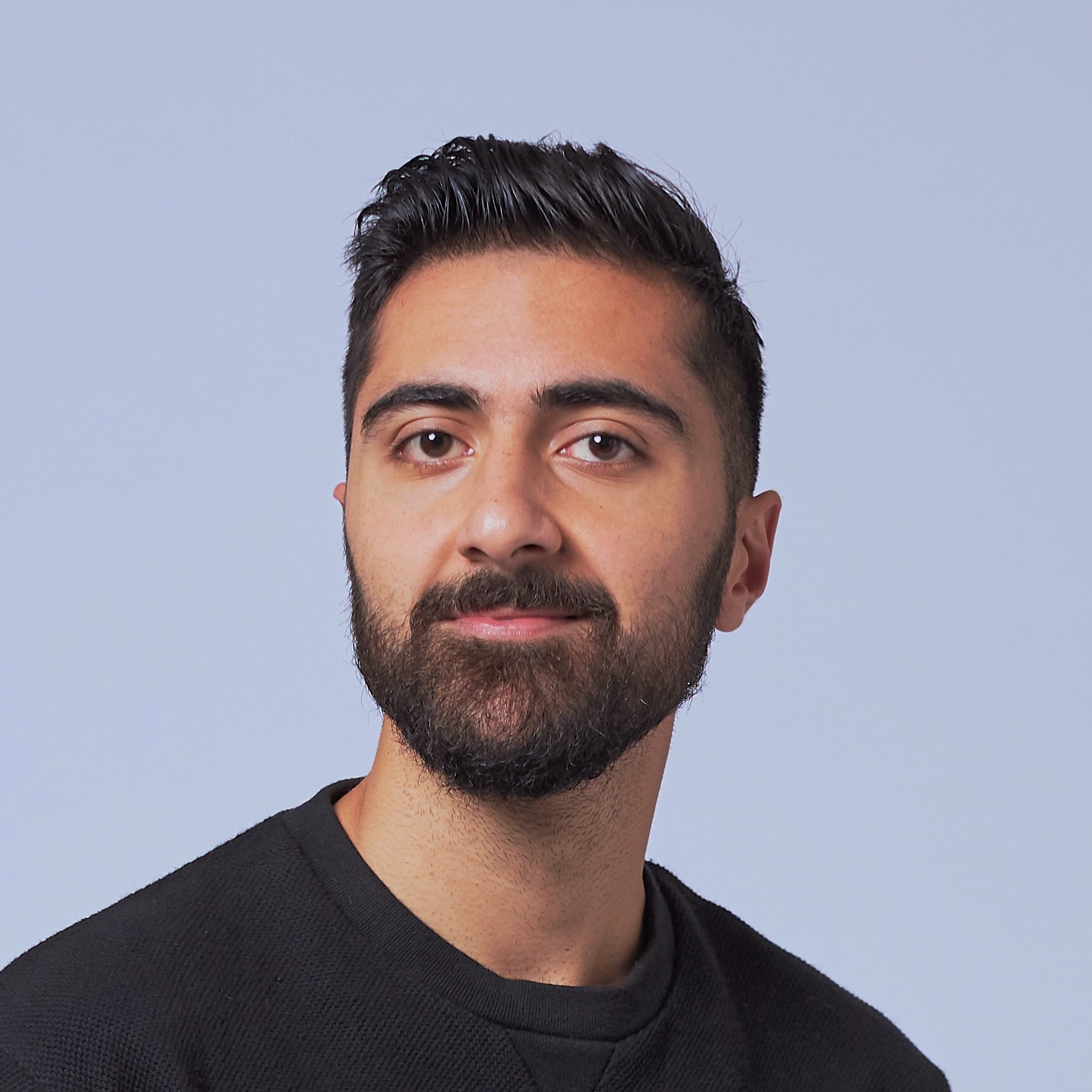
Shahed Khan
Shahed Khan is the co-founder of Loom, the async video messaging platform that grew from a Chrome extension to 25 million users across 350,000+ companies before being acquired by Atlassian for $975 million in 2023. A Thiel Fellow and Forbes 30 Under 30 honoree, Khan started his entrepreneurial journey at 16 in suburban Chicago, founding Viatask before connecting with Joe Thomas and Vinay Hiremath to build Loom through two pivots and years of near-failure. He now lives in New York City, angel-investing in 40+ companies and staying active in the startup ecosystem.