cambridge-biotech
(67)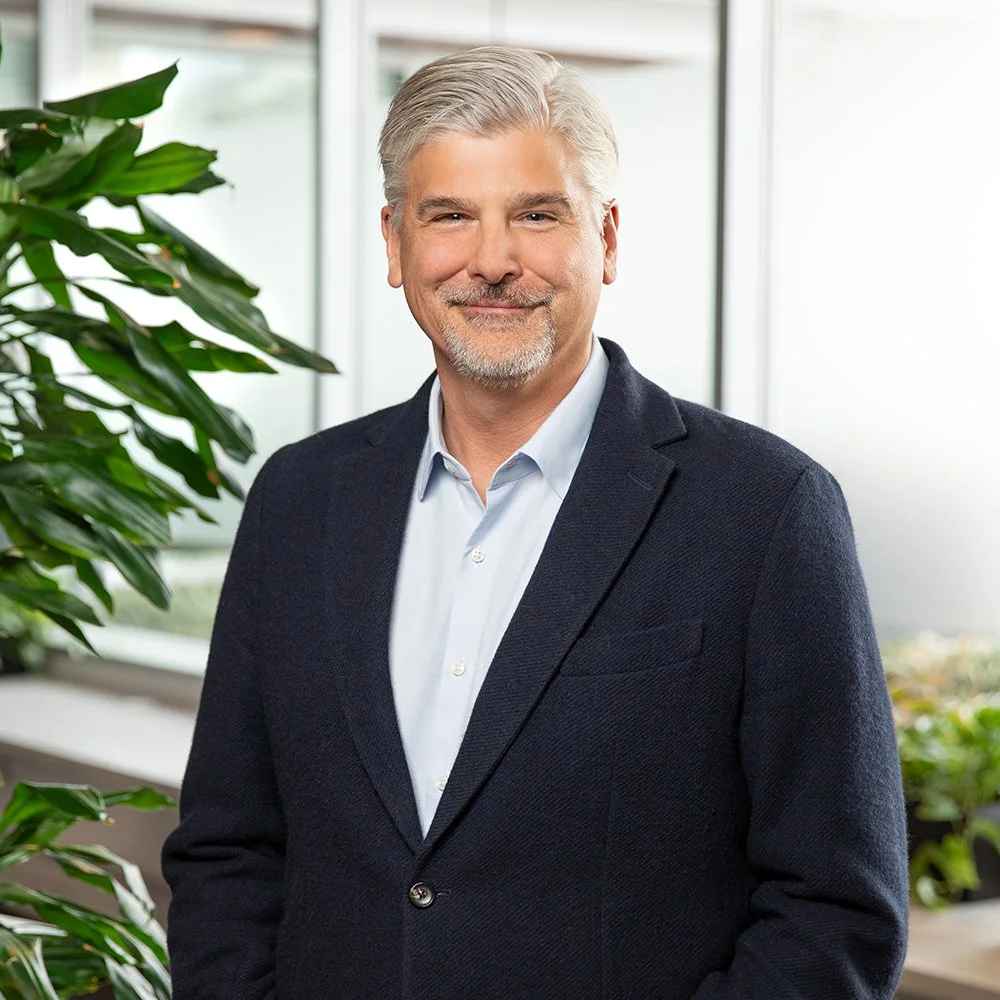
Andy Orth Knows the Hard Part Comes After the Breakthrough
The City Therapeutics CEO has spent a career translating new science into organizations that can move - with a bias for shared purpose, quick decisions and the unglamorous work that follows discovery.

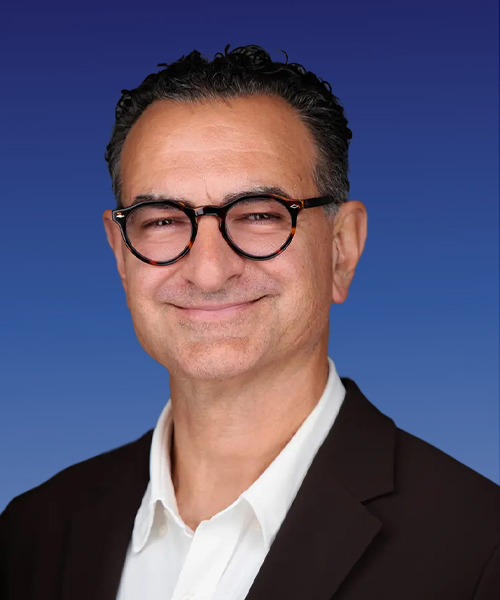
Parastoo Khoshakhlagh Is Teaching Cells to Skip the Waiting
The GC Therapeutics co-founder has moved from neural gels to spaceflight to a library for programming cell fate. Her recurring move is simple to describe and difficult to execute: turn biology's long recipes into instructions.
Andreas Goutopoulos Raised $75.5M for a Company That Was, on Paper, Just Him
He led chemistry at a big pharma for a decade, then walked out to build a radiopharma startup with no executive team and a single conviction: make the molecules stick.

GC Therapeutics Wants to Turn a Four-Day Cell Recipe Into Medicine at Scale
The Harvard spinout says its TFome platform can compress months of stem-cell differentiation into four days. Now it has to prove that programmable cells can survive the far harder journey from an elegant recipe to an approved medicine.

Moderna Designed Its COVID Vaccine in Two Days. The Hard Part Took Ten Years.
The Cambridge biotech turned messenger RNA from a lab curiosity into a platform for printing medicines from genetic code - vaccines, cancer shots, and rare-disease drugs that share one factory and swap out the instructions.

Adam Townsend
He spent two decades launching other people's medicines. Now he is running a biotech built to delete the antibodies that make patients sick - and taking the top job for the first time.
Bryan Stuart
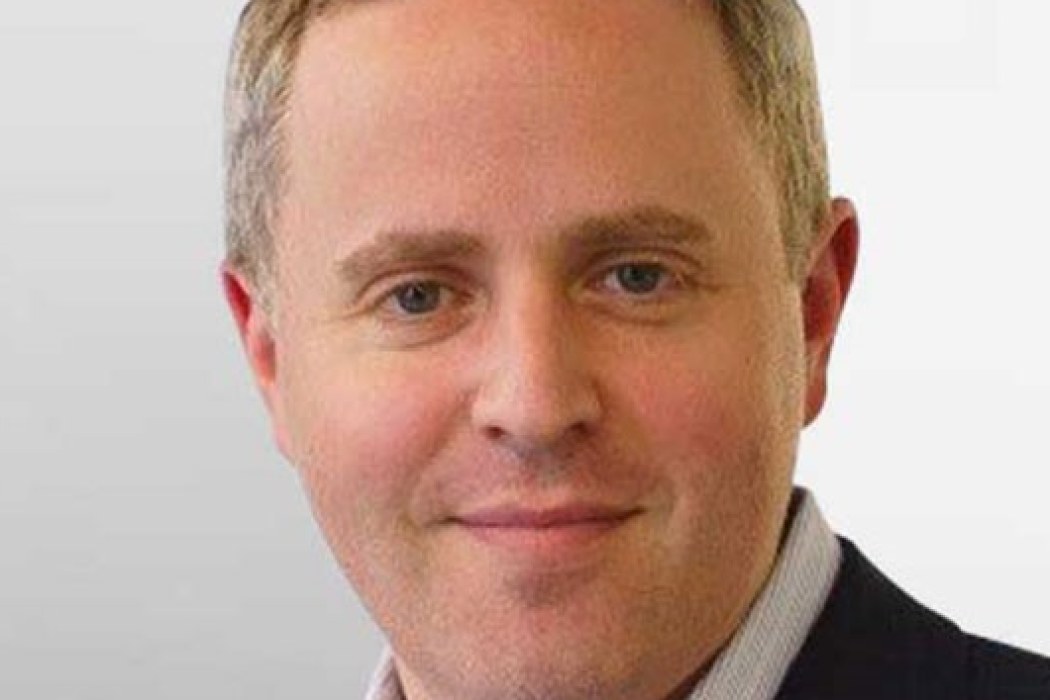
Bryan Stuart is the Chief Executive Officer and a director of Atavistik Bio, a Cambridge, Massachusetts biotechnology company building precision allosteric small molecule therapeutics on its Atavistik Metabolite-Protein Screening (AMPS) platform. He joined in July 2023 after more than two decades leading biopharma companies, including roles as CEO of Fulcrum Therapeutics, Yarra Therapeutics, and Kastle Therapeutics. Under his leadership Atavistik has raised a $120 million Series B in December 2025, later extended to $160 million, to advance its lead programs for hereditary hemorrhagic telangiectasia and myeloproliferative neoplasms toward the clinic.

Chris McNulty
Chris McNulty is the interim CEO of Ring Therapeutics, a Cambridge, Massachusetts biotech developing genetic medicines that use commensal anelloviruses as delivery vectors. An MIT-trained engineer with a Harvard MBA, he joined Ring in May 2023 as Chief Financial Officer and Head of Corporate Strategy and stepped up to lead the company in December 2024. Over more than 15 years in pharma and biotech finance, he has closed financing transactions worth more than $300 million across companies including VBI Vaccines, InVivo Therapeutics, Repligen, and Genzyme.

Daniel Getts
Daniel Getts, PhD, is the co-founder and CEO of CREATE Medicines (formerly Myeloid Therapeutics), a Cambridge, Massachusetts biotech building RNA-based in vivo immune programming therapies that reprogram T cells, NK cells and myeloid cells directly inside the body. An immunologist trained at the University of Sydney with an MBA from Western Michigan, he previously founded Cour Pharmaceuticals and served as VP of Research at TCR2 Therapeutics. He has more than 45 peer-reviewed publications, multiple issued patents, and a track record of large pharma partnerships, including Takeda's $420M licensing deal for TIMP-GLIA. In May 2026 CREATE closed a $122 million Series B to advance its in vivo CAR pipeline across autoimmune disease and oncology.

Actithera
Actithera is a radiopharmaceutical biotech developing next-generation radioligand therapies (RLTs) for cancer. Founded in 2021 by medicinal chemist Andreas Goutopoulos and based in Cambridge, Massachusetts and Oslo, Norway, the company uses a proprietary, chemistry-led platform to design covalent small-molecule radioligands that lodge inside tumors, deliver targeted radiation, and clear quickly from healthy tissue. Its isotope-agnostic approach is engineered to match the residence time of a drug in a tumor to the half-life of long-lived radionuclides, with a lead program targeting Fibroblast Activation Protein (FAP). Actithera raised an oversubscribed $75.5M Series A in July 2025.

AIRNA
AIRNA is a clinical-stage biotechnology company building RNA-editing medicines that harness ADAR, a naturally occurring human enzyme, to make precise, programmable and non-permanent edits to RNA. Its RESTORE+ platform uses short oligonucleotides to recruit ADAR to a target transcript and swap a single letter, correcting disease-causing variants without altering DNA. AIRNA's lead candidate, AIR-001, targets alpha-1 antitrypsin deficiency (AATD) and has advanced into a Phase 1/2 clinical trial, with a broader pipeline aimed at cardiometabolic and other diseases. The company is headquartered in Cambridge, Massachusetts, with research operations in Tübingen, Germany, and has raised roughly $245 million from investors including ARCH, Forbion and Venrock.

Atavistik Bio
Atavistik Bio is a Cambridge, Massachusetts clinical-stage biotechnology company that discovers precision allosteric small-molecule medicines. Its proprietary AMPS (Atavistik Metabolite-Protein Screening) platform, paired with an AI-enabled discovery engine, uses natural metabolites as bait to reveal hidden allosteric pockets on disease-driving proteins that conventional drug discovery cannot reach. The company is advancing an oral AKT1-selective inhibitor for hereditary hemorrhagic telangiectasia (HHT) and a JAK2 V617F mutant-selective program for myeloproliferative neoplasms (MPNs).
Be Biopharma
Be Biopharma (Be Bio) is a Cambridge, Massachusetts biotechnology company pioneering a new class of therapies called Engineered B Cell Medicines (BCMs). By precisely gene-editing a patient's own B cells - nature's protein factories that can secrete high volumes of protein for decades - Be Bio aims to deliver durable, potentially re-dosable treatments for hemophilia, rare genetic diseases, and other serious conditions. Founded in 2020 out of Seattle Children's Research Institute and Longwood Fund, the company has raised roughly $356 million and, as of early 2025, advanced to a multi-program clinical-stage company led by CEO Joanne Smith-Farrell, Ph.D.
City Therapeutics
City Therapeutics is a Cambridge, Massachusetts biotechnology company engineering the next generation of RNA interference (RNAi) medicines. Founded by pioneers of the RNAi field, including former Alnylam CEO John Maraganore and Nobel-adjacent academic scientists, the company designs novel siRNA trigger molecules and targeting ligands intended to make RNAi drugs more potent, more specific, and able to reach tissues beyond the liver. Launched in October 2024 with a $135M Series A and backed by a further $99.5M Series B in 2026, City is advancing a pipeline led by CITY-FXI for thromboembolic disease and CITY-RBP4 for Stargardt disease, alongside research collaborations with Biogen and Bausch + Lomb.
CREATE Medicines
CREATE Medicines is a Cambridge, Massachusetts clinical-stage biotech building in vivo immune programming - therapies that use an mRNA-lipid nanoparticle platform to turn a patient's own T cells, NK cells, and myeloid cells into chimeric antigen receptor (CAR) cells directly inside the body, rather than extracting and re-engineering them in a lab. Formerly Myeloid Therapeutics, the company rebranded in October 2025 as its pipeline expanded beyond myeloid cells and cancer into autoimmune disease and fibrosis. Its repeat-dosable, off-the-shelf approach aims to make CAR therapy cheaper and more scalable than conventional cell therapy, and the company says it has dosed more than 50 patients - among the largest clinical datasets for in vivo CAR to date.
K36 Therapeutics, Inc.
K36 Therapeutics is a Cambridge, Massachusetts clinical-stage biotech developing first-in-class oral small-molecule inhibitors of NSD2/MMSET, an epigenetic enzyme that drives hard-to-treat cancers. Its lead candidate, gintemetostat (KTX-1001), is in Phase 1 for relapsed/refractory multiple myeloma carrying the t(4;14) translocation, and a second program, KTX-2001, targets metastatic castration-resistant prostate cancer. Backed by Atlas Venture, F-Prime Capital, Eight Roads Ventures, Nextech Invest and Bristol Myers Squibb, K36 has raised roughly $100M+ to translate chromatin biology into precision cancer medicines.

Merida Biosciences
Merida Biosciences is a Cambridge, Massachusetts biotechnology company developing a new class of engineered Fc biotherapeutics that selectively bind and eliminate the disease-causing antibodies behind autoimmune and allergic diseases, while sparing the protective antibodies the immune system needs. Launched publicly in April 2025 with a $121 million Series A, the company aims to treat conditions such as Graves' disease, IgE-mediated allergy and primary membranous nephropathy by clearing pathogenic antibodies and suppressing the B cells that make them - without the broad immunosuppression that limits many existing therapies.

Pinetree Therapeutics
Pinetree Therapeutics is a Cambridge, Massachusetts biotech founded in 2019 that develops antibody-based targeted protein degraders for cancer. Its AbReptor and TAER-TAB platforms use modular bispecific and multispecific antibodies to hijack the body's own lysosomal machinery and eliminate disease-driving membrane-bound and extracellular proteins - including drug-resistant receptor tyrosine kinases that conventional inhibitors cannot reach. Led by founder and CEO Ho-Juhn Song, Ph.D., the preclinical company has raised roughly $111M to date, struck a $500M+ EGFR-degrader option deal with AstraZeneca, and is advancing lead oncology programs toward Phase I.

Plex Research
Plex Research is a Cambridge, Massachusetts company building an AI-powered scientific intelligence platform for drug discovery. Its proprietary focal graph technology stitches billions of minimally processed experimental data points from genomics, proteomics, chemical biology and clinical sources into a queryable biomedical knowledge graph, then pairs it with large language models so scientists get evidence-backed answers in seconds - every result traceable to the underlying experiments. Trusted by 40+ pharma and biotech teams, Plex helps researchers identify and evaluate drug targets, uncover hidden pharmacology, and, through its AutoPlex agent, run autonomous multi-step research campaigns.

Ring Therapeutics
Ring Therapeutics is a Cambridge, Massachusetts biotechnology company founded by Flagship Pioneering to build a new class of gene therapy delivery vectors from anelloviruses - the most abundant and diverse family of viruses that naturally and harmlessly live inside the human body. Because these commensal viruses evade the immune system, Ring's AnelloVector platform aims to solve gene therapy's biggest limitations: the inability to re-dose patients, pre-existing immunity, and narrow tissue targeting. Through its Anellogy discovery platform and AnelloBricks in-vitro manufacturing technology, Ring is engineering re-dosable, tissue-specific, scalable vectors intended to carry a wide range of therapeutic payloads.

Ho-Juhn Song
Ho-Juhn Song is the co-founder and CEO of PineTree Therapeutics, a Cambridge, Massachusetts biotech building next-generation targeted protein degraders to overcome drug resistance in cancer. A geneticist by training with a Ph.D. from Oregon State University and a former project team leader at the Novartis Institutes for BioMedical Research, Song founded PineTree in 2019 around the AbReptor platform, which degrades membrane-bound and extracellular proteins that conventional drugs struggle to reach. Under his leadership the company licensed its lead EGFR degrader to AstraZeneca in a deal worth more than $500 million in potential milestones and closed an oversubscribed $47 million Series B in October 2025.
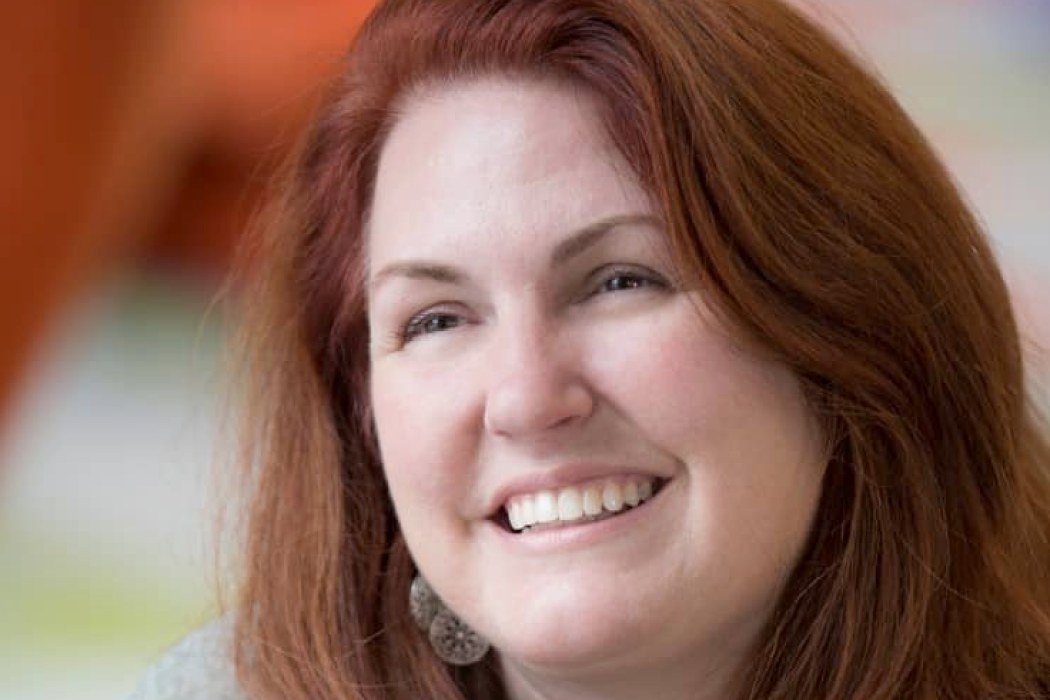
Joanne Smith-Farrell
Joanne Smith-Farrell is the President and CEO of Be Biopharma, a Cambridge, Massachusetts company building a new class of medicines from engineered B cells - the body's own protein factories. A physicist by training who moved into drug development, she has spent more than 25 years leading teams tackling cancer and rare diseases, most notably building bluebird bio's 400-person oncology cell therapy business behind the CAR-T therapy Abecma. Since taking the helm at Be Bio in early 2021, she has steered the company through more than $350 million in funding as it works to turn B cells into durable, in vivo sources of therapeutic proteins.

Terrence Connolly
Terrence (Terry) Connolly is a chemist-turned-dealmaker who runs K36 Therapeutics, a Cambridge, Massachusetts biotech chasing a single target: NSD2/MMSET, an epigenetic switch that drives hard-to-treat cancers. A Ph.D. organic chemist who started at the lab bench making molecules at Roche, Wyeth and Celgene, he crossed over into business development at Celgene, closed more than two dozen deals, then ran the business side at Skyhawk and Dragonfly. In 2021 he took the top job at K36, and now steers its lead compounds KTX-1001 (for t(4;14) multiple myeloma) and KTX-2001 (for treatment-resistant prostate cancer) through early clinical trials, backed by a $70 million Series B led by Nextech Invest with Bristol Myers Squibb participating.
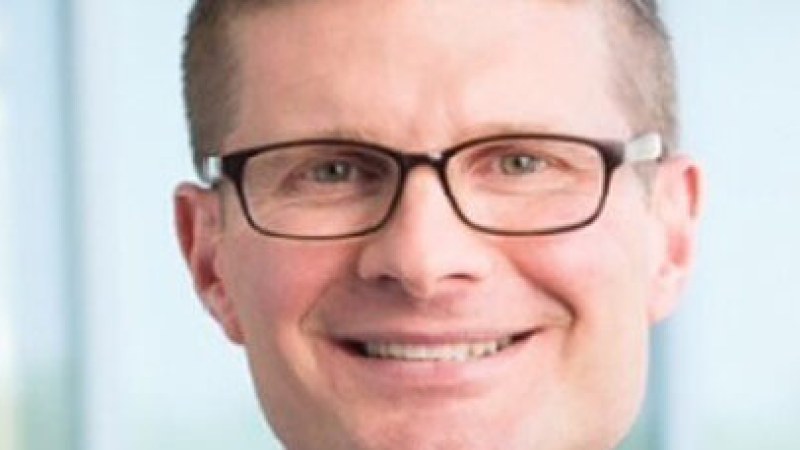
Todd Bazemore
Todd Bazemore is the President and CEO of AIRNA, a Cambridge, Massachusetts biotech developing RNA-editing medicines that rewrite disease-causing genetic variants without permanently altering DNA. Appointed in June 2026, he arrived as the company's lead program, AIR-001 for alpha-1 antitrypsin deficiency, moved into the clinic on the back of an oversubscribed $155 million Series B. A University of Massachusetts Lowell graduate with more than 30 years in rare-disease drug development, he previously ran Kala Bio, led U.S. operations at Santhera, and was chief commercial officer at Dyax during its $6.5 billion acquisition by Shire.
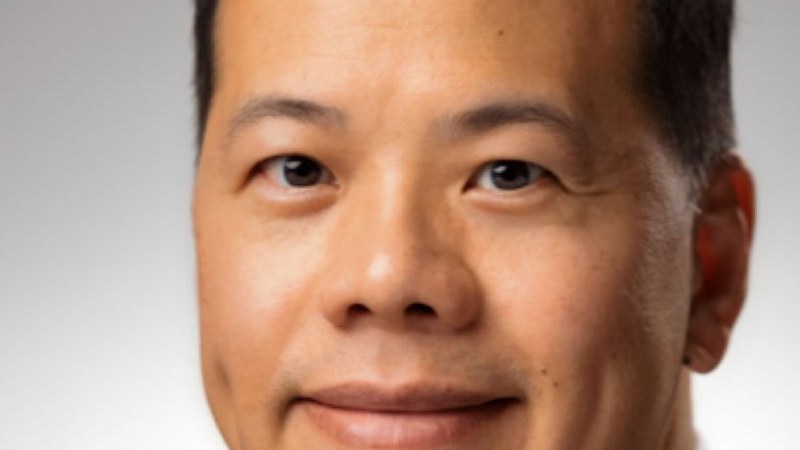
Tuyen Ong
Tuyen Ong is a physician-turned-biotech executive who spent four years as CEO of Ring Therapeutics, the Flagship Pioneering company trying to turn anelloviruses - harmless viruses that already live in nearly everyone - into a redosable delivery system for genetic medicines. Trained as an ophthalmologist at University College London with an MBA from NYU Stern, he built his career on gene therapy for rare eye disease at Nightstar, Biogen, PTC, Bausch & Lomb and Pfizer before betting on a virus most scientists had written off as biological junk. In 2025 he co-founded PharmasMarket, a drug-development consultancy.

Foray Bioscience
Foray Bioscience is a Cambridge, Massachusetts biotech company growing plants and plant products from single cells. Founded in 2022 by MIT PhD Ashley Beckwith, Foray pairs plant cell culture with AI to make lab-grown plant material predictable across species - unlocking harvest-free wood and materials, rapidly scalable seed supplies, faster crop improvement, and even conservation and de-extinction work. Its Pando software acts like a 'Google Maps for plant growth,' helping researchers navigate the dozens of variables that govern how a plant cell grows.
Tiba Biotech
Tiba Biotech is a Cambridge, Massachusetts preclinical biotech spun out of MIT and the Whitehead Institute that is building a new generation of RNA vaccines and therapeutics. Its RNABL platform swaps the fragile lipid nanoparticles behind first-generation mRNA shots for fully synthetic, biodegradable dendrimer nanoparticles that carry larger RNA payloads with less toxicity and gentler cold-chain demands. The company is applying the technology across human vaccines, cancer immunotherapy, gene editing delivery, and animal health, backed by CEPI, BARDA, the NIH, and the NCI.
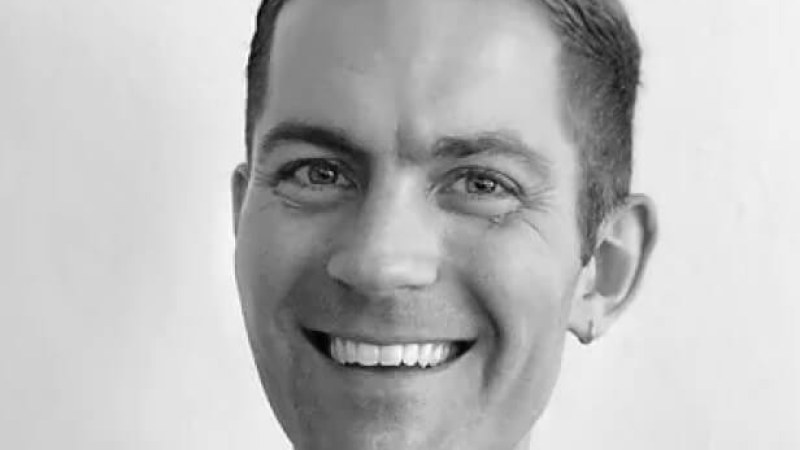
Jack Milwid
Jack Milwid is a scientist-turned-company-builder who sits in the Office of the CEO at Lila Sciences, the Flagship Pioneering venture chasing 'scientific superintelligence' through autonomous AI-run laboratories. A materials engineer with a Harvard-MIT PhD, he has spent his career founding biotech companies from scratch - among them Sana Biotechnology, Neon Therapeutics, Cobalt Biomedicine and Kaleido Biosciences - and co-founded the investment firm Related Sciences. His trademark is turning early science into operating companies.
Jerry McMahon
Dr. Jerry McMahon is the President and CEO of STORM Therapeutics, a Cambridge, UK biotech pioneering drugs that target RNA modifying enzymes. A biochemist-turned-operator with more than 30 years in oncology drug development, he has led biotechs from bench to IPO, helped bring the cancer drug sunitinib (Sutent) to patients, and now steers STORM's first-in-class METTL3 inhibitor STC-15 through the clinic - the first RNA modification enzyme inhibitor ever to enter human trials.

Amber Bio
Amber Bio is a biotechnology startup pioneering a new RNA writing platform that performs multi-kilobase edits, aiming to treat thousands of disease-causing mutations with a single product. Founded in 2021 by Jacob Borrajo and Basem Al-Shayeb out of the Broad Institute and UC Berkeley, the company launched in August 2023 with a $26M seed round co-led by Playground Global and Andreessen Horowitz Bio + Health.