cambridge-biotech
(29)
Andy Orth Knows the Hard Part Comes After the Breakthrough
The City Therapeutics CEO has spent a career translating new science into organizations that can move - with a bias for shared purpose, quick decisions and the unglamorous work that follows discovery.

Parastoo Khoshakhlagh Is Teaching Cells to Skip the Waiting
The GC Therapeutics co-founder has moved from neural gels to spaceflight to a library for programming cell fate. Her recurring move is simple to describe and difficult to execute: turn biology's long recipes into instructions.
Andreas Goutopoulos Raised $75.5M for a Company That Was, on Paper, Just Him
He led chemistry at a big pharma for a decade, then walked out to build a radiopharma startup with no executive team and a single conviction: make the molecules stick.
Adam Townsend
He spent two decades launching other people's medicines. Now he is running a biotech built to delete the antibodies that make patients sick - and taking the top job for the first time.
Bryan Stuart
Bryan Stuart is the Chief Executive Officer and a director of Atavistik Bio, a Cambridge, Massachusetts biotechnology company building precision allosteric small molecule therapeutics on its Atavistik Metabolite-Protein Screening (AMPS) platform. He joined in July 2023 after more than two decades leading biopharma companies, including roles as CEO of Fulcrum Therapeutics, Yarra Therapeutics, and Kastle Therapeutics. Under his leadership Atavistik has raised a $120 million Series B in December 2025, later extended to $160 million, to advance its lead programs for hereditary hemorrhagic telangiectasia and myeloproliferative neoplasms toward the clinic.
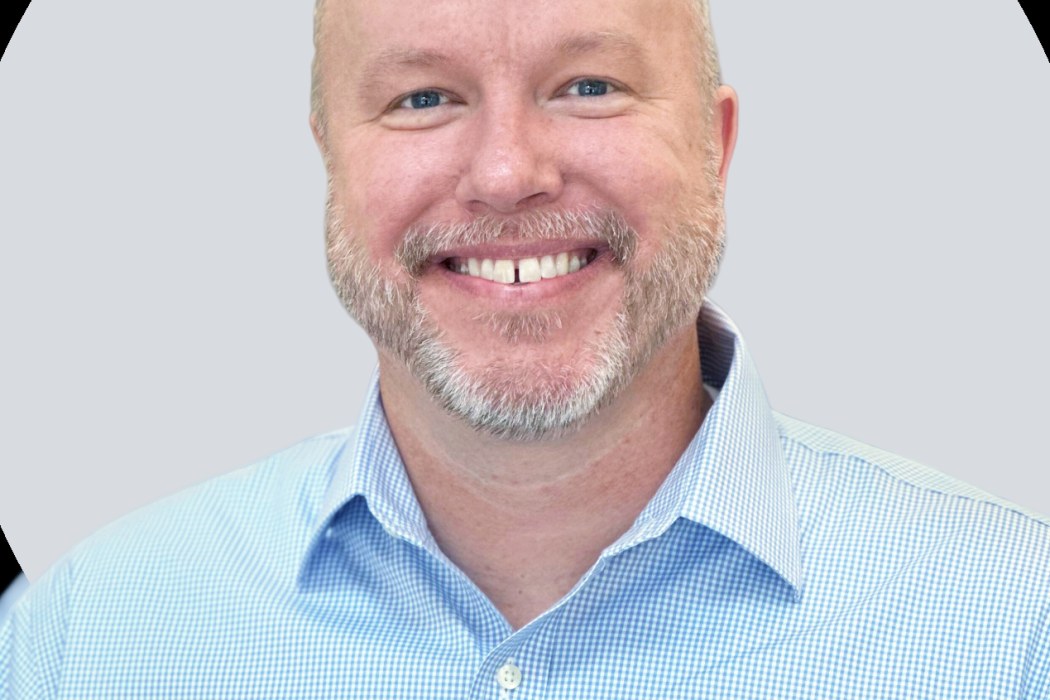
Chris McNulty
Chris McNulty is the interim CEO of Ring Therapeutics, a Cambridge, Massachusetts biotech developing genetic medicines that use commensal anelloviruses as delivery vectors. An MIT-trained engineer with a Harvard MBA, he joined Ring in May 2023 as Chief Financial Officer and Head of Corporate Strategy and stepped up to lead the company in December 2024. Over more than 15 years in pharma and biotech finance, he has closed financing transactions worth more than $300 million across companies including VBI Vaccines, InVivo Therapeutics, Repligen, and Genzyme.
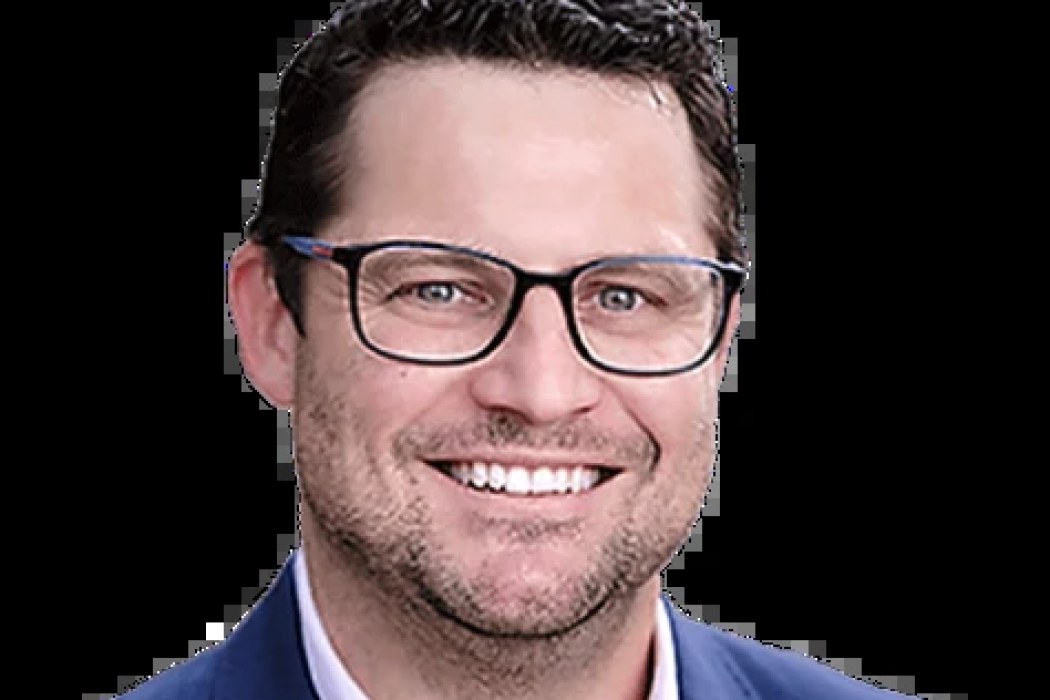
Daniel Getts
Daniel Getts, PhD, is the co-founder and CEO of CREATE Medicines (formerly Myeloid Therapeutics), a Cambridge, Massachusetts biotech building RNA-based in vivo immune programming therapies that reprogram T cells, NK cells and myeloid cells directly inside the body. An immunologist trained at the University of Sydney with an MBA from Western Michigan, he previously founded Cour Pharmaceuticals and served as VP of Research at TCR2 Therapeutics. He has more than 45 peer-reviewed publications, multiple issued patents, and a track record of large pharma partnerships, including Takeda's $420M licensing deal for TIMP-GLIA. In May 2026 CREATE closed a $122 million Series B to advance its in vivo CAR pipeline across autoimmune disease and oncology.
Ho-Juhn Song
Ho-Juhn Song is the co-founder and CEO of PineTree Therapeutics, a Cambridge, Massachusetts biotech building next-generation targeted protein degraders to overcome drug resistance in cancer. A geneticist by training with a Ph.D. from Oregon State University and a former project team leader at the Novartis Institutes for BioMedical Research, Song founded PineTree in 2019 around the AbReptor platform, which degrades membrane-bound and extracellular proteins that conventional drugs struggle to reach. Under his leadership the company licensed its lead EGFR degrader to AstraZeneca in a deal worth more than $500 million in potential milestones and closed an oversubscribed $47 million Series B in October 2025.
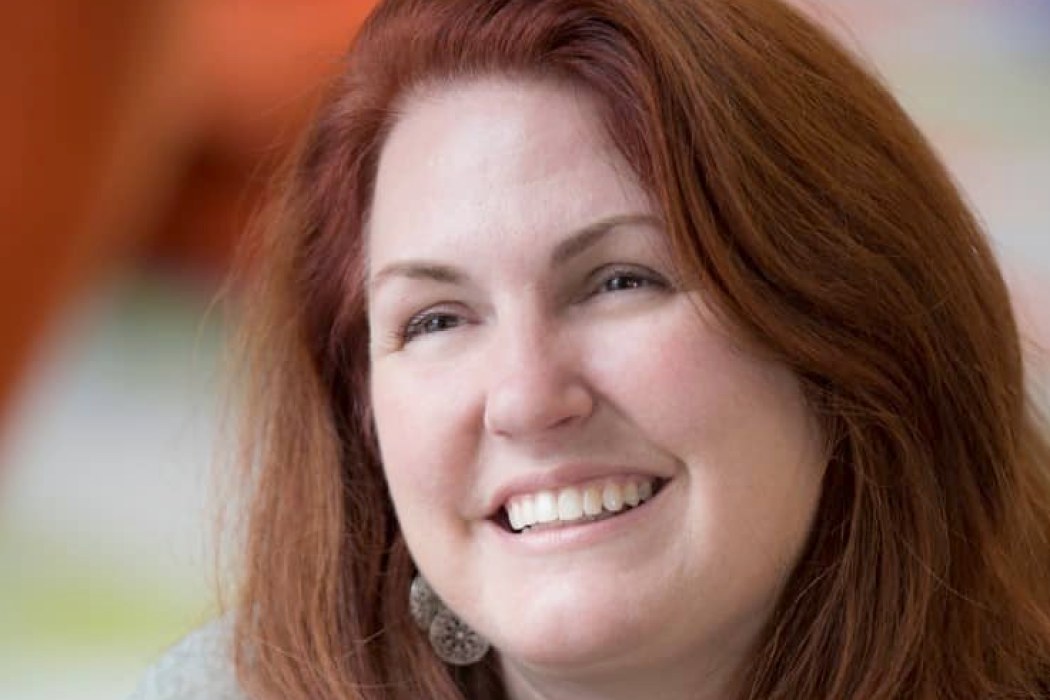
Joanne Smith-Farrell
Joanne Smith-Farrell is the President and CEO of Be Biopharma, a Cambridge, Massachusetts company building a new class of medicines from engineered B cells - the body's own protein factories. A physicist by training who moved into drug development, she has spent more than 25 years leading teams tackling cancer and rare diseases, most notably building bluebird bio's 400-person oncology cell therapy business behind the CAR-T therapy Abecma. Since taking the helm at Be Bio in early 2021, she has steered the company through more than $350 million in funding as it works to turn B cells into durable, in vivo sources of therapeutic proteins.
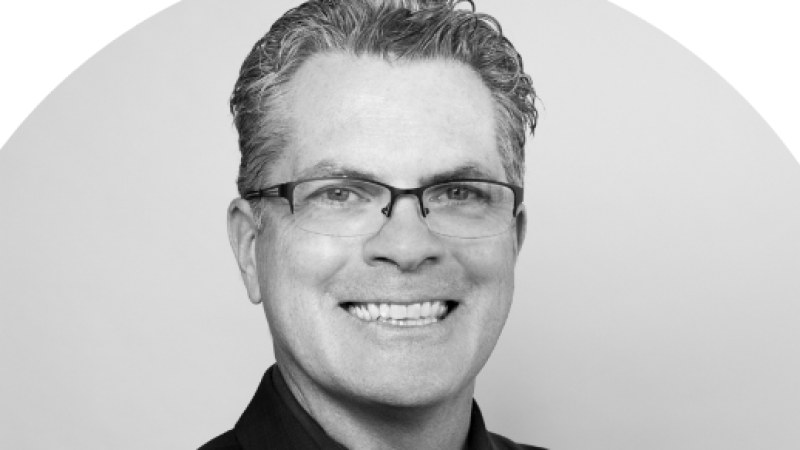
Terrence Connolly
Terrence (Terry) Connolly is a chemist-turned-dealmaker who runs K36 Therapeutics, a Cambridge, Massachusetts biotech chasing a single target: NSD2/MMSET, an epigenetic switch that drives hard-to-treat cancers. A Ph.D. organic chemist who started at the lab bench making molecules at Roche, Wyeth and Celgene, he crossed over into business development at Celgene, closed more than two dozen deals, then ran the business side at Skyhawk and Dragonfly. In 2021 he took the top job at K36, and now steers its lead compounds KTX-1001 (for t(4;14) multiple myeloma) and KTX-2001 (for treatment-resistant prostate cancer) through early clinical trials, backed by a $70 million Series B led by Nextech Invest with Bristol Myers Squibb participating.
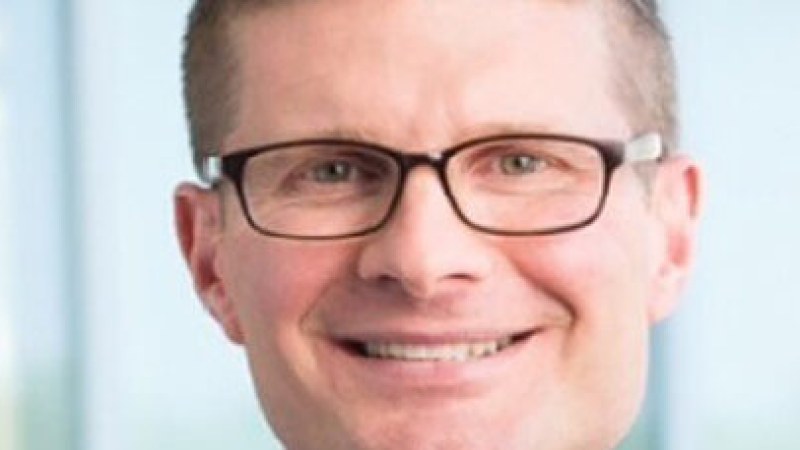
Todd Bazemore
Todd Bazemore is the President and CEO of AIRNA, a Cambridge, Massachusetts biotech developing RNA-editing medicines that rewrite disease-causing genetic variants without permanently altering DNA. Appointed in June 2026, he arrived as the company's lead program, AIR-001 for alpha-1 antitrypsin deficiency, moved into the clinic on the back of an oversubscribed $155 million Series B. A University of Massachusetts Lowell graduate with more than 30 years in rare-disease drug development, he previously ran Kala Bio, led U.S. operations at Santhera, and was chief commercial officer at Dyax during its $6.5 billion acquisition by Shire.
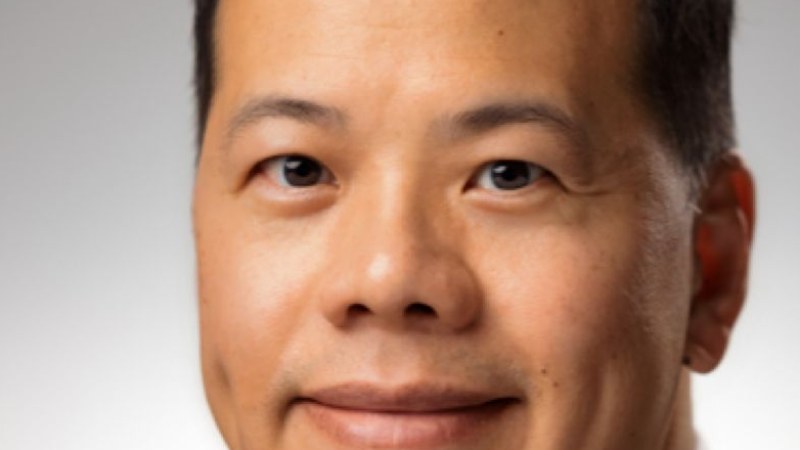
Tuyen Ong
Tuyen Ong is a physician-turned-biotech executive who spent four years as CEO of Ring Therapeutics, the Flagship Pioneering company trying to turn anelloviruses - harmless viruses that already live in nearly everyone - into a redosable delivery system for genetic medicines. Trained as an ophthalmologist at University College London with an MBA from NYU Stern, he built his career on gene therapy for rare eye disease at Nightstar, Biogen, PTC, Bausch & Lomb and Pfizer before betting on a virus most scientists had written off as biological junk. In 2025 he co-founded PharmasMarket, a drug-development consultancy.
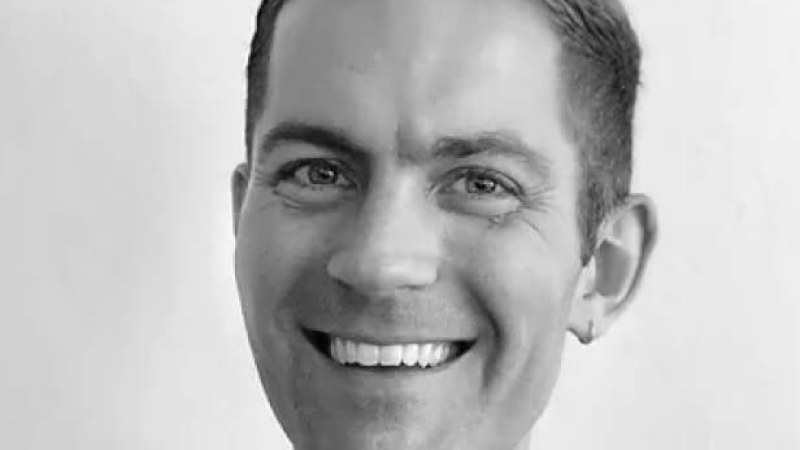
Jack Milwid
Jack Milwid is a scientist-turned-company-builder who sits in the Office of the CEO at Lila Sciences, the Flagship Pioneering venture chasing 'scientific superintelligence' through autonomous AI-run laboratories. A materials engineer with a Harvard-MIT PhD, he has spent his career founding biotech companies from scratch - among them Sana Biotechnology, Neon Therapeutics, Cobalt Biomedicine and Kaleido Biosciences - and co-founded the investment firm Related Sciences. His trademark is turning early science into operating companies.
Jerry McMahon
Dr. Jerry McMahon is the President and CEO of STORM Therapeutics, a Cambridge, UK biotech pioneering drugs that target RNA modifying enzymes. A biochemist-turned-operator with more than 30 years in oncology drug development, he has led biotechs from bench to IPO, helped bring the cancer drug sunitinib (Sutent) to patients, and now steers STORM's first-in-class METTL3 inhibitor STC-15 through the clinic - the first RNA modification enzyme inhibitor ever to enter human trials.
Akin Akinc
Akin Akinc is the founding CEO of Aera Therapeutics, a Cambridge, Massachusetts biotech building a new way to deliver genetic medicines using human protein nanoparticles derived from the body's own retroelements. A chemical engineer by training, he spent nearly two decades at Alnylam Pharmaceuticals, where he helped invent the lipid nanoparticle delivery that produced ONPATTRO, the world's first approved RNAi therapeutic, and later ran the Givlaari and fitusiran programs. Recruited by CRISPR pioneer Feng Zhang, Akinc launched Aera out of stealth in 2023 with $193 million to tackle what he calls genetic medicine's single greatest unmet need: delivery.
Alexey Lugovskoy
Alexey 'Alex' Lugovskoy is the co-founder and CEO of Diagonal Therapeutics, a Watertown/Cambridge, Massachusetts biotech building 'clustering' antibodies that switch cellular signaling back on rather than block it. A Harvard-trained biophysicist who left physics after deciding green leaves were more interesting than tau neutrinos, he spent two decades in antibody R&D at Biogen, Merrimack, Morphic, and Dragonfly before launching Diagonal in 2022. He has co-invented an FDA-approved cancer drug, authored more than 100 patents and papers, and edits the antibody journal mAbs. In January 2026 Diagonal closed an oversubscribed $125M Series B co-led by Sanofi Ventures and Janus Henderson to push its lead program, DIAG723, into human trials for hereditary hemorrhagic telangiectasia.
Andrew Schiermeier
Andrew Schiermeier is the President and CEO of AvenCell Therapeutics, a clinical-stage biotech in Cambridge, Massachusetts and Dresden, Germany building switchable, universal CAR-T cell therapies for hard-to-treat cancers like acute myeloid leukemia. An engineer-turned-operator with a Harvard PhD in applied mathematics, he spent two decades across startups and global pharma - five years at CRISPR pioneer Intellia Therapeutics rising to COO, and a stint running Merck KGaA's oncology business across 60-plus countries - before taking AvenCell's helm in 2021 and leading its $112 million Series B in 2024.
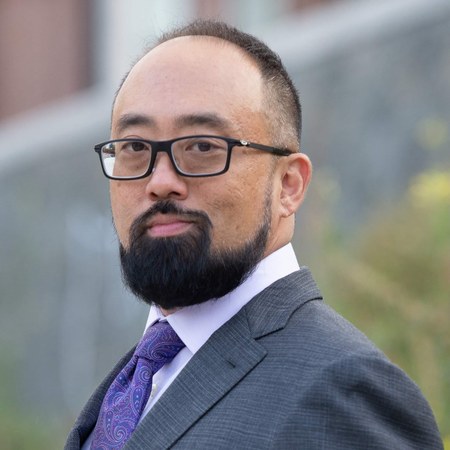
Andy Hu
Andy Hu is a physician-turned-dealmaker who serves as Chief Business Officer of Augustine Therapeutics, a Leuven and Cambridge biotech advancing next-generation selective HDAC6 inhibitors for neuromuscular, neurodegenerative, and cardio-metabolic diseases. He joined permanently in April 2025 after a stint as advisor, fresh off serving as CBO of Arkuda Therapeutics through its acquisition by Johnson & Johnson. Trained as an MD at Baylor with an MBA from Rice and an undergraduate degree from Harvard, Hu has built a career steering life sciences companies through IPOs, partnerships, and acquisitions - from Dimension Therapeutics to Ultragenyx, plus stints in investment banking at Leerink Partners and consulting at Strategic Decisions Group.
Asit Parikh
Asit Parikh is a physician-scientist turned biotech chief executive who runs MOMA Therapeutics, a Cambridge, Massachusetts company built around the idea of systematically drugging molecular machines - the highly dynamic, shape-shifting proteins that most drug hunters avoid. An MD-PhD trained at Vanderbilt with clinical roots in gastroenterology, he spent two decades at Millennium and Takeda, where he helped steer the inflammatory bowel disease drug vedolizumab (Entyvio) from research to global blockbuster, before taking the CEO seat at MOMA in 2021. He has since raised a $150 million Series B and signed a roughly $2 billion partnership with Roche to push precision cancer medicines toward the clinic.
Bernard Ravina
Bernard Ravina is a Johns Hopkins-trained neurologist who spent two decades treating people with dystonia before deciding the field needed a drug that did not yet exist. In 2025 he founded Vima Therapeutics in Cambridge, Massachusetts, and is its CEO, advancing VIM0423, a once-daily oral therapy aimed at the dopamine-acetylcholine imbalance behind movement disorders. The company emerged from stealth with a $60 million Series A, later extended to $100 million, and dosed its first Phase 2 dystonia patient in March 2026.
Blaine McKee
Blaine McKee is the president and CEO of Walden Biosciences, a Cambridge, Massachusetts biotech building first-in-class medicines that go after the kidney itself instead of just slowing the road to dialysis. A chemist turned dealmaker turned operator, he launched Walden with a $51 million Series A in 2020 and now steers two clinical-stage programs: WAL0921, an anti-suPAR antibody, and WAL0623, a small-molecule dynamin stabilizer. Before Walden he spent 15 years at Genzyme and held top corporate-development roles at Shire and ImmunoGen, pairing an MIT organic-chemistry PhD with an MIT Sloan finance MBA.
Catherine Sabatos-Peyton
Catherine Sabatos-Peyton is a cancer immunologist turned biotech CEO who runs Larkspur Biosciences, a Cambridge, Massachusetts company building small-molecule drugs that attack cancer's ability to hide from the immune system. As a Harvard PhD student she helped first describe TIM-3, now a major checkpoint protein; she later led discovery of the anti-TIM-3 antibody sabatolimab at CoStim and Novartis. In 2021 she stepped from the lab bench to the corner office, and now leads an all-female executive team whose lead drug, the PIP4K2C degrader LRK-4189, entered human trials in late 2025.
Jason Cole
Jason F. Cole is the founding CEO and board member of Zag Bio, a Cambridge, Massachusetts biotech that launched in October 2025 with $80 million to develop thymus-targeted medicines for autoimmune diseases, starting with Type 1 diabetes. A lawyer by training with a J.D. from Columbia and an A.B. in Government from Dartmouth, Cole has spent more than two decades in biotech operations and finance. At bluebird bio he helped grow the company from roughly 100 to 1,200 employees, raised over $3.7 billion in equity financings, and helped deliver multiple first-in-class gene and cell therapies to patients. He most recently led SalioGen Therapeutics as CEO and Board Chair, and serves as Vice Chair of the MassBio board.
Jennifer Bergheiser
Jennifer Bergheiser is the Chief Business Officer of eGenesis, the Cambridge biotech turning gene-edited pig organs into a real answer to the transplant waitlist. She runs corporate strategy and all portfolio and commercial development, drawing on more than two decades across big pharma, venture capital, and consulting. Her resume runs from screening deals at Domain Associates to steering the blockbuster autoimmune drug Stelara at Centocor/Johnson & Johnson. At eGenesis she helps commercialize one of medicine's boldest bets: organs grown in pigs, edited dozens of times over, transplanted into living humans.
Kevin Marks
Kevin Marks is the co-founder, President and CEO of Delphia Therapeutics, a Cambridge, Massachusetts biotech pioneering 'activation lethality' - a contrarian approach that kills cancer by overdriving the very oncogenes other drugs try to switch off. A two-decade cancer drug hunter who helped advance three FDA-approved medicines at Agios and led oncology drug discovery at Novartis, Marks built Delphia as an entrepreneur-in-residence at GV (Google Ventures), launching it in 2024 with a $67 million Series A.
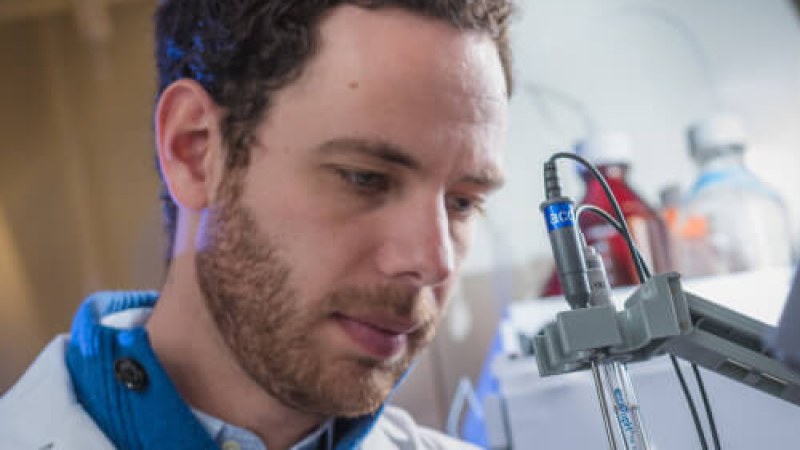
Michael Goldberg
Michael Goldberg is the founder and CEO of SURGE Therapeutics, a Cambridge, Massachusetts biotech pioneering intraoperative immunotherapy. His idea is deceptively simple: when a surgeon removes a solid tumor, don't leave the cavity empty - fill it with an injectable, biodegradable hydrogel that releases immune-activating medicine right where cancer is most likely to return. A trained chemist who earned a PhD at MIT under Robert Langer and did postdoctoral work with Nobel laureate Phillip Sharp, Goldberg became a Harvard Medical School professor before leaving academia to translate his lab's discovery into the clinic. SURGE has raised roughly $58M, cleared an FDA IND, and completed Phase 1 dosing of its lead program ahead of a registrational trial in triple-negative breast cancer.
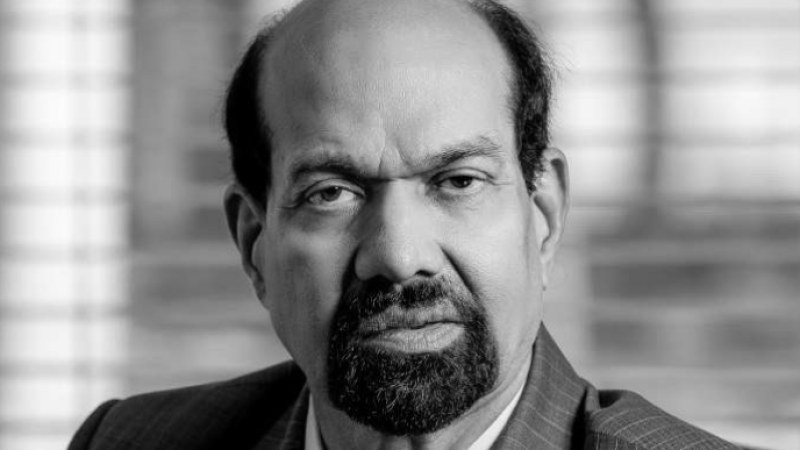
Shashi Kori
Shashi Kori is a neurologist and neuro-oncologist turned biotech founder, and the co-founder and CEO of Novilla Pharmaceuticals, a Cambridge-based company using a proprietary AI model to design transdermal formulations that deliver drugs to the site of action while minimizing systemic effects. Before Novilla, he spent decades building pain programs at Duke and the University of South Florida and led clinical development at GlaxoSmithKline, Allergan, MAP Pharmaceuticals and Autonomic Technologies. He partnered with Dr. Eric Fossel in 2019 to merge their drug-delivery innovations into Novilla's pipeline, led by lead candidate NOV-1776.
Howard Davis
Howard Davis, Ph.D., is the CEO of Akamis Bio, a clinical-stage oncology company in Cambridge, Massachusetts building tumor gene therapies on its proprietary T-SIGn platform. A chemical engineer turned biomedical engineer, he spent two decades moving between Boston Consulting Group, Novartis, Biogen, Flagship Pioneering and Atlas Venture before taking the top job at the company once known as PsiOxus. His current mission: prove that an adenoviral therapy delivered through a vein - not a needle into the tumor - can reach metastatic cancer the body has hidden, and turn those tumors against themselves.
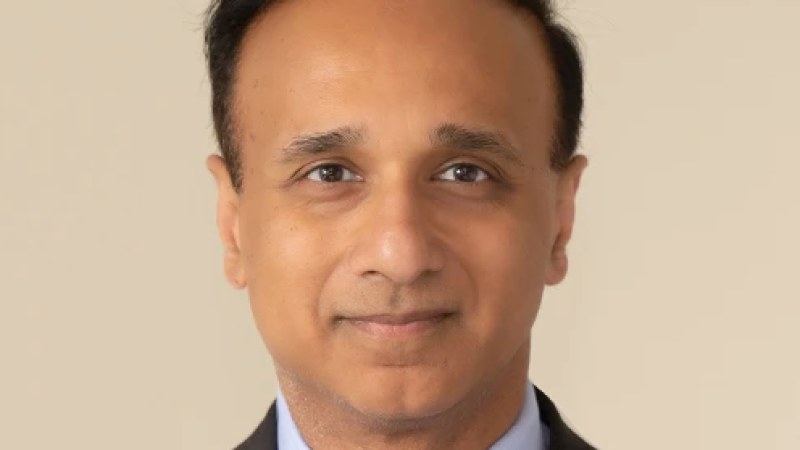
Mathai Mammen
Mathai Mammen is the Chairman, CEO and President of Parabilis Medicines (formerly FogPharma), a Cambridge biotech going after cancer targets long written off as undruggable. A trained physician-chemist who co-founded Theravance out of grad school and later ran R&D at Merck and Johnson & Johnson, he has had a hand in the discovery or development of roughly 19 approved medicines. At Parabilis he is betting on Helicon peptides - engineered molecules that slip inside cells to hit protein-protein interfaces small molecules and antibodies cannot reach.