alzheimers
(23)
StartUp Health Wants to Put the Right People in the Room
A $499 annual membership is the latest expression of a 15-year bet: health startups need buyers, backers, and each other. StartUp Health is turning that belief into a business built around shared medical missions.
The Toy Guys Who Sold 750,000 Robot Cats to Fight Loneliness
A former Hasbro team took a $60-to-$180 robotic cat, aimed it at grandparents instead of grandkids, and turned play into a public-health tool. State agencies now hand the pets out by the thousands.
Eli Lilly and Company
The company that mass-produced insulin now runs on a molecule that helps people lose weight. Inside the 150-year-old Indianapolis drugmaker that became a trillion-dollar bet on metabolism.

Neuroglee Health
Neuroglee Health is a Boston-based digital health company building value-based, at-home dementia and cognitive care. It pairs a virtual interdisciplinary clinical team - advanced practice nurses, social workers, pharmacists and care navigators supervised by neurologists and geriatric psychiatrists - with evidence-based digital therapeutics to support patients with mild cognitive impairment through late-stage dementia and their care partners. Founded in 2020 by Aniket Singh Rajput, the company works with Mayo Clinic on its Neuroglee Connect platform and participates in the CMS GUIDE Model to deliver comprehensive, longitudinal dementia care to Medicare beneficiaries at no cost to families.
Therini Bio, Inc.
Therini Bio is a clinical-stage biotechnology company developing fibrin-targeting immunotherapies for neurodegenerative and retinal diseases driven by vascular dysfunction. Founded in 2019 on the neurovascular research of Dr. Katerina Akassoglou at UCSF and the Gladstone Institutes, the company's lead antibody THN391 selectively blocks fibrin's inflammatory epitope to halt chronic neuroinflammation without interfering with normal blood clotting. Backed by roughly $145M in total funding from investors including Eli Lilly, Sanofi Ventures, Merck's MRL Ventures and the Dementia Discovery Fund, Therini is advancing THN391 into Phase 1b trials for Alzheimer's disease and diabetic macular edema.
Ceresti Health
Ceresti Health is a Carlsbad, California digital-health company that turns family caregivers into the front line of dementia care. Through a cell-enabled tablet, weekly one-on-one coaching from a personal care navigator, and claims-driven predictive analytics, Ceresti helps spouses and adult children spot the small changes - a urinary tract infection, a missed medication - that otherwise snowball into costly hospitalizations. The company sells to Medicare Advantage plans, ACOs, and providers operating under the CMS GUIDE payment model, and backs its program with a documented cost-savings guarantee: more than 50% fewer avoidable hospitalizations and roughly $6,800 in medical savings per enrolled patient per year.
Switch Therapeutics
Switch Therapeutics is a South San Francisco preclinical biotech building conditionally activated siRNA (CASi) therapies that only switch on inside the cell types where they're needed. The platform - born from research at Caltech, Harvard and City of Hope - aims to make RNA interference safe enough for the brain, with a lead program targeting APOE for Alzheimer's disease.
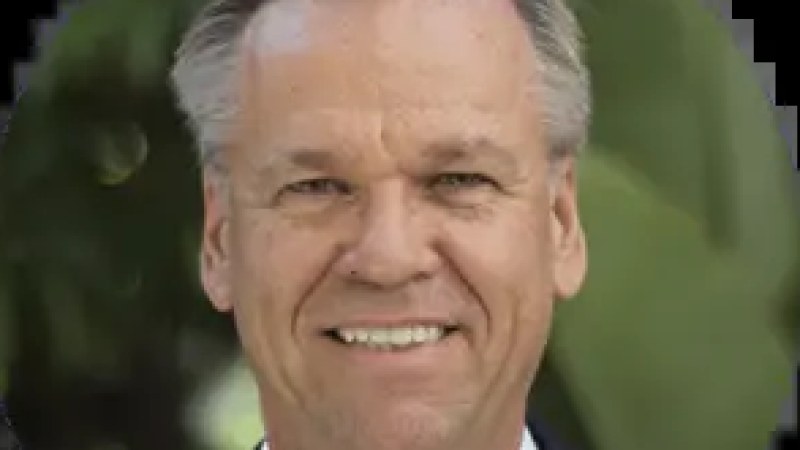
Dirk Soenksen
Dirk Soenksen is the co-founder and CEO of Ceresti Health, a Carlsbad, California digital-health company that treats the family caregiver as the unit of care for people living with dementia. An engineer by training, he first reshaped a corner of medicine by founding Aperio, the company that turned the glass microscope slide into a digital image and became the global leader in digital pathology before Danaher's Leica Biosystems acquired it in 2012. A coffee on his last day at Leica sent him into a second act: instead of imaging the brain, he set out to support the overwhelmed spouses and adult children caring for it.

Unlearn.AI
Unlearn.AI is a San Francisco biotech-AI company that builds disease-specific machine learning models to generate digital twins of clinical trial participants - longitudinal predictions of how each patient would have fared on placebo. Folded into a statistical method called PROCOVA and a trial design called TwinRCT, the approach lets sponsors shrink control arms by up to a third, so more patients receive the experimental drug while trials reach answers faster. Founded in 2017 by physicists Charles Fisher, Aaron Smith and Jon Walsh, the company has raised about $130M and earned a first-of-its-kind EMA qualification for an AI-based method to reduce sample size in pivotal trials.

AltPep
AltPep is a Seattle biotech company spun out of the University of Washington that is building both diagnostic tests and disease-modifying drugs for amyloid diseases such as Alzheimer's and Parkinson's. Its work is anchored on the alpha-sheet, a non-standard protein structure discovered by founder and CEO Valerie Daggett, which forms in the toxic soluble oligomers that appear at the earliest, pre-symptomatic stages of disease. AltPep's SOBA blood test aims to flag those toxic oligomers years before symptoms, while its SOBIN peptide therapeutics are designed to neutralize them.
Bexorg, Inc.
Bexorg is a New Haven techbio company that perfuses donated, postmortem human and pig brains with custom-made artificial blood to restore their molecular and metabolic activity, turning whole organs into living-tissue testbeds for drug discovery. Its BrainEx wet-lab platform and XO Digital AI engine generate petabyte-scale human brain datasets that let pharmaceutical partners test therapies in human-relevant tissue before costly clinical trials - a direct response to the roughly 95% failure rate of central-nervous-system drugs.
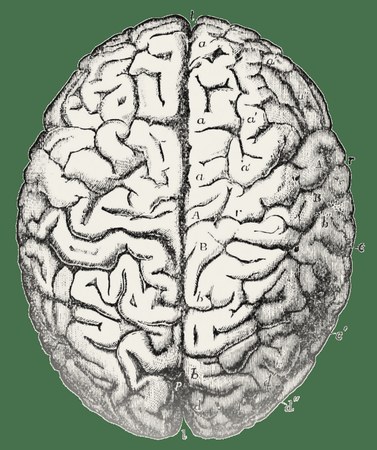
Cajal Therapeutics
Cajal Therapeutics (originally launched as Cajal Neuroscience) is a Seattle biotechnology company developing novel medicines to restore biological homeostasis, with a focus on neurodegenerative diseases, anemias of inflammation, and iron-related disorders. Built on a platform that pairs integrative human genetics, high-throughput functional genomics, and industrialized whole-brain imaging with deep neuroscience expertise, the company aims to systematically validate disease targets at unprecedented scale and translate them into small molecule and RNA therapeutics. It launched in November 2022 with a $96 million Series A and counts a roster of celebrated neuroscientists among its co-founders.
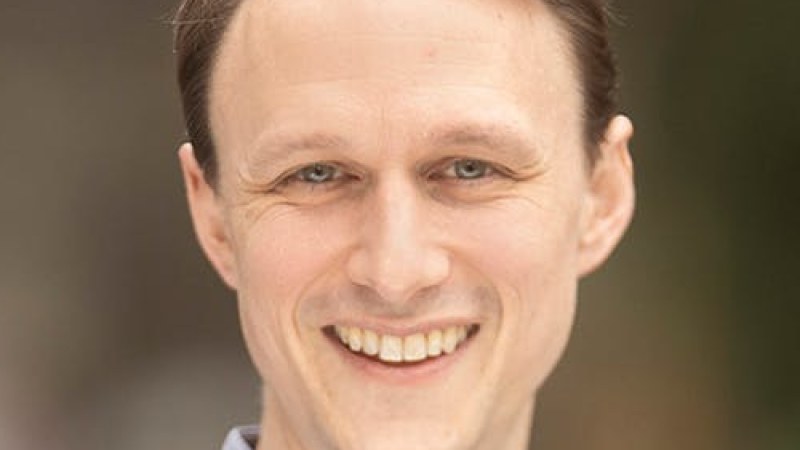
Andrew Dervan
Andrew Dervan is the Co-Founder and Co-CEO of Cajal Neuroscience (Cajal Therapeutics), a Seattle biotech that launched in 2022 with $96 million to rethink how drugs for Alzheimer's, Parkinson's, and other neurodegenerative diseases are discovered. A Harvard-trained physician with an MBA from Harvard Business School and a BA from Yale, he spent years leading cell therapy and immuno-oncology business development at Celgene and Bristol Myers Squibb. Unusually for a biotech CEO, he still sees patients as a practicing clinical geneticist at the University of Washington, evaluating people with adult-onset neurological conditions.
OncoC4, Inc.
OncoC4, Inc. is a Rockville, Maryland clinical-stage biopharmaceutical company building first-in-class and best-in-class antibody therapies for hard-to-treat cancers and Alzheimer's disease. Founded by immunologists Yang Liu and Pan Zheng, the company discovered the innate immune checkpoint CD24-Siglec-10 and is advancing a pipeline led by gotistobart (ONC-392), a next-generation anti-CTLA-4 antibody partnered with BioNTech, alongside SIGLEC10, PD-1/VEGF, and CD24-targeting programs.
Retro Biosciences
Retro Biosciences is a clinical-stage longevity biotech in Redwood City, California with a single, unsubtle goal: add ten healthy years to the human lifespan. Founded in 2018 and launched publicly in 2021 with $180 million from OpenAI CEO Sam Altman, the company attacks aging at the cellular level across three platforms - autophagy enhancement, cellular reprogramming, and plasma-inspired therapeutics. Its lead drug, RTR242, an autophagy-restoring small molecule aimed at Alzheimer's disease, entered a first-in-human Phase 1 trial in 2025. A 2026 raise valued Retro at $1.8 billion.
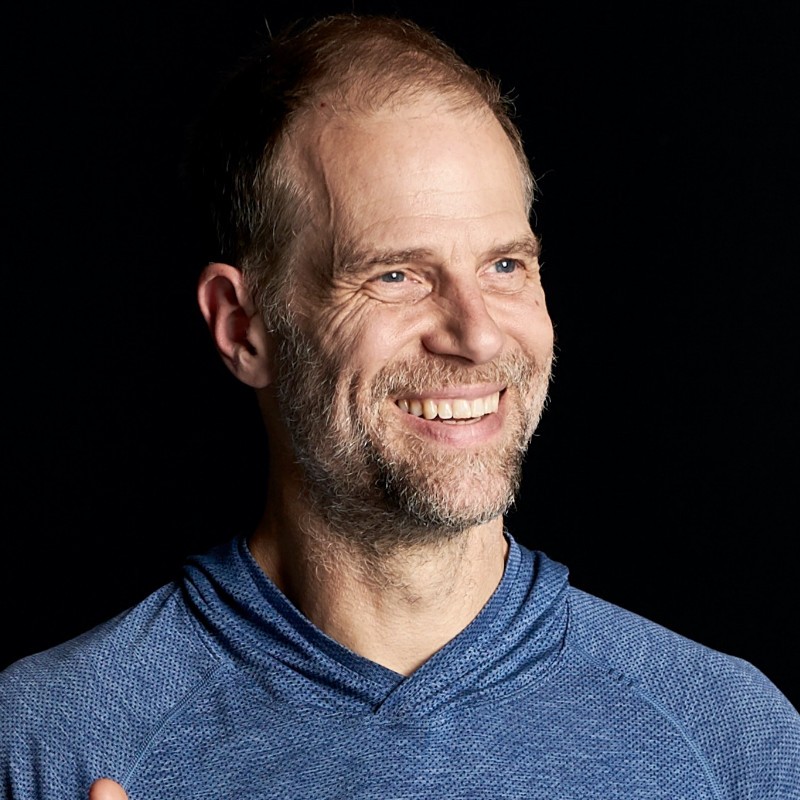
Joe Betts-LaCroix
Joe Betts-LaCroix is the co-founder and CEO of Retro Biosciences, a San Francisco longevity biotech on a mission to add 10 healthy years to the human lifespan. A scientist-turned-serial-entrepreneur who once held a Guinness World Record for building the world's smallest Windows PC, he now leads a company backed by OpenAI's Sam Altman, valued at $1.8 billion in 2026, that has run an Alzheimer's clinical trial and co-developed a longevity-focused AI model with OpenAI. He came to biology by an unlikely route: a D-average high schooler who tinkered in shared houses, then earned straight A's, transferred to Harvard, and did research at MIT and Caltech before co-discovering principles of electron transfer in proteins.
Neural Galaxy
Neural Galaxy (also operating as Galaxy Brain Scientific) is a Beijing-based brain science company building a precision, non-invasive neuromodulation platform. Its proprietary personalized Brain Functional Sectors (pBFS) technology maps over 200 functional regions of an individual brain, then guides targeted transcranial magnetic stimulation with millimeter accuracy. Founded in 2019 by Harvard and MIT neuroscientists with serial entrepreneur Coach Wei, the company is running clinical and registration trials across depression, Parkinson's, Alzheimer's, autism and aphasia, and has raised roughly $93M to date.

Leal Therapeutics
Leal Therapeutics is a Worcester, Massachusetts biotech founded in 2021 by repeat CNS entrepreneur Asa Abeliovich, the scientist behind Prevail Therapeutics (acquired by Eli Lilly). Leal builds first-in-class neuro-metabolic medicines on a single idea: many brain diseases share a broken metabolism, and correcting those imbalances can treat conditions from schizophrenia to ALS. Backed by roughly $114M in total funding, its pipeline includes LTX-001, a brain-penetrant oral glutaminase inhibitor in the clinic, and LTX-002, an antisense oligonucleotide for ALS.
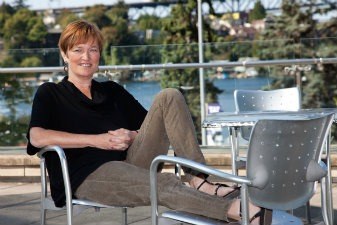
Valerie Daggett
Valerie Daggett is a University of Washington bioengineering professor turned biotech founder who spent three decades running the world's largest collection of protein-folding simulations, stumbled onto a structure nature was not supposed to make, and built a company around it. As founder and CEO of Seattle-based AltPep, she is commercializing the alpha-sheet: a strange protein geometry her lab predicted on a computer before anyone confirmed it in a test tube. Her SOBA-AD blood test, which spots toxic amyloid oligomers years before symptoms, earned FDA Breakthrough Device Designation and put her at the front of the race to catch Alzheimer's early.
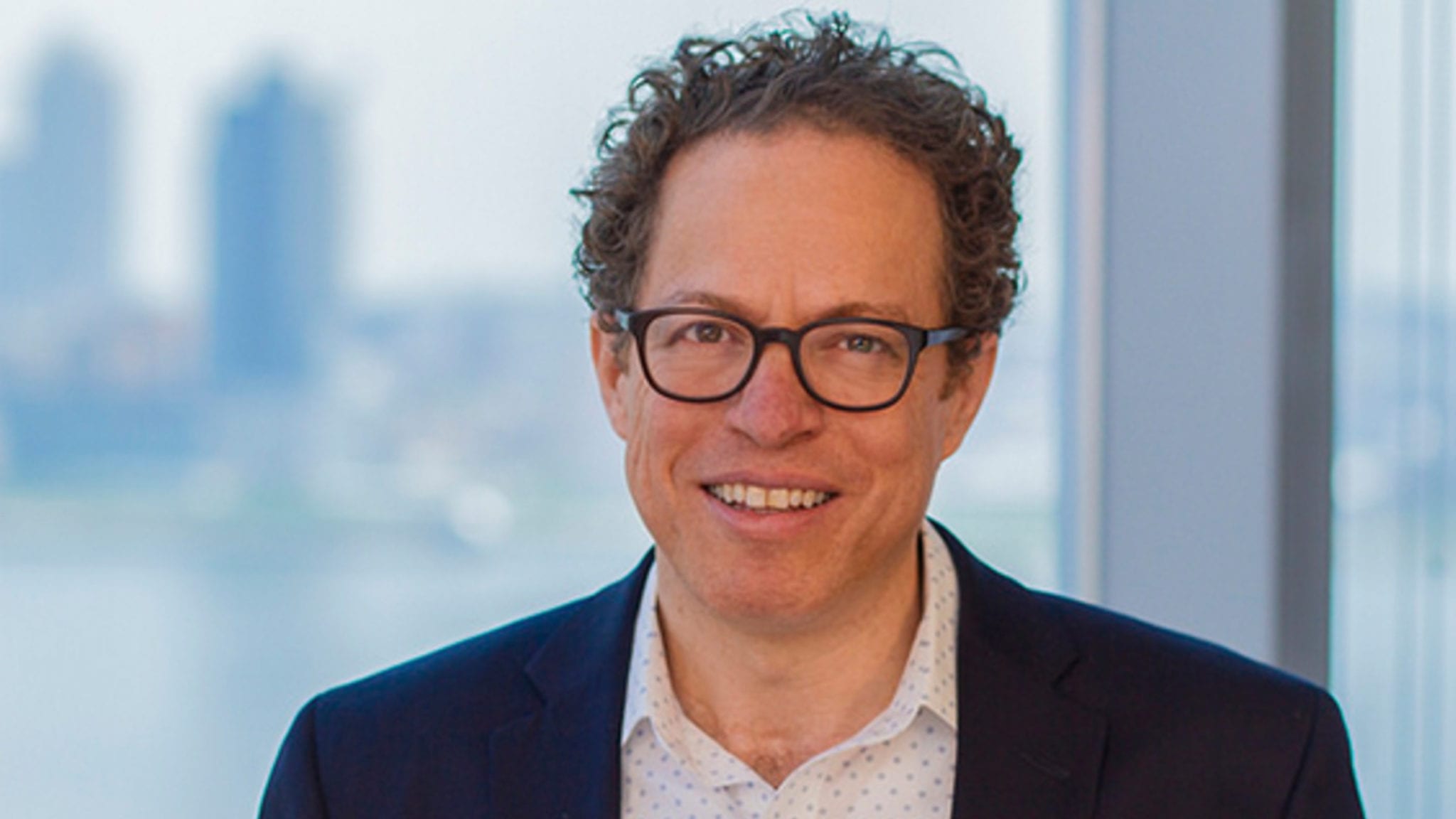
Asa Abeliovich
Asa Abeliovich is a physician-scientist turned serial biotech founder who spent two decades at the lab bench at Columbia before deciding the only way to get his ideas into patients was to start companies. He co-founded Alector, founded and sold Prevail Therapeutics to Eli Lilly for about $1 billion, and now runs Leal Therapeutics, a Worcester startup chasing a contrarian idea: that fixing the brain's broken metabolism can treat everything from schizophrenia to ALS to Alzheimer's. Leal spent over two years in stealth before surfacing with a clinical-stage pipeline and roughly $114 million raised.
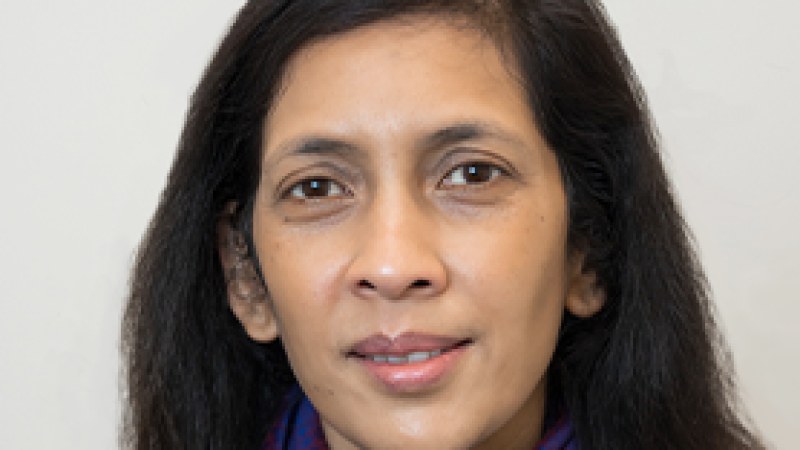
Dee Datta
Dee Datta, Ph.D., is co-founder and CEO of Switch Therapeutics, a San Francisco-based biotechnology company pioneering conditionally activated siRNA (CASi) molecules to treat neurodegenerative diseases and other conditions with significant unmet need. With a PhD from Caltech, an MBA from Stanford, and a career spanning venture capital at The Column Group and Longitude Capital, corporate development at Forty Seven Inc., and the C-suite at XOMA, Datta brings rare scientific depth and dealmaking fluency to one of the most ambitious RNA medicine platforms in the field. Switch raised a $52 million Series A in March 2023 and in late 2024 named its first development candidate - CASi-APOE, a brain-targeted, liver-sparing RNAi therapy aimed at the 60% of Alzheimer's patients who carry the APOE4 gene variant.
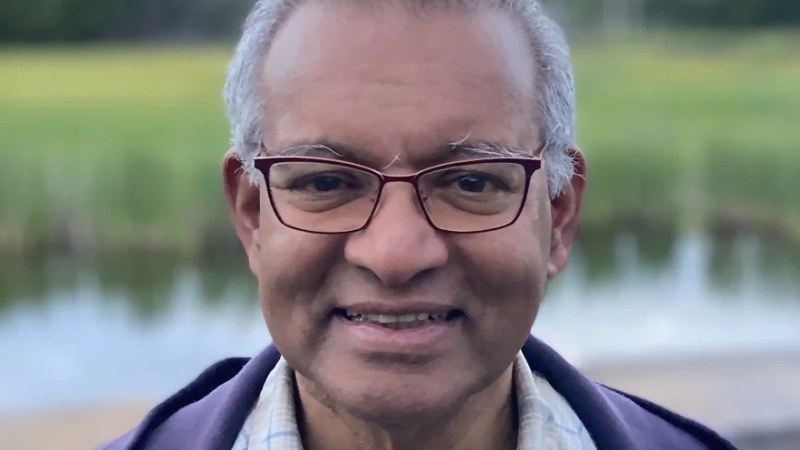
Vishwanath Lingappa
Vishwanath Lingappa is the CEO and CTO of Prosetta Biosciences, a San Francisco-based biotechnology company he founded in 2003 after 22 years as a faculty member at UCSF. An MD-PhD with a doctorate from The Rockefeller University under Nobel laureate Gunter Blobel, Lingappa developed a proprietary Cell-Free Protein Synthesis System (CFPSS) drug discovery platform that targets transient multi-protein complexes - a class of drug targets largely ignored by traditional pharma. His company is pursuing small-molecule therapeutics across neurodegenerative diseases (Alzheimer's, ALS, Parkinson's), oncology, and infectious diseases (COVID-19, HIV, influenza), and won an ARPA-H Dash competition for a pan-cancer drug candidate. With over 157 publications and 12,800+ citations, Lingappa bridges rigorous academia with commercial biotech ambition.
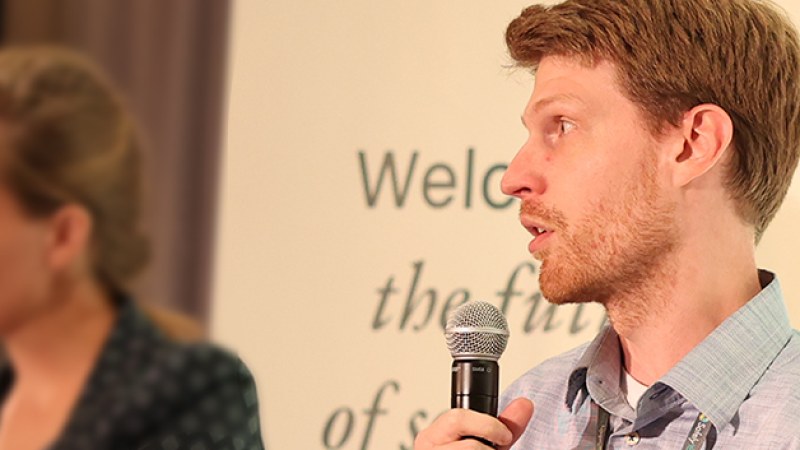
George Netscher
George Netscher is the Founder and CEO of SafelyYou, a San Francisco-based AI company that uses computer vision to prevent falls and elevate dementia care across senior living communities. Netscher launched the company in 2015 as doctoral research at UC Berkeley's AI Research Lab, driven by his family's direct experience with Alzheimer's disease - his grandmother and aunt both had the condition, and his mother cared for them while working as a physician. SafelyYou's ambient sensor platform now serves nearly 1,000 senior living communities, has raised over $134 million in total funding including a $43 million Series C in 2025, and has been shown to reduce falls by 40% and fall-related ER visits by up to 80%. In May 2025, Netscher was elected to the Argentum Board of Directors, the leading national senior living industry association.