als
(18)
Say It With Your Eyes
Tobii Dynavox turns eye movements into speech for people who have lost their voice. Here is how a Pittsburgh-and-Stockholm company built the tools that let hundreds of thousands of people be heard.

ProJenX
ProJenX is a New York City clinical-stage biotechnology company developing prosetin, a first-in-class, oral, brain-penetrant MAP4K inhibitor for amyotrophic lateral sclerosis (ALS) and other neurodegenerative brain diseases. Spun out of a two-decade collaboration between the nonprofit Project ALS and Columbia University researchers, ProJenX is built on the discovery that inhibiting MAP4 kinases protects motor neurons across multiple patient-derived stem cell models of ALS. The company is running the PRO-101 Phase 1b trial in people living with ALS.
J. Robert Coleman
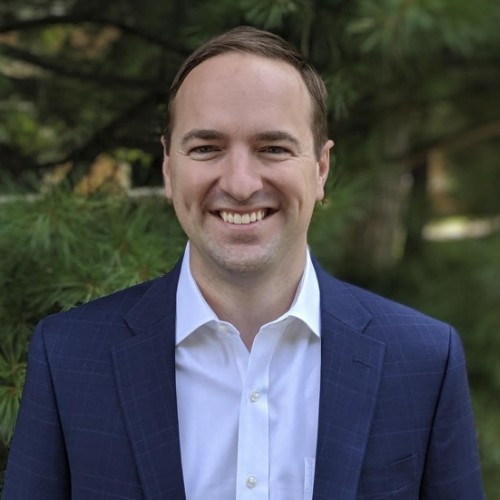
J. Robert Coleman, PhD, MBA, is Chairman and CEO of HERVolution Therapeutics, a Copenhagen-based biotech developing immunotherapies that target human endogenous retroviruses (HERVs) - the ancient viral DNA lodged in the dark genome that reawakens in cancer, aging, and neurodegeneration. A trained virologist, he co-founded Codagenix, where he built a synthetic-biology vaccine platform into a clinical-stage pipeline and raised nearly half a billion dollars before pivoting to HERVs in late 2023.
Stan Abel
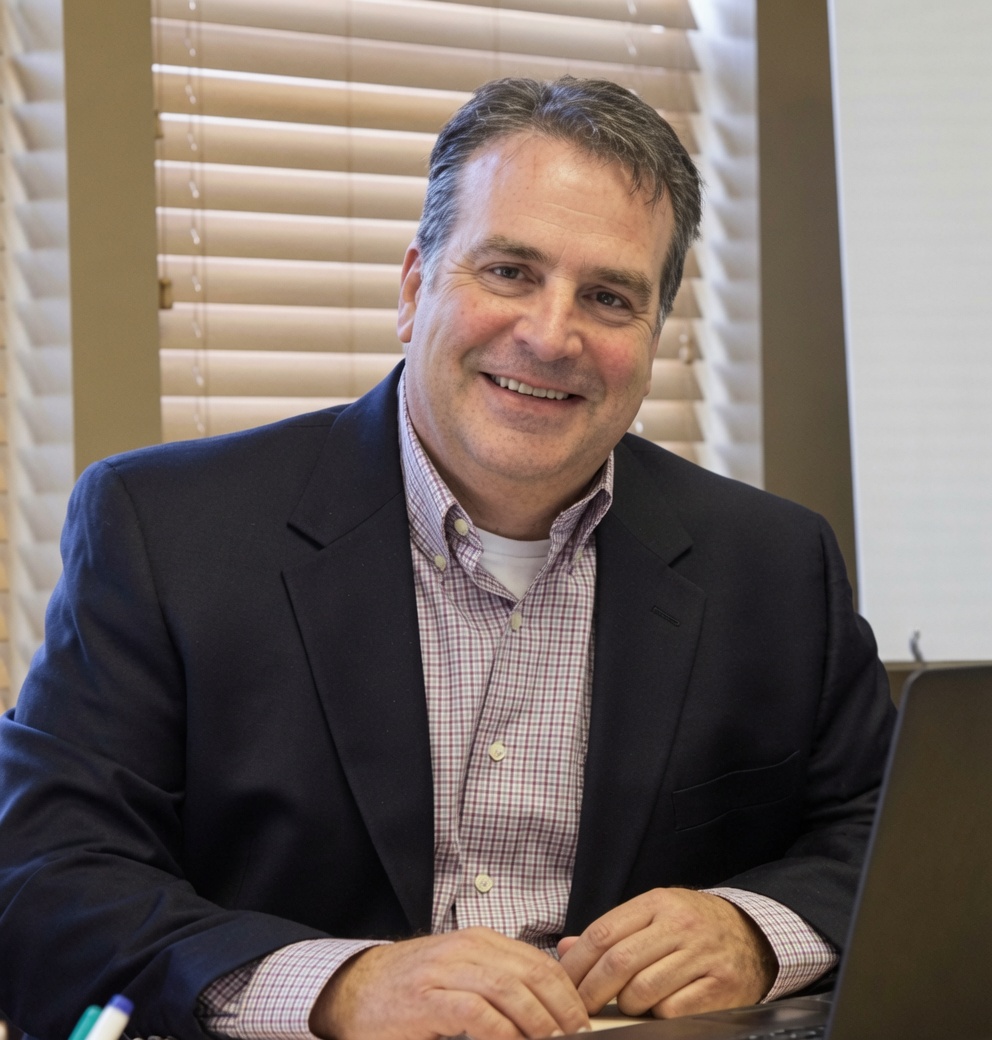
Stan Abel is President and CEO of ProJenX, a clinical-stage biotech spun out of Columbia University research and Project ALS, racing to get its lead drug prosetin - an oral MAP4K inhibitor - into ALS patients after two decades of laboratory work and a $15 million Series A.

Prosetta Biosciences Inc
Prosetta Biosciences is a San Francisco biotech using a proprietary cell-free protein synthesis and assembly (CFPSA) platform to discover small-molecule 'assembly modulators' - drugs that disrupt the multi-protein complexes behind viral infection, cancer, and neurodegeneration. Founded by UCSF physician-scientist Vishwanath Lingappa, the company is advancing candidates against ALS/FTD, Alzheimer's, pan-cancer targets, and antivirals.

Trace Neuroscience
Trace Neuroscience is a South San Francisco biopharmaceutical company developing genomic medicines for neurodegenerative diseases, starting with ALS. Its lead program, TRCN-1023, is an antisense oligonucleotide designed to restore UNC13A protein function - a target genetically validated in roughly 97% of people living with ALS - by correcting the faulty RNA splicing caused by TDP-43 dysfunction. The company launched in November 2024 with a $101 million Series A led by Third Rock Ventures and entered the clinic in 2026.

Unlearn.AI
Unlearn.AI is a San Francisco biotech-AI company that builds disease-specific machine learning models to generate digital twins of clinical trial participants - longitudinal predictions of how each patient would have fared on placebo. Folded into a statistical method called PROCOVA and a trial design called TwinRCT, the approach lets sponsors shrink control arms by up to a third, so more patients receive the experimental drug while trials reach answers faster. Founded in 2017 by physicists Charles Fisher, Aaron Smith and Jon Walsh, the company has raised about $130M and earned a first-of-its-kind EMA qualification for an AI-based method to reduce sample size in pivotal trials.

Augustine Therapeutics
Augustine Therapeutics is a Belgian clinical-stage biotech spun out of VIB-KU Leuven that is building a next-generation class of selective HDAC6 inhibitors for chronic diseases. Using a proprietary non-hydroxamate, non-hydrazide chemotype, the company designs molecules that block HDAC6's harmful catalytic activity while sparing its beneficial functions - aiming to avoid the toxicity that stalled earlier inhibitors. Its lead candidate, AGT-100216, is the first selective HDAC6 inhibitor to enter the clinic for Charcot-Marie-Tooth disease, with a pipeline extending into neurodegenerative and cardio-metabolic indications.
Alice Zhang
Alice Zhang is the CEO and co-founder of Verge Genomics (now Verge Labs), a San Francisco biotech she started in 2015 after walking away from an MD/PhD program at UCLA. She built a company that pairs machine learning with one of the largest collections of human brain tissue to find drug targets for diseases like ALS, Parkinson's and Alzheimer's. A Princeton molecular biology graduate, Soros Fellow and Forbes 30 Under 30 honoree, Zhang turned her inexperience into what she calls a 'superpower,' raising more than $130 million and partnering with Eli Lilly and AstraZeneca before pivoting the company toward selling its data and insights to pharma in 2025.
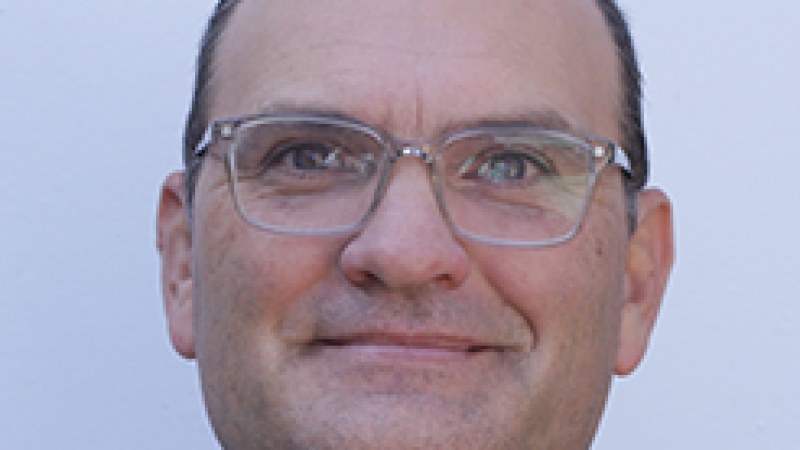
Christopher Reyes
Christopher Reyes is a biophysicist turned serial biotech entrepreneur and the CEO, co-founder, and director of Bloom Science, a San Diego company developing living medicines that harness the gut-brain axis. Bloom's lead program, BL-001, is a first-in-class oral live biotherapeutic designed to replicate the anti-seizure effects of the ketogenic diet, built on technology licensed from UCLA. With a PhD in biophysics from UCSF and a track record that includes a fast-acquired cancer startup, Reyes is betting that genetically optimized gut bacteria can treat pharmacoresistant neurological diseases.

Nura Bio
Nura Bio is a clinical-stage biopharmaceutical company in South San Francisco developing brain-penetrant, small-molecule neuroprotective medicines. Its work centers on SARM1, an injury-activated NAD hydrolase that triggers axon degeneration, an early and common event across many neurological diseases. The lead candidate, NB-4746, is an oral, brain-penetrant SARM1 inhibitor that completed Phase 1 in healthy volunteers and shows protection in preclinical models of ALS, MS, traumatic brain injury and chemotherapy-induced peripheral neuropathy. The company has raised more than $140 million in Series A financing led by The Column Group.
Verge Genomics
Verge Genomics is a South San Francisco biotech that builds drugs from human biology instead of mouse models. By assembling one of the largest proprietary multi-omics datasets drawn directly from human brain and tissue samples, then mining it with machine learning, its CONVERGE platform identifies disease targets and drug candidates for neurodegenerative diseases like ALS, ALS-FTD and Parkinson's. Founded in 2015 by Alice Zhang and Jason Chen, the company famously moved its first AI-discovered drug from research to the clinic in four years. After that ALS candidate failed its early trial, Verge has refocused on its core asset, the platform, repositioning to supply other drug developers with human-grounded target data.

Bloom Science, Inc.
Bloom Science is a San Diego clinical-stage biotech translating the biology of the ketogenic diet into oral live biotherapeutics that act through the gut-immune-brain axis. Built on microbiome research licensed from UCLA and powered by its IrisRx discovery platform, the company is developing BL-001, a once-daily bacterial therapy being studied in obesity and in drug-resistant seizures from Dravet syndrome, with a pipeline reaching toward ALS and neurodegenerative disease.

Leal Therapeutics
Leal Therapeutics is a Worcester, Massachusetts biotech founded in 2021 by repeat CNS entrepreneur Asa Abeliovich, the scientist behind Prevail Therapeutics (acquired by Eli Lilly). Leal builds first-in-class neuro-metabolic medicines on a single idea: many brain diseases share a broken metabolism, and correcting those imbalances can treat conditions from schizophrenia to ALS. Backed by roughly $114M in total funding, its pipeline includes LTX-001, a brain-penetrant oral glutaminase inhibitor in the clinic, and LTX-002, an antisense oligonucleotide for ALS.
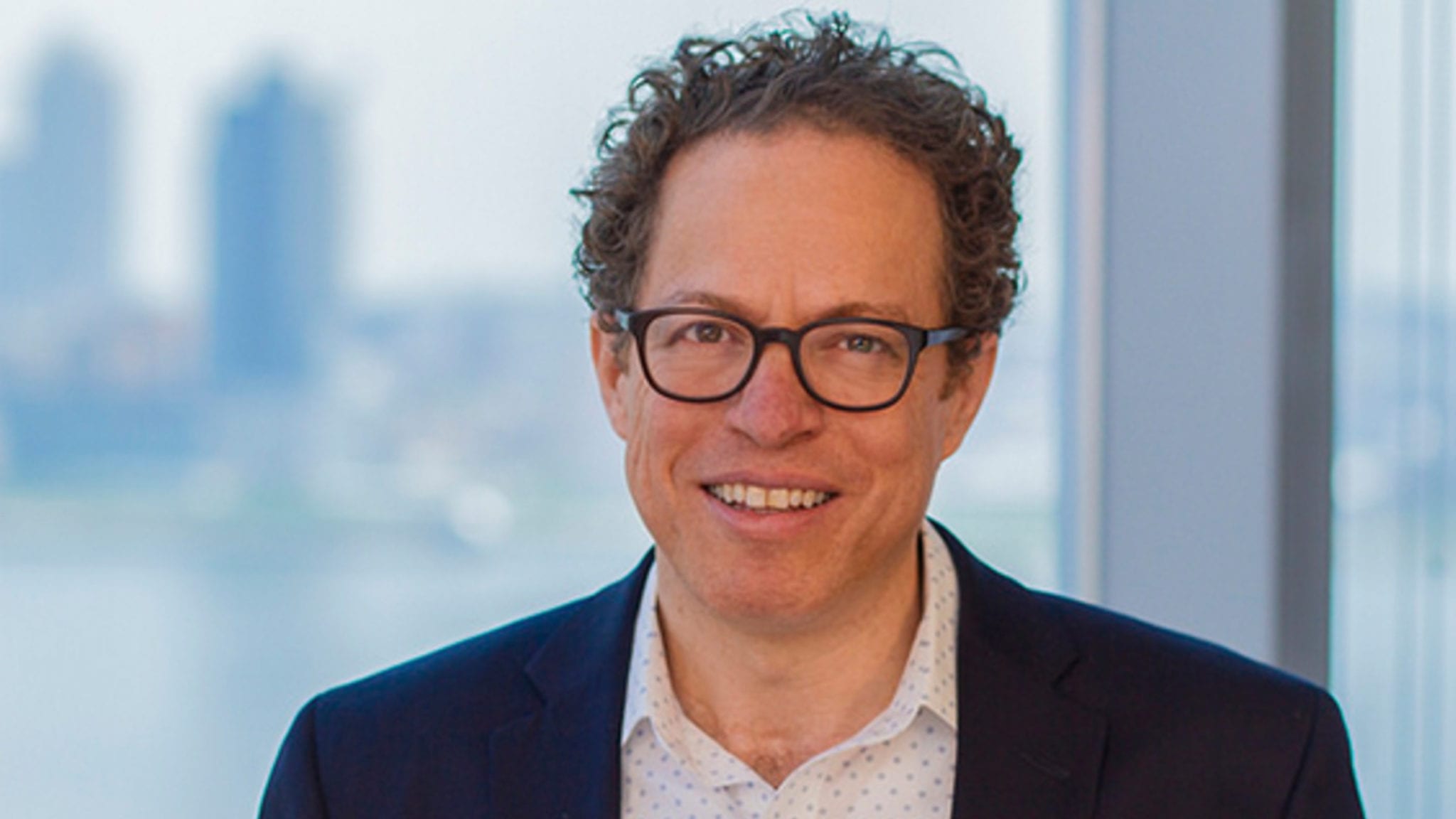
Asa Abeliovich
Asa Abeliovich is a physician-scientist turned serial biotech founder who spent two decades at the lab bench at Columbia before deciding the only way to get his ideas into patients was to start companies. He co-founded Alector, founded and sold Prevail Therapeutics to Eli Lilly for about $1 billion, and now runs Leal Therapeutics, a Worcester startup chasing a contrarian idea: that fixing the brain's broken metabolism can treat everything from schizophrenia to ALS to Alzheimer's. Leal spent over two years in stealth before surfacing with a clinical-stage pipeline and roughly $114 million raised.
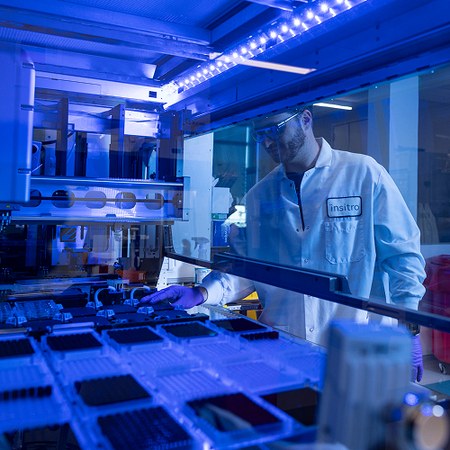
insitro
insitro is a machine-learning-driven drug discovery and development company that uses high-content human data, cellular models and AI to find better targets and design better medicines. Founded in 2018 by Daphne Koller, the company runs its own therapeutic pipeline and partners with large pharma on programs in ALS, metabolic disease and oncology.
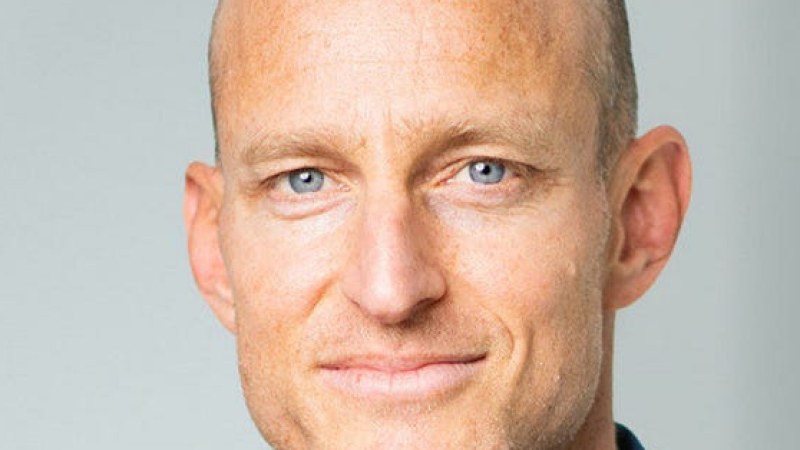
Eric Green
Eric Green is the Founder and CEO of Trace Neuroscience, a South San Francisco biotech company racing to develop the first effective ASO therapy for ALS. A Harvard-and-Stanford-trained physician-scientist with a background in cardiology, Green co-founded iLab Solutions (acquired by Agilent), Respira Design (Stanford $50K Challenge winner), and Maze Therapeutics before launching Trace with a $101 million Series A in November 2024. Trace's lead program targets UNC13A - a protein lost in ALS patients - using an antisense oligonucleotide designed to restore healthy nerve-muscle communication. With clinical trials targeting early 2026, Green is betting human genetics can do for ALS what it did for heart failure.

Vishwanath Lingappa
Vishwanath Lingappa is the CEO and CTO of Prosetta Biosciences, a San Francisco-based biotechnology company he founded in 2003 after 22 years as a faculty member at UCSF. An MD-PhD with a doctorate from The Rockefeller University under Nobel laureate Gunter Blobel, Lingappa developed a proprietary Cell-Free Protein Synthesis System (CFPSS) drug discovery platform that targets transient multi-protein complexes - a class of drug targets largely ignored by traditional pharma. His company is pursuing small-molecule therapeutics across neurodegenerative diseases (Alzheimer's, ALS, Parkinson's), oncology, and infectious diseases (COVID-19, HIV, influenza), and won an ARPA-H Dash competition for a pan-cancer drug candidate. With over 157 publications and 12,800+ citations, Lingappa bridges rigorous academia with commercial biotech ambition.