ramp
(20)
Kimia Hamidi and the price of knowing
He once called friends to find out what their software cost. After selling Buyer to Ramp, Kimia Hamidi is turning the same curiosity toward the paperwork behind government purchases.

Justin Cordero and the art of listening before the next call
Before joining Ramp’s Canadian launch team, Justin Cordero nearly topped Zip’s ranking for listening to sales calls. His route from student work placements to founding inbound SDR offers a quieter view of how a sales career takes shape.

Gabriel Rogoff and the job with no predecessor
After Oracle and Deloitte, Gabriel Rogoff joined Ramp as its first technical account manager. His story turns on a deceptively practical question: how much of your working day do you get to shape?

Cecilia Cai and the questions that travel
Before joining Ramp’s Canadian expansion, Cecilia Cai studied international relations, examined a television resort’s politics, and helped edit a student journal. Her route into fintech began with questions about how institutions work.

Karim Atiyeh and the Art of the Invisible Task
The Ramp co-founder built a career by noticing the tiny chores everyone else accepts. Now, as co-CEO, he is trying to make finance software do the work before anyone has to ask.

Ramp and BILL Are Fighting to Own Every Company Dollar
BILL bought Divvy to move beyond paying invoices. Now its fight with Ramp is a contest over who gets to control business spending before, during, and after the swipe.

Ramp and BILL Are Selling Two Different Kinds of Control
The expense tools look increasingly alike. The choice comes down to whether finance wants a standalone command center or spend management inside a broader back-office suite.

NetSuite Already Has The Controls So Why Bolt On Ramp
NetSuite bakes spend controls and approval workflows straight into its general ledger. So the finance team's real decision is not which tool wins, but whether to run the module they already own or bolt Ramp's card platform on top of it.

The Venture Firm That Bought a Hospital
General Catalyst spent 25 years turning startups into giants. Then it did something no venture firm had done before - it bought a hospital.

The Fund That Bets on 30 Companies and Backs Teenagers
While rivals raise billion-dollar megafunds, A* is doing the opposite: fewer bets, bigger conviction, and a willingness to wire money to founders who are not old enough to rent a car.

The Spend Stack Is Shrinking Before Your Eyes
Ramp, BILL and Emburse still compete for the finance desk. Airbase and Center now live inside larger companies, changing what buyers are really choosing.
Patrick Anderson
Patrick Anderson is Co-Founder and CTO of Moab, a New York based startup building a modern operating system for equipment rental and dealership businesses. He was previously Head of Core Engineering at Ramp, joining the fintech as its 11th employee. In February 2026 Moab emerged from stealth with $16M in combined Seed and Series A funding backed by Elad Gil and Ironspring Ventures.

Eric Glyman
Eric Glyman is the co-founder and CEO of Ramp, the New York fintech that turned the corporate credit card upside down by rewarding companies for spending less, not more. A Las Vegas native and Harvard economics graduate, he first built the price-tracking app Paribus, sold it to Capital One in 2016, then launched Ramp in 2019 with Karim Atiyeh and Gene Lee. In under seven years he grew Ramp to more than 40,000 business customers and a $32 billion valuation, championing a vision of AI-run 'self-driving money' where finance work happens in the background without anyone asking.

OPT Industries
OPT Industries is an MIT-spun materials foundry in Medford, Massachusetts that built the world's first roll-to-roll 3D printing platform, RAMP. By pairing computational design software with continuous additive manufacturing, OPT prints micron-precise materials at unlimited length and high volume - producing everything from the InstaSwab COVID-19 nasal swab to flockless cosmetic applicators and false eyelashes. The pitch is simple: one process, endless possibilities.

Jareau Wadé
Jareau Wadé is a payments entrepreneur, operator, and writer who has spent roughly 15 years building commerce and payments infrastructure. He co-founded Balanced (acquired by Stripe in 2015) and helped scale Finix as its Chief Growth Officer, and now leads product partnerships at Ramp. He writes Batch Processing, a widely-read newsletter dissecting the people, companies, and ideas driving fintech. A Tucson native and UPenn-trained electrical engineer who taught in Ghana before the Bay Area, he relocated to Atlanta and invests in and advises early-stage founders, with a focus on Black entrepreneurship.

Kyle Harrison
Kyle Harrison is a General Partner at Contrary, the talent- and research-driven venture capital firm based in San Francisco. He joined in 2022 to co-found the firm's later-stage investment practice, bringing nearly a decade of experience from Index Ventures, Coatue Management, and TCV, where he backed companies including Ramp, Pave, Anduril, GitLab, Databricks, Snowflake, Figma, and Robinhood. Beyond deploying capital, Harrison built Contrary Research - one of the largest private market research platforms in the world, with 100,000+ subscribers and 500+ published reports. He also publishes the Investing 101 newsletter on Substack (26,000+ subscribers) and co-authored 'The Anduril Thesis,' a 300-page deep dive that took two years and 500+ sources to produce. Married to Camden, father of four, and a member of The Church of Jesus Christ of Latter-Day Saints.

Daniel Bessonov
Daniel Bessonov is the co-founder and CEO of Avora, a Y Combinator- and CRV-backed AI platform that deploys intelligent agents for dental operations - automating clinical documentation, coaching providers on case acceptance, and following up with patients. Before Avora, he architected core payment features at Ramp, built UAV encryption at Anduril, and led product intelligence at Wispr AI. A Penn M&T graduate (CS + Finance), he became a Top 25 App Store developer at age 14 and has spent the decade since compressing complex AI problems into products clinicians actually use.
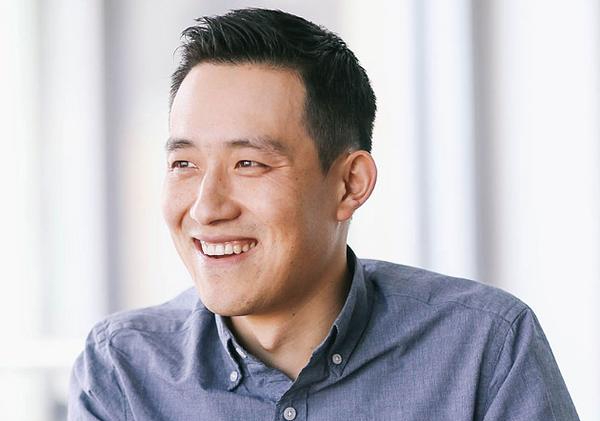
Ethan Choi
Ethan Choi is a Partner at Khosla Ventures leading the firm's Growth Fund, where he writes checks between $15M and $70M into cloud infrastructure, SaaS, enterprise, and consumer internet companies from Seed through Series C. Before joining Khosla in 2024, he was a Partner at Accel, where he backed Klaviyo (now NYSE: KVYO), 1Password, and Pismo (acquired by Visa). His investing philosophy pivoted from metrics-first to founder-first — he now spends 90% of his diligence energy on the people rather than the numbers. A former LDS missionary who spent two years in South Korea, Choi is an unusually direct voice on AI's disruption of white-collar work and the coming robotics inflection point.
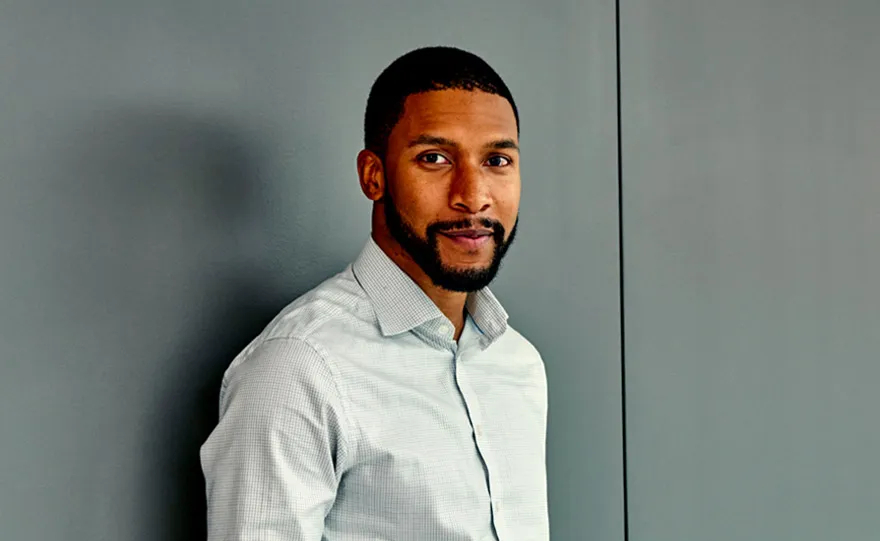
Isaiah Boone
Isaiah Boone is a Partner on Sequoia Capital's growth team, focusing on enterprise applications, infrastructure, commerce, and marketplaces. A Pomona College math and statistics graduate, he cut his teeth at RBC Wealth Management and Leonard Green & Partners before joining Sequoia in December 2020. His portfolio includes category-defining companies like Ramp, Rippling, Mercury, Meter, Faire, and Island - businesses reshaping how companies manage money, people, and infrastructure.
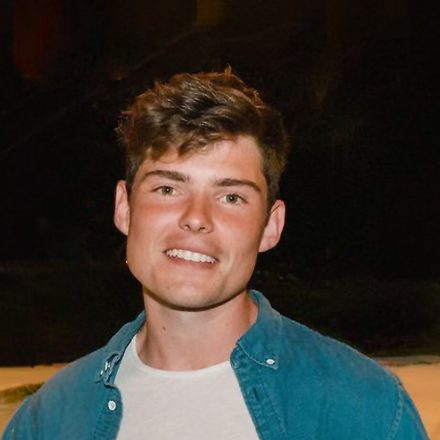
Lachy Groom
Lachy Groom is an Australian-born serial entrepreneur turned Silicon Valley solo capitalist who built and sold multiple companies before turning 18, spent 6+ years as employee #30 at Stripe rising to Head of Stripe Issuing, then became one of tech's most prolific angel investors (200+ companies including Figma, Notion, Ramp, OpenAI, Anduril) before co-founding Physical Intelligence in 2024 - a robotics AI company building general-purpose foundation models for robots that has since reached a $5.6B+ valuation.