stripe
(44)
Myers-Holum makes the handoffs work.
A sale, a shipment, a payment. Each looks simple until it crosses into another system. Myers-Holum builds the connections that keep a growing business from tripping over its own software.
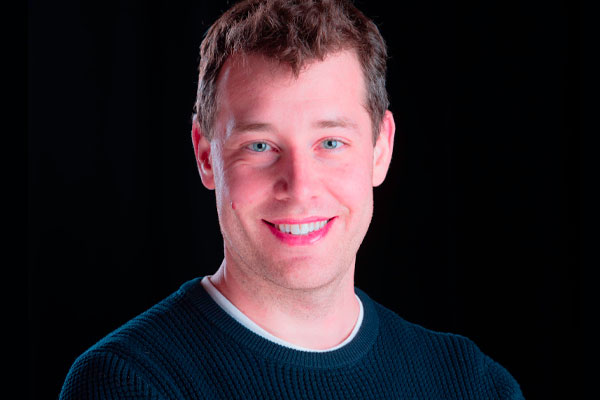
Cosmin Nicolaescu Has a Problem with Getting Comfortable
After helping Stripe and Brex grow, Cosmin Nicolaescu went back to being a beginner. His next assignment: learn accounting, start Accrual and see how much a small team can do.

Marc Freed-Finnegan and the value of right now
From Google Wallet and Index to Chalk, Marc Freed-Finnegan has kept returning to the moment a customer needs an answer. His latest work asks AI to get the timing right - and remember what it knew.
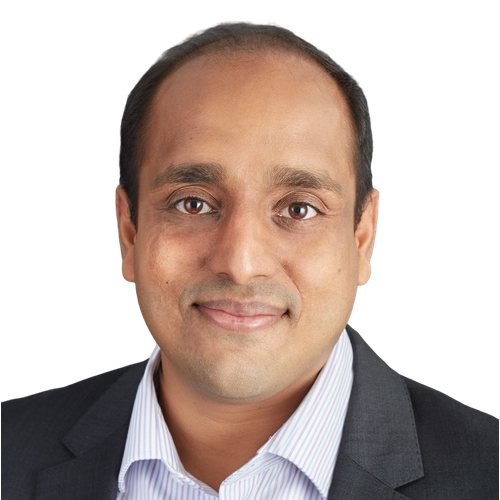
Rahul Shinghal and the price of being trusted
At PayPal and Stripe, Rahul Shinghal had a familiar name behind him. Building Tazapay meant earning trust from scratch - and changing his answer to what businesses needed.
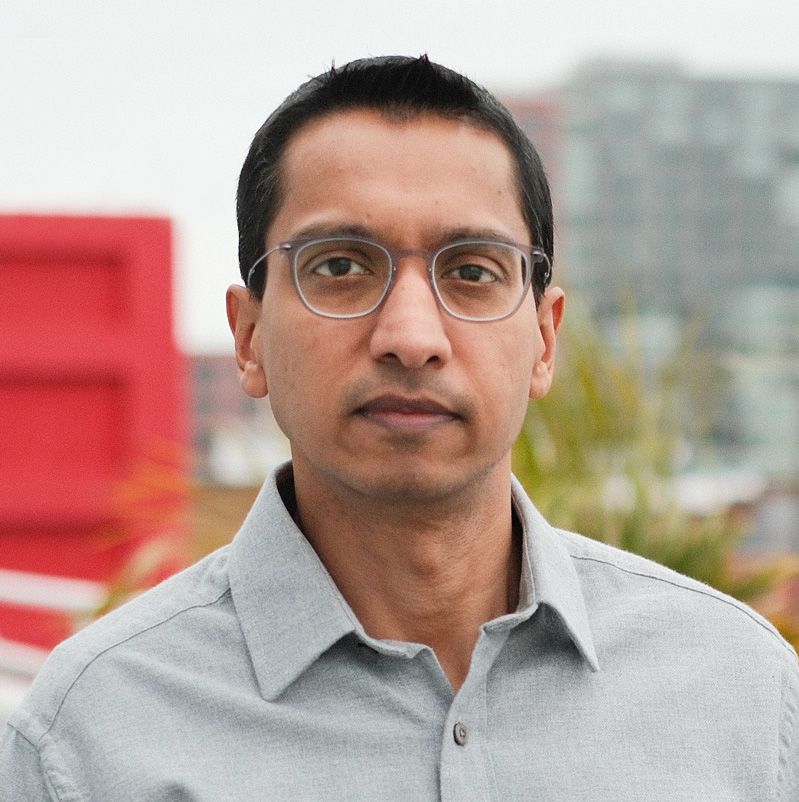
Anurag Goel and the trouble with getting things online
Before he founded Render, Anurag Goel kept building apps to find his next idea. The recurring nuisance of getting them online became the problem he chose to spend his career solving.
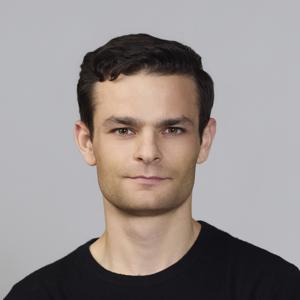
Jack Dent and the Idea That Had to Wait
A 99-cent app maker became Stripe’s youngest staff engineer. Years after a Harvard friendship and an early nudge from Sam Altman, Jack Dent returned to an unfinished idea and helped turn Chai Discovery into a working platform for molecular design.

Pamela Vagata Built the Roads AI Learned to Travel
Before AI became a public spectacle, Pamela Vagata was building the machinery that let thousands of engineers put it to work. Now, at Pebblebed, she is betting on the people constructing what comes next.

Ashley Wells Chadash Keeps Choosing the Work Beneath the Waterline
From campaign offices and Deloitte casework to Adobe's Latin America business and Stripe's global marketing engine, Ashley Wells Chadash has built a career out of making complicated organizations move.

Ashley Chandler Has Spent 25 Years Making Complicated Technology Feel Human
Before Peregrine, she helped explain cloud software, payments infrastructure, 3D search, and autonomous delivery. The products changed. Her real assignment did not: make the difficult legible.

The Venture Firm That Bought a Hospital
General Catalyst spent 25 years turning startups into giants. Then it did something no venture firm had done before - it bought a hospital.

Top Road
Top Road is a Sydney-based, Y Combinator-backed startup that gives creators no-code payment and analytics tools to turn custom GPTs into revenue-generating apps inside the OpenAI GPT Store. Its GPT Tools action lets builders add subscription paywalls, collect emails, whitelist users, and track usage - without writing code. The company says it has enabled more than USD 300K in subscription revenue for GPT builders.

Blue Onion
Blue Onion is a New York-based fintech company that builds an automated financial subledger and reconciliation platform for e-commerce and retail brands. Its data engine ingests transactions from order systems, payment processors, marketplaces and bank accounts, then reconciles every order, payout, fee, refund and deposit into a single source of truth - letting finance teams close their books daily with guaranteed accuracy and feed clean, structured financial data into AI workflows.

Stripe
Stripe is a financial infrastructure company that lets businesses accept payments and run their money operations through a set of developer-friendly APIs. Founded in 2010 by Irish brothers Patrick and John Collison, it powers everything from indie side projects to Fortune 500 checkouts, processing more than $1.9 trillion in payments in 2025. Beyond core card processing, Stripe offers billing, fraud protection, business incorporation, card issuing, tax automation, and banking-as-a-service, positioning itself as the economic layer of the internet.
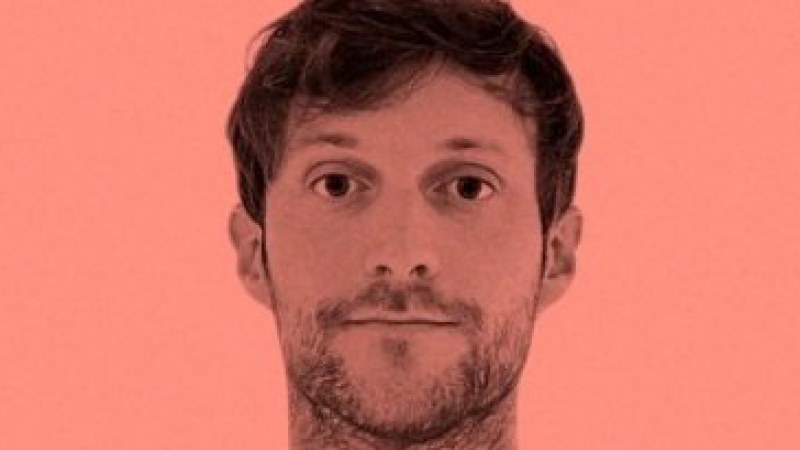
Michael Villar
Michael Villar is the founder and CEO of Height, a New York-based project management platform that is trying to hand the tedious parts of running projects over to an AI reasoning engine. He is Belgian, was selling forum skins at 14, sold his previous startup Kickoff to Stripe in 2013, spent years designing and coding early Stripe products, and now runs Height as a lean team with a Series A behind it.

Fintesa
Fintesa is a San Francisco-based fintech SaaS platform that lets any business compliantly collect payments in more than 200 countries within about ten minutes, while issuing cards that let merchants manage spending, earn cashback, and skip conversion fees across 143 currencies. Founded by CEO Khalid Alomari and backed by 500 Global (S23) and Sanabil Investments, the patent-pending company grew to 4,800+ merchants, 53+ partnerships and $100M+ in GMV on a lean $300K of capital.

Paul Benigeri
Paul Benigeri is the co-founder and CEO of Archive, an AI-powered influencer and user-generated-content marketing platform he launched with Geoffrey Woo in 2021. A Stanford computer-science graduate raised in Paris, he spent his early career writing code at First Round Capital and RockMelt before scaling growth and engineering at the nutrition company HVMN. Archive grew from a Shopify app that auto-captured Instagram Stories into a platform used by brands like Quest, Allbirds and Hexclad, raising roughly $12M-plus and reaching a reported $100M valuation in about 18 months while staying lean and remote-first.

Harry DiFrancesco
Harry DiFrancesco is the CEO and co-founder of Carda Health, a New York-based virtual care company rebuilding heart and lung rehabilitation for the home. A philosopher turned coder turned operator, he taught with Teach For America, helped found a school, did business operations at Stripe, and started Carda in 2020 after caring for a parent who could not access prescribed recovery care. He blends human clinicians with AI to remove friction from care delivery, and runs ultramarathons and climbs mountains in his spare time.
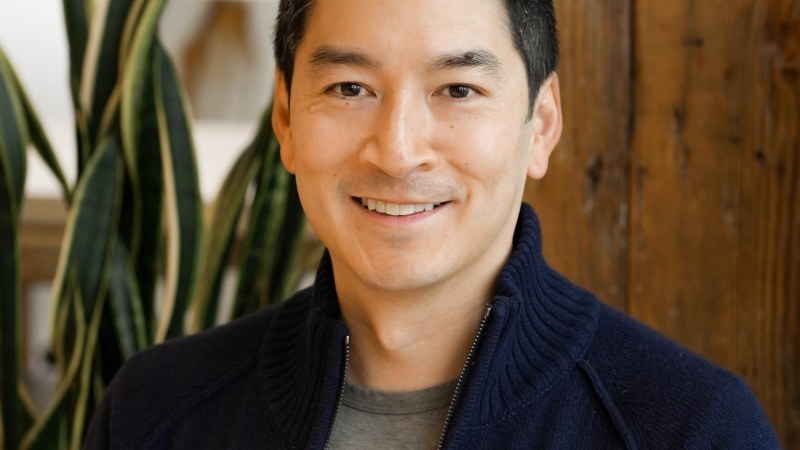
Michael Manapat
Michael Manapat is the co-founder and CEO of Rowspace, an AI platform that turns a finance firm's proprietary data into compounding decision-making edge. He built the machine learning behind Stripe Radar, the fraud engine that scans every card payment across the Stripe network, then spent three and a half years as CTO of Notion driving its push into AI. A mathematics PhD from MIT and former Google engineer, he launched Rowspace in February 2026 with $50M backed by Sequoia and Emergence Capital, already serving roughly ten top private equity and credit firms managing hundreds of billions in assets.

Jareau Wadé
Jareau Wadé is a payments entrepreneur, operator, and writer who has spent roughly 15 years building commerce and payments infrastructure. He co-founded Balanced (acquired by Stripe in 2015) and helped scale Finix as its Chief Growth Officer, and now leads product partnerships at Ramp. He writes Batch Processing, a widely-read newsletter dissecting the people, companies, and ideas driving fintech. A Tucson native and UPenn-trained electrical engineer who taught in Ghana before the Bay Area, he relocated to Atlanta and invests in and advises early-stage founders, with a focus on Black entrepreneurship.

Mahmoud Abdelkader
Mahmoud Abdelkader is the Egyptian-American co-founder of Very Good Security (VGS), a San Francisco-based data security platform that raised $105 million from investors including Andreessen Horowitz, Goldman Sachs, and Visa. Born near the Suez Canal and raised in Brooklyn, he built high-frequency trading systems at Wachovia, was employee #4 at Milo.com before its $75M eBay acquisition, then co-founded Balanced Payments through Y Combinator (W11) before founding VGS in 2016. VGS pioneered the 'Zero Data' category of data security as a service, serving 700+ customers including Fortune 100 companies. He stepped down as CEO in late 2022 and now invests in fintech companies including Ramp, Vercel, Alloy, Mercury, and Stytch while experimenting with AI.
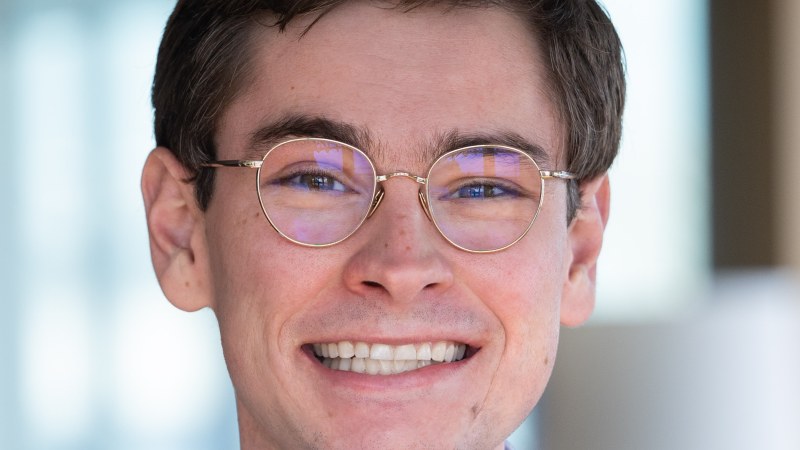
Alex Nichols
Alex Nichols is a General Partner at CapitalG, Alphabet's independent growth fund. He invests in companies reinventing large markets through novel economic or distribution models, then compounding through scale - a thesis carved out across deals like Stripe, Duolingo, Whatnot, Rippling, UiPath, Waymo, Odoo and Zach Dell's Base Power. Promoted to GP in January 2026 alongside Jill Chase, the first time CapitalG named two GPs at once since the firm's 2013 founding.

Numeral
Numeral is an AI-native sales tax compliance platform that automates the entire lifecycle of US sales tax and global VAT for e-commerce and SaaS companies — from nexus tracking and registration through filing, remittance, and exemption certificates. Founded in 2022 by Sam Ross and Matt DuVall and based in San Francisco, the company raised a $35M Series B in September 2025 led by Mayfield, bringing total funding to $57M and valuing the company at $350M.
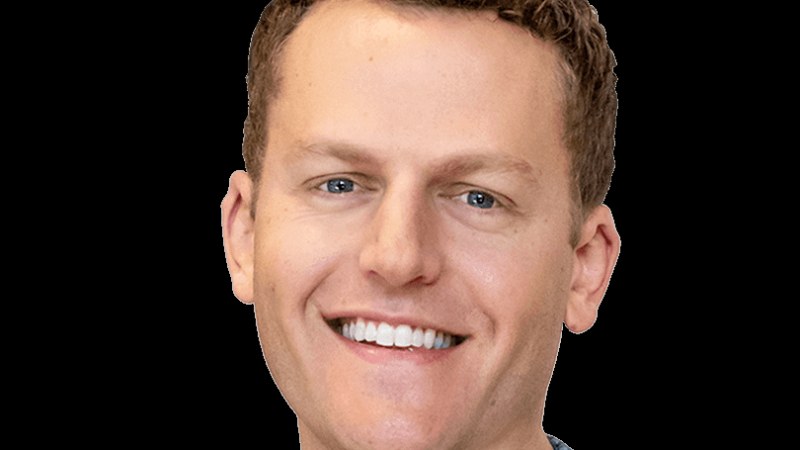
Alex Immerman
Alex Immerman is a General Partner on the Growth investing team at Andreessen Horowitz (a16z), where he leads growth-stage investments across AI, consumer, fintech, crypto, and the physical world. Promoted to GP in January 2026 after seven years with the firm, he has spearheaded investments in category-defining companies including ElevenLabs, EliseAI, Flock Safety, Hebbia, Kalshi, Revolut, Sardine, Stripe, and Waymo. Before a16z, Immerman worked at General Atlantic as a growth-stage investor, served as Chief of Staff for the CFO of Facebook and CEO of Gainsight, and was an investment banker at Allen & Co. He graduated summa cum laude from Wharton and earned his MBA with distinction from Harvard Business School.
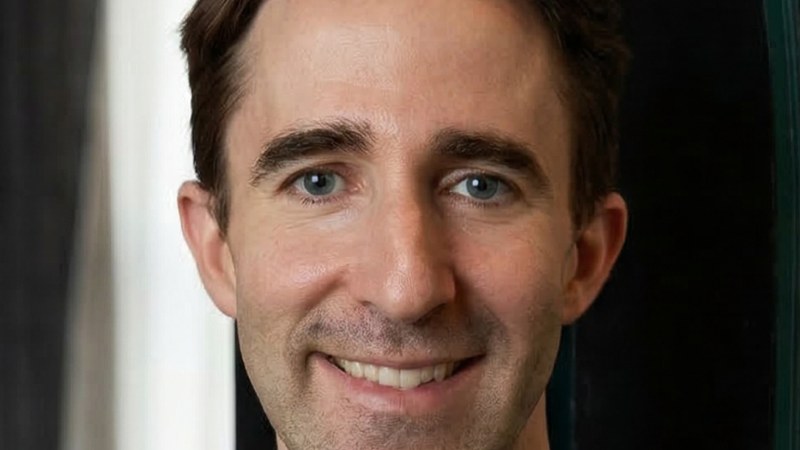
Tomas Barreto
Tomas Barreto is an Operating Partner for Engineering at Kleiner Perkins, one of Silicon Valley's most storied venture firms. He was the 5th engineer and 14th employee at Box, where he scaled engineering through IPO and past $500M in revenue, eventually leading 150+ person teams as VP of Engineering. He later joined Checkr as its first VP of Engineering, then co-founded Okay - an engineering analytics startup backed by Sequoia and Kleiner Perkins that was acquired by Stripe in 2023. Now at Kleiner Perkins, he advises 20+ portfolio companies on building and scaling world-class engineering organizations, drawing on two decades of experience that spans IBM, Microsoft, Box, Checkr, and his own startup.

Vu Pham
Vu Pham is an Operations Partner at Andreessen Horowitz (a16z), one of Silicon Valley's most influential venture capital firms. As a deal operations partner supporting the Venture teams, he bridges strategy and execution at a firm that has backed companies like Airbnb, Coinbase, GitHub, and Roblox. His career traces a methodical rise through fintech and enterprise tech - from being the second support agent at WePay to leading product programs at Chime, technical programs at Palantir, and operations at Stripe - before landing at a16z where he helps portfolio companies scale and operationalize their ambitions.

Mike Moritz
Sir Michael Moritz KBE is a Welsh-born venture capitalist and author who spent nearly 38 years at Sequoia Capital, becoming one of the most successful investors in technology history. A former Time magazine journalist who wrote the first history of Apple, he backed Google at a $100 million valuation, Yahoo with a 24-hour ultimatum, and PayPal before anyone knew what digital payments meant. Diagnosed with an incurable blood cancer in 2006, he kept investing for another 17 years. In 2025 he published 'Ausländer,' a memoir about his family's escape from Nazi Germany — and announced he was applying for German citizenship.

Hemant Taneja
Hemant Taneja is the CEO of General Catalyst, a $40B+ venture capital firm, and one of tech's most unconventional thinkers. Born in Delhi, India, he earned five degrees from MIT before co-founding Livongo Health - sold to Teladoc for $18.5 billion, the largest digital health merger in history. As an early backer of Stripe, Snap, Anthropic, and Canva, and the architect behind GC's audacious move to acquire an actual hospital system, Taneja has spent two decades arguing that building responsibly isn't just the right thing to do - it's the winning strategy. He's signed the Giving Pledge, written four books on technology and capitalism, and is worth an estimated $3.6 billion.
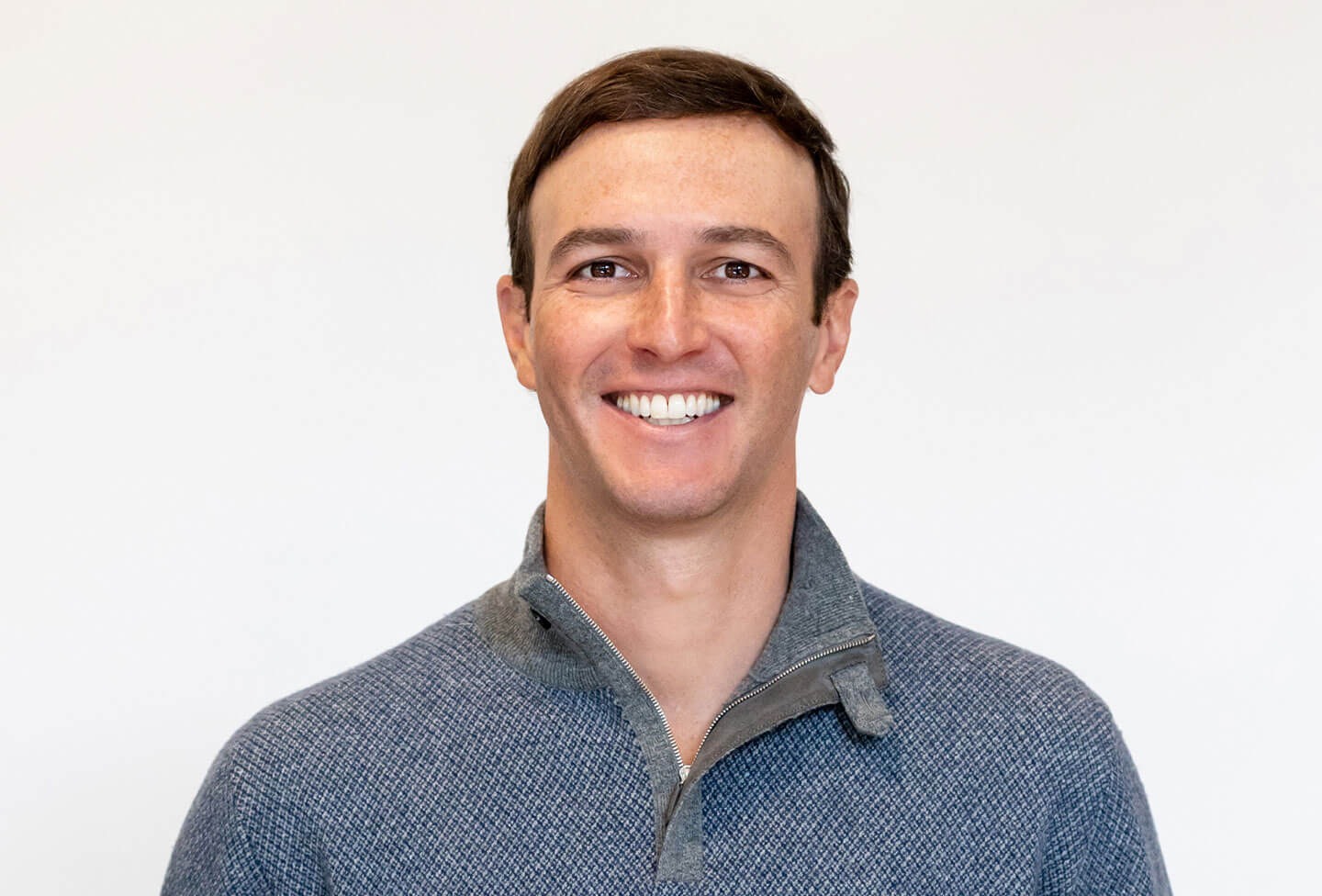
David George
David George is a General Partner at Andreessen Horowitz (a16z), where he leads the firm's Growth investing practice - a $15 billion operation he built from scratch after joining in 2019. A former General Atlantic investor who backed Airbnb, Slack, CrowdStrike, and Uber at growth stage, George brings a ruthlessly analytical, 'business model snob' approach to late-stage venture. He has since backed Roblox, Databricks, SpaceX, Stripe, Figma, OpenAI, and Anduril, developing distinctive frameworks around 'what vs. how' innovations, push vs. pull market dynamics, and winner-take-all market structures. A Kentucky native with a wrestling background, a Notre Dame summa cum laude degree, and an MBA from Stanford GSB, George is known for his competitive intensity, deep intellectual frameworks, and a Post-it note on his computer that reads: 'Is the market demanding more of my product?'
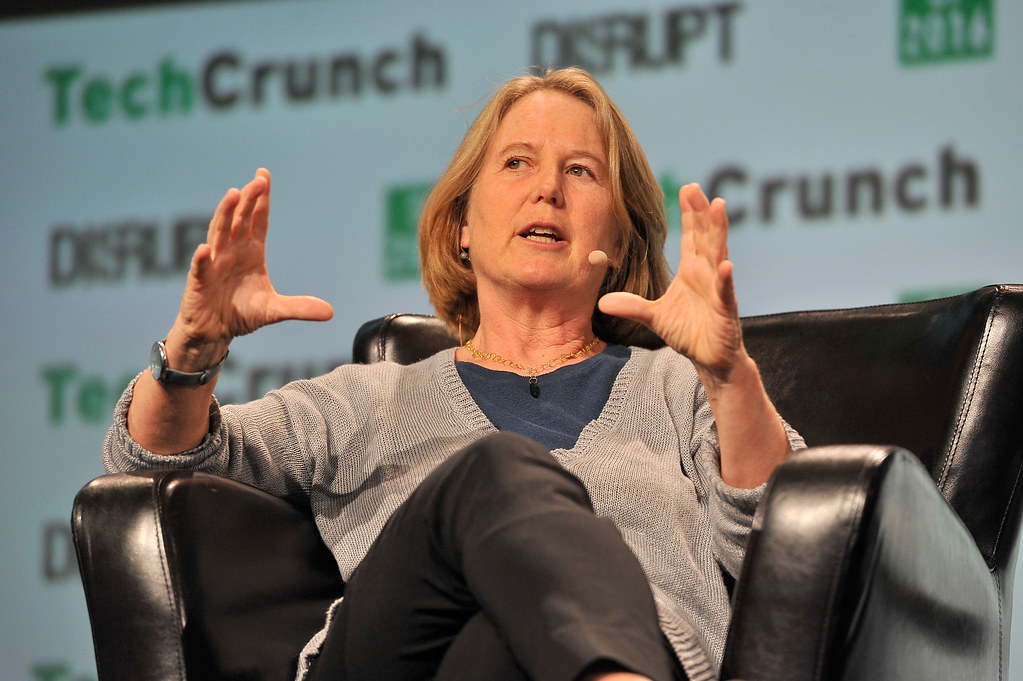
Diane Greene
Diane Greene co-founded VMware and built it into the company that pioneered x86 virtualization, leading it through the largest tech IPO of 2007. After being ousted from VMware in 2008, she co-founded Bebop, sold it to Google for ~$380 million, and became CEO of Google Cloud - growing it from $2.1B to $8B in annual revenue. A naval architect and competitive sailor before turning to software, she is the first woman to chair the MIT Corporation and sits on the boards of Stripe, SAP, Intuit, and Maersk.
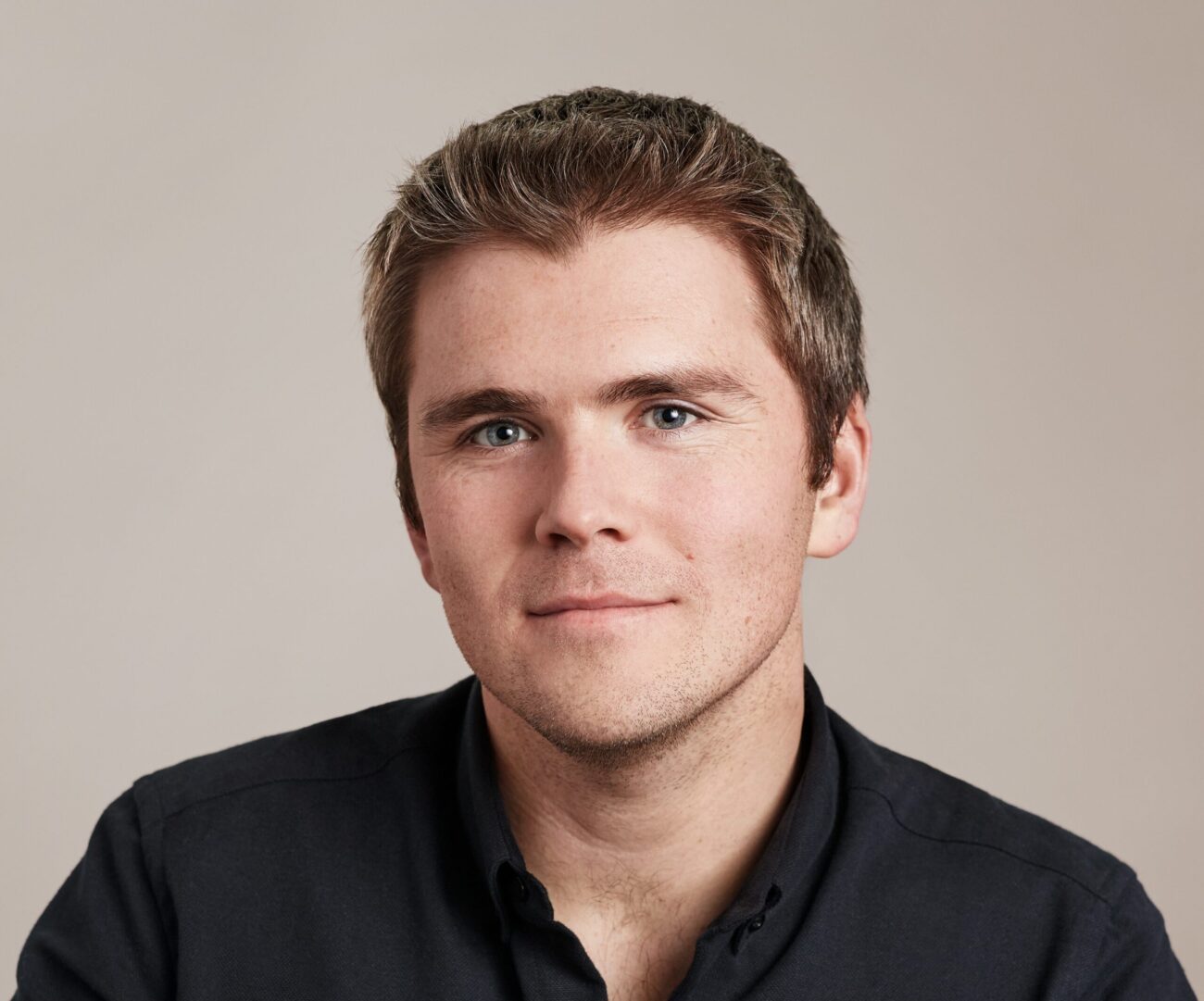
John Collison
John Collison is the President and co-founder of Stripe, the Irish-American payments giant he built with his brother Patrick from their rural Tipperary roots into a $159 billion fintech colossus processing $1.9 trillion annually. He sold his first company at 17, dropped out of Harvard at 19, and by 26 was the world's youngest self-made billionaire - all while maintaining the understated disposition of someone who grew up in a village of a few hundred people on Lough Derg.