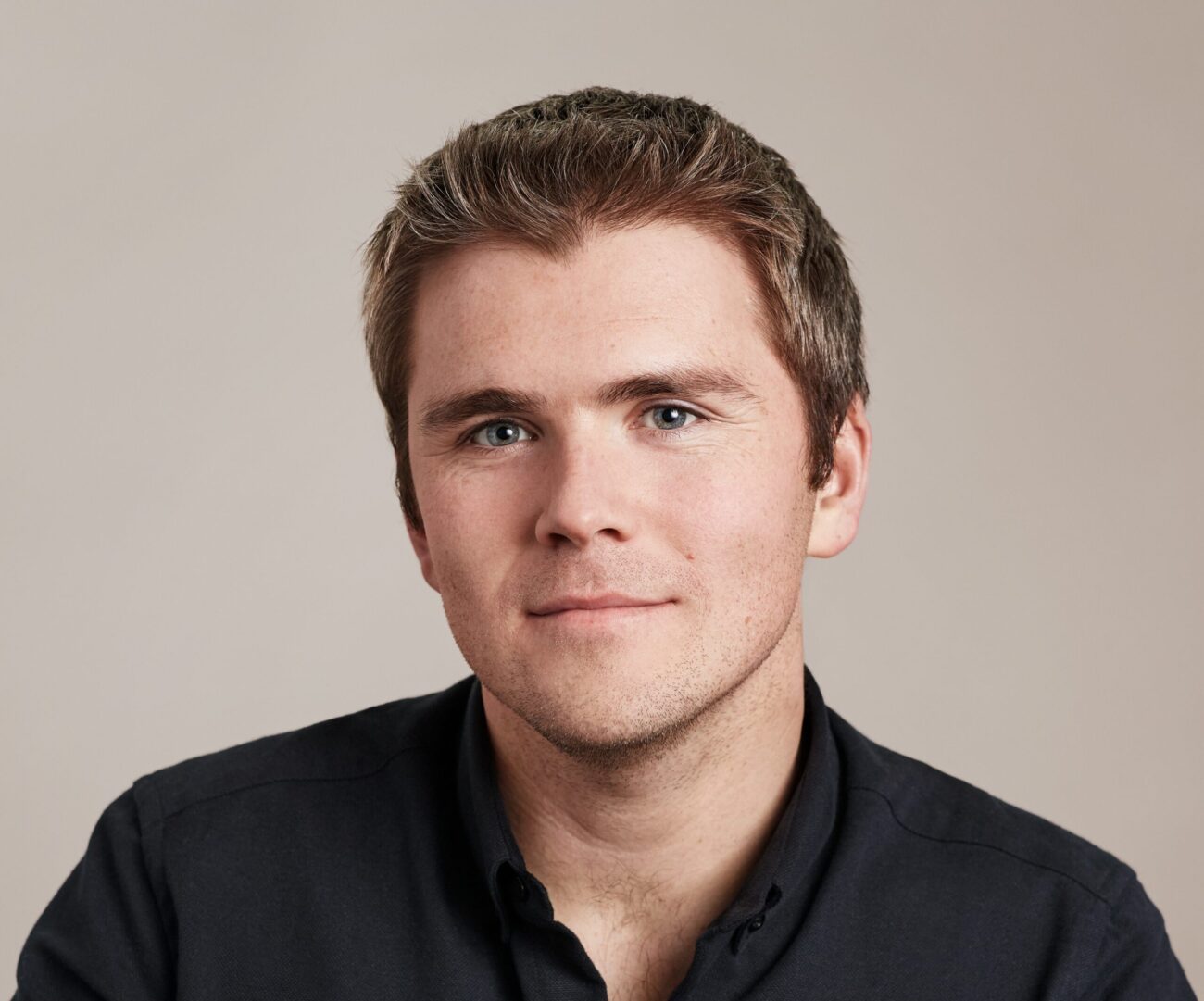
There is a meaningful difference between being the CEO of a company and being its President. Patrick Collison runs Stripe's vision and sets its direction. John Collison runs the company's execution: product strategy, partnerships, international expansion, the tedious-but-critical work of making the thing actually function at global scale.
This is not a lesser role. It is, in many ways, the harder one. Stripe's product surface area is vast: payments, billing, tax, fraud detection, bank accounts, revenue management, climate contributions, stablecoin infrastructure. Every new country where Stripe operates requires navigating a different regulatory regime, different banking relationships, different consumer behaviors. Collison treats this as interesting. He is, by all accounts, genuinely interested in the problem of global commerce in a way that goes beyond a founder's reflexive love for their own product.
He has described AI as "the tailwind of our business" - a characteristically precise phrase. Not "we're pivoting to AI" or "AI is transforming everything." The tailwind. A force that makes you faster without changing what you're fundamentally doing. Stripe processes payments for a huge and growing number of AI companies; as those companies scale, they push more volume through Stripe's infrastructure. Collison spotted this early and built toward it.
The Bridge acquisition tells a similar story. Stablecoins are still controversial in payments circles - too volatile, too regulatory-murky, too many failed experiments. Collison's bet is that the infrastructure for stablecoin payments is worth owning regardless of which specific coins win. Same logic as betting on the internet in 2010: don't pick the winner, build the rails.
Outside Stripe, Collison is a licensed pilot. He plays piano at a level that would embarrass most people who describe themselves as "playing piano." He bought a 14th-century Irish estate (Abbeyleix) and is restoring it - a move that reads less like a tech billionaire hobby and more like someone who takes seriously the idea that some things are worth preserving for their own sake.
He backed California YIMBY ($1 million) - a pro-housing group - at a time when Bay Area tech leaders were largely silent on the housing crisis their presence had helped create. He defended Limerick publicly when Forbes characterized it poorly in 2021. These are not calculated PR moves. They are the actions of someone who has not forgotten where he came from.