omnichannel-retail
(113)
Mattress Firm and the price of being everywhere
The showroom made a confusing purchase tangible. The store count made it expensive. Inside Mattress Firm’s long lesson in how much proximity is worth.

The Children’s Place and the next size up
Children keep outgrowing their clothes. The Children’s Place built a business around that certainty. Its turnaround shows how much can still go wrong between a growth spurt and a sale.

Leslie’s made the test free. The lesson got expensive.
A water sample built Leslie’s retail engine: diagnose the problem, explain the fix, sell the supplies. Its Chapter 11 filing asks how much that expertise is worth when shoppers start comparing prices.

At Home Has Room for Everything. Even a Reset.
At Home built its business on a vast choice of affordable décor. After a costly financial reset, the next challenge is helping shoppers choose.

Brad Weston and the education of a merchant
From a department-store training program to Petco, Party City and At Home, Brad Weston built a career around what customers want. Then came the harder question: what does it take to keep the store open?

Jason McDonell and the customer who went away
He helped invite amateurs into Super Bowl advertising. Now the Leslie’s CEO faces a more demanding invitation: persuading customers to come back while the pool retailer restructures.

Halil Erdoğmuş and the website that needed a front door
He built ebebek online, then opened shops so parents could try the things they wanted to buy. After a quarter-century in retail, Halil Erdoğmuş is putting the lessons on paper.
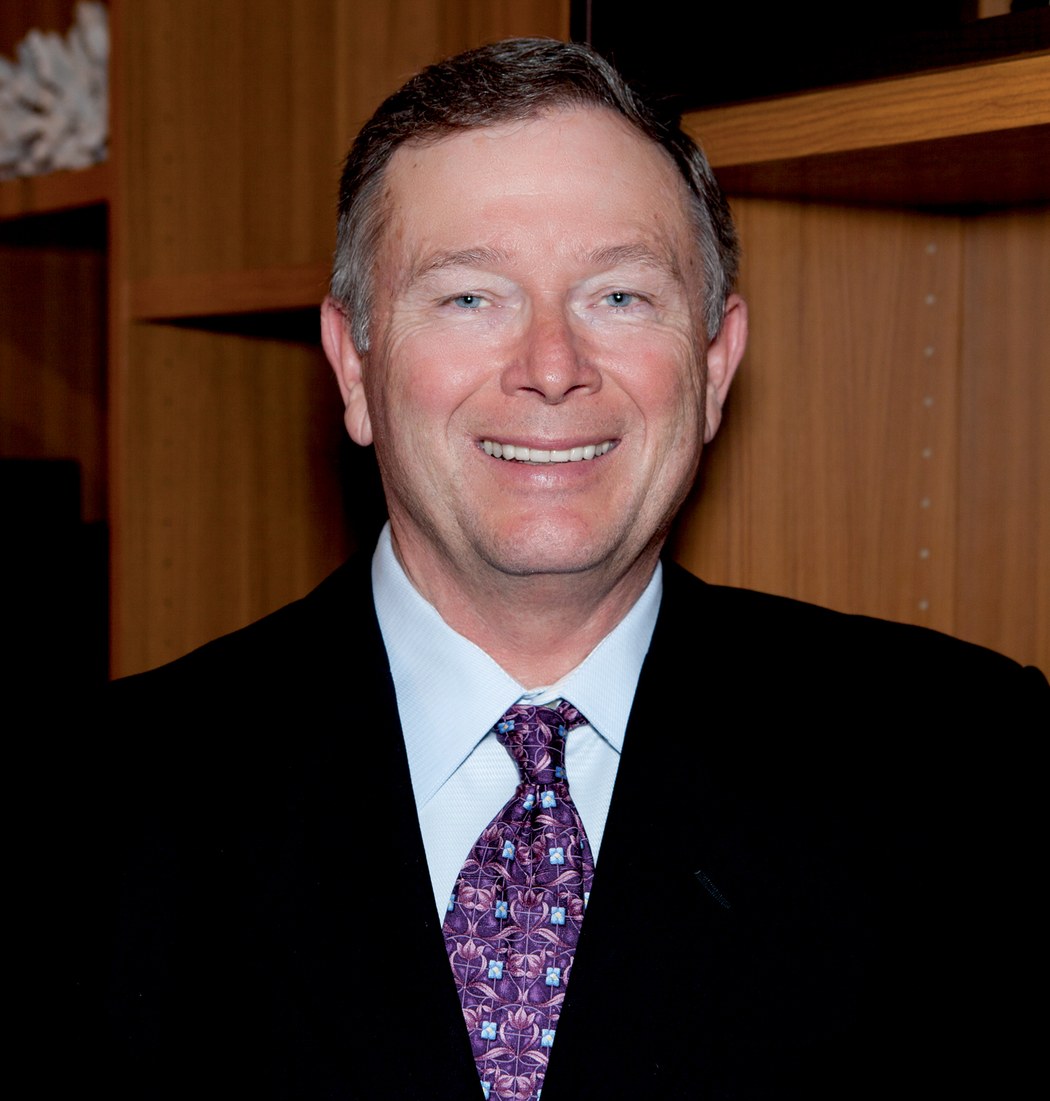
Bill Barton and the art of making the price boring
From technology services to custom closets to Bob’s Discount Furniture, Bill Barton has made a career of connecting the pieces. His next test: taking a straightforward retail promise toward 500 stores.

Kusumo Martanto and the distance between a click and trust
He came home from a career in American technology to build Blibli. Fifteen years later, Kusumo Martanto is still working on a very human problem: making people comfortable buying from someone they cannot see.

Albertsons Companies: The neighborhood store is a national machine
Safeway, Vons, Jewel-Osco. Different signs, one grocery business. After a $24.6 billion merger fell apart, Albertsons must make the machinery behind the neighborhood store work harder.

Kohl’s needs a reason to visit. Then a reason to stay.
Amazon returns bring people through the door. Sephora gives them a destination. Kohl’s next challenge is making the rest of the shopping trip earn its place.

Michaels picked up the thread.
Joann closed. Party City disappeared. Michaels saw unfinished projects, unplanned birthdays, and a very practical opening: give those customers somewhere to go.

Tapestry and the art of wanting less
After an $8.5 billion deal fell apart, the owner of Coach and Kate Spade had a smaller portfolio to work with. The interesting part is what happened inside it.

Macy's is learning to think smaller
The store that taught America to shop is pruning its footprint and putting people back on the floor. Its turnaround asks a deceptively simple question: how much department store do customers actually want?

BJ’s Wholesale Club sells the next trip.
The warehouse club’s real product is a reason to come back. Fresh food, coupons and a $60 membership turn a bulk-shopping bargain into a weekly habit.

David Boone and the customers left in the aisle
When Joann and Party City closed their stores, their customers still had things to make and reasons to celebrate. At Michaels, David Boone moved to give them another place to go.
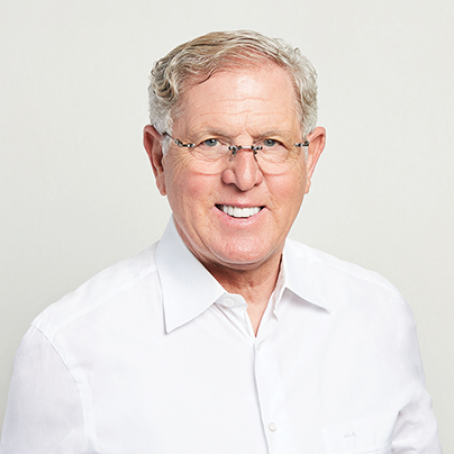
Jay Schottenstein keeps going back to the floor
He learned retail in the family stores. Decades later, the American Eagle Outfitters chairman and CEO is still working through the same problem: how to grow a business without losing sight of the person buying the jeans.

Tricia Smith and the business of being surprised
From Nordstrom’s sales floor to the leadership of Anthropologie Group, Tricia Smith has kept expanding what she wants to learn. Her next assignment is to keep a familiar brand full of discovery.

Corie Barry and the education of a reluctant CEO
She learned commerce at her parents’ art booths and chose accounting for its order. At Best Buy, Corie Barry built a career by taking on work she had not planned to do - including the top job.

Lauren Hobart and the art of getting people through the door
She came to DICK’S Sporting Goods to sell the idea of sport. As its first CEO outside the founding family, Lauren Hobart is putting that idea on the shop floor - with climbing walls, batting cages and a business that now reaches around the world.

Good products. Now give them a way out.
Ergode buys brands and runs the machinery that gets them sold. Its unlikely family of soccer gear, petticoats and washable bottles explains a surprisingly practical business.

I and love and you puts the pet bowl on the grocery list
The Boulder pet-food company built its business around a simple shopping habit. Now, with Made by Nacho and Bobby Flay aboard, it is making a bigger bet on cats.

Tuckernuck Sells the Whole Weekend
A dress, a dinner party, a place you wish you were. Tuckernuck built its business by understanding how those things belong together.

Ishendra Agarwal and the jewellery for an ordinary Tuesday
GIVA’s co-founder saw room between costly gold and disposable fashion jewellery. Building a business in that space meant learning everything from anonymous chat apps to the very public business of opening shops.

Hypefast builds the business behind the brand
A beauty compact. A baby outfit. A warehouse. Hypefast is connecting the things shoppers see with the machinery they don’t - and learning that a smaller portfolio can make a stronger business.

Licious sells meat. Trust is the hard part.
A chicken order is a small act of faith. Licious built a cold chain to earn it - then discovered that an online meat brand also needs a shop window.

Wooden Street sells furniture. The real product is confidence.
A sofa looks easy to buy until you have to live with it. Wooden Street built stores, factories and a delivery operation around that inconvenient little fact.

Dibyendu Panda and the hundred-store education
A small retail team became a hundred-store network. Now Wooden Street’s Chief Business Officer brings two decades across electronics, luggage, jewellery and furniture to the business of helping customers choose.

Lokendra Ranawat and the long way home
He returned from London to Udaipur to build a business close to Rajasthan’s furniture makers. A decade later, WoodenStreet’s co-founder is still working out how to make a personal purchase work at national scale.

Thrasio bought the shelf. Then came the bill.
A pet-odor spray helped sell a billion-dollar idea: buy Amazon brands and make them better. Thrasio’s rise, bankruptcy and return to brand building expose the distance between a good product and a good portfolio.