omnichannel-retail
(37)
David Jou and the Fitting Room That Changed His Mind
He left New York finance to build e-commerce in Bangkok. At Pomelo, David Jou discovered that the future of online fashion needed somewhere to try on the trousers.
Lokendra Singh Ranawat’s idea looked simple. Then came delivery.
After returning from London, he connected Rajasthan’s furniture makers to buyers across India. Building WoodenStreet meant taking responsibility for everything between a customer’s preferences and the room the furniture had to fit.
Brad Weston and the education of a merchant
From a department-store training program to Petco, Party City and At Home, Brad Weston built a career around what customers want. Then came the harder question: what does it take to keep the store open?

Jason McDonell and the customer who went away
He helped invite amateurs into Super Bowl advertising. Now the Leslie’s CEO faces a more demanding invitation: persuading customers to come back while the pool retailer restructures.

Halil Erdoğmuş and the website that needed a front door
He built ebebek online, then opened shops so parents could try the things they wanted to buy. After a quarter-century in retail, Halil Erdoğmuş is putting the lessons on paper.
Bill Barton and the art of making the price boring
From technology services to custom closets to Bob’s Discount Furniture, Bill Barton has made a career of connecting the pieces. His next test: taking a straightforward retail promise toward 500 stores.

Kusumo Martanto and the distance between a click and trust
He came home from a career in American technology to build Blibli. Fifteen years later, Kusumo Martanto is still working on a very human problem: making people comfortable buying from someone they cannot see.
David Boone and the customers left in the aisle
When Joann and Party City closed their stores, their customers still had things to make and reasons to celebrate. At Michaels, David Boone moved to give them another place to go.
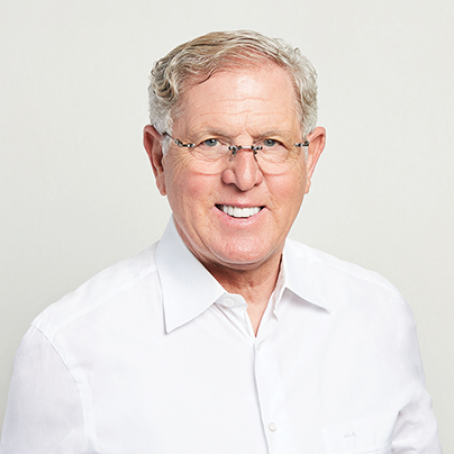
Jay Schottenstein keeps going back to the floor
He learned retail in the family stores. Decades later, the American Eagle Outfitters chairman and CEO is still working through the same problem: how to grow a business without losing sight of the person buying the jeans.

Tricia Smith and the business of being surprised
From Nordstrom’s sales floor to the leadership of Anthropologie Group, Tricia Smith has kept expanding what she wants to learn. Her next assignment is to keep a familiar brand full of discovery.

Corie Barry and the education of a reluctant CEO
She learned commerce at her parents’ art booths and chose accounting for its order. At Best Buy, Corie Barry built a career by taking on work she had not planned to do - including the top job.

Lauren Hobart and the art of getting people through the door
She came to DICK’S Sporting Goods to sell the idea of sport. As its first CEO outside the founding family, Lauren Hobart is putting that idea on the shop floor - with climbing walls, batting cages and a business that now reaches around the world.

Ishendra Agarwal and the jewellery for an ordinary Tuesday
GIVA’s co-founder saw room between costly gold and disposable fashion jewellery. Building a business in that space meant learning everything from anonymous chat apps to the very public business of opening shops.
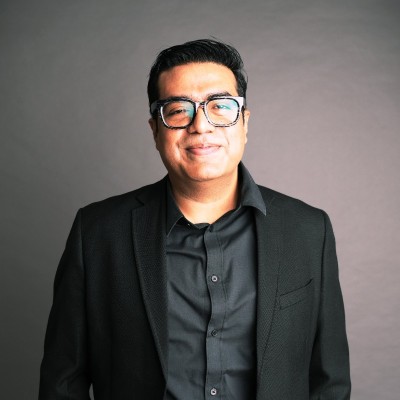
Dibyendu Panda and the hundred-store education
A small retail team became a hundred-store network. Now Wooden Street’s Chief Business Officer brings two decades across electronics, luggage, jewellery and furniture to the business of helping customers choose.

Lokendra Ranawat and the long way home
He returned from London to Udaipur to build a business close to Rajasthan’s furniture makers. A decade later, WoodenStreet’s co-founder is still working out how to make a personal purchase work at national scale.

Rom Ginzburg Put the Spreadsheet in the Body-Care Aisle
An accountant by training and a retailer by conversion, the MAËLYS CEO built his case for body care with data, discipline and one useful change of mind: the customer gets to choose the channel.
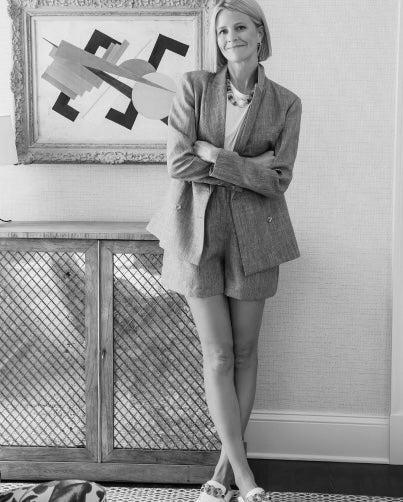
Jocelyn Gailliot Built a Fashion Business by Refusing to Rush
She left finance, shared a bedroom at a Silicon Valley accelerator, and launched Tuckernuck with $500 above her parents' garage. Fourteen years later, Jocelyn Gailliot is still betting that patient growth and a sharp eye beat fashionable haste.

Dan Waters and the Business of What Goes in the Bowl
After building brands around cheese, ingredient-conscious snacks and chocolate, Dan Waters has arrived in pet food with a familiar brief: turn a label into a promise people can understand.

Nick Crafford Builds the Software Behind the Bike Shop Door
Across bicycles, retail and family logistics, Nick Crafford has made a career of turning messy handoffs into working software. His quiet specialty is the difficult space between a click and the real-world person who has to make good on it.

Bobby Ferrario’s Retail Playbook: Curiosity, Empathy, and the Customer in the Room
At Talbots, Bobby Ferrario is pairing a heritage red door with a digital-first brief. His route there - from Gap and bebe to New York & Company and Orchard Brands - reveals a practical philosophy: protect the relationship, then modernize the experience.
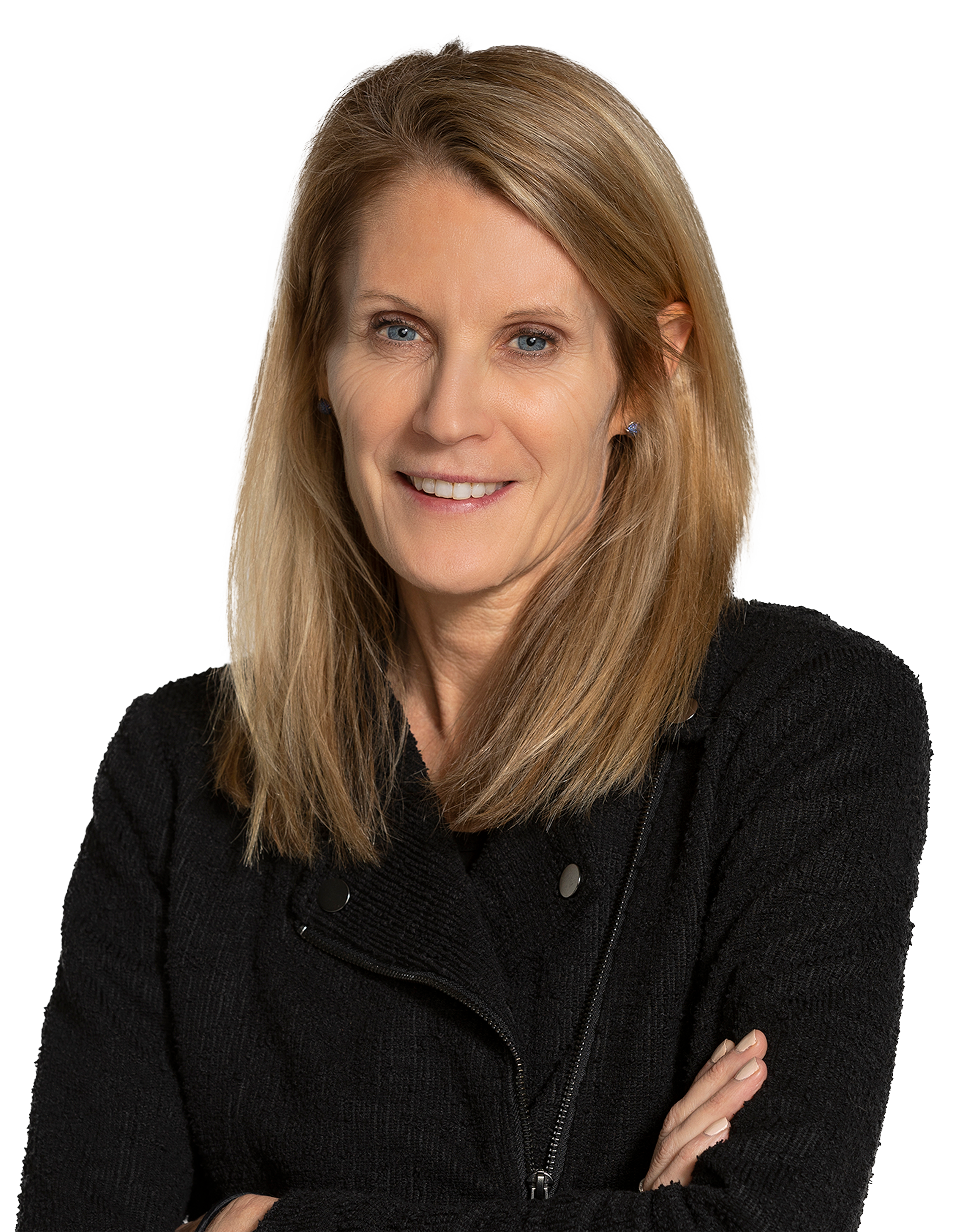
Christie Raymond Made the Department Store Listen
An industrial engineer turned retail marketer, Christie Raymond built her career by treating attention as data and loyalty as a promise. Her final chapter at Kohl's reveals what modern brand leadership looks like when the spreadsheet and the shopping cart have to agree.
Bethany Evans Is Teaching an Activewear Brand to Think Beyond the Checkout
After building social programs, airline stories and a two-million-member loyalty ambition, Rhone's CMO is making the case that the most useful marketing metric may be whether people remember you at all.
Sarah Lane Spent 23 Years Learning CarMax. Then She Changed the Question.
From a 22-year-old media planner to the executive retiring a 20-year tagline, Sarah Lane built her career by studying how people choose - then giving them more control.
Amy Errett Bet Her Fourth Act on the Hair-Color Aisle
She left venture capital to fix a neglected aisle, named the company after her daughter, and built Madison Reed around five words that still run the place.

Ashish Khera’s Retail Playbook: Let the Store Do the Talking
At Healthy Planet, Ashish Khera is treating each new store as a local experiment - one where format, education and trust matter as much as the marketing campaign.
Tanbir Grover Built the Digital Aisle Without Abandoning the Store
Across Sears, Hudson’s Bay, Lowe’s Canada and Pet Valu, Tanbir Grover learned that digital retail works best when the people running the stores can see themselves in the plan.

Jen Porter Built a Retail Career Across Every Place a Customer Can Look
From the merchant floor to a billion-dollar furniture brand, Porter learned to treat catalogs, screens and showrooms as one conversation. Her Arhaus chapter ended in July 2026, but the operating lesson is still useful: the channel is never the whole customer journey.

Jeff Dunn’s Merchandising Playbook: Go Narrow, Get Local, Stay Ready
After 25 years inside Walmart and Sam’s Club, Jeff Dunn arrived at Sportsman’s Warehouse with a deceptively simple brief: stock the gear that matters, in the places and seasons where it matters most.
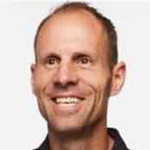
Jacob Hawkins Has Spent a Career Closing Retail’s Most Expensive Gap
The Five Below executive has spent more than two decades learning where shopping journeys break - and how product, data, creators and a faster checkout can put them back together.

Lee Sterling
She bet a 3,600-person retail empire on a simple idea: the mall never actually died. It just needed a better story - and a Simple Minds song.