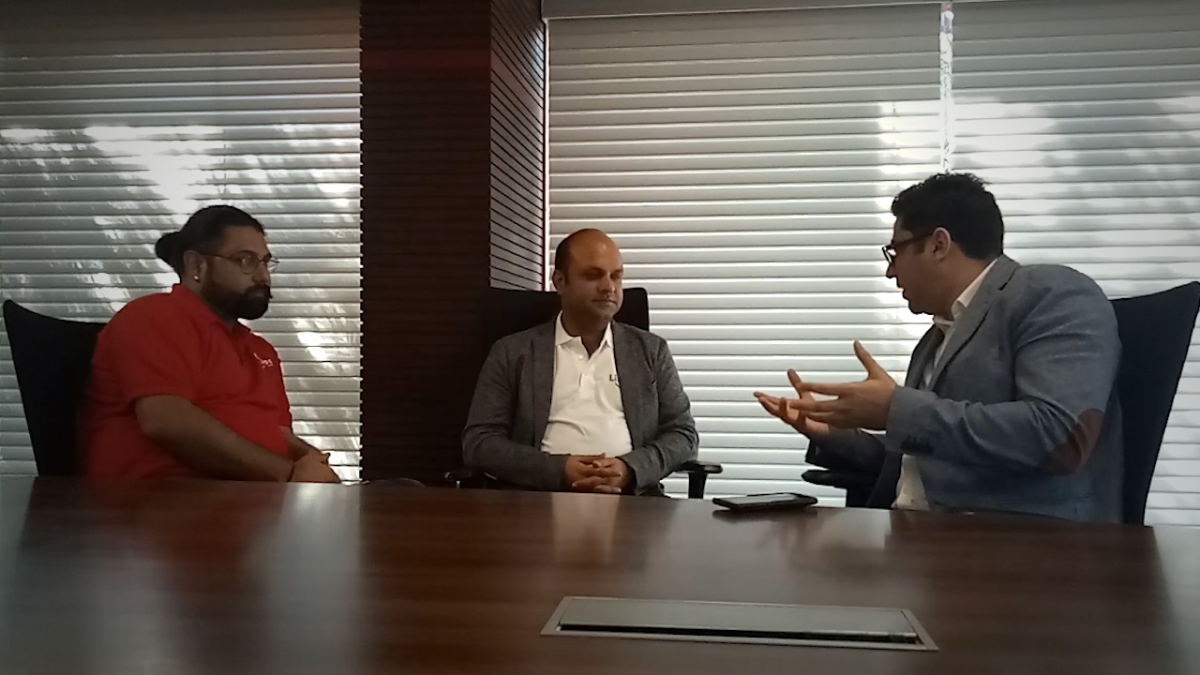
Before Licious could persuade India to buy meat through a screen, it had to persuade Vivek Gupta. In his published account of the company’s beginnings, Gupta remembers dismissing the opportunity. Abhay Hanjura kept pushing. Consumer research and a presentation eventually persuaded him. In 2015, the two left their jobs and started building a meat brand in Bengaluru. Then came an awkward introduction to the business: the first launch failed.
- Licious controls processing and chilled delivery to make meat buying more predictable.
- Fresh cuts, seafood and prepared products serve urban home cooks through screens and shops.
- Reported FY26 revenue reached ₹1,166 crore. The company still recorded EBITDA burn.
The first order went wrong
Gupta’s retrospective puts the failed launch in August 2015. Operations stopped that day. The business relaunched roughly a fortnight later, taking 30 orders, many free. This is a useful opening scene because it removes the illusion that a persuasive business plan produces a functioning business. Meat arrives with a clock attached. Procurement, cutting, packing and delivery have to agree with one another before the customer can agree with the founders.
Hanjura came from risk advisory and insurance; Gupta had worked at Helion Ventures. Their early insight was that availability was not the main problem. People could already find meat. What they wanted was confidence in the purchase. The founders chose a branded operation rather than an aggregator of existing sellers. That decision turned a shopping proposition into a considerable amount of physical work.
Four degrees of separation
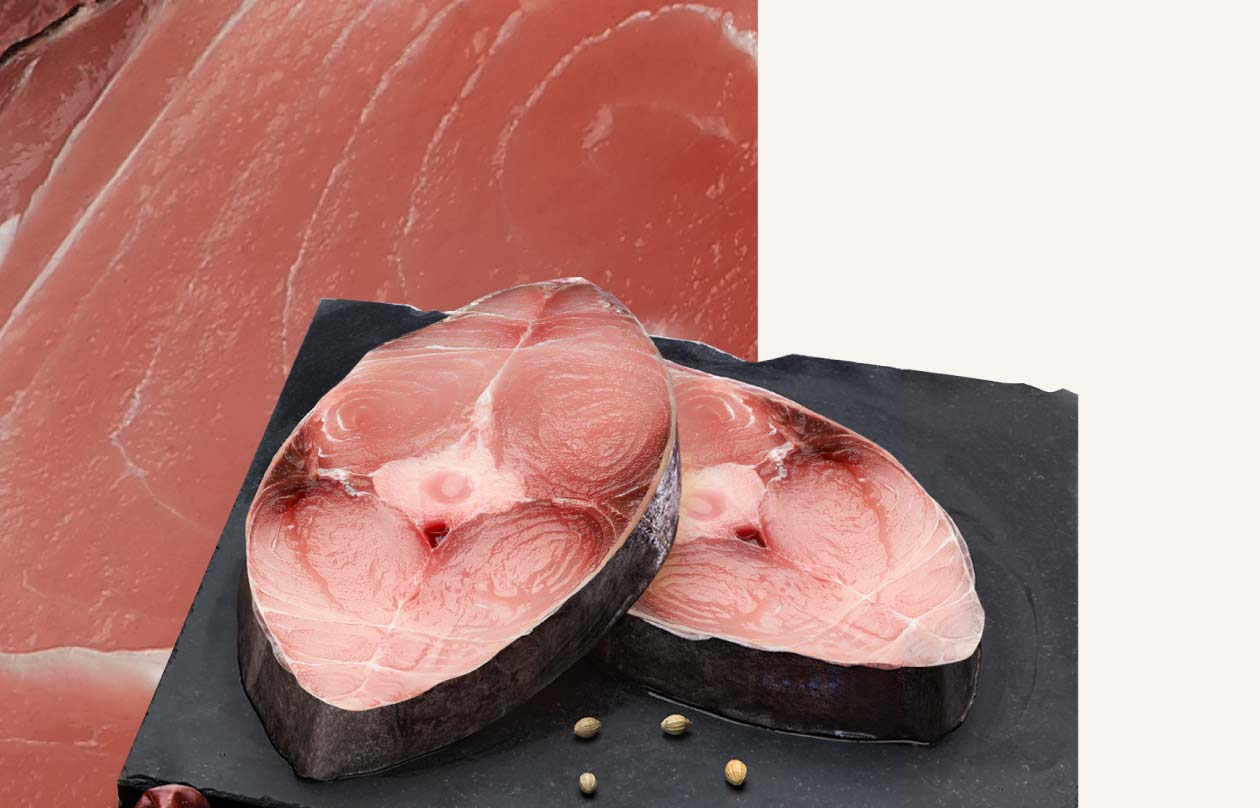
Licious describes a system in which it controls sourcing, processing, packaging and chilled distribution. Its stated handling range is 0-4°C. Products move through processing centres and neighbourhood delivery hubs before reaching the customer. The company says its fresh range is never frozen and undergoes more than 150 quality and safety checks. Those are promises about the operation, rather than independent guarantees attached to every dinner.
“If we wouldn’t feed it to our own families, we won’t sell it to you.”The Licious safety promise
Notice the skills this requires. Licious describes teams of meat technicians, chefs, veterinarians and quality managers. Tests include temperature, microbiology and pH checks. The expertise extends well beyond software. A neat interface cannot repair a badly handled fish. The founders’ bet was that a recognisable brand, backed by repeatable processes, could carry some of the trust traditionally placed in a familiar seller.
- 01Sourcing
- 02Processing
- 03Chilled hubs
- 04Your door
One purchase. Several handoffs. The company’s stated temperature range.
Dinner, with less homework
For the buyer, the offer is straightforward: chicken cuts, mutton, fish and prawns, alongside marinades, kebabs, cold cuts and spreads. A cook can buy raw ingredients for a family recipe or reduce preparation with something ready to cook. The app and website organise the transaction; the product does the convincing. Assortment and delivery availability depend on where the customer lives.
This places Licious between neighbourhood meat sellers and broader grocery services. FreshToHome, Zappfresh and Nandu’s offer alternatives; supermarkets and quick-commerce ranges compete for the same meal. Licious’s distinction is the combination of its own brand, processing and delivery system. For households that value a known seller’s custom cuts or prioritise price, the local butcher can remain a perfectly sensible choice.
There is also a revealing detour. In October 2022, Licious launched UnCrave, a plant-based range beginning with chicken-style and mutton-style seekh kebabs. It addressed meat eaters on days when they avoided meat. The idea followed the customer’s calendar. Selling dinner sometimes meant making a kebab without the ingredient that had given the parent company its identity.
The shop window returns
Owning the product did not settle distribution. In FY24, reported revenue fell about 8% to ₹685 crore. Licious attributed the decline to a distribution reset, including the closure of channels such as Dunzo and reduced emphasis on modern trade and local stores. Dependable meat still needed a dependable route to the customer.
In October 2024, it acquired My Chicken and More, a Bengaluru retailer with 23 outlets. The completed deal’s price was undisclosed. By its April 2026 update, Licious reported more than 60 outlets and ₹177 crore in FY26 store revenue. It described shops as places for trust and discovery that complement online sales. A customer can encounter the brand in person before making the next purchase digitally.
The bill for certainty
The infrastructure has required substantial backing: a $192 million round in July 2021, a $52 million unicorn round that October, and $150 million in March 2022. Capital funded a company with perishable inventory, processing facilities and delivery responsibilities. That is a demanding structure to reproduce, especially where customers are scattered or order infrequently.
Net revenue
EBITDA burn
Revenue rose 47%. EBITDA burn measures a different part of the business.
Licious’s unaudited FY26 figures show both progress and expense. Net revenue rose 47%, while EBITDA burn increased from ₹168 crore to ₹187 crore. Burn declined as a proportion of revenue. The company also reported 94% repeat consumption and more than 1.5 million monthly active users. Repeat consumption describes business mix; it should not be casually read as a customer retention rate.
Copy the decision, not the footprint
The next plan emphasises denser urban markets. Licious said it would add ten micro-markets in Bengaluru, Mumbai and NCR in FY27. Its Flash service offers 30-minute delivery where eligible. The logic is practical: more customers close to existing infrastructure can make that infrastructure more useful. Expansion targets remain targets, rather than proof that the economics have been solved.
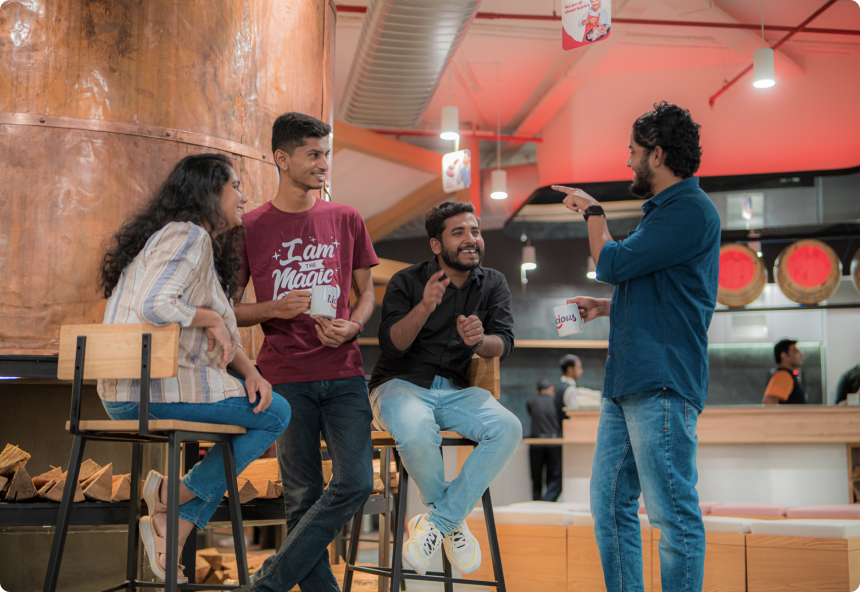
The company calls its employees Licians. In 2021, it announced an ESOP policy with daily vesting after a mandatory twelve-month cliff and a mechanism for employees to cash out when they wished. It was a concrete attempt to make ownership feel closer to everyday work. The operating promise still depended on people doing that work consistently.
The transferable lesson is a decision about responsibility. Find the part of the customer experience that creates doubt, then decide how much control delivering your promise requires. Licious chose a costly answer. Its story matters because the customer’s request sounds so modest: bring me something I can cook tonight, and give me a reason to order it again.