Consider the distance between knowing what to eat and eating it. On paper, that distance is tiny: a shopping list, a recipe, perhaps a calorie target. At six in the evening, with work unfinished and an empty refrigerator, it can feel enormous. Calo built its business inside that distance. The product is a prepared meal. The thing customers are buying is a little less negotiation with themselves.
- Choose a nutritional goal and meals in an app; Calo cooks and delivers.
- The business began in Bahrain and now concentrates on six Gulf markets.
- A subscription replaces repeated shopping, portioning and cooking.
- Its 2026 UK withdrawal complicates an otherwise tidy growth story.
That last point matters. Calo is easy to mistake for a software story: personalized recommendations, an attractive interface, an algorithm. But food has to survive contact with a kitchen, a delivery route and somebody’s appetite. A customer can forgive a slightly clumsy screen. A lunch that fails to arrive is harder to overlook.
A small experiment. A very ordinary problem.
Ahmed Al Rawi and Moayed Almoayed founded Calo in 2019. It launched in Bahrain that November. Khwarizmi Ventures, an investor, says the first minimum viable product cost $2,000. That figure is useful because it separates two questions founders often muddle: will anybody want this, and what will it cost to provide it at scale?
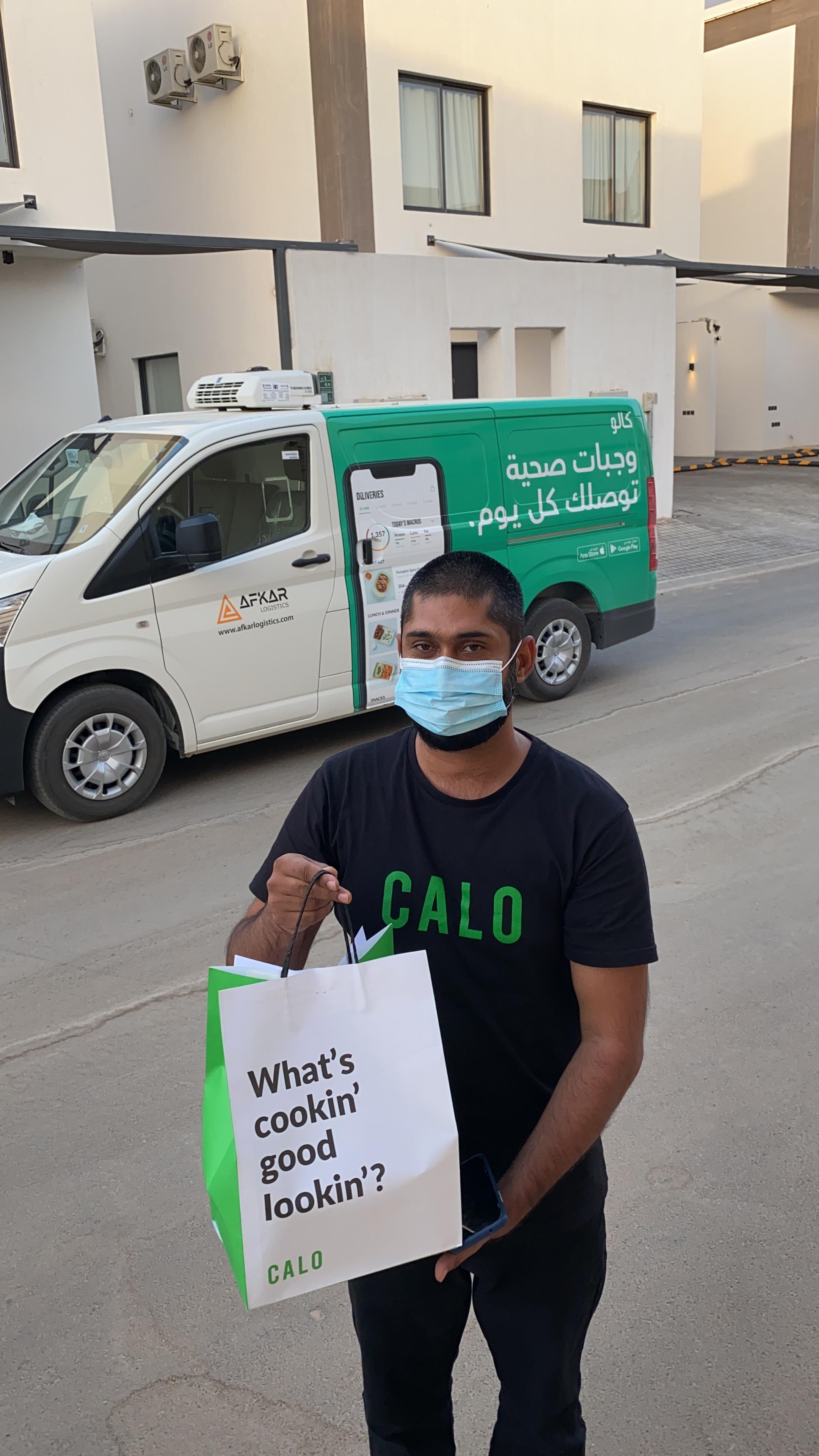
The early proposition was straightforward. Give people meals tailored to their needs, then make following the plan convenient. The founders could test that proposition in a relatively small market before attempting a larger one. The investor describes encouraging Bahrain results and helping arrange a kitchen acquisition in Riyadh during the pandemic. Saudi expansion required somewhere to cook.
The lesson travels beyond food. A small experiment can answer a question about demand. A working service needs capacity. Confusing those stages makes a business look cheaper, and simpler, than it is.
Your goals, somebody else’s chopping board
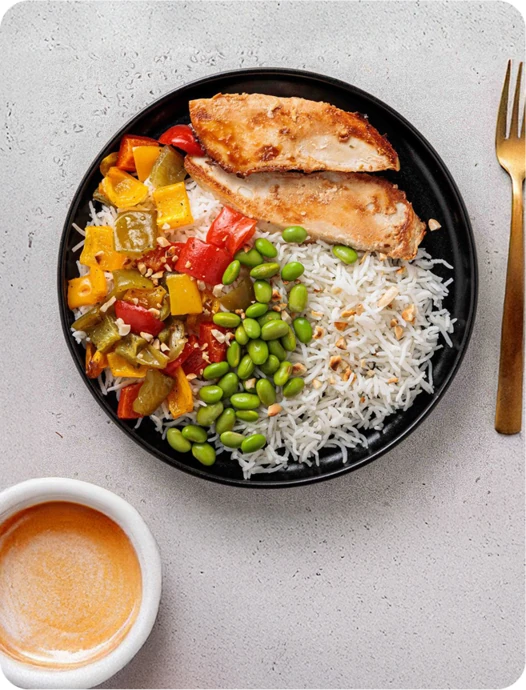
Calo’s customers include busy professionals, parents and people fitting meals around training or weight-management goals. Through the app, they choose a plan and dishes, with options including Balanced, High Protein, Vegetarian, Low Carb and Custom Macros. Chefs prepare the food. Meals arrive portioned and ready to heat or eat cold.
A restaurant delivery app helps you find dinner tonight. A meal kit supplies ingredients and instructions. Calo takes responsibility for more of the week: selection, preparation, portions and repeated delivery. Its relevant expertise sits across nutrition, culinary work, software and operations. The combination matters more than any one ingredient.
- 01Set goalsNeeds & preferences
- 02Pick mealsApp selection
- 03Let chefs cookPortioned preparation
- 04Heat & eatRecurring delivery
There is still room for preference. Customers can swap dishes and manage their subscriptions in the app. Calo also lets users set their own macro targets through a dedicated plan. Flexibility has a practical boundary, however: the kitchen needs advance notice. Customers should check the delivery cutoff for their market rather than assuming a change can happen immediately.
The bill behind the convenience
Calo’s core model is a recurring, direct-to-consumer meal subscription. Bahrain’s site advertises main meals from BHD 3 and breakfasts from BHD 2. Those are starting prices, not the cost of every customer’s month. A December 2024 report put a Saudi package of breakfast, lunch, dinner and a snack for 24 days at approximately $700 monthly.
That places the decision squarely in the household budget. The comparison includes groceries, preparation time and the takeaways a tired person might otherwise buy. Someone who enjoys cooking inexpensive meals has a different calculation from someone who regularly orders restaurant deliveries. Convenience has a price; its value depends on whose evening it saves.
The service fits less neatly when your schedule changes after the production cutoff, your address falls outside delivery coverage, or your budget favors home cooking. Ingredient exclusions also differ from an allergen-free kitchen: Calo’s terms acknowledge possible cross-contamination.
Growth required a separate bill. Calo announced $13.5 million in seed funding in 2021, $13 million in pre-Series A funding in 2022, and a $25 million Series B in December 2024. A $39 million extension followed in July 2025. The disclosed rounds total $90.5 million.
Round amounts, not spending. The two Series B tranches total $64 million.
The company reported annualized revenue above $100 million in late 2024. Read that phrase carefully. Annualized revenue projects a current pace across a year; it does not establish full-year sales or profit. Calo’s current homepage also advertises 290,000 customers and 19 million meals delivered. Those cumulative counters describe reach, not today’s paying subscriber count.
Britain supplied the awkward chapter
Calo entered Britain in 2025 through Fresh Fitness Food and Detox Kitchen. Acquiring existing businesses offered an entry into an established prepared-meal market. It also made the international ambition tangible: this was a company moving beyond the Gulf.
Then came a reversal. In its 2026 closure announcement, Caspar Rose said UK orders and renewals would end on May 31, with existing deliveries continuing through June 30. Outstanding credits would be refunded. The stated reason was to refocus on Bahrain, Saudi Arabia, the UAE, Kuwait, Qatar and Oman.
“Calo is closing its UK operations to refocus on our six other markets.”Caspar Rose · UK closure announcement, 2026
The withdrawal tests the assumption that success in one region automatically transfers to another. It would be careless to diagnose the precise cause from outside. What the decision shows is narrower, and useful: an attractive product and access to capital do not make every market a permanent home.
The people behind the pause button
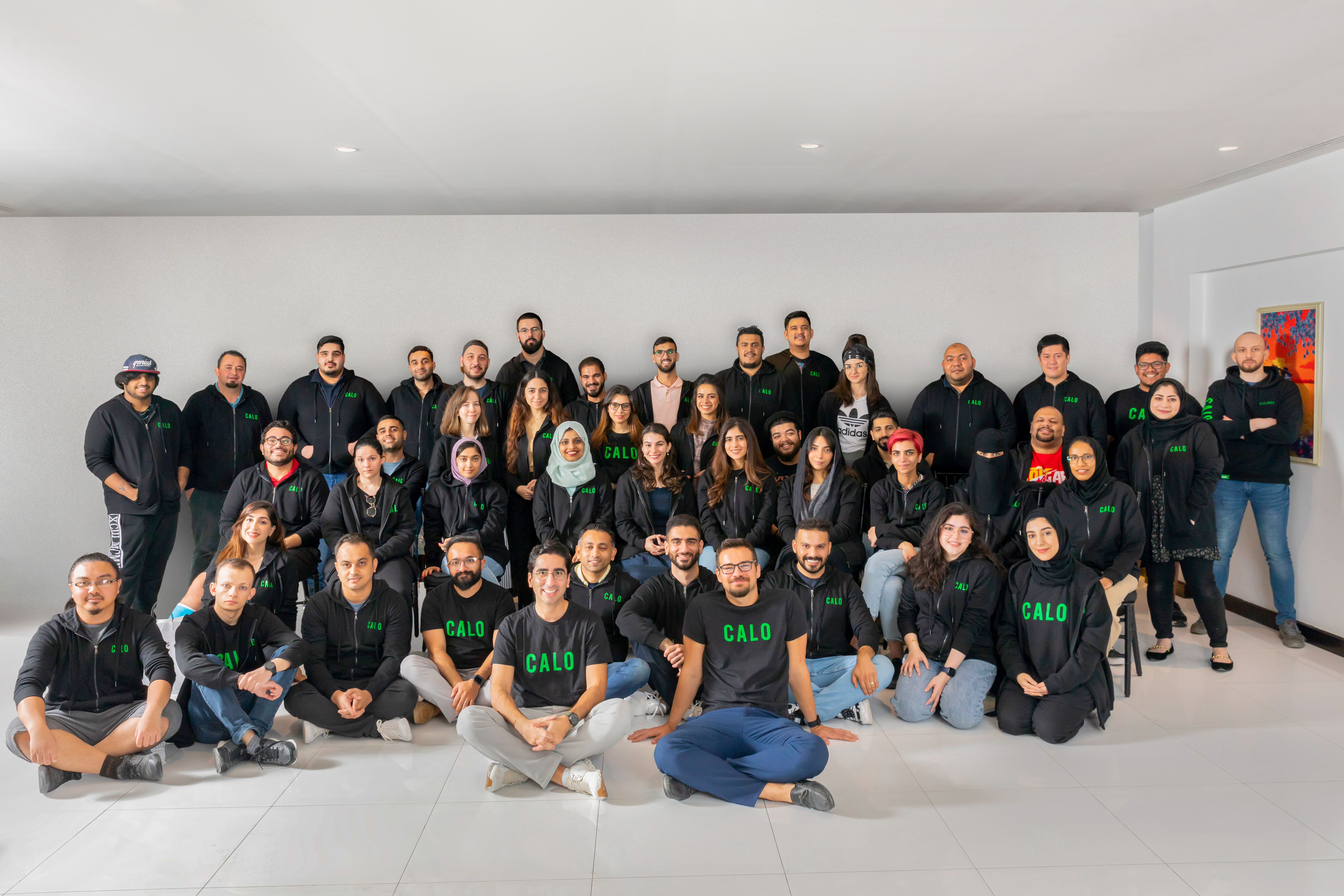
Calo’s careers site calls feedback a gift and emphasizes humility, empathy and quick iteration. It advertises free meals and learning resources. These are the company’s stated values, but they fit the demands of a service where a customer’s complaint can involve a recipe, a payment or a delivery address.
The subscription now sits beside other formats. Bahrain lists children’s meals, catering, corporate partnerships and instant delivery through Talabat. Calo Black was reported as an AI private-chef pilot in 2025. The practical lesson remains modest: remove enough daily work that customers want the service again tomorrow. Then keep checking whether each new market can support that promise.