The most interesting journey a delivery truck makes may be the one with nothing in the back. The goods have arrived. The customer is happy. The driver still has kilometres to cover, fuel to buy and a working day to fill. Somebody pays for that emptiness. Usually, it is buried in the price of the journey that just ended.
- Porter matches businesses and households with goods vehicles, from bikes to trucks.
- Its advantage depends on enough nearby drivers and repeat orders to reduce wasted time.
- Growth brought profit, fresh capital and a painful restructuring. The road remains expensive.
The second journey
Porter’s proposition begins with a simple possibility: somewhere near that unloading point, another person needs a vehicle. Connect the two and the driver has another paying job. A merchant gains access to transport without buying a truck. The platform earns a share for organising the transaction. The useful invention is the connection between jobs.
This puts Porter in a peculiar corner of the internet economy. Its customers include shopkeepers, manufacturers and families whose possessions refuse to fit into a delivery bag. A refrigerator is an awkward digital product. So is a stack of plywood. Both require software that can summon something reassuringly physical.
A spreadsheet before a platform
Pranav Goel, Uttam Digga and Vikas Chaudhary founded Porter in 2014. An early operation used phone calls and Google Sheets. Goel coordinated jobs; Digga recruited drivers in the field. There is something pleasing about a technology company beginning with a spreadsheet: it lets the founders discover whether the transaction works before decorating it with an interface.
Early capital encouraged broader ambitions. A retrospective describes a push into intercity logistics and enterprise work that stretched the young business, brought it close to running out of money and led to a renewed focus on intracity supply in 2016. The lesson was painfully specific. Adding categories does little good if the original market cannot reliably produce a vehicle.
Goel later described the dilemma as “whether you should get a driver or the customer first.” Too few drivers meant distant pickups and unreliable availability. Too few customers meant drivers travelling far for poorly paid jobs, then returning empty. Porter helped compensate through subsidised prices. The company eventually put greater emphasis on satisfying the supply side.
“whether you should get a driver or the customer first”Pranav Goel · 2022 interview
That is the knot every local marketplace must untie. A list of vehicles tells you very little. The relevant vehicle has to be close, suitable and available when the order appears. Porter’s expertise lies in making those conditions coincide often enough that both sides come back.
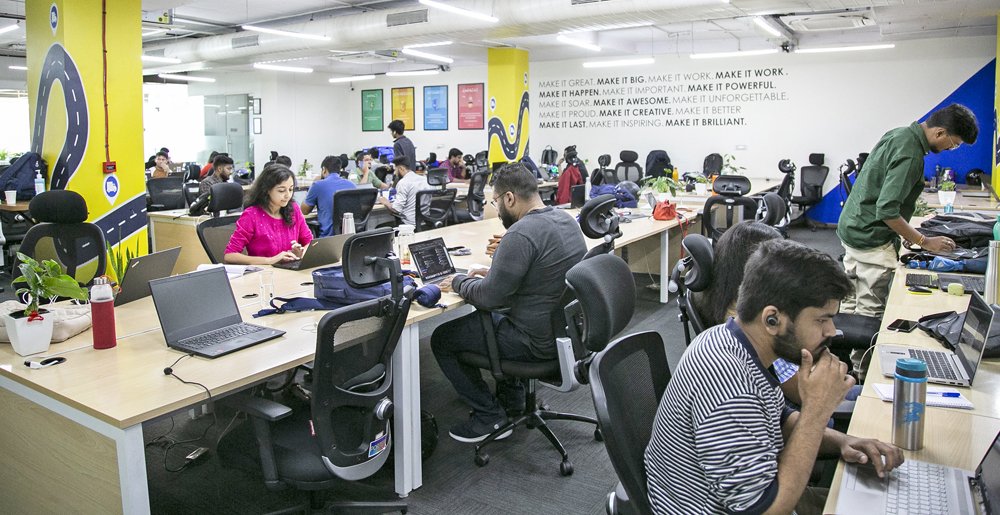
A vehicle for the awkward stuff
For customers, the process is straightforward: enter the pickup and destination, select a vehicle and review the fare. The range includes two-wheelers, mini trucks and larger goods vehicles. Its published two-wheeler offer allows loads up to 20 kilograms and advertises fares starting at ₹48. That base includes one kilometre and 25 minutes; locality and additional charges matter.
The practical benefit is avoiding a chain of calls and negotiations for each job. A small retailer can book transport when stock needs moving. A household can arrange a vehicle for belongings. The correct choice depends on the load, access and route. A tempting base fare is less useful than a quote for the journey you actually need.
House moves have their own product. Packers & Movers combines packing, transport and unpacking, with optional assistance such as appliance installation and carpentry. The ordinary goods-transport terms place packaging responsibility on the consignor. Buying a vehicle trip and buying a managed move therefore involve different amounts of work for the customer.
Enterprise adds another kind of convenience: a prepaid wallet, shared trip records and user controls. Porter displays customer logos including Furlenco, DP World and Infra.Market. For an organisation with several people booking vehicles, the question after “Where is the truck?” is “Who paid for it?” Putting those answers together makes the service easier to administer.
The road still sends a bill
The business has attracted substantial backing. Mahindra announced a SmartShift combination and ₹65 crore investment commitment in 2018. A ₹750 crore Series E followed in 2021. The reported $200 million Series F in May 2025 valued Porter at roughly $1.2 billion. It included secondary share sales, so the headline amount should not be read as cash entirely available for expansion.
Financial years ended March. Reported figures, rounded.
By FY26, reported operating revenue reached ₹6,649 crore and net profit ₹229 crore. Fleet operator costs were ₹5,849 crore. “Asset-light” still leaves a formidable transport bill. The profit figure also benefited from a deferred tax gain. These details make the growth more interesting: a large marketplace has to earn its margin while paying for thousands of physical journeys.
Efficiency has had a human cost, too. In November 2025, reporting described more than 350 layoffs as Porter combined truck and two-wheeler operations. The company said it offered severance, extended medical coverage and career assistance. Its careers page names empathy and ownership among its values. Restructuring is where such words encounter decisions that employees must live with.
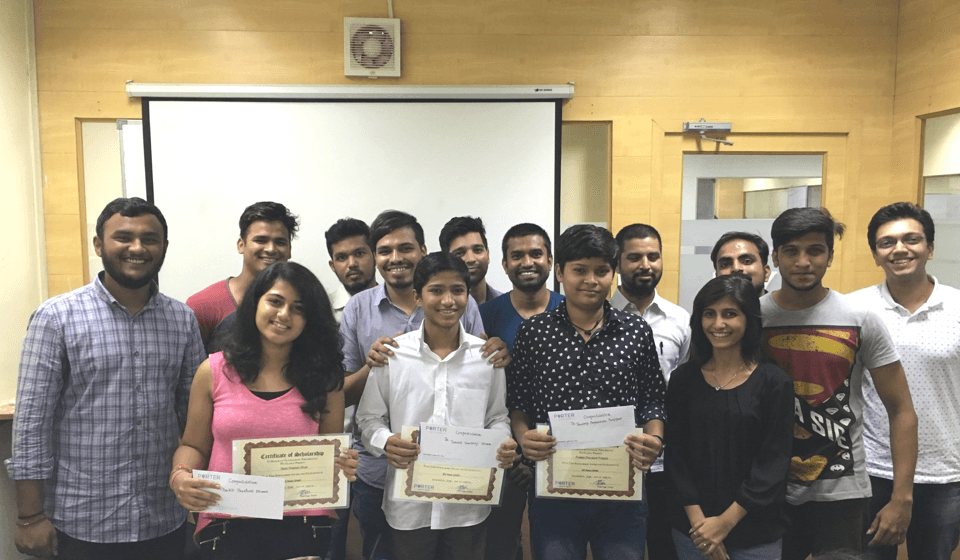
Learn the next neighbourhood
Porter competes with local transporters as well as apps. Uber, Borzo, Rapido and Delhivery Direct overlap with parts of its offering. A merchant’s familiar driver can be a serious alternative: an existing relationship already solves trust and availability. Porter has to make booking through its network useful enough to replace that habit.
Expansion cannot simply repeat the same recipe. In a May 2026 interview, an executive described smaller-city differences in costs and demand, and early difficulties in Delhi NCR. Congestion, sparse local supply and unsuitable vehicle availability can erode the matching advantage. Electric vehicles add possibilities, but charging and purchase costs complicate adoption.
What can another founder copy? Start with the waiting. Find who has capacity sitting idle, who struggles to access it and what prevents a transaction. Prove the match in a small area. Then ask whether the next area has the same conditions. Porter’s empty truck is a useful reminder: an opportunity can be moving past you every day, carrying absolutely nothing.