last-mile-delivery
(63)
Wise wants to get the paperwork out of the driver's seat
A delivery business runs on more than vans. Wise has built a business around the documents, payments and unanswered questions that can turn a driver's working week into an administrative obstacle course.

Ocado Put the Supermarket on a Grid. Now It Has to Prove the Grid Travels.
The British grocer became a robotics company by solving its own least glamorous problem: picking milk, melons and frozen peas without losing money. After a costly first act, Ocado is making the machine lighter, the software looser and the pitch more practical.

The $93 Billion Club That Wants the Checkout Line to Disappear
Sam Walton's bulk-buying experiment has become a $93 billion retail laboratory. Its sharpest idea is wonderfully mundane: give members their time back.

IKEA Bought Made4net to Fix the Mess Behind the Box
Made4net spent two decades arguing that warehouse software should bend before operations break. Then IKEA's largest retailer bought the company and put that thesis inside one of retail's most demanding fulfillment systems.

Moin Islam Is Giving Main Street Its Own Delivery Control Room
A logistics PhD turned nonprofit frustration into software for the businesses that cannot afford a control tower - then spent five years making delivery feel less like guesswork.

Sean Spector Keeps Building for the Last Mile
Before Sean Spector put live tracking on same-day deliveries, he helped put video games in the mail. His career is a study in spotting old systems that customers have quietly learned to tolerate - then rebuilding the experience around visibility, convenience and trust.

Kunal Vyas Built the Missing Mile in Pharmacy
A pharmacy delivery problem followed Kunal Vyas from the counter to the curb. He turned the recurring mess of routes, signatures and records into RxMile - then took the platform into RedSail Technologies.

Christopher Fevry Put Cannabis Delivery on a Clock - Then Built the Software Behind It
A laid-off founder, a regulatory maze, seven outfitted vehicles and a habit of calling on the day a license lands: how Christopher Fevry turned Massachusetts cannabis delivery into an operating system.

How Pet Valu Turned a $100 Million Warehouse Bet Into an 877-Store Playbook for Neighborhood Retailers
Pet Valu sells the recurring essentials pets cannot postpone, but its real product is local trust at national scale. A four-year logistics overhaul shows how the 50-year-old Canadian chain is trying to make that contradiction pay.

DME Express Built a 24/7 Hospice Supply Machine - and Made Spare Capacity the Product
Hospice does not run on business hours. DME Express turned that awkward truth into a recurring logistics business built on local warehouses, surplus gear and technicians who answer the phone at 2 a.m.
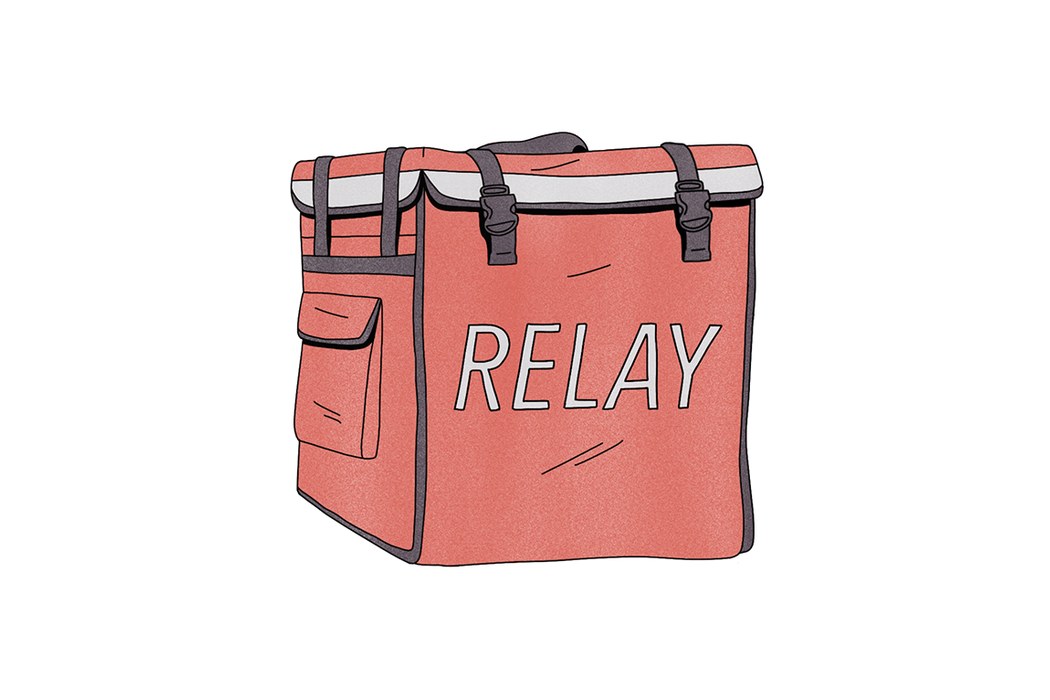
Relay Cut the Apps Out of Delivery - Then New York Repriced the Ride
Relay gave restaurants a clever bargain: keep the customer, rent the courier. Its rise, acquisition and New York exit show both the power - and the hard limit - of unbundling food delivery.

The Couple Who Turned a California Vacation Into Massachusetts' Only Social-Equity Weed Fleet
Chris Fevry and Dharry Pauyo built the state's only social-equity-owned cannabis transporter - then helped kill the rule that put two drivers in every van.

The Tiny Software Layer Between a Prescription and the Front Door
RxMile turns the messy last mile of pharmacy into a documented workflow - routing drivers, updating patients and preserving proof long after the package reaches the porch.

Andrew Travis Took the Long Route to the Corner Office
Before Andrew Travis became Onfleet’s CEO, he spent a decade learning the business from customer visits, dispatch problems and the unglamorous work of operational scale. His promotion is a case study in how an operator earns the keys to a founder-led company.

Adam Bryant Is Turning the Last Mile Into a Systems Problem
A jet-engine designer became a factory operator, then an investor, then the CEO of a parcel network. At Jitsu, Adam Bryant is applying first-principles discipline to the unruly trip between warehouse and doorstep.

The Checkout Button That Smuggles Simplicity Across Borders
Tiendamia built a storefront around the least glamorous parts of global shopping: duties, documents, freight and the anxious wait for a parcel. Its real product is not the billion-item catalog - it is the feeling that the border has disappeared.

The 60,000-Stop Machine Behind India’s Express Economy
TCI Express built a national delivery network without trying to own every truck. Now it is using automation, multimodal routes and a money-back promise to make industrial freight behave more like a trackable parcel.

The Logistics Giant That Sold Its Trucks and Kept the Map
Agility built a freight empire across the emerging world, sold it to a Danish rival for stock, and used the proceeds to buy airports' ground crews and fuel tankers instead. Here is how a Kuwaiti warehousing company became a holding company for the plumbing of global trade.

The Company That Taught Nigeria to Buy Online
Jumia built warehouses, a payment wallet and a fleet of delivery riders to sell phones and rice to a continent the big retailers skipped. Fourteen years in, Nigeria is the market deciding whether the bet finally pays off.

Lion Parcel Has an Airline Hiding Inside Its Delivery Network
Indonesia is an expensive place to move a box. Lion Parcel's answer is to connect thousands of neighborhood agents and couriers to the aircraft network its parent already knows how to run.
The Company Behind the Cart: How Promologistics Runs Mexico's Invisible Commerce Layer
Promologistics does not simply move boxes. The Mexico City company coordinates the warehouses, software, freight partners and last-mile handoffs that turn an order into a delivery - and gives brands one accountable operator when the chain gets complicated.

Jumia Uganda Is Building the Shop That Goes Where Shops Don’t
The orange marketplace sells everything from kettles to phones. Its more consequential product is the route between a seller, a pickup station and a customer far beyond Kampala.

Jeeny Is Turning the Ride-Hailing App Into the Trip Itself
The Saudi-Jordanian app began by making taxis easier to find. Now it is stitching rides, parcels, payments, advertising and travel into one regional mobility layer - while trying to keep the economics attractive on both sides of the car door.

The Dashboard Between the Parcel and the Door
Bigship does not promise to reinvent the cardboard box. It is building the control layer around it - one dashboard that helps Indian sellers choose a carrier, print the label, chase a failed delivery and keep the buyer informed.

Takealot Built South Africa’s Shopping Habit - Now Its Delivery Network Is the Product
The blue-dot retailer spent 15 years teaching South Africans to trust the doorbell. Its next act is to sell the machinery behind that trust - to merchants, subscribers and businesses far beyond its own checkout.

The Shipping Company That Doesn't Own the Trucks
eShipper built its business in the space between a merchant's checkout button and the customer's front door. Its wager is simple: small and midsize sellers can borrow the buying power, software and supply-chain discipline of a much larger company.

The Truck-Rental Name That Quietly Became a Port-to-Door Machine
Ryder still owns the red logo everyone recognizes. The more consequential business now runs behind it - warehouses, drivers, maintenance bays, software and roughly $10 billion in freight under management.

The Chilean Freight Company That Hands Its Drivers the Keys to the Truck
RockTruck moved 1.7 million last-mile deliveries with a fleet it mostly does not own - then sold 70% of the company to a gas giant. Here is how the collaborative model actually works.

Bob Has Been Selling South Africa Everything Since 1999. Now It Wants the Whole Transaction.
The company that began as bidorbuy - a R1, no-reserve auction site - quietly stitched a marketplace, a payment gateway, a courier network and 250 smart lockers into one login. It is chasing unicorn status the unglamorous way: one parcel at a time.
Krispy Krunchy Foods
Krispy Krunchy Chicken built a national restaurant footprint without building thousands of restaurants. Its real product is a compact operating system that turns an ordinary convenience store into a fried-chicken destination.