Abhay Hanjura found something troubling about the bag. Meat could be the centre of a much-anticipated meal, yet the purchase often travelled home inside black polythene. For the Licious co-founder, the wrapping suggested embarrassment around a food people plainly enjoyed. He kept asking why the appetite and the shopping experience seemed to belong to different worlds. There was room, he thought, for a business that let the pleasure begin before anyone switched on the stove.
It is an unusually domestic starting point for a company that would reach a billion-dollar valuation. A bag is easy to overlook. It is inexpensive, practical and gone almost as soon as the groceries arrive. Hanjura treated it as a clue about the category: how it was presented, how people spoke about it, and how much of the purchase they were willing to put on display.
The bag before the business
Hanjura’s route to Bengaluru began in Jammu. He moved south in 2004 for undergraduate study, pursuing biotechnology before entering insurance risk management. His working life included a senior position at Futurisk Insurance Broking. That background gave the future food entrepreneur a rather different starting point from the software founders around him. He had worked in a business built around understanding risk before choosing one in which a customer’s judgment would arrive at dinner.
The decision brought resistance at home. His father initially objected to his son selling meat, although the family ate it. The distinction between enjoying a meal and approving the profession behind it became a practical example of the attitude Hanjura wanted to change. A business proposal had wandered into an argument about respectability. Anyone who has tried explaining a new career at a family table will recognise the difficulty; this one came with particularly awkward groceries.
Hanjura had once hoped to join the Armed Forces. His eventual work gave him another form of organisation to build, with a more perishable inventory. Later, when he and his co-founder appeared at a Harvard Business School India conference, photographs prompted a proud Facebook response from his father. The venture had acquired a different social meaning without changing what it sold.
“I thrive in fluidity.”
Abhay Hanjura, 2022
Two resignations, then a restart
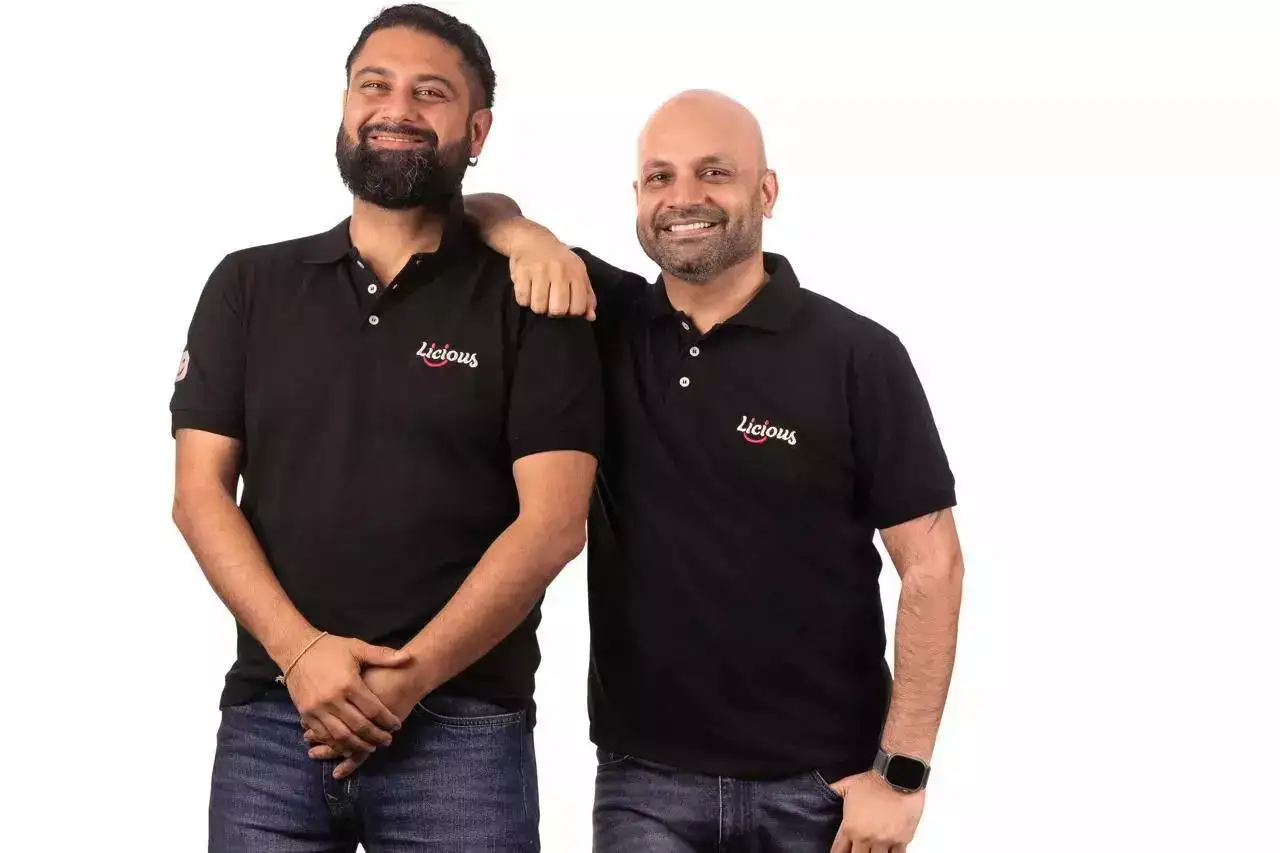
The other person at the beginning was Vivek Gupta, a chartered accountant with experience at venture firm Helion. Friendship and a shared interest in food brought the two together. Disappointing restaurant meals recur in their accounts of Licious’s origins. The business question was larger than a badly cooked lunch: why did people who cared so much about eating well have such an unsatisfactory way to buy the ingredients?
Hanjura brought the appetite for the idea; Gupta brought financial and investment experience. In March 2015, they sent their resignation emails together. The symmetry makes a good founding anecdote, but the pairing mattered beyond the ceremony. One could make the case for a different consumer experience while the other examined what it would take to build a company around it. Both had to leave careers that already offered a respectable answer to questions about their future.
The first launch exposed the gap between intention and execution. Deliveries arrived late. The founders shut operations that day and returned to the work of making delivery function. They relaunched after a pause. There is something refreshing about an origin story with an actual stop in it. The customer had ordered dinner, and the delivery problem required attention before the company could ask for an order.
By October 2015, Licious had handled roughly 1,300 orders in just over a month of active operations. It was working from a delivery hub in Marathahalli and adding another in Kammanahalli. These were small, specific pieces of Bengaluru, with actual journeys between them. The early business had to prove itself over those distances before any grander map could become useful.
The unglamorous machinery of dinner
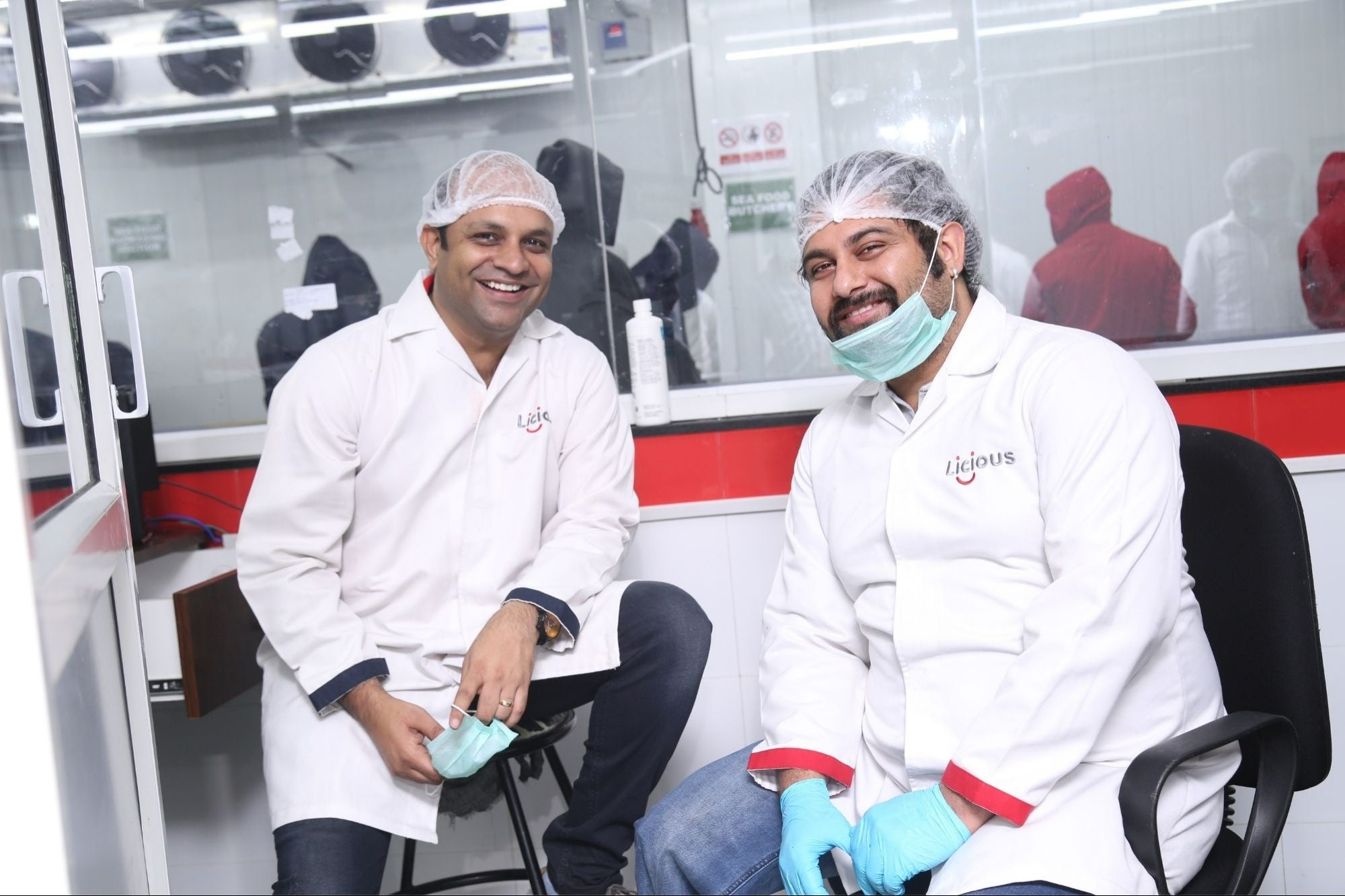
An online storefront made the purchase visible. Behind it lay sourcing, processing, packaging, storage and the journey to the customer. The founders chose to control manufacturing and the supply chain rather than act as a marketplace connecting buyers with other sellers. It was a commitment to work that the customer might never see, although the result would be evident when the packet was opened.
Hanjura described the arrangement in terms of three businesses: logistics at the front, manufacturing at the back and the internet between them. That description explains why Licious could not be understood solely through its app. Every new promise at the screen had consequences elsewhere. A delivery slot needed a working route. A cut needed someone to prepare it. A product needed a way to stay chilled throughout the journey.
- 01SourceProducer relationships
- 02PrepareOwned processing
- 03Keep chilledCold-chain movement
- 04DeliverThe customer’s door
In their early descriptions of the operation, the founders explained that processing centres fed delivery centres through temperature-controlled transport. The last stretch used a specially designed chilled bag. It was an elaborate answer to a familiar purchase. The machinery had to turn a promise about freshness into something repeatable across a city, then across several cities.
Raising money for that machinery could be difficult. Gupta’s later account of the 2017 fundraising effort included 42 flights in 27 days and dozens of investor meetings. The itinerary is a useful corrective to the idea that a good pitch simply finds its audience. Their business still required explanation, again and again, while salaries and other costs continued to arrive on schedule.
A brand with a memory
Hanjura’s public persona leaves room for the joke. The founders have used expressions such as “Born to Meat” and “Work around the Cluck”. The wordplay fits a company selling ingredients for enjoyable occasions. It also makes a technical operation easier to approach. A cold chain can support the product while the language around it welcomes the customer.
The humour sits beside a serious interest in how a brand survives its founders’ daily involvement. In 2021, Hanjura described writing a 70-page book about Licious’s development. New employees received a record of its evolution, decisions and customer responses. It gave the organisation a memory that did not depend on catching a founder between meetings.
That is a revealing task for someone who describes himself as drawn to fluidity. He was willing to put the company’s history on paper so other people could understand how it had arrived at its choices. The book offered context as the team grew. A new colleague could meet the brand’s past before making a decision about its future.
The customer appeared in the company’s visual identity too. Through an initiative called Facehunt, Licious collected testimonials and recipes and put drawings of customers on packaging. When the identity was refreshed in 2022, that idea continued. The person opening the packet could encounter another buyer’s face on it. The packaging had become something the business wanted people to notice.
Repeat purchases provided a more demanding form of feedback. The founders discussed the second order as a central measure of the business. A first purchase can come from curiosity, a promotion or a friend’s recommendation. Returning means giving the company another place in the household’s routine. Hanjura’s ambition for a lasting brand depends on earning that place repeatedly.
“The key thing for an entrepreneur is to know what not to do.”
Abhay Hanjura, 2020
The shop comes back into the picture
Licious reached unicorn status in October 2021 after raising $52 million at a valuation above $1 billion. Recognition followed the founders’ work in making a branded meat business credible. Hanjura had already appeared in Entrepreneur India’s 35 Under 35; he was also included in the ET 40 Under Forty cohort for 2021. Such milestones made the business easier to describe, though they could not deliver the next order.
The next stage brought an interesting change in format. In 2024, the founders discussed plans for a much larger network of physical shops. Hanjura called offline retail a natural evolution. Customers could walk in and ask for cuts, while the existing processing and distribution operation supported the stores. The business that had brought meat shopping onto a screen was finding a place for the counter again.
By April 2026, Licious reported more than 60 retail outlets. Its reported FY26 revenue was ₹1,166 crore, compared with ₹795 crore in FY25. Those figures came from company-released, unaudited results. Growth also carried costs: spending on infrastructure and offline expansion contributed to wider EBITDA losses. The new chapter involved a familiar commercial question about how much demand the next investment would earn.
Reported revenue
In August 2025, the founders placed a tentative public listing in 2027-28 and spoke of becoming profitable before it. Hanjura said their horizon extended beyond the IPO. The plan leaves him with the practical work of a consumer business: stores to support, delivery routes to improve and customers to persuade that another purchase will be worthwhile.
The black bag remains a useful way to understand his original question. A business can change the feeling around an everyday transaction, provided it does the work behind that feeling. Hanjura began with the pleasure people took in a meal. Licious keeps being tested earlier in the evening, when someone decides where to buy it.