When Full Glass Wine Co. bought Winc in June 2023, it acquired a wine business with a recognizable name and an inconvenient secret. The software underneath it was eight years old. According to the new owner, reporting scarcely existed and ordinary changes could take months. A business built to make wine approachable had made its own operations rather difficult to approach.
- Acquire established wine brands and their customer relationships.
- Share commerce, marketing and fulfillment while preserving distinct identities.
- Judge the idea by operating economics, not the number of bottles on the shelf.
The repair was not in the original plan. Full Glass said it rebuilt Winc’s technology in 90 days, with support from Electriq, DRINKS and Shopify, without pausing sales. That discovery offers a better introduction to the company than a photograph of a vineyard. Full Glass’s central proposition lives behind the shop window: good brands may become better businesses when somebody finally fixes the machinery.
The acquisition is the beginning
Founded in 2023 by Louis Amoroso and Neha Kumar, Full Glass is a holding company for direct-to-consumer wine businesses. It buys brands with existing audiences rather than waiting years to introduce a new name. Winc came first; Wine Insiders followed later that year. Bright Cellars joined in April 2024, Splash Wines and Scout & Cellar in September, and Wine Access and Cameron Hughes Wine were announced in December.
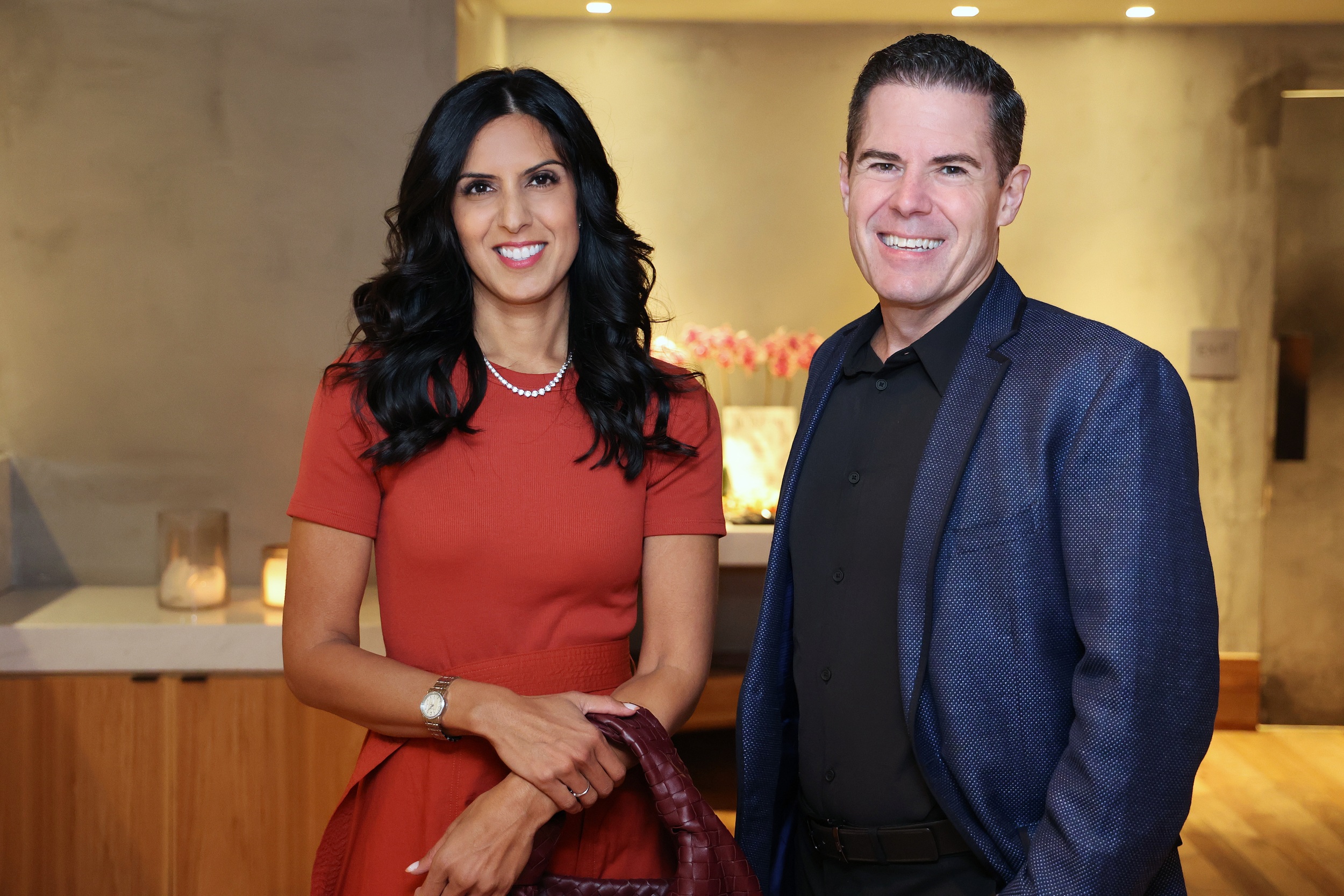
The founders brought complementary experience. Amoroso founded Beverage Solutions in 1991 and has spent decades in beverage direct marketing. Kumar previously served as COO and CFO of Create & Cultivate and teaches finance and operations at UCLA. Their current biographies identify both as co-CEOs. One understands the long courtship between drinker and merchant; the other knows that a courtship still requires a budget.
Several doors into the same cellar
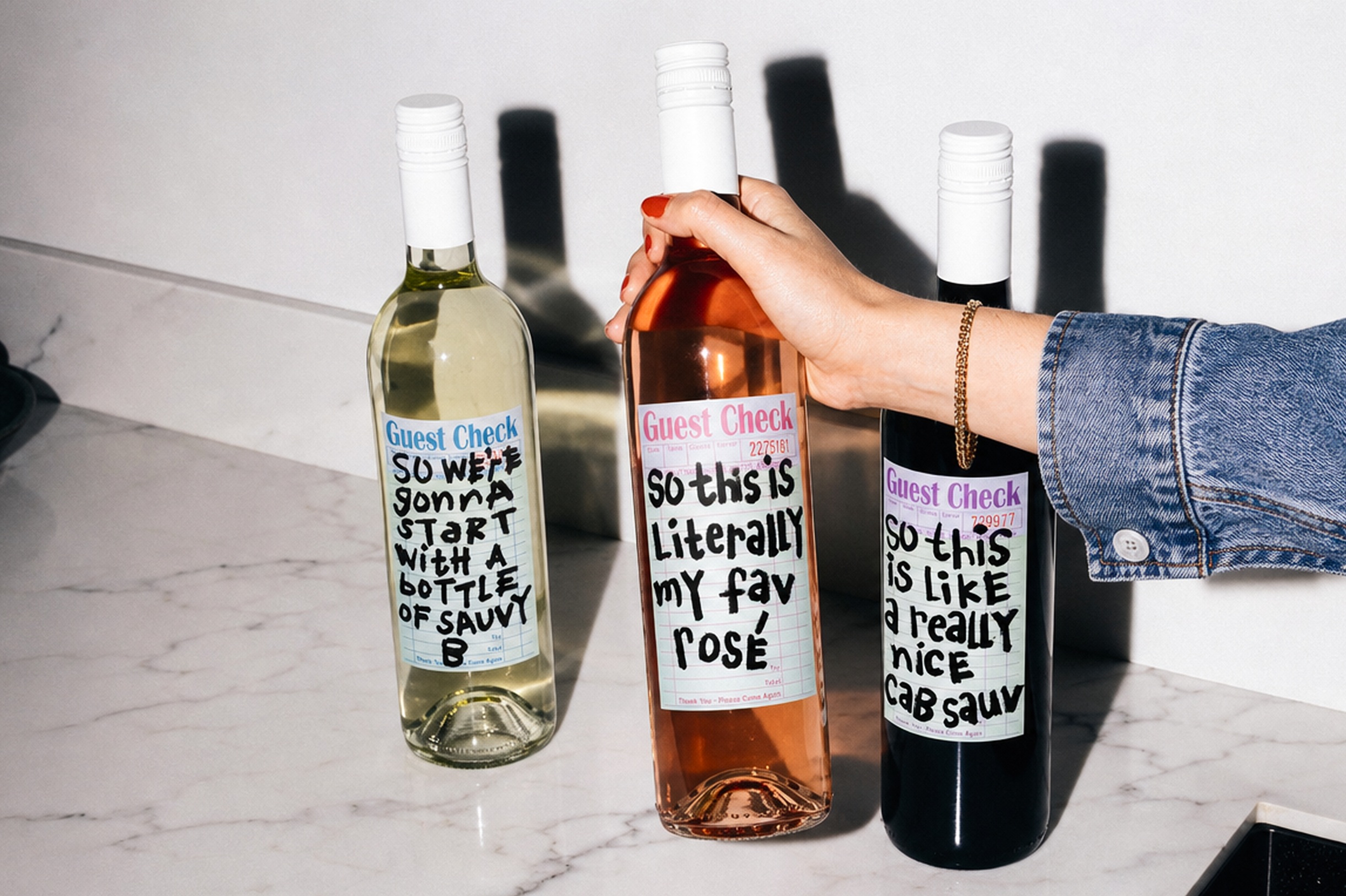
There is a reason to keep the names. Wine buyers do not all want the same reassurance. Winc offers approachable discovery and membership. Wine Insiders emphasizes curated selection and value. Splash sells curated cases. Wine Access brings expert selection and the stories behind bottles. Scout & Cellar has its own Clean-Crafted standards and consultant-led tastings. Cameron Hughes offers exclusive lots, now presented through Wine Insiders on Full Glass’s website.
These are different invitations to spend an evening. A collector seeking an unusual producer needs a different conversation from someone who wants a dependable case for dinner parties. Full Glass’s differentiation is the breadth of those relationships under shared ownership. A single-brand wine club must stretch one identity across its audience; a portfolio can meet people through several identities.
For customers, the useful action is straightforward: choose the brand whose selection, buying format and price suit the occasion. The parent company is not a replacement for comparing bottles or reading membership terms. It is the operator behind the businesses through which those choices happen. Local merchants, winery-direct shops and other online retailers remain plausible alternatives.
The bottle has to pay its way
Full Glass announced a $14 million Series A led by Shea Ventures in April 2024. That is financing, rather than the total purchase price of seven businesses. Modern Retail reported that some proceeds would pay down seller financing. The distinction matters: acquiring established revenue can require both new equity and obligations to the people selling the businesses.
Revenue also deserves careful labeling. In September 2024, the company projected $125 million in pro forma revenue for that year and forecast $185 million for 2025. Later podcast materials described a $200 million platform. Those descriptions indicate claimed scale; they do not establish audited annual results or profitability. Adding businesses increases the revenue column before it proves that their combined operation is more efficient.
Announced acquisitions, not a count of current standalone stores.
The economics become clearer when one remembers that wine is heavy. Every separate system, small shipment and duplicated process can consume part of the margin. Full Glass’s September announcement described shared marketing and three U.S. warehouses. The intended benefit was lower costs and faster delivery, with brands retaining their own approaches. Scale is useful when it removes repeated work.
The software changed the plan
“Seemingly simple changes required months of work.”Full Glass Wine Co., on Winc’s legacy platform
Winc’s old platform forced an immediate change in priorities. The replacement put commerce on Shopify Plus and integrated DRINKS tax and compliance tools into checkout. A DRINKS case study reported a 46% increase in conversion rate and a 13% increase in average order value. Those are vendor-reported results, but they identify the sort of improvement an acquisition thesis should seek: a customer can complete a purchase more easily, and the order is worth more.
The broader operating lesson is to inspect the parts customers cannot see before assuming an attractive brand is easy to scale. In an April 2025 U.S. Chamber interview, Kumar emphasized trusted networks, acquisition discipline and cultural continuity. Buying another company means taking responsibility for its people and habits. Centralization loses its purpose if it damages the customer relationship that made the acquisition interesting.
A lighter bottle, a longer test
In July 2026, Scout & Cellar introduced Petalscape Sauvignon Blanc and a red blend in Frugal Bottles, announced at $23 each. The packaging uses recycled paperboard around a food-grade pouch; Monterey Wine Company produced the bottles in California using Frugalpac machinery. It gives the portfolio a tangible new experiment: wine suited to outdoor occasions where glass is inconvenient.
The same month, Full Glass and AMASS reset an earlier supply agreement, replacing a $4 million purchase obligation with a $427,000 settlement. Integration continues well beyond an acquisition announcement. The copyable idea is to preserve the reasons people buy while sharing the expensive work of serving them. It depends on healthy customer relationships, workable fulfillment and careful inventory decisions. If those conditions disappear, a larger portfolio merely gives the operator more places to look for the leak.