There is an unusual way to introduce an energy drink: ask people to be careful when they search for it. In April 2024, Lucky Energy did precisely that. Its former name, Lucky F*ck Energy, could send an innocent customer into rather less innocent corners of the internet. The company made the inconvenience into a campaign called “Search at Your Own Risk.” On the can, a strip of printed tape covered the offending word. The edit became the advertisement.
- Zero-sugar, zero-calorie drinks with 200 mg of caffeine.
- A founder’s survival story beneath the irreverent branding.
- More than 15,000 U.S. retail locations reported by November 2025.
- Gummies and a smaller SLUSH can added in 2026.
The interesting thing about the tape is what it preserved. Lucky could become easier to discuss, search for and stock while retaining the memory of its original audacity. For a young company entering a crowded aisle, that is a useful bargain. Attention gets someone to look at a can. Buying the can should require considerably less courage.
A bracelet before a business
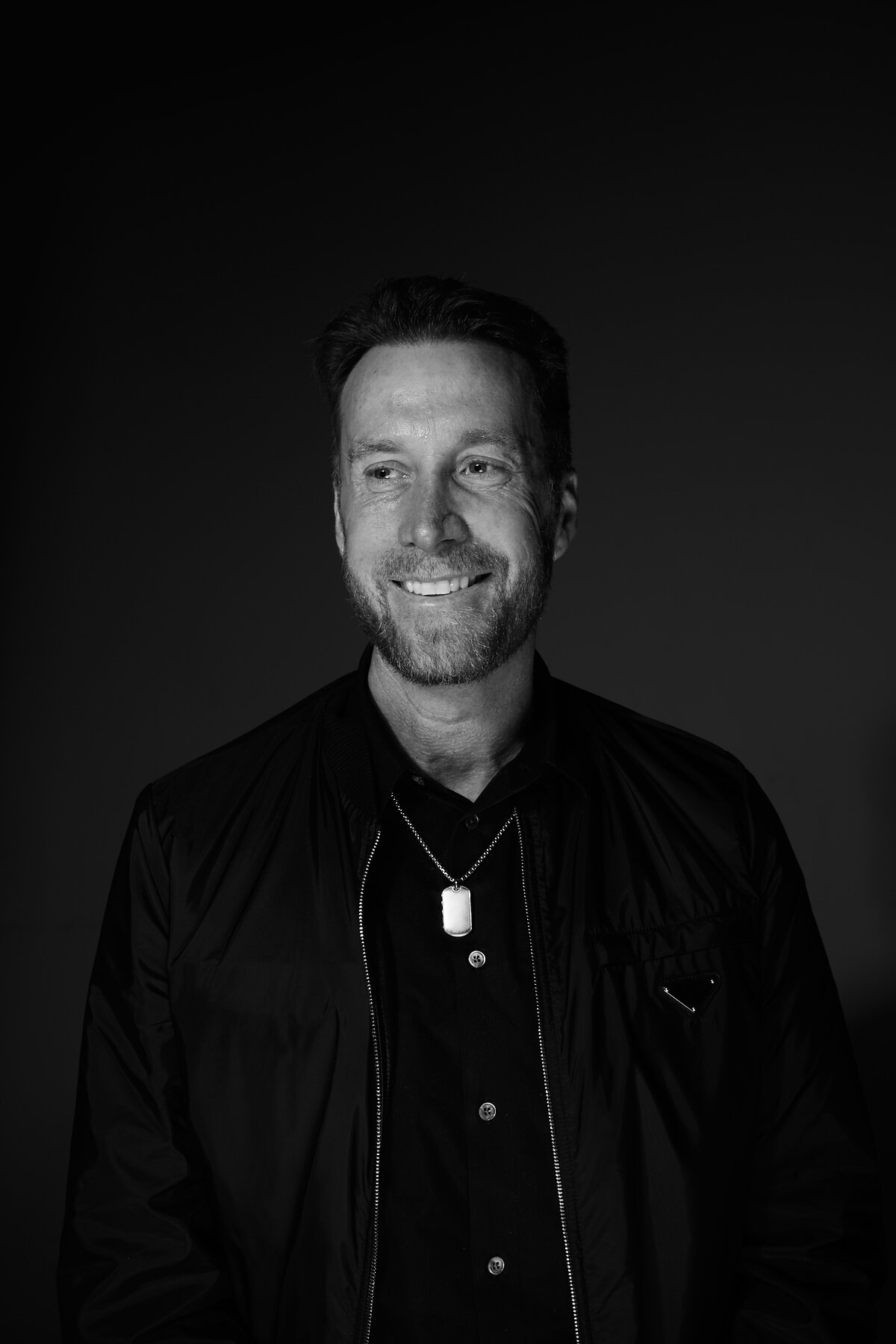
Richard Laver’s original name came from a bracelet his son gave him. The sentiment had a history. As a child, Laver survived the 1985 crash of Delta Flight 191; his father died. Years later, he founded Kate Farms after his daughter’s medical needs led him toward plant-based nutrition. Lucky, founded in 2023, brought that experience into a consumer product with a very different public personality.
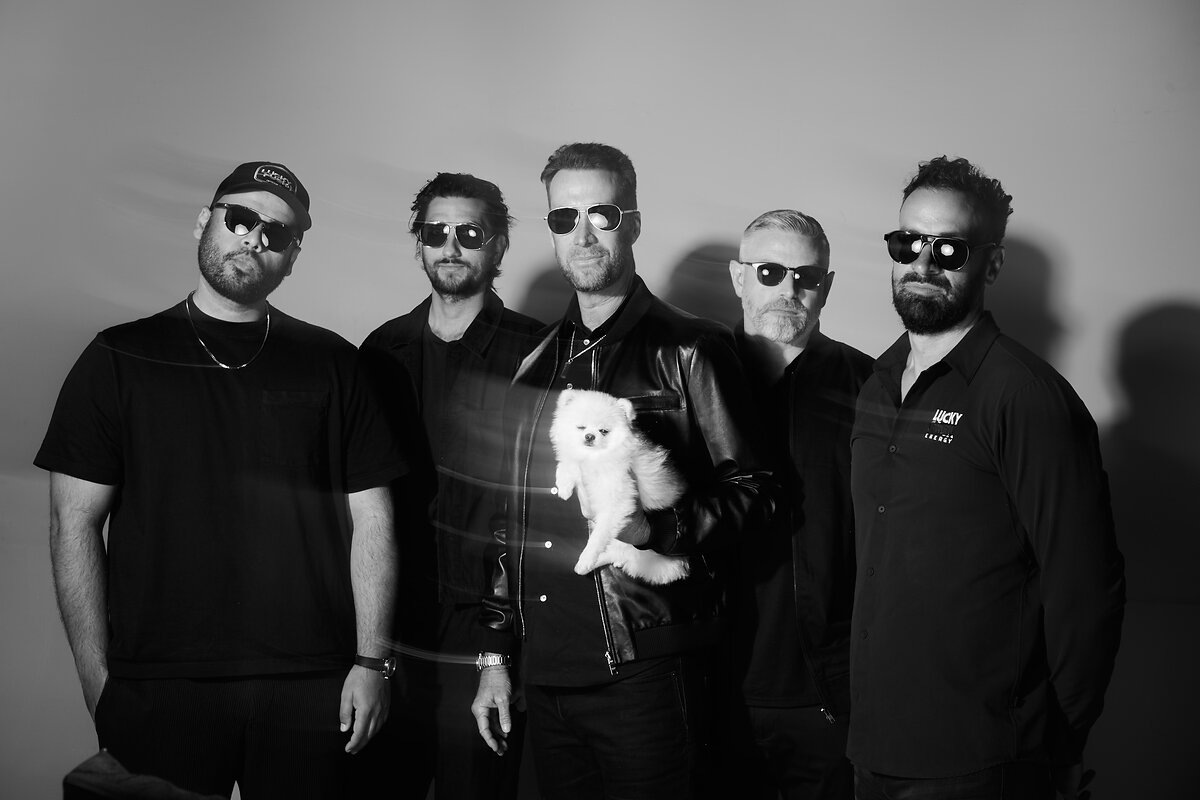
Its creative agency, Movetic, described the intended voice as a combination of edge and gratitude. The tension explains the brand better than a list of trendy adjectives. A rude name draws the eye; a survivor’s story gives it somewhere to go. The agency built an identity, a brand book and photography around ordinary people as well as active ones. Lucky’s imagined customer could have a difficult afternoon without having an athletic career.
Five ingredients people can remember
Lucky sells caffeinated drinks to adults who want energy without sugar. Its pitch centers on five featured ingredients: caffeine, maca, ginseng, taurine and beta-alanine. Standard drinks carry 200 mg of caffeine and are marketed as zero sugar and zero calories. The formulation is only part of the introduction. Names such as Son of a Peach and Bodacious Berry give the customer something more entertaining to repeat than a chemistry lesson.
“Super ingredients” is the company’s language. It gives shoppers a compact story about a functional beverage; it does not, by itself, establish better performance than competing drinks. The useful distinction is between what the label states and what the branding invites someone to feel. A buyer can compare caffeine, sugar, flavor and format. Claims about a smoother experience remain claims about the experience.
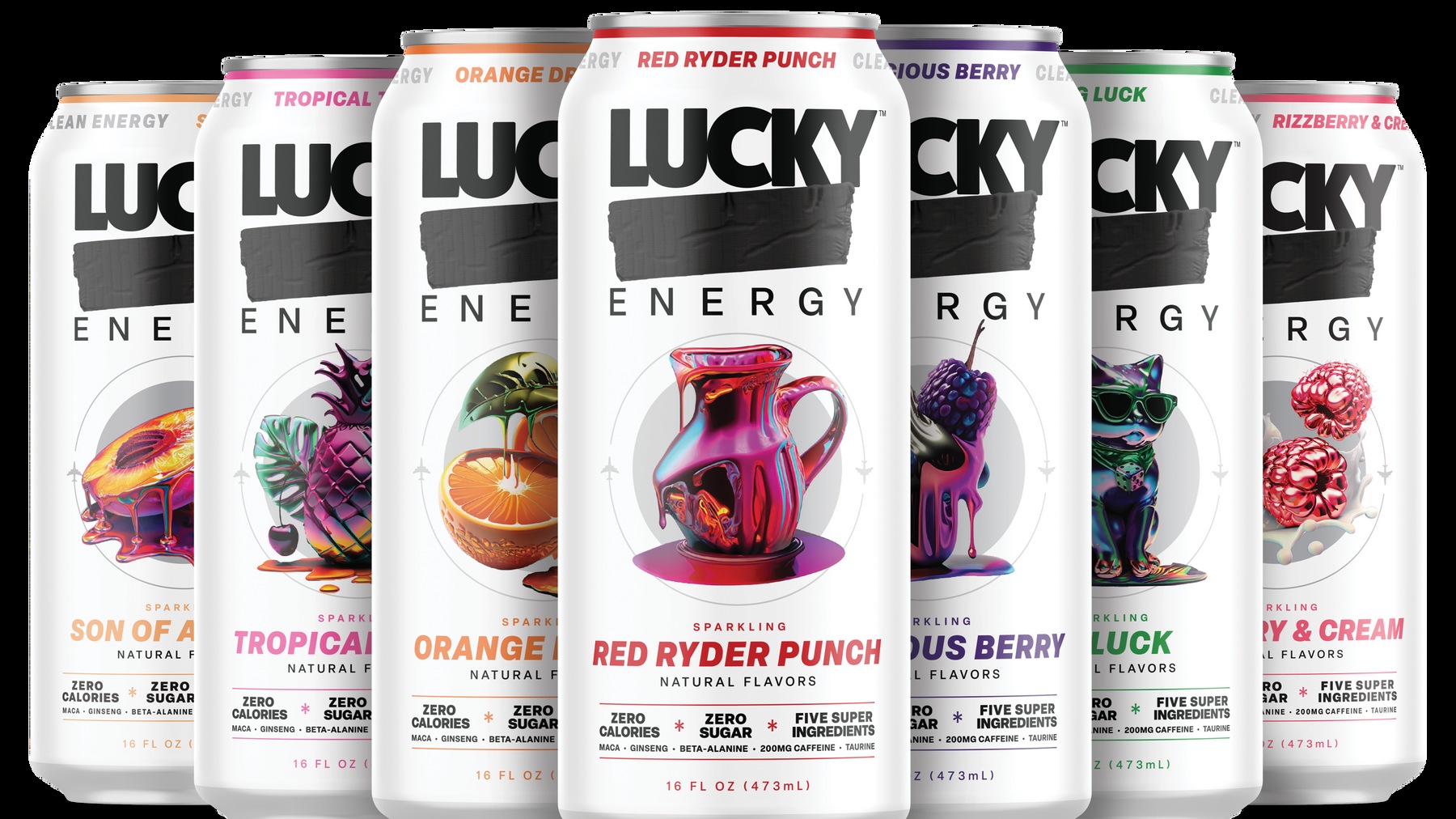
That puts Lucky among familiar alternatives: Red Bull, Monster, Celsius and C4, as well as the coffee someone might otherwise buy. Zero sugar alone cannot carry the entire argument. Lucky’s particular combination is the ingredient pitch, irreverent packaging and the founder’s personal connection to perseverance. Its competitive position depends on customers liking that combination enough to purchase it again.
The shelf has a less amusing sense of humor
The rebrand addressed a commercial obstacle early. Former Liquid Death executive Hamid Saify led the campaign, which included videos and outdoor placements in Austin, Los Angeles and New York. The company kept the visual joke while adjusting the name for mainstream use. This was a revision of the introduction, rather than evidence that the underlying drink had failed.
The subsequent distribution numbers tell another part of the story. In March 2025, Lucky reported roughly 10,000 retail doors and 110 direct-store-delivery contracts. By November it reported more than 15,000 locations. Those figures describe availability, not individual customers or repeat purchases. They nevertheless show why a beverage company needs expertise beyond clever advertising: somebody has to get the product into stores and keep it there.
Lucky combines those retail relationships with direct online sales, Amazon and TikTok Shop. In February 2026, it announced a rollout to 218 H-E-B stores, with placement in Healthy Living sections, and a March expansion through EG America. The same announcement introduced commercial, sales and distribution leaders with experience at OLIPOP, Red Bull and Congo Brands. The joke may open the conversation; the operating team must carry the cases.
The money buys the next introduction
Capital supported that effort. Lucky announced an $11.75 million Series A in September 2024, a $14.2 million Series A1 in March 2025 and a $25 million Series B in November 2025. Paine Schwartz Partners led the latter. The company described expansion and product development as priorities. These are financing amounts, rather than a price tag for the tape or proof of profitable growth.
In April 2026, Lucky introduced SLUSH: Blue Razz, Cherry Slush and Strawberry Slush in its first permanent 12-ounce sleek can. The launch offer was $29.99 for twelve cans online. The nostalgia is legible immediately. A corner-store flavor can make a new brand feel familiar before the customer has learned its biography.
Gummies extend the same idea into another occasion. Lucky’s April announcement specified 128 mg of caffeine and 7 grams of fiber per serving, with familiar beverage flavors. It announced Sheetz and Walmart retail plans; Walmart now has a gummy listing. For travel or a bag packed without room for a can, the format supplies a different way to buy caffeine.
“Energy is no longer defined by a single product or occasion.”Richard Laver · April 2026
An edit worth borrowing
The transferable lesson is modest: identify the part of a brand that makes purchasing awkward, then make its removal memorable. Lucky’s tape worked because there was already a personality underneath it. Copying the provocation without the story, distribution or money would copy the decoration. And broader availability still leaves the decisive question to the shopper standing at the cooler: which one would you like again?