functional-beverages
(17)
Jordan Bass Put the Beer Moment in a Can - Then Left the Beer Out
A fourth-generation beverage entrepreneur turned a post-adventure ritual into HOPWTR. Six years, thousands of hand-fixed cartons and one strategic acquisition later, Jordan Bass is still selling the moment as much as the drink.
Brad Kifferstein Bet on the Mug You Already Reach For
Before VitaPerk became a stickpack, Brad Kifferstein sold carpet to college students, syndicated real estate and learned product development at Crypton. His enduring idea is equally practical: the easiest routine to build may be the one that borrows a ritual people already keep.
VitaPerk Spent Five Years Hiding 15 Vitamins in Your Coffee - Here’s the Habit Hack Founders Can Steal
The Michigan startup tried to make vitamins disappear into America’s most stubborn ritual. The formula took years, the crowd round stayed small, and the underlying product lesson is still unusually portable.
The Hard-Kombucha Startup That Bought Too Much Brewery - Then Found Its Real Business
Embolden began with hard kombucha, landed in a 20-barrel brewhouse, and turned excess capacity into a three-brand beverage portfolio. Its useful lesson is not to chase every category - it is to make one expensive asset serve several kinds of customer.
HOPWTR Sold the Beer Ritual Without the Beer - Then Big Beer Bought In
Two overworked dads wanted the cold-can reward without the next-day tax. Six years later, their functional hop water sits nationwide - and inside Constellation Brands' beer portfolio.
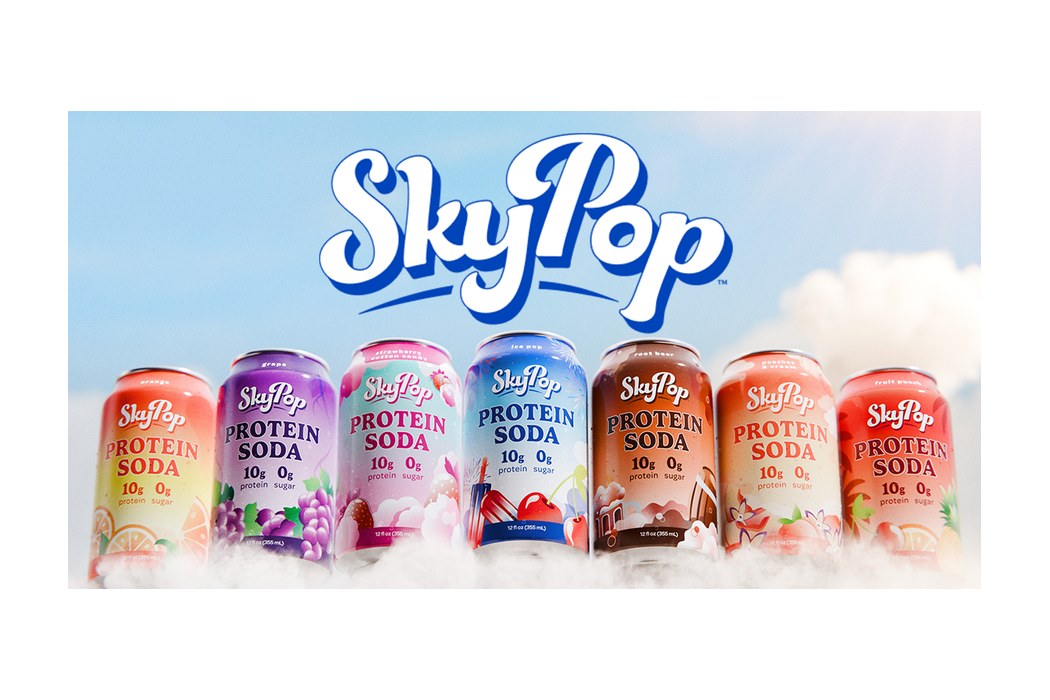
SkyPop Killed Its Protein Shakes to Put 10 Grams of Protein in Your Soda Break
The company formerly called Don't Quit discovered that its most interesting product did not belong in the gym bag. So it dropped the shakes, softened the sports talk and took protein soda to the supermarket aisle.
The $94 Billion Machine That Sells the Drink and the Chips Beside It
PepsiCo's real product is not cola or chips. It is a portfolio-and-distribution system built to win the entire snack break - then repeat that trick more than a billion times a day.

Kyle Watson Turned a Fitness Niche Into a Brand Built for Everywhere
She learned marketing in stores, stadiums and scrappy beverage teams. Now Kyle Watson is protecting three distinct brand identities while turning community attention into durable growth.
The Yellow Can Is Now Yerba Madre - and the Name Change Is the Least Interesting Part
After nearly three decades as Guayakí, America's dominant yerba mate brand changed the label, kept the yellow can and made its real product easier to see: a market for the forest left standing.
The $3 Billion Orange-Juice Startup With a Nearly 80-Year Memory
Tropicana Brands Group was born in 2022 carrying brands old enough to have breakfast memories of their own. Its next act depends on turning a refrigerated-juice machine into a broader beverage portfolio without squeezing away what consumers already trust.
AG1
AG1 built a reported $600 million business by turning a scoop of green powder into a morning ritual. Now the company that preached one product, one channel and one flavor is testing how far that ritual can stretch.
GT's Living Foods
GT Dave started bottling fermented tea in his parents' kitchen as a teenager. Three decades later he owns 100% of the company that created America's kombucha aisle - and has turned down every buyer who came knocking.
Vita Coco
How two guys and a bar-room question about homesickness became a public company that pours roughly half of America's coconut water - and files its social mission in the same drawer as its earnings.
poppi
Poppi turned a kitchen experiment into a brightly colored argument that soda could belong in the wellness aisle. PepsiCo's $1.95 billion acquisition shows how valuable that argument became - and how the brand now has to prove it can travel.

CELSIUS
A Florida fitness drink spent two decades escaping the supplement aisle. Now CELSIUS, Alani Nu and Rockstar share one owner, one powerful distributor and a new problem: proving that three brands can move as one without losing what made each matter.
Jill Beraud
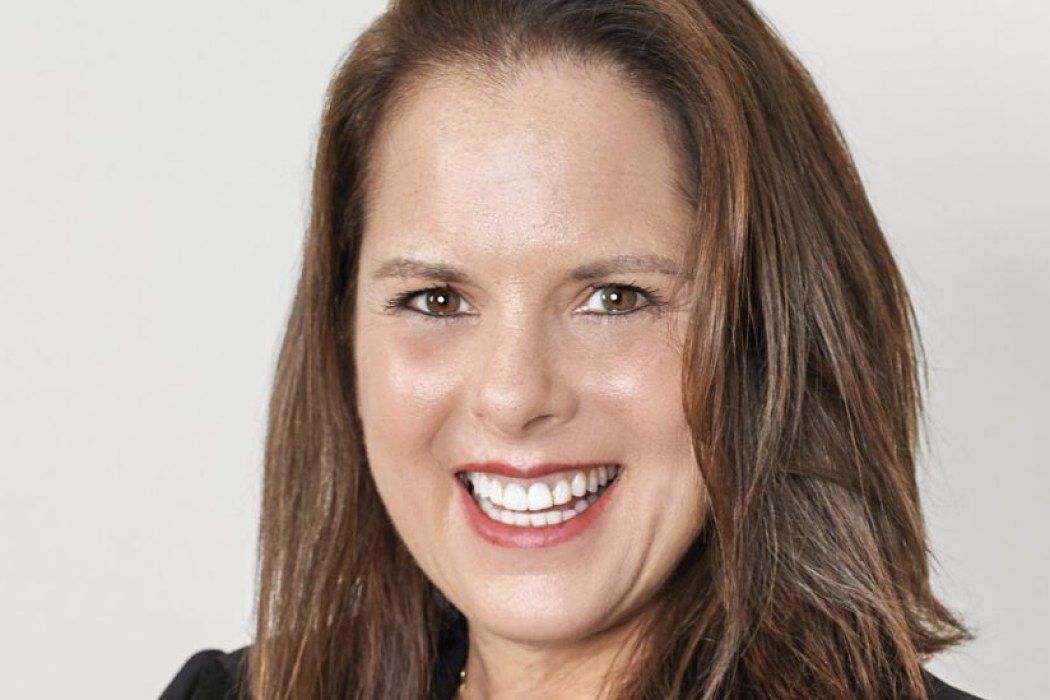
Jill Beraud is an American consumer brand executive who has spent more than three decades building and running some of the best-known names in retail, beauty, luxury and beverages. She began in brand management at Procter & Gamble, ran her own New York advertising agency, then spent 13 years at Limited Brands, where as Chief Marketing Officer of Victoria's Secret she helped grow the label into a multi-billion-dollar business and also led marketing across Bath & Body Works, Express, Henri Bendel, C.O. Bigelow and Limited Stores. In December 2008 PepsiCo created the role of worldwide Chief Marketing Officer for her, reporting to Indra Nooyi; there she pushed the company away from Super Bowl spending and into the $20 million Pepsi Refresh Project, and later ran the Starbucks and Lipton joint ventures. She went on to serve as CEO of Living Proof, EVP of Global Retail Operations at Tiffany & Co., and CEO of the luxury jewelry house IPPOLITA, before co-founding the plant-based functional beverage company Sh'nnong. Fast Company named her one of its 100 Most Creative People in Business in 2013. She has sat on the board of Levi Strauss & Co. since 2013, was re-elected in April 2026, chairs the Fashion for Good board, and has served on the World of Children Board of Governors since 2009.

Taika
Taika is a San Francisco-based functional beverage company making ready-to-drink canned coffees and matcha lattes infused with adaptogens and functional mushrooms - ingredients like L-theanine, ashwagandha, and lion's mane - meant to deliver focused energy without the jitters or crash. Founded in 2019 by former Facebook engineer Michael Sharon and world-class barista Kalle Freese, the brand is plant-based and sweetened with monk fruit for zero added sugar. Its tagline, 'Feel Inspired, Not Wired,' captures the pitch: caffeine with calm, sold direct-to-consumer online and through retail.