The FRS Company had a name that sounded like a laboratory drawer: Free Radical Scavenger. It put those three words behind a fruit-colored can and asked an ordinary shopper to believe that an antioxidant could do the work of an energy drink. The ingredient was quercetin, a compound found in apples, onions and berries. The formula paired it with green tea extract and vitamins. The pitch was unusually ambitious for the beverage aisle: energy with a little less of the sugar-and-caffeine theater that surrounded its louder neighbors.
The company’s own history traces the formula to scientists seeking sustained energy for chemotherapy patients. By 2004, that work had become a consumer product. The journey from fatigue research to a supermarket cooler is the interesting part of FRS. Scientific language gave it distinction. The supermarket demanded taste, a price, a distributor and a reason to stop walking. FRS had to learn all four.
- FRS sold quercetin-centered energy drinks, concentrates, chews, powders and shots to athletes and everyday consumers.
- It launched into more than 92 QFC supermarkets around Seattle in 2006, then expanded through retail and online sales.
- A Pepsi warehouse agreement helped its national push; after that agreement expired, FRS built an independent distributor mix and bought its chew manufacturer.
- The public lesson: a strong formula can open the door, but control of format and distribution decides what happens after.
The ingredient that needed a translator
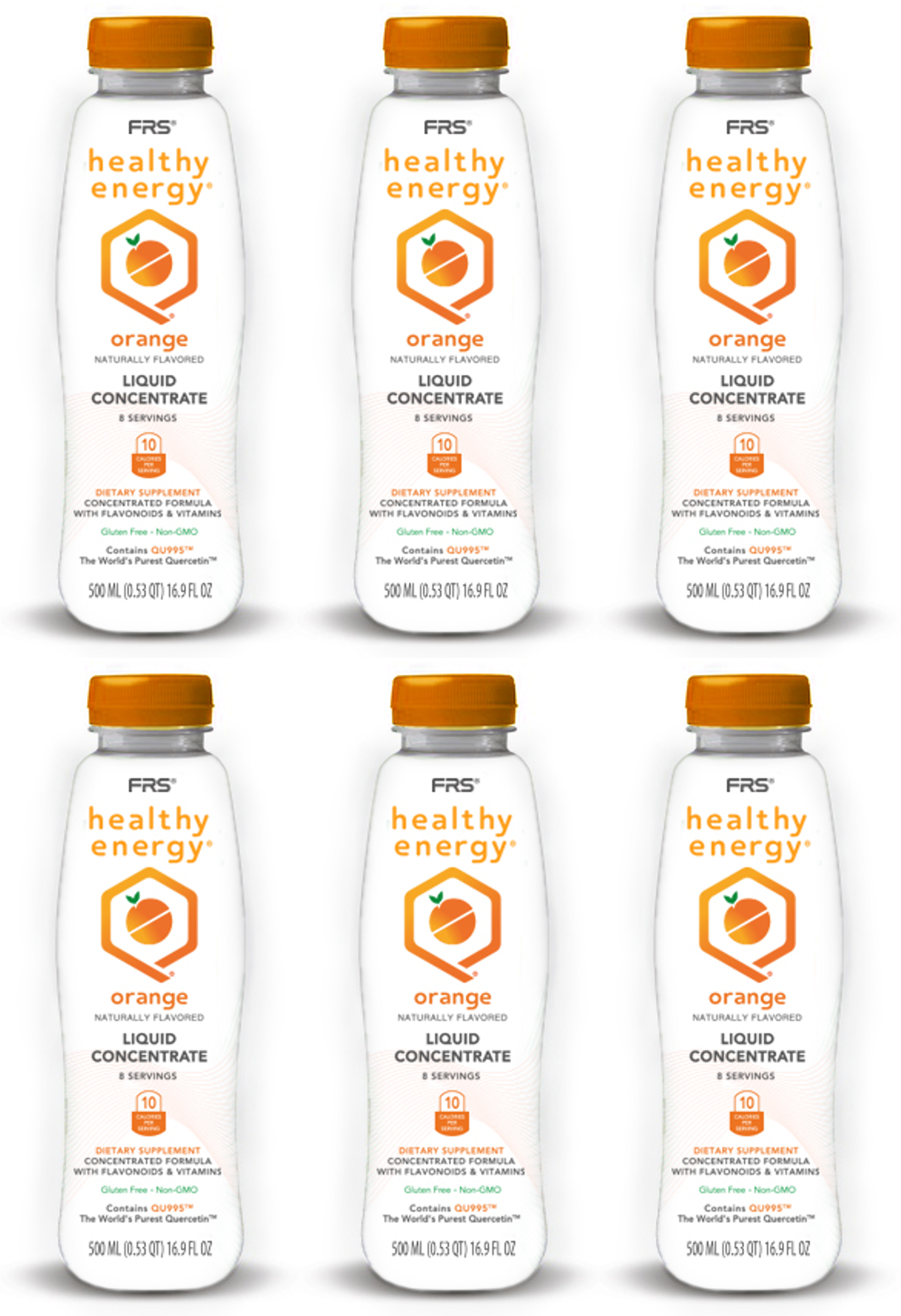
Quercetin made FRS different from the typical can built mainly around stimulation. The original line mixed the antioxidant with green tea catechins and seven vitamins. FRS sold ready-to-drink beverages for the grab-and-go customer, liquid concentrate for mixing at home, and portable chews, powders and shots for people who wanted the formula without a can. It was a practical portfolio: the same central idea adapted to a fridge, a gym bag or a kitchen glass.
The audience was broad by design. The company spoke to athletes, fitness enthusiasts and anyone tired of feeling tired. It used endorsements from Lance Armstrong, Tim Tebow, Derek Fisher and other sports figures to turn the difficult ingredient into a familiar promise. A quarterback could pronounce quercetin for the customer, figuratively speaking. That is the efficiency of a celebrity endorsement: it lends a story to an unfamiliar word. It also lends the brand the celebrity’s problems when the story changes.
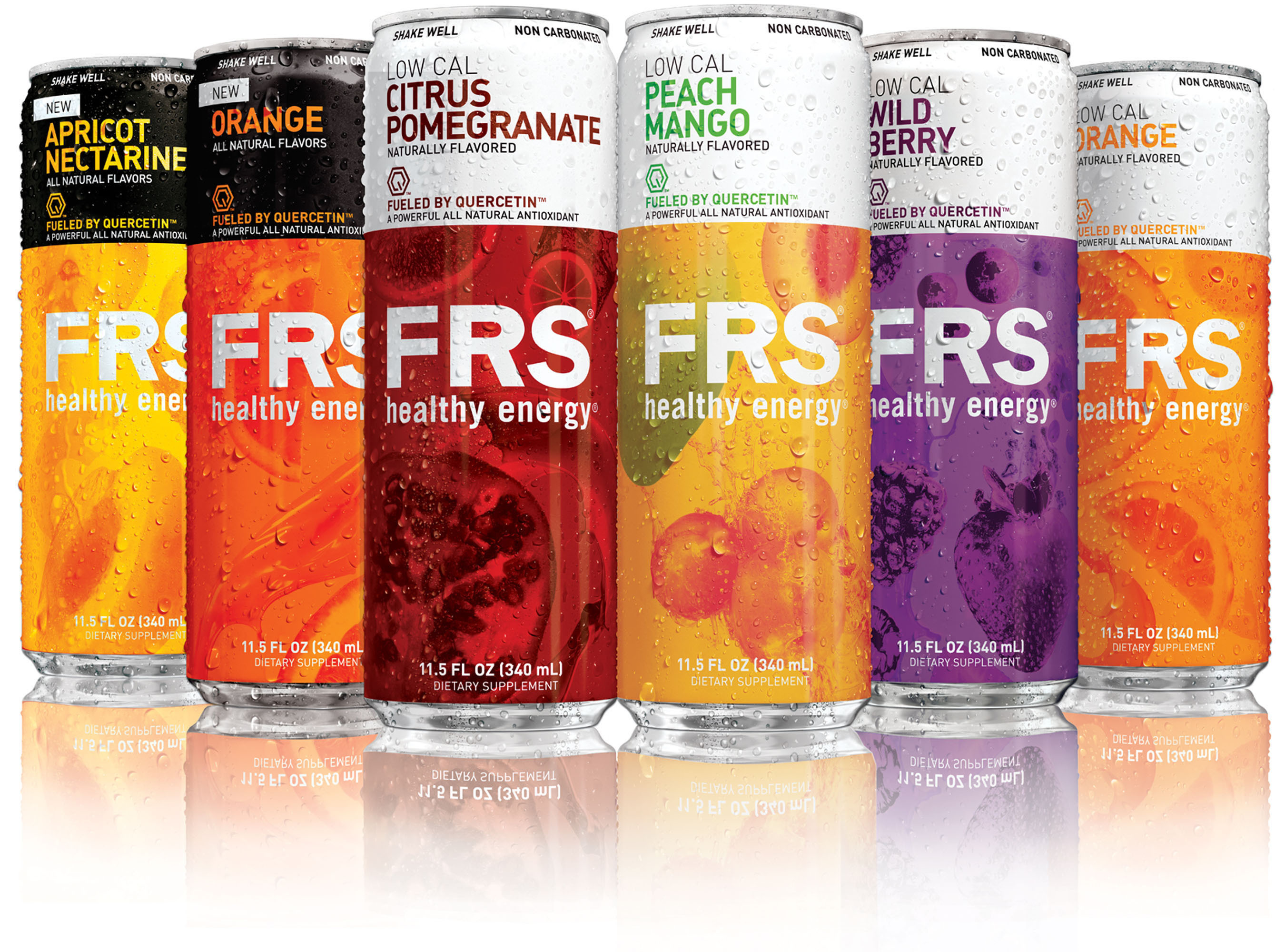
Early distribution was concrete. In 2006, the ready-to-drink beverage debuted in more than 92 QFC supermarkets in the Seattle area. Four years later, Pepsi Warehouse Services gave FRS a route into certain retail channels. But the route came with a visual problem. A science-led supplement had to look more like a drink. FRS redesigned its cans with bold fruit graphics and clearer flavor cues. The packaging trade press reported that the redesign was part of making the Pepsi arrangement work.
The shelf had its own chemistry
A national shelf looks like a marketing achievement from a distance. Up close, it is a moving bill. Heavy cans travel through warehouses, compete for cooler space and require the right display in the right store. FRS could spend on a famous face and still lose the sale if the can was missing. The 2012 expiration of its Pepsi Warehouse Services agreement brought that dependency into view. FRS and Pepsi agreed not to renew it. The company said it would use a combination of direct sales and independent distributors to gain more control over availability and merchandising.
This was the first break in the simple version of the story. The brand had a formula, money and retail visibility. Yet being present in a national channel had not settled the question of how to keep the product present. FRS changed its route to market, then changed the machinery behind the product. In January 2013, it announced the acquisition of Nutravail, the maker of its soft chews and quercetin flake. Nutravail also made private-label products for other sellers. The purchase gave FRS access to a manufacturing process, new formats and revenue beyond its own label.
The acquisition had another quiet advantage. A chew has different shipping math from a can. A concentrate lets a customer supply the water at home. Neither format solves every retail problem, but both make the brand less dependent on ready-to-drink logistics. The company’s current parent storefront still presents FRS Healthy Energy as a quercetin-led line and describes a repeat-order VIP Autoship program. Its reviewed listings for concentrate and planned capsules are marked sold out, so the storefront is best read as a description of the offer, rather than proof of current availability.
When the claim gets ahead of the can
FRS’s advantage was also its editorial hazard. A brand built around scientific research cannot speak as loosely as a brand built around flavor. Advertising reviewers in 2008 accepted support for a general energy claim and increased focus, but scrutinized more specific performance messages. In 2010, a self-regulatory review asked FRS to change wording that could imply quercetin was the only antioxidant clinically proven to support immune function and energy. These are small verbal distinctions with large commercial consequences. They define the line between explaining a formula and promising too much.
The evidence around quercetin and athletic performance has been mixed. Some studies have found modest benefits; others have not. That is enough to understand why FRS could build a scientific story, and why that story should be read with care. A later, separate episode made the stakes plainer: in 2020, the FDA and FTC warned FRS International about COVID-19-related claims for quercetin-containing products. The warning concerned disease claims, not a judgment that an ordinary customer could not buy an energy product. It showed how quickly wellness language can travel into territory the evidence has not earned.
There is a second kind of claim in this story: the promise made by an endorser. Armstrong invested in FRS, sat on its board and appeared in its advertising. His fall made a compelling testimonial suddenly awkward. Tim Tebow gave the brand another recognizable athlete from 2010 onward, but no roster of athletes can replace the unglamorous work of getting the product into a customer’s hand. Fame works best when the rest of the system works.
A small formula with a large supply chain
FRS raised substantial outside capital, though public databases disagree on the cumulative total and the label attached to its final round. A roughly $20 million raise was reported in 2013. That number matters less than the sequence around it: a warehouse arrangement ended, management changed, Nutravail was acquired, and FRS announced a new distribution network. The company was trying to control more of the chain between its formula and the customer.
For a buyer, the practical use of FRS was simple: choose a ready drink, carry a chew, or mix concentrate into water or a smoothie. For another consumer brand, the more useful lesson is structural. Start with a distinctive product, then ask whether its physical form helps or fights the sale. Watch what the package says to a stranger. Treat distribution as a continuing operating job. If an endorsement is doing most of the explaining, write a version of the pitch that survives without the famous person.
The FRS approach suits a product with a real, explainable difference and customers willing to repeat the purchase. It becomes harder when the evidence is thin, the claim needs too many qualifications, or the cost of keeping a heavy product on shelves outruns the demand it creates.
The most revealing object in FRS’s history may therefore be neither a celebrity ad nor a patent. It is the changed package: first a brighter can to meet the shelf, then a chew and concentrate that made the shelf less central. The company sold energy. Its own difficult work was learning where energy goes when the customer cannot find it.