consumer-health
(58)
Bianca Magolnick Built a Company Around the Question Nobody Wants to Ask
A first date produced a husband, a co-founder and an awkwardly practical business idea. Bianca Magolnick turned it into Carewell by treating domestic logistics as serious infrastructure - and listening when families called.
Virgo Health Rickrolled Hearing Loss - Then Turned the Joke Into a Hearing Test
A London healthcare agency found its edge in a difficult combination: knowing the compliance rules cold, then making the work feel nothing like compliance. Its best proof is a Rick Astley joke that moved people to book hearing tests.
Health-E Commerce built a business on money you might lose
FSA Store turned the confusion around tax-free health benefits into a shopping business. Now its parent company is moving from the medicine cabinet into virtual care.
Noom Took Nine Years to Find Its Formula. Then Ozempic Rewrote the Recipe.
The company that taught dieters to examine their habits is now prescribing medicine, scanning faces and mailing blood-test kits. Its second reinvention asks whether behavior change can remain the product when the drug works faster.
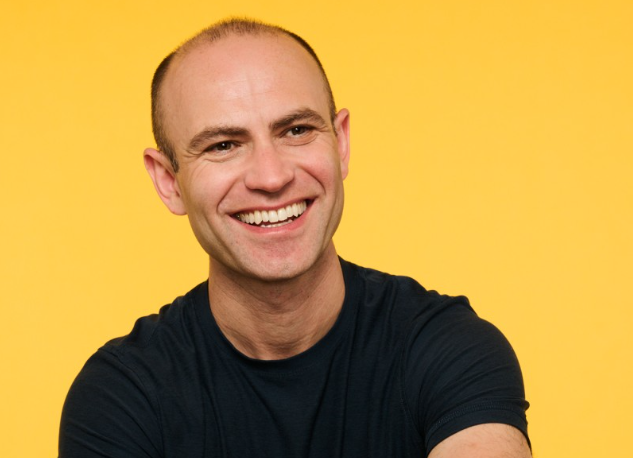
Joe Spector Keeps Running Toward the Mess
After helping take Hims & Hers public, Joe Spector could have enjoyed the calm. Instead, a corgi, an alarming vet bill and a fondness for early-stage chaos pulled him back to zero.

Emily Splichal Put a Business Under Everyone’s Feet
A gymnast became a surgeon, left the scalpel behind and built Naboso around a neglected question: what if the surface beneath us is part of the product?

Tim Willis Keeps Betting on the Space Between Blinks
He built TearScience from a treatment idea into a company acquired by Johnson & Johnson. Then the engineer returned to the same tiny surface with a new question: can an eye drop learn to stay put?
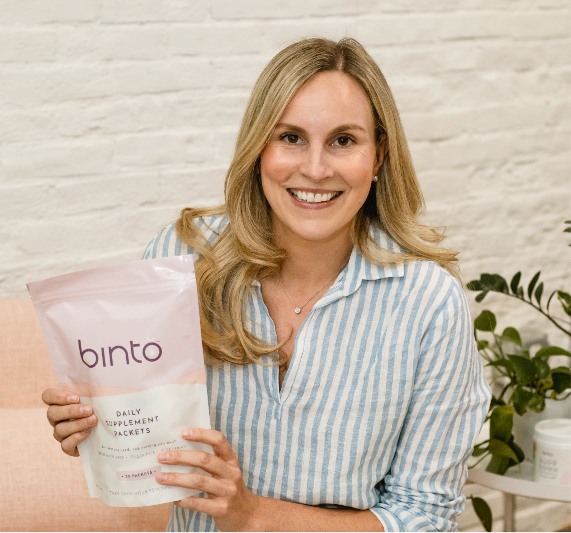
Suzie Devine Built BINTO by Treating Confusion as a Product Brief
The Philadelphia nurse-turned-founder built a company from questions nobody owned - then learned that the durable kind of growth begins when you stop confusing motion with progress.

Daniela Sichel Rebuilt Her Career Twice - Then Turned Culture Into the Product
A Venezuelan psychologist rebuilt her practice across three cities, discovered that language was only half the problem, and designed Opción YO around the harder thing to copy: cultural understanding.

Vancouver Laser Bet $180,000 on a Machine Nobody Trusted - Then Built a 30-Year Clinic
A floppy disk, a basement phone bank and one C$180,000 laser became a Vancouver clinic built on repeat visits, relentless training and an oddly smart perk: child care while you get treated.
Loblaw Built a Retail Flywheel From Bananas, Bandages and 18 Million Loyalty Cards
The Canadian retailer turned self-service groceries into a century-long habit, then layered on private labels, pharmacies, apps and points. The result is a formidable convenience machine - and a permanent invitation to scrutinize the price of dinner.

The $50,000 Shake Disaster That Built Orgain’s Protein Empire
A teenage cancer survivor became a doctor, launched an organic shake during residency, and nearly lost the business when the product turned solid on the shelf. The repair became a playbook for building trust in a category full of promises.
Qualia Put 32 Ingredients Into Six Capsules - Then Made Science Its Sales Pitch
The former Neurohacker Collective learned that a grand mission does not make seven capsules easier to swallow. Its second act pairs dense formulas with human trials, subscriptions and a growing shelf presence - a useful playbook with an expensive catch.
Prima Raised $12.5 Million, Hit Sephora, Then Went Dark - Here’s the Comeback Playbook
Prima turned a mistrusted ingredient into a polished beauty brand, raised $12.5 million and landed national retail. Then an ambitious merger failed, operations stopped, and the founders learned the expensive difference between owning a standard and owning a supply chain.
FoodHealth Built the Everything App. It Failed. Now It Wants to Score Every Grocery Aisle.
FoodHealth's first nutrition app tried to do everything and did none of it especially well. Two pivots later, its 1-to-100 score is inside major grocers, industry data products and a new GLP-1 shopping app - a useful lesson in saving the engine while scrapping the vehicle.

Anoria Wants to Put a Number on Your Mood - Then Teach You What to Do With It
The ex-Apple team behind Anoria is betting that the next useful wearable will track the thing sleep scores and step counts only circle around: how you actually feel. The opportunity is intimate, useful and full of hard questions.
Restore Turned a Bad Cryotherapy Visit Into a 200-Studio Wellness Machine
The founders thought athletes would fill the cryo chamber. They were wrong - and that mistake revealed a much larger market for convenient, repeatable wellness under one roof.
Rael Turned One Better Pad Into a $59 Million Bet on the Whole Cycle
Three Korean American founders entered a stale aisle through Amazon, let reviews do the selling, then stretched one organic-cotton pad into a shelf-spanning cycle-care brand. The clever part is not the cotton. It is the order of operations.
Longevity Science Left the Clinic. Lifespanning Put It in a Shopping Cart.
A Miami media company spent two decades inside biohacking's inner circle. Now it grades 1,000+ longevity products against a 72-point rubric - and only sells the ones that survive.
The Eye Drop That Refuses to Blink Away
A serial dry-eye entrepreneur who already sold one eye-care company to Johnson & Johnson is betting that the fix for dry eye is not a better drop - it is a drop that simply stays put.

The VC Firm Betting the Next Big Market Is Simply Being Human
Human Ventures built a venture thesis around ordinary needs - health, work, money, attention and belonging. A decade in, its hybrid of capital, company-building and community offers a revealing answer to what an early-stage investor can still do that a spreadsheet cannot.
The Pet Store That Followed Ukraine West - Then Doubled in Size
MasterZoo lost access to most of its stores when Russia's full-scale invasion began. It answered by moving with its customers, rebuilding its logistics and growing from a regional chain into a national pet-care system.

The $2.9 Billion Vitamin Cabinet That Learned to Travel
iHerb began with one herbal remedy and grew into a cross-border machine for the bathroom cabinet. Its real product is confidence - the right bottle, from a traceable source, delivered before global distance becomes the customer's problem.

The Hearing-Aid Company That Put the Internet in the Waiting Room
audibene did not try to squeeze an audiology clinic into a browser. It built a digital front door, then kept the local expert in the room.
Kenvue
Spun out of Johnson & Johnson with Tylenol, Neutrogena and Band-Aid in tow, Kenvue became the biggest name in consumer health almost overnight - then spent 2025 fending off activists, a CEO exit, an autism-claim firestorm and a $48.7 billion buyout.
Bayer
Bayer is trying to make one science company work at three speeds: the long clock of drug discovery, the seasonal rhythm of farming and the everyday urgency of self-care. Its turnaround will depend on whether that range becomes an advantage rather than a burden.
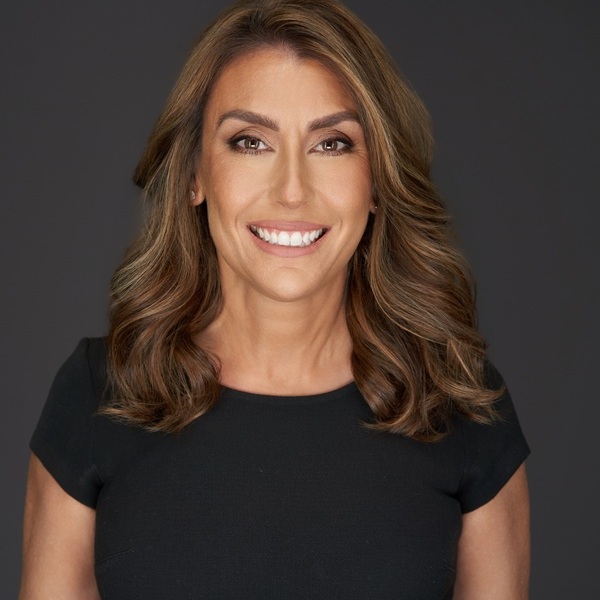
Samantha Avivi
After three decades moving between agencies, consumer brands, consulting and the automotive aisle, Samantha Avivi has arrived at Bayer's global CMO seat with a durable operating idea: trust is built by listening closely, making boldly and giving teams room to grow.
Haleon
The company you have never heard of makes the toothpaste, painkillers and vitamins you buy without thinking. Here is how GSK's cast-off brands became a £30 billion bet on self-care.

Pineapple Products
Pineapple Products is a direct-to-consumer health supplement company that builds and operates a portfolio of consumer wellness brands. Founded by Brett Allcorn, it started as classroom seminars in New York City and grew into a house of brands that pairs original product formulations - including probiotics with unique metabolic strains - with strong storytelling and partnerships with doctors, personalities, and influencers. The company creates, markets, and oversees smaller brands under a single parent, aiming to build products it believes don't yet exist in the market.
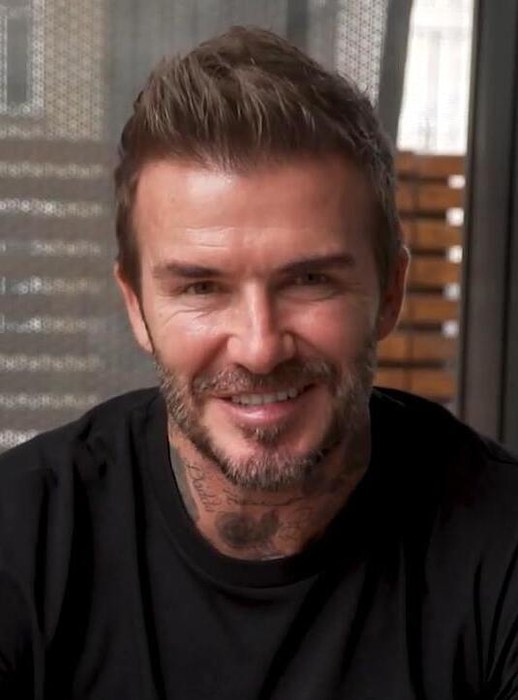
IM8 (David Beckham & Danny Yeung's health drink startup)
IM8 is a premium longevity supplement brand co-founded by soccer icon David Beckham and serial entrepreneur Danny Yeung, operating as a consumer-health subsidiary of Nasdaq-listed Prenetics. In July 2026, IM8 secured $1 billion in growth financing from General Catalyst's Customer Value Fund (CVF), a non-dilutive facility that funds up to 70% of customer-acquisition spend in exchange for a capped share of cohort revenue rather than equity. Launched in December 2024, IM8 became the fastest-growing premium supplement brand on record, hitting roughly $100 million in annualized revenue within eleven months, and the capital is meant to pour fuel on marketing while ownership stays undiluted.