The first machine was large, slow and unconvinced of its own future. It needed a laptop with a floppy disk. Each week, that disk was mailed from Vancouver to a company in Georgia, where someone calculated royalties for the machine's use. The technician was Dr. Martin Braun. Four women answered the phones from his basement. It was 1996, before a cosmetic clinic could be built from an Instagram feed and a finance button.
Two years later, Vancouver Laser & Skin Care Centre bought the machine for C$180,000. The price is the cleanest way to understand what Braun was doing. This was not a cheap experiment dressed up as innovation. It was a capital bet on an unfamiliar service whose appointments took a long time and whose customers first had to be taught why they might want it.
A machine with an explanation problem
Braun's path into aesthetics began sideways. While recovering from a skiing accident, he read a Vogue article about laser hair removal and became curious. He launched the service in a shared dental office on West Broadway. The obstacle was less technical than cultural: people were skeptical, and the category barely existed in Canada. Vancouver Laser had to sell comprehension before it could sell appointments.
What failed first? Not the company, according to its public history. The first operating model was simply clumsy. The rented machine was slow. Usage was reported by physical disk. Awareness depended on patient phone work. Those constraints changed the clinic's mind about ownership. When demand proved real, buying the hardware made more sense than feeding the royalty meter. The machine was expensive, but control over a working asset was worth more.
“The machine was large and the appointment times were long, but the premise was groundbreaking.”Vancouver Laser's company history
That pattern became the house style: adopt a device, learn it, build demand, then deepen capacity. In 2014, the clinic introduced a Fotona laser capable of treating multiple concerns. It soon bought a second to handle patient volume. The lesson is prosaic and useful. New equipment becomes a business only when the schedule fills.
What the company actually sells
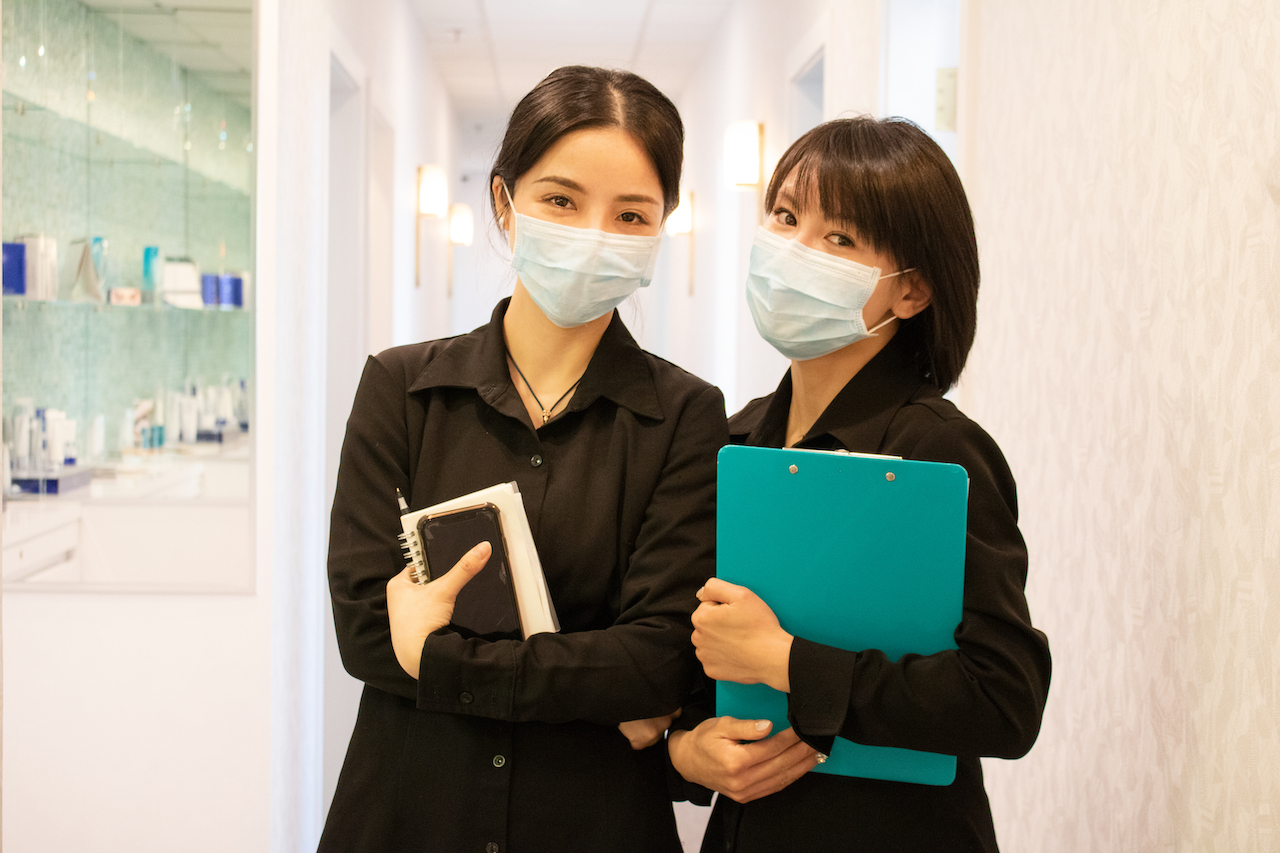
Vancouver Laser is a physician-directed medical aesthetics clinic. Its customers are people seeking non-surgical changes to skin, face, hair or body: laser hair reduction, injectables, pigmentation work, resurfacing, tightening, facials, body contouring and hair-restoration treatments. Its public catalogue also reaches into IV therapy and personalized regenerative services. A medical team sits alongside nurses, technicians, assistants, patient coordinators and consultants.
The breadth matters because no machine stays special forever. PicoWay can target pigment, acne scarring and tattoos. Thermage and Ultherapy address tightening. Halo and BBL sit in resurfacing and colour correction. CoolSculpting and Emsculpt-related services move below the neck. HydraFacial and JetPeel occupy a lighter, lower-priced rung. Injectables are another recurring category entirely. The customer can enter through one concern, then discover a menu.
A public price ladder
Selected listed starting or fixed prices, C$. Final treatment plans can vary.
Public prices show the architecture. Selected facials begin around C$199 to C$230. PicoWay starts around C$550. Thermage FLX starts around C$2,000. A three-device UltraLift Max combination starts around C$4,900. Financing widens the addressable market for four-figure plans. This is high-consideration consumer health sold with the tools of modern retail: a Shopify cart, bundles, seasonal offers and pay-over-time options.
The economics reward thoughtful capacity management. A laser requires a large payment before it produces a dollar of treatment revenue. Then come space, maintenance, consumables, training and paid staff time. A quiet room holding a famous machine is still a quiet room. Vancouver Laser's wide funnel - social content, online shopping, bilingual call centres, consultations, referrals and memberships - is designed to move people toward that capacity. The second Fotona purchase is evidence that at least one such loop worked well enough to demand duplication.
The repeat-visit machine
A clinic appointment is episodic; Vancouver Laser's model tries to make the relationship continuous. Silver membership costs C$99 a year and advertises treatment discounts, child-minding and referral credit. Gold costs C$299 and increases some discounts while adding year-round savings on skincare. Skin Gym goes further: C$1,299 for ten treatments spread across 12 months, with flexibility around sequencing and a Silver membership bundled in.
One concern becomes a longer customer relationship
That program is revealing. Skin is not framed as a one-and-done repair but as maintenance, closer to training than shopping. Ten visits create more chances to observe results, recommend the next step and sell skincare for use between appointments. The customer gets a plan instead of a bewildering wall of devices. The clinic gets predictable return traffic.
Then there is the kids' centre. Opened in June 2020, it offers complimentary child-minding in a dedicated play space. It sounds like a whimsical sidebar until you treat it as product design. A parent cannot attend a 30- or 90-minute appointment if nobody can watch a child. Remove that constraint and the addressable schedule expands. Discounts persuade; logistics enable.
Training is the moat hiding upstairs
Devices can be purchased by competitors. Technique, trust and utilization are harder to copy. Braun began teaching workshops to peers in the early 2000s. The work grew into YVR Aesthetic Training & Study Centre, launched as a dedicated operation in 2019. It lists manufacturer-linked training across a long roster of energy devices and treatments. Vancouver Laser has also hosted medical-esthetics students through a partnership with Blanche Macdonald Centre and hired graduates into clinical and operating roles.
This education arm does several jobs. It produces revenue of its own. It gives staff a reason to keep learning. It creates a talent pipeline. It also turns an abstract claim - “we know this machine” - into something legible. The clinic says it became an official Ultherapy training centre for North America in 2019 and has held designated roles around other platforms. Those credentials matter in a market where the customer's downside is visible on their own face.
The company reports treating more than 17,000 neuromodulator patients and administering more than two million units since adding the category. It also reports a 2007 panfacial botulinum toxin paper, a 2019 Galderma masseter-scale study and top-provider milestones tied to several brands. These are company-reported achievements, but together they show the strategy: turn procedure volume into experience, then turn experience into education and credibility.
The machine gets attention. The operating system - training, scheduling, follow-up and trust - keeps the machine valuable.The copyable lesson
From beauty treatment to biotech promise
The newest edge is CellFuture, offered with Acorn Biolabs. Hair follicles are collected so a client's cells can be preserved, with the possibility of creating a personalized secretome product for skin or hair treatments. It is a much larger promise than a facial. The clinic presents it as a bridge between aesthetics and regenerative medicine.
That move fits the historical pattern - spot an emerging technology, connect it to an existing customer need and borrow confidence from medical direction. It also raises the burden of proof. Consumers should separate the established fact of cell collection and storage from any projected future use, and ask what evidence supports each claimed outcome. Early adoption works when uncertainty is explained with unusual clarity. It fails when novelty substitutes for evidence.
What another operator can steal
Five moves worth copying
- Educate before you pitch. New categories need language, demonstrations and patient explanation before they need clever ads.
- Own the bottleneck once demand is proven. Vancouver Laser rented first, then bought the C$180,000 asset after two years.
- Package continuity. Memberships and Skin Gym turn irregular purchases into a routine with a calendar.
- Teach the work. Training improves talent, standards and credibility while creating another line of business.
- Remove mundane friction. Child-minding solves a scheduling problem that another 5 percent discount cannot.
None of this is software magic. It is a local-service playbook built from high fixed costs and human trust. The model is strongest in a dense, affluent market with repeat demand, customers comfortable paying out of pocket, practitioners able to deliver consistent results and enough appointment volume to keep expensive devices productive.
A thin local market, weak utilization or heavy discounting can leave a clinic carrying costly machines without enough profitable appointments.
Fast menu expansion without training, honest suitability screening or clear evidence can turn novelty into reputational risk.
Vancouver is crowded with med spas, dermatology practices, cosmetic physicians and beauty clinics. Customers can also choose skincare at home or no procedure at all. Vancouver Laser's distinction is therefore cumulative: 30 years in one market, physician leadership, a broad device portfolio, visible training infrastructure, multilingual service, ecommerce, memberships and a surprising amount of operational hospitality.
Competitors can match pieces of that list. A boutique practice may offer more intimacy. A plastic-surgery office can provide surgical options the clinic does not. A chain may win on price or location. An at-home routine is cheaper and carries fewer appointment hassles. Vancouver Laser's pitch is selection with guidance: enough technologies to tailor a combination, enough volume to develop technique and enough surrounding service to make returning feel ordinary. The tradeoff is complexity. A catalogue of more than 40 treatments can reassure an expert customer and overwhelm a newcomer in the same scroll.
The company works best when consultation reduces that complexity and sometimes ends with a recommendation to wait, choose less or do nothing. It works poorly when promotions lead the clinical reasoning or when the newest platform is treated as universally suitable. Cosmetic outcomes are personal, and no membership can guarantee biology. The durable version of this business sells informed choices and careful execution. The brittle version merely sells access to machines.
The floppy disk makes the story memorable. The less photogenic parts explain the durability. Someone answered the phone. Someone trained the technician. Someone found room for a parent's child. Someone kept the second Fotona booked. Vancouver Laser began with a bet on hardware, but it lasted by building around all the things hardware cannot do.