consumer-health
(37)
Virgo Health Rickrolled Hearing Loss - Then Turned the Joke Into a Hearing Test
A London healthcare agency found its edge in a difficult combination: knowing the compliance rules cold, then making the work feel nothing like compliance. Its best proof is a Rick Astley joke that moved people to book hearing tests.
Health-E Commerce built a business on money you might lose
FSA Store turned the confusion around tax-free health benefits into a shopping business. Now its parent company is moving from the medicine cabinet into virtual care.
Noom Took Nine Years to Find Its Formula. Then Ozempic Rewrote the Recipe.
The company that taught dieters to examine their habits is now prescribing medicine, scanning faces and mailing blood-test kits. Its second reinvention asks whether behavior change can remain the product when the drug works faster.

Vancouver Laser Bet $180,000 on a Machine Nobody Trusted - Then Built a 30-Year Clinic
A floppy disk, a basement phone bank and one C$180,000 laser became a Vancouver clinic built on repeat visits, relentless training and an oddly smart perk: child care while you get treated.
Loblaw Built a Retail Flywheel From Bananas, Bandages and 18 Million Loyalty Cards
The Canadian retailer turned self-service groceries into a century-long habit, then layered on private labels, pharmacies, apps and points. The result is a formidable convenience machine - and a permanent invitation to scrutinize the price of dinner.

The $50,000 Shake Disaster That Built Orgain’s Protein Empire
A teenage cancer survivor became a doctor, launched an organic shake during residency, and nearly lost the business when the product turned solid on the shelf. The repair became a playbook for building trust in a category full of promises.
Qualia Put 32 Ingredients Into Six Capsules - Then Made Science Its Sales Pitch
The former Neurohacker Collective learned that a grand mission does not make seven capsules easier to swallow. Its second act pairs dense formulas with human trials, subscriptions and a growing shelf presence - a useful playbook with an expensive catch.
Prima Raised $12.5 Million, Hit Sephora, Then Went Dark - Here’s the Comeback Playbook
Prima turned a mistrusted ingredient into a polished beauty brand, raised $12.5 million and landed national retail. Then an ambitious merger failed, operations stopped, and the founders learned the expensive difference between owning a standard and owning a supply chain.
FoodHealth Built the Everything App. It Failed. Now It Wants to Score Every Grocery Aisle.
FoodHealth's first nutrition app tried to do everything and did none of it especially well. Two pivots later, its 1-to-100 score is inside major grocers, industry data products and a new GLP-1 shopping app - a useful lesson in saving the engine while scrapping the vehicle.

Anoria Wants to Put a Number on Your Mood - Then Teach You What to Do With It
The ex-Apple team behind Anoria is betting that the next useful wearable will track the thing sleep scores and step counts only circle around: how you actually feel. The opportunity is intimate, useful and full of hard questions.
Restore Turned a Bad Cryotherapy Visit Into a 200-Studio Wellness Machine
The founders thought athletes would fill the cryo chamber. They were wrong - and that mistake revealed a much larger market for convenient, repeatable wellness under one roof.
Rael Turned One Better Pad Into a $59 Million Bet on the Whole Cycle
Three Korean American founders entered a stale aisle through Amazon, let reviews do the selling, then stretched one organic-cotton pad into a shelf-spanning cycle-care brand. The clever part is not the cotton. It is the order of operations.

Longevity Science Left the Clinic. Lifespanning Put It in a Shopping Cart.
A Miami media company spent two decades inside biohacking's inner circle. Now it grades 1,000+ longevity products against a 72-point rubric - and only sells the ones that survive.
The Eye Drop That Refuses to Blink Away
A serial dry-eye entrepreneur who already sold one eye-care company to Johnson & Johnson is betting that the fix for dry eye is not a better drop - it is a drop that simply stays put.

The VC Firm Betting the Next Big Market Is Simply Being Human
Human Ventures built a venture thesis around ordinary needs - health, work, money, attention and belonging. A decade in, its hybrid of capital, company-building and community offers a revealing answer to what an early-stage investor can still do that a spreadsheet cannot.
The Pet Store That Followed Ukraine West - Then Doubled in Size
MasterZoo lost access to most of its stores when Russia's full-scale invasion began. It answered by moving with its customers, rebuilding its logistics and growing from a regional chain into a national pet-care system.

The $2.9 Billion Vitamin Cabinet That Learned to Travel
iHerb began with one herbal remedy and grew into a cross-border machine for the bathroom cabinet. Its real product is confidence - the right bottle, from a traceable source, delivered before global distance becomes the customer's problem.

The Hearing-Aid Company That Put the Internet in the Waiting Room
audibene did not try to squeeze an audiology clinic into a browser. It built a digital front door, then kept the local expert in the room.
Kenvue
Spun out of Johnson & Johnson with Tylenol, Neutrogena and Band-Aid in tow, Kenvue became the biggest name in consumer health almost overnight - then spent 2025 fending off activists, a CEO exit, an autism-claim firestorm and a $48.7 billion buyout.
Bayer
Bayer is trying to make one science company work at three speeds: the long clock of drug discovery, the seasonal rhythm of farming and the everyday urgency of self-care. Its turnaround will depend on whether that range becomes an advantage rather than a burden.
Haleon
The company you have never heard of makes the toothpaste, painkillers and vitamins you buy without thinking. Here is how GSK's cast-off brands became a £30 billion bet on self-care.

Pineapple Products
Pineapple Products is a direct-to-consumer health supplement company that builds and operates a portfolio of consumer wellness brands. Founded by Brett Allcorn, it started as classroom seminars in New York City and grew into a house of brands that pairs original product formulations - including probiotics with unique metabolic strains - with strong storytelling and partnerships with doctors, personalities, and influencers. The company creates, markets, and oversees smaller brands under a single parent, aiming to build products it believes don't yet exist in the market.

Great Many
Great Many is a New York-founded hair growth company that pairs in-studio clinical treatments - PRP injections and FDA-cleared laser therapy - with a telehealth platform and a line of growth-focused hair care products. Started in 2024 by Heyday co-founder Michael Pollak and former Estee Lauder omnichannel VP Steve Klebanow, it treats hair loss as a health category rather than a taboo, building consultative studios (NYC, Atlanta, Washington DC) around scalp assessments, microscopic follicle imaging and clinician-led plans for both men and women.

NeuroAge Therapeutics
NeuroAge Therapeutics is a San Francisco tech-bio company that measures how old your brain actually is - and tries to make it younger. Founded in 2022 by physician-scientist Dr. Christin Glorioso, the company's flagship NeuroAge Test blends brain MRI, cognitive games, proprietary RNA blood biomarkers, and genetic screening into a single 'brain age' score that aims to flag dementia risk up to 30 years before symptoms appear. The longer-term goal is bolder: small-molecule drugs that reprogram aging neurons back toward a younger state.

Primal Health
Primal Health is a Minneapolis-based molecular biotechnology company reinventing oral care by rebalancing the microbiome instead of nuking it. Founded by Berkeley-trained microbiologist Dr. Emily Stein, the company uses its patented SMMRT (Selective Microbial Metabolism Regulation Technology) to put harmful mouth bacteria on a 'keto diet' - blocking their ability to feed on sugars while feeding the beneficial ones. Its two brands, Daily Dental Care for people and TEEF for Life for pets, deliver clinically studied lozenges and prebiotic powders that support gum health, fresher breath and a healthier oral ecosystem for humans and animals alike.

Pandia Health
Pandia Health is a doctor-founded, women-led telehealth company that prescribes and delivers birth control, acne treatment, and menopause hormone therapy across the United States. Founded in 2016 by Stanford-affiliated physician Dr. Sophia Yen and a team of clinicians and operators, the company built its business on a simple bet: most American women still struggle to get continuous access to hormonal medication, and a recurring, mail-order subscription paired with a board-certified physician network can fix it.
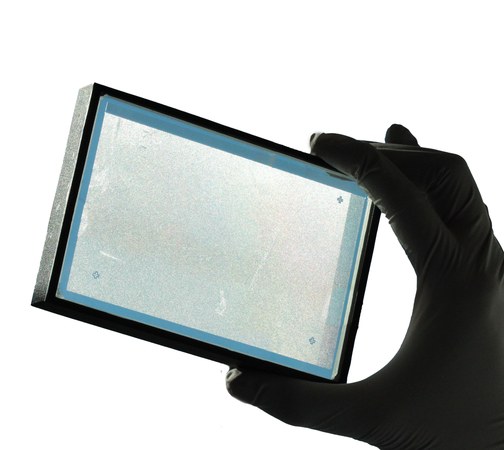
Concerto Biosciences
Concerto Biosciences is a Cambridge, Massachusetts microbiome company that turns microbial ecology into health products. Its patented kChip platform screens millions of microbial interactions in nanoliter droplets to discover 'ensembles' - small, defined groups of microbes that work together to shepherd a damaged microbial community back to health. The company's lead program, ENS-002, is a topical live biotherapeutic for atopic dermatitis that suppresses Staphylococcus aureus without nuking the skin's helpful microbes. Founded in 2020 by scientists out of MIT and the Broad Institute, Concerto pairs ultra-high-throughput biology with AI to make microbial communities predictable and engineerable.
Huckleberry Labs
Huckleberry Labs is an Irvine, California parenting-technology company that pairs pediatric expertise, data science, and AI to help families improve children's sleep and daily routines. Its Huckleberry app tracks sleep, feeding, and development, and uses the SweetSpot predictive engine to recommend optimal nap and bedtime windows. Founded in 2017 by Jessica Toh and Seng Oon Toh after their own sleepless nights as new parents, Huckleberry is used by more than 5 million families worldwide and has expanded into context-aware AI guidance with the 2026 launch of Berry.
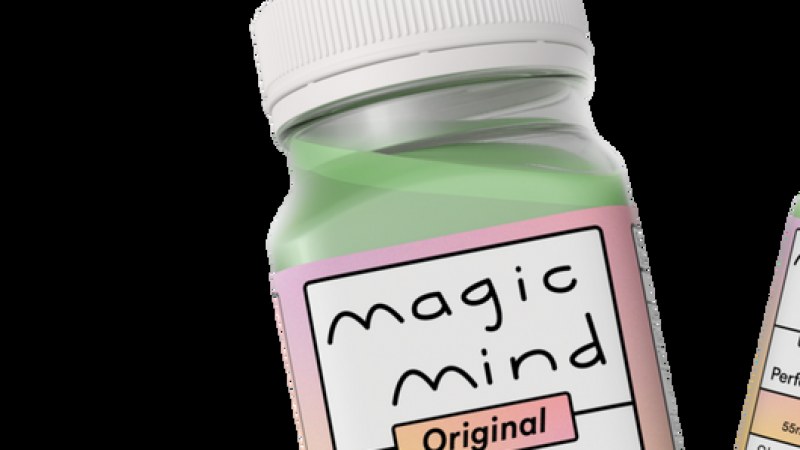
Magic Mind
Magic Mind makes a 2-ounce 'mental performance shot' built from a blend of around a dozen nootropics, adaptogens, vitamins and antioxidants - think lion's mane, ashwagandha, L-theanine and ceremonial matcha - designed to deliver calm focus without the jitter-and-crash cycle of a big cup of coffee. Founded in 2020 by James Beshara and William Hicks, the brand started in a San Jose commercial kitchen, grew through direct-to-consumer subscriptions, and has since pushed into national retail including Whole Foods, Erewhon, Sprouts and Albertsons. It raised a $12.4M Series A in September 2025.
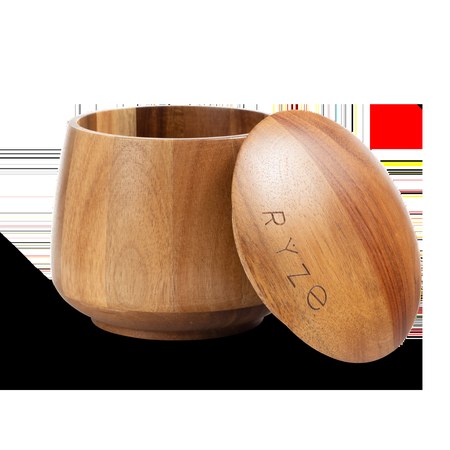
RYZE Superfoods
RYZE Superfoods is a Boston-based direct-to-consumer wellness brand best known for its mushroom coffee - a blend of organic instant coffee, organic fiber, and a six-mushroom 'Super6' functional blend (cordyceps, lion's mane, reishi, turkey tail, shiitake, and king trumpet). Founded in 2020 by Harvard classmates Andrée Werner and Rashad Hossain, RYZE pitches a calmer, lower-caffeine ritual that delivers focus and immune support without the spike-and-crash of regular coffee. The company grew largely on early seed money plus aggressive social and influencer marketing, reaching reported revenue in the tens of millions while expanding into matcha, hot cocoa, creamers, and other functional blends.