The first obstacle was a perfectly reasonable customer. Why spend $300 on sneakers from two men you have never heard of? Chris Wichert and Johannes Quodt had Italian leather, a manufacturing partner and a theory about luxury. The customer had a browser tab. Something important was missing between the two.
- Koio sells dressier everyday footwear, led by minimalist leather sneakers.
- Italian construction and direct sales anchor its value proposition.
- Events and collaborations helped an unfamiliar brand earn attention.
- After expansion and losses, customer interviews helped bring it back to its core.
The shoe before the spreadsheet
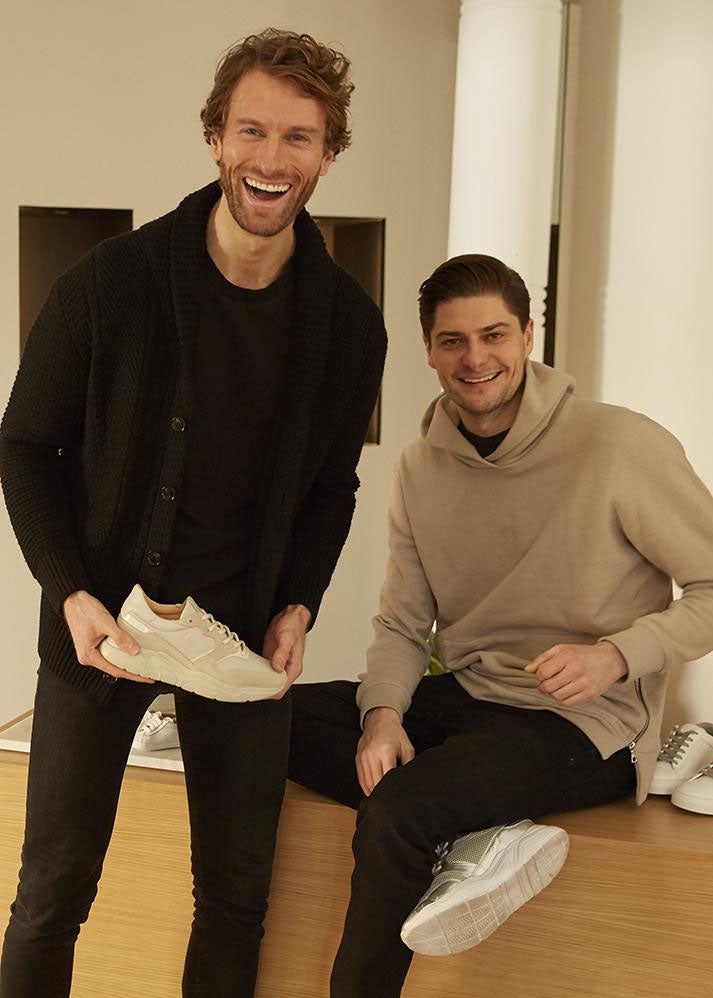
The founders met at Wharton. Both had grown up in Germany, where they followed European fashion labels and saved for sneakers on sale. Koio dates its founding to 2014; the commercial launch followed in 2015. Their proposition was straightforward: preserve the appeal of luxury footwear while changing the route by which it reached the buyer.
They went looking for manufacturers themselves. Koio says they visited 34 Italian factories before selecting a partner. It is an unusually physical beginning for an ecommerce company: inspect the stitching, inspect the leather, persuade someone with decades of experience to manufacture for a label with none.
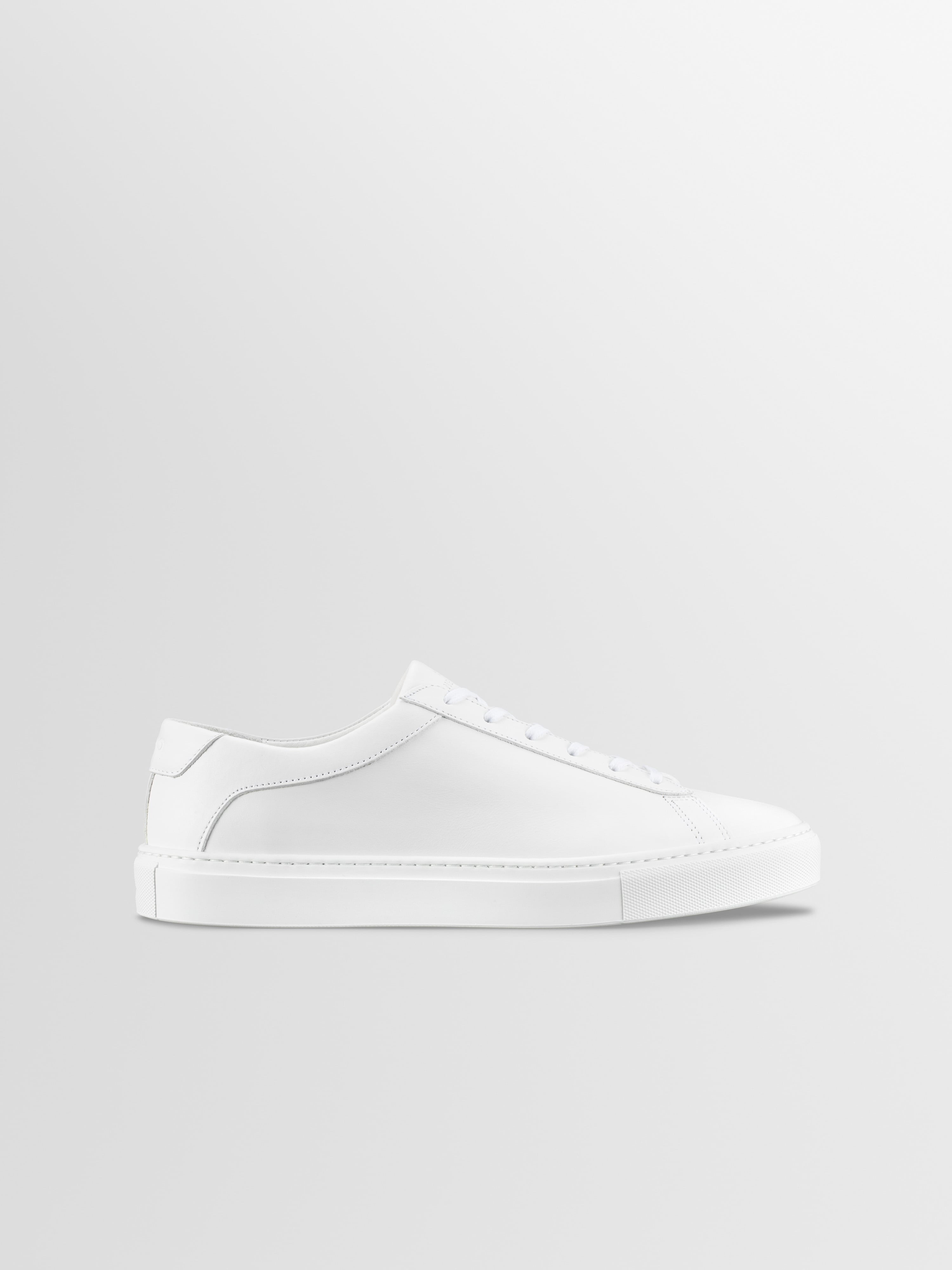
Today, the men’s Capri in Triple White is listed at $265. Its proposition remains recognisable: calf-leather upper and lining, waxed cotton laces, a removable OrthoLite Hybrid insole and a hand-painted edge. Selected styles come in wide fits. These are useful details for someone who wants a shoe to move between tailoring and denim without making either outfit look like a compromise.
A luxury purchase needs a handshake
The direct model removes a retailer’s place in the transaction, but it cannot remove the buyer’s doubts. A photograph tells you the colour. It says much less about whether leather feels supple or a heel slips. Koio’s early problem was translating a tactile purchase into an online decision.
Wichert described walking around Soho, befriending shop owners and asking to sell shoes in their stores for a weekend. Offline events, press and collaborations formed the early marketing mix. Trying on a pair could do work that a beautifully arranged product page could not. The transferable idea is quite modest: find the part of your product’s value that the screen conceals, then give customers a way to experience it.
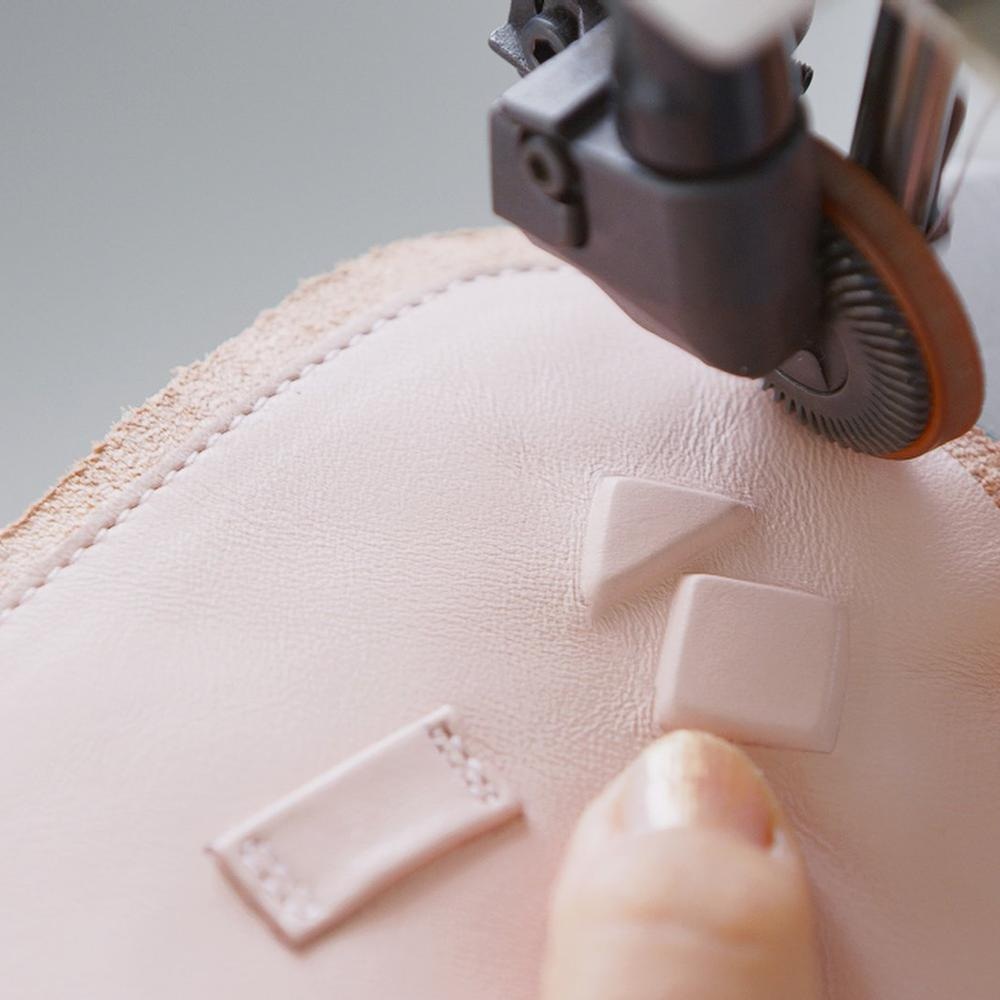
Koio’s expertise sits in product design, sourcing and fit, supported by specialist manufacturing. The company says 42 craftspeople handle each pair. Its core production story is Italian, although the current FAQ identifies exceptions: Ostuni in Spain, and Carrara and Pale Blue Dot in Portugal. A country-of-origin promise deserves to be read one model at a time.
A croissant walks into a shoebox
Then there is the question of being remembered. Minimalist white sneakers are not an empty market. Common Projects offers a recognisable luxury alternative; less expensive leather sneakers compete for shoppers who put the price first. Koio needs a reason to enter the conversation.
Its collaboration with pastry chef Dominique Ansel supplied a rather delicious one. The Avalanche’s palette took inspiration from flour, sugar, eggs and butter. Each pair came with pancake mix. Here was a product story specific enough to repeat over breakfast. In April 2025, an espresso-themed collaboration with La Marzocco connected two businesses associated with Italian craft. The partner becomes an introduction to an audience, rather than merely another name printed on a shoe.
The material is part of the message
Koio also tried to make the supply chain a point of distinction. Its regenerative Capri used leather sourced from farms in Switzerland’s Surselva region. At the 2022 launch, the company described organic certification and a plan to expand regenerative sourcing. This gives customers a more specific question than whether a shoe is vaguely “green”: where did the hide come from, and how was it produced?
In 2023, Mello took the experiment into more components. Koio describes it as 99% biodegradable, using metal-free regenerative leather, a Lactae Hevea natural-rubber sole and plant-derived insole materials. That percentage is the brand’s claim. It is not an instruction to bury the shoes in the garden.
Pale Blue Dot, launched the same year at $165, explored vegan materials and a lower entry price. Vogue described it as an internal innovation lab. These projects concern different material choices; neither makes every Koio shoe regenerative or vegan. The useful habit for a buyer is to inspect the particular pair, rather than letting an interesting experiment speak for the entire catalogue.
The cost of becoming too many things
Capital supported the ambition. In October 2019, Koio announced another $6 million in Series A financing, taking the reported round to $9 million. Its plans included more designs, materials research, retail and staff. Then the pandemic disrupted production and removed many of the occasions for dressing up.
In his April 2026 account, Wichert said annual losses reached roughly $3 million. About 100 customer interviews helped expose a muddled proposition. Koio returned to core items, cut 70% of its New York team, closed its office and unprofitable channels, and reached break-even within 12-18 months. He said the business was sold in August 2025; both founders retained shares.
“Our messaging was unclear.”Chris Wichert, reflecting on the expansion
Buy the shoe, borrow the method
For customers, Koio offers a considered wardrobe purchase: dressier sneakers with construction details to compare, plus boots, loafers and care products. It makes sense when versatility and leather matter enough to justify the price. Running performance, a strict budget or avoiding animal materials point to different requirements.
For founders, the more interesting purchase is the lesson. Let people handle what makes the product valuable. Give collaborators a story worth telling. Ask customers what they think the company is for. And before adding another category, consider whether it makes that answer easier. A simple sneaker can carry quite a lot. It should not have to carry every ambition in the business.