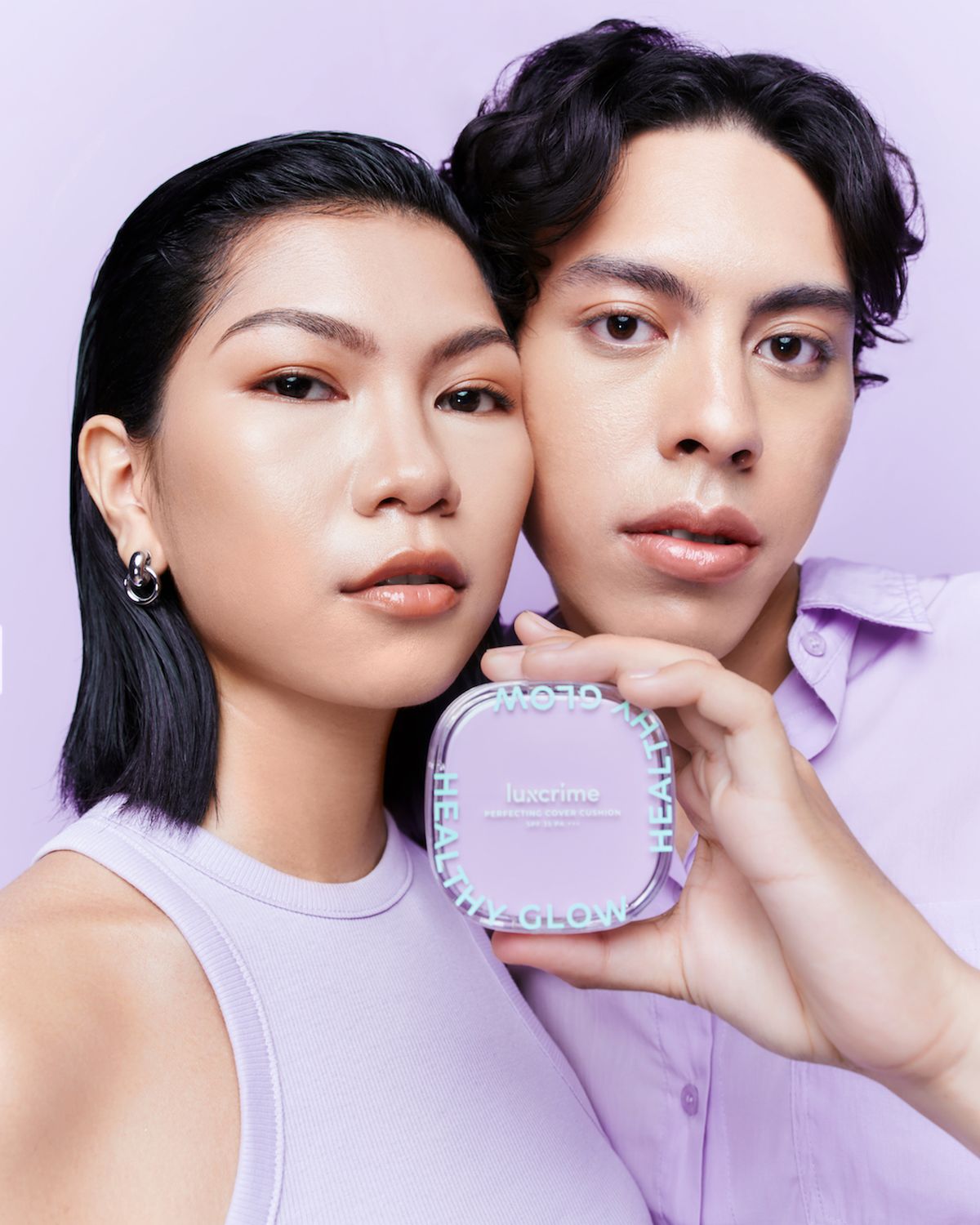
A Luxcrime compact is a small object with a surprisingly large supporting cast. Someone has to develop the product, arrange its manufacture, buy the stock, photograph it, sell it and get it into a shopper’s hands. The customer sees the compact. Hypefast wants to run more of the work around it.
That is the useful way into this Jakarta company. It began in January 2020 as a house for local consumer brands. By January 2026, it was describing itself as an integrated retail operator, with an IPO targeted for mid-2027. Between those two descriptions lies a lesson about growth: owning more businesses can make you busier without making you stronger.
- Invest in Indonesian brands that already have paying customers.
- Share the people, technology and retail operations behind them.
- Exit weak brands and put cash flow ahead of portfolio size.
- Build more routes to the shopper, online and offline.
The compact and the conveyor belt
Founder Achmad Alkatiri came through Shopee and Lazada. His company’s leadership now includes experience in finance, consumer research and category management. That combination matters. A consumer brand needs an eye for what people want and a system that can supply it repeatedly. Those are different jobs, even when a small founder-led business asks one person to do both.
Hypefast’s portfolio makes the distinction visible. Luxcrime sells beauty products. Bohopanna makes children’s clothing. Cessa offers care products for mothers and babies. Other listed brands include Fabil Natural, Koze, Nyonya Piyama, Nona Rara Batik and WearStatuQuo. Their buyers need different things. Their businesses all need inventory, distribution, marketing and money.
The company partners with brands and takes ownership stakes, putting capital and shared operating resources behind them. Its return depends on the businesses it owns selling products and earning money. A founder considering Hypefast is therefore considering a relationship with an investor and operator, with consequences for ownership and how the business is run.
The published selection filters are demanding: annual revenue of US$1 million, a minimum 15% net margin and at least 12 months of operations. Hypefast advertises capital support of US$1 million to US$10 million per brand. Demand is supposed to arrive before the investment. That makes this model relevant to a business confronting a scaling problem after finding customers.
The arithmetic gets a vote
In November 2021, Hypefast announced a US$19.5 million Series A led by Monk’s Hill Ventures. Other backers included Jungle Ventures, STRIVE, Arkblu Capital and Amand Ventures. The financing announcement described a portfolio exceeding 25 brands. It was an attractive proposition: find promising local businesses, then give them the machinery of a bigger retailer.
But acquiring a collection does not settle the question of which members deserve more resources. In 2023, Hypefast reportedly laid off 30% of its workforce. Alkatiri pointed to higher merchant fees, logistics costs and macroeconomic challenges. Tech in Asia subsequently reported that the company also sunset or sold six unprofitable brands that year.
The reset had a human cost and a commercial trade-off. According to Tech in Asia, revenue fell 4.8% to US$46.4 million in 2024, while Hypefast posted US$1.68 million in net profit. Administrative expenses fell nearly 30%; employee benefit expenses dropped 31%. Profit returned alongside a smaller cost base and a cleaned-up portfolio. More sales had stopped being the only useful measure of progress.
Historical figures reported by Tech in Asia in January 2026.
By March 2025, Alkatiri was publicly warning of a “Local Brand Winter,” especially in beauty. His diagnosis included competition from well-funded Chinese brands. His advice was practical: understand the difference between accounting profit and available cash, plan inventory spending carefully, and avoid pursuing growth that leaves the business unable to pay its bills.
A route around the algorithm
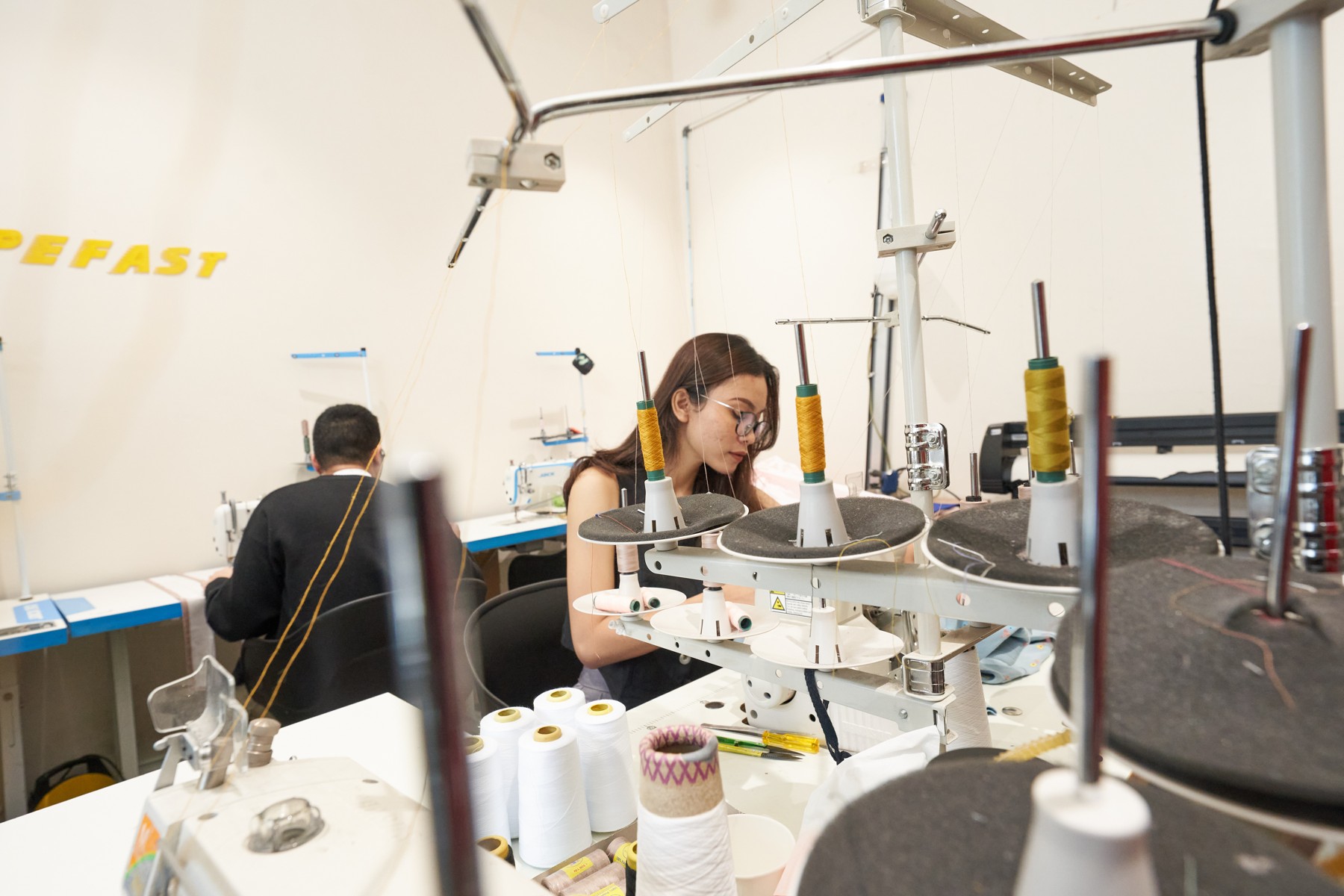
Hypefast’s answer now reaches beyond the marketplace storefront. Its January 2026 announcement reported distribution across more than 10,000 physical retail points in Indonesia, alongside dedicated brand websites with AI-based features. It was also strengthening internal production. The company said EBITDA and cash flow had been positive since 2024. Those are separate measures from net profit.
“You need agile infrastructure.”
Achmad Alkatiri, January 2026
A schematic of capabilities described by the company. No scale implied.
The direction is understandable. More sales channels mean more ways to reach a customer when one platform changes its economics. Production and fulfillment capabilities address what happens after an order appears. The attraction is practical control over more of a brand’s daily work.
Partnerships fill in other parts of the map. Hypefast and COSMAX Indonesia signed a manufacturing and product-development collaboration; a November 2023 ceremony also strengthened its relationship with Lazada Indonesia. In 2022, Hypefast took five Indonesian brands to Singapore’s Mummy’s Market Baby Fair through its Buiboo retail ecosystem, reporting more than 4,000 products sold. Regional expansion had a tangible test: shoppers buying actual goods.
Copy the discipline before the scale
For founders comparing Hypefast with regional aggregators such as Una Brands, or with staying independent, the question is what a partner actually contributes. Capital matters. So do manufacturing access, retail expertise and distribution. Shared ownership makes sense only if those contributions justify what the founder gives up. A brand without established demand cannot assume infrastructure will create it.
There is another entrance for aspiring builders. Hypefast’s Future Founders Residency accepts individual applicants, selects up to 12 people and forms complementary teams. Participants work with company funding and experts, receive monthly compensation, and make decisions about real consumer brands. It offers an unusually direct way to learn the work behind a product launch.
Alkatiri’s Q1 2026 update reported net income up 319% year on year and net cash flow up 237%. Bohopanna’s quarterly revenue reached approximately US$7 million, he said. These are founder-reported results, and the IPO remains a target. Still, the change in emphasis is clear. Hypefast’s next chapter will be judged by how well the brands run, how reliably stock moves, and how much cash remains after the sale.