A shopper buys dinner for the household. Somewhere between the vegetables and the checkout, a question presents itself: who counts as the household? I and love and you built a business around the answer that includes the dog waiting by the door and the cat pretending not to wait at all.
- Natural-positioned food for cats and dogs, sold where people already shop.
- Kibble, wet meals, treats and toppers offer several routes into the same bowl.
- The 2026 Made by Nacho acquisition adds a separate cat-food brand and Bobby Flay’s culinary involvement.
The interesting invention here is a shopping arrangement. Premium pet food can require a special trip, a special website, a special routine. This Boulder company put its proposition into the human grocery run. Its name sounds like a note left on the refrigerator. Its strategy belongs on a supermarket floor plan.
The customer was already in the building
In August 2012, the brand announced its arrival in 26 Whole Foods Market stores across the Rocky Mountain region. The founding group brought together Marty Grosjean, Brendan Synnott, Chris Bentley and Steve Ball, with experience spanning natural foods and pet products. They understood a useful overlap: someone inspecting the ingredients in their own dinner might inspect the ingredients in their animal’s dinner, too.
That gave the company a particular customer: the pet owner who wanted familiar-sounding ingredients without making another errand. The shelf did some of the explaining. Placement among natural groceries put the food in a context the buyer already understood. The brand could then use colorful packaging and cheerful names to earn a closer look.
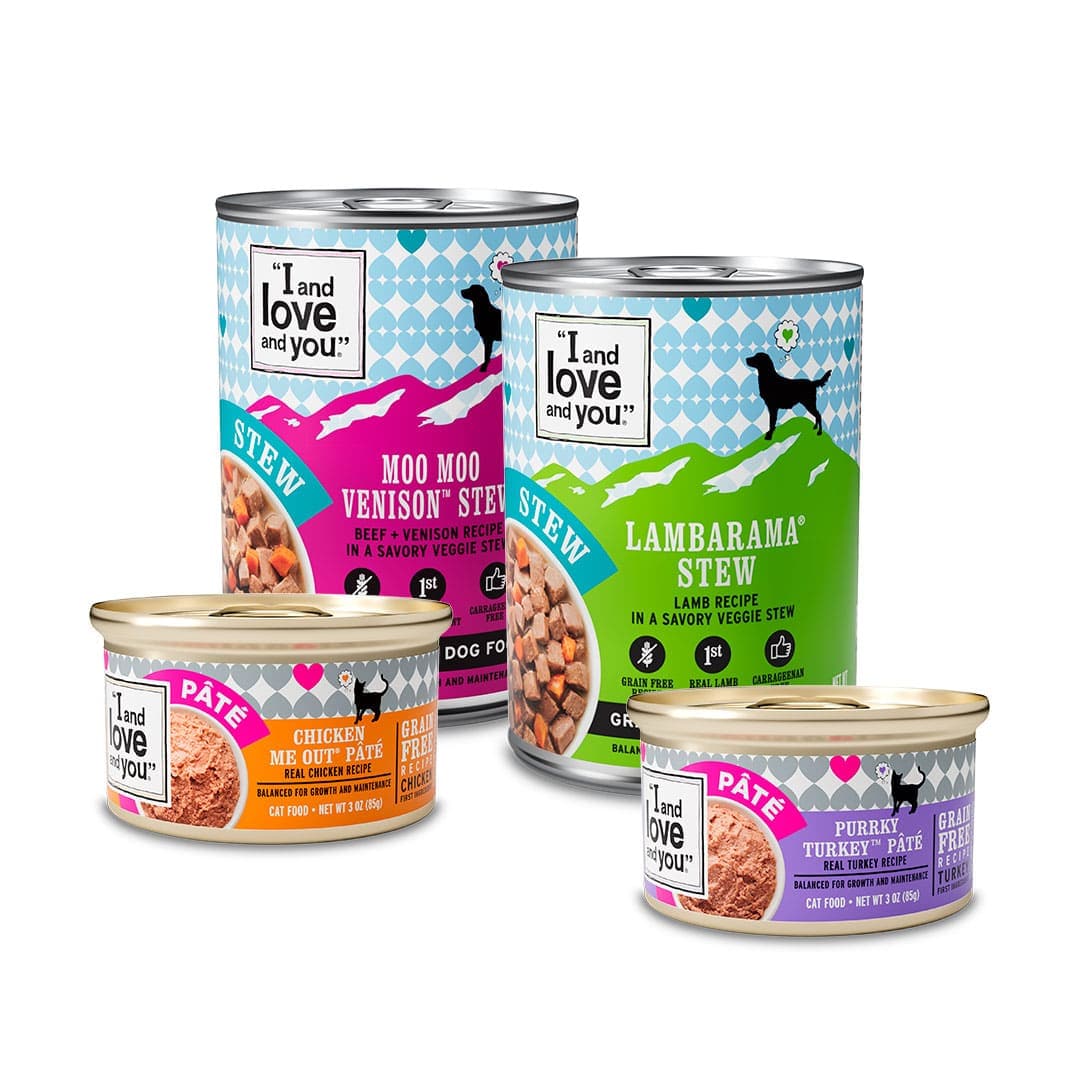
Today, grocery is one channel among several. The store locator lists chains including Kroger, Publix, Target and Walmart. Online retailers and the company’s own shop add more ways to buy. Wholesale retail supplies access; direct sales and subscriptions give customers a replenishment route. This is a packaged-food business built for repeat purchases.
The menu does the persuading
What arrives in the bowl varies considerably. Naked Essentials covers dry food. Feed Meow and XOXOS address wet cat food. Treat Meow offers squeezable puréed treats. The names are playful, but the assortment answers practical questions about texture, convenience and variety. A household with both species can buy across several formats under one brand.
Baked & Saucy makes the product demonstration particularly easy. Its heart-shaped, oven-baked dog kibble can be served dry, or mixed with water to produce a bone-broth gravy. The Chicken + Sweet Potato recipe lists 28 percent minimum crude protein. That is a concrete feature a shopper can inspect, alongside the ingredients and feeding instructions.
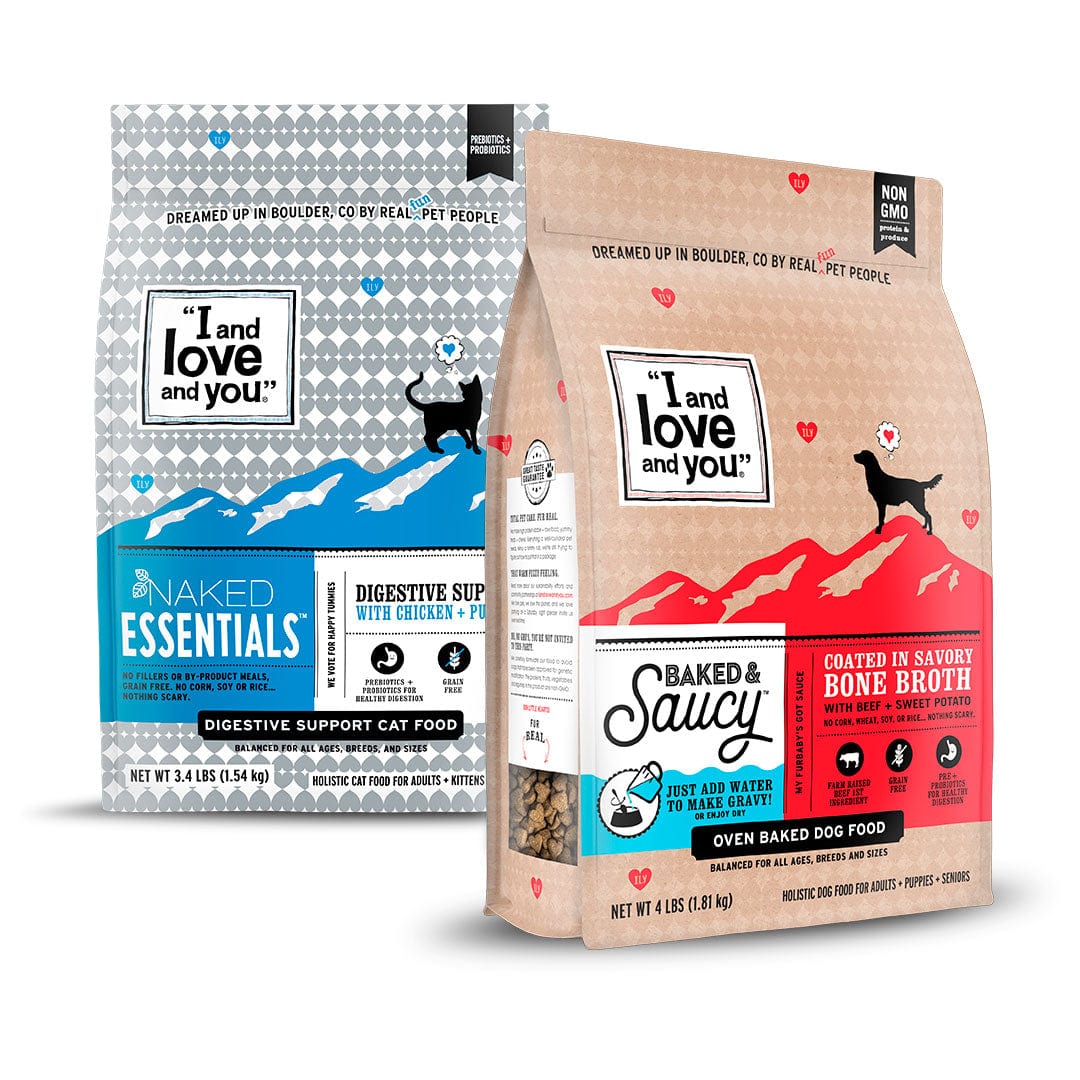
There is a price attached to the convenience. At the time of research, a four-pound bag of that recipe listed for $19.99 on the company website; 21 pounds listed for $83.99. Those are product prices, before any applicable shipping or tax. They give “approachable” a number the customer can judge against a household budget.
The portfolio also complicates an easy description of the brand as simply grain-free. Naked Essentials Ancient Grains includes recipes with grains such as sorghum, oatmeal, millet and quinoa. The useful distinction is choice. Buyers can compare recipes rather than assume that a single ingredient rule describes every bag.
A cat walks into the business plan
By late 2025, the company was adding Fillin Good cat treats, with a crunchy exterior and creamy bone-marrow center. Three varieties were marketed around digestion, skin and coat, and immunity. Function and texture were becoming more ways to organize the cat owner’s shopping decision.
Then came a larger move. In March 2026, I and love and you acquired Made by Nacho, the cat-food business co-founded by Bobby Flay and Elly Truesdell. Flay joined as chief culinary officer, investor and board member. Both brands would keep their identities. The arrangement brings a chef-associated proposition into a business already practiced at reaching grocery shoppers.
2012 retail debut
Two brands · March 2026
Different scopes: a regional launch and a combined national portfolio.
The strategic change is visible in the assortment and the acquisition. It expands the company’s cat business while preserving two ways to talk to customers. Keeping separate names also leaves room for different packaging, recipes and price positions within the same organization.
Flay’s involvement supplies culinary expertise and a recognizable public face. The existing organization supplies the retail relationships and operating experience. Against alternatives such as Wellness, Blue Buffalo and The Honest Kitchen, the pitch rests on the combination of recipes, format choices and availability. The buyer can encounter the food in a regular store and later reorder online.
“They want real, high-quality ingredients.”Dan Waters · August 2026
The promise has to survive the factory
An ingredient story still needs quality control. In July 2015, NatPets, the company behind the brand, expanded a voluntary recall of certain cow-boom! beef gullet strips because of possible Salmonella contamination. The announcement said routine Colorado Department of Agriculture sampling prompted the action and reported no associated illnesses at that time. Other company products were excluded.
That episode is a useful restraint on the language of premium food. A cheerful package and an appealing ingredient list cannot establish that every batch is safe. Nor does national availability establish that a recipe suits every animal. The customer still has to examine the particular product; variety makes that choice possible, not automatic.
The packaging has an afterlife, too. The company describes a TerraCycle partnership for materials that typically cannot go into curbside recycling. That adds a step for the owner, but gives the sustainability promise a specific mechanism. Its primarily remote operating model and pet-parent identity also appear in its account of company life. These details fit the customer it first met in the natural grocery aisle: someone who may care about the purchase before dinner and the waste afterward.
What the next grocery trip can teach
Expansion has required outside capital. Winona Capital announced an investment in 2014, L Catterton invested in 2017, and a further Series C followed in 2022. By August 2026, the company announced that Dan Waters, previously CEO of Hu, would take over from Michael Meyer. Its announcement also reported passing $100 million in annual retail sales.
That figure measures sales at retail, a different measure from the company’s own revenue. The business lesson remains useful without confusing the two: find a buyer whose habits already fit your proposition, then make the purchase easy. Here, the starting point was the human shopping cart. The enduring test happens later, when somebody opens the bag and the household’s least diplomatic member decides whether dinner is acceptable.